Advanced Wastewater Treatment Plant Bar Screens - Reliable Debris Removal Solutions

All Categories

Get a Free Quote

Our representative will contact you soon.
Email
Name
Company Name
Message
0/1000

wastewater treatment plant bar screens

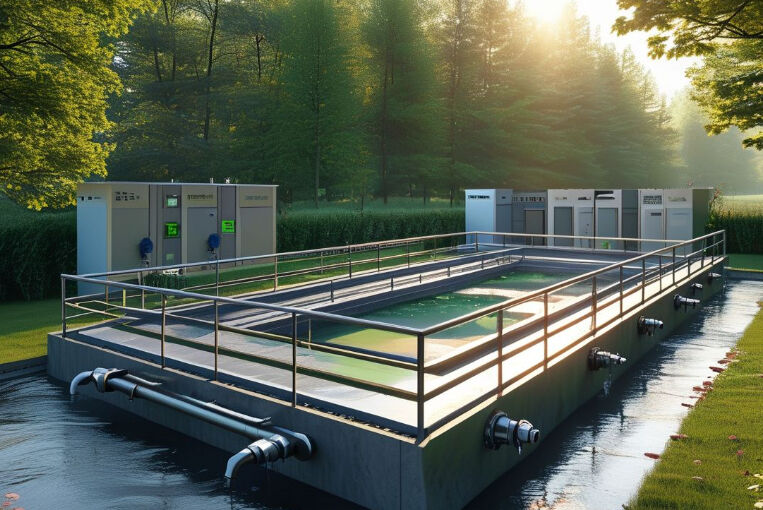
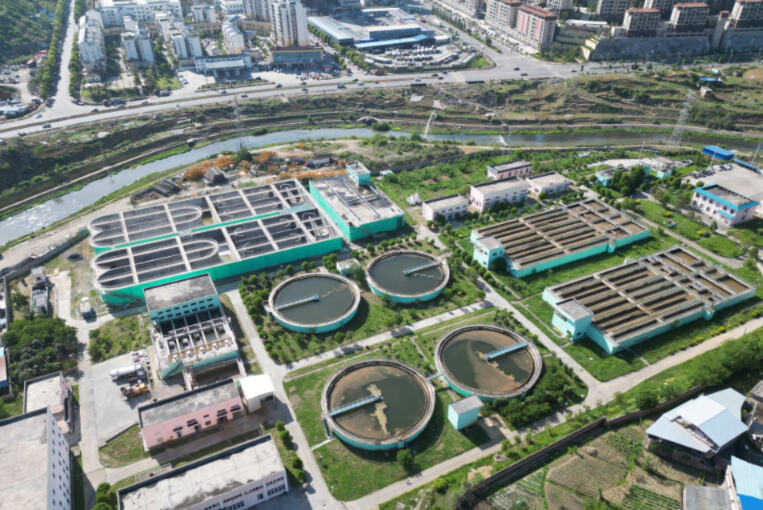
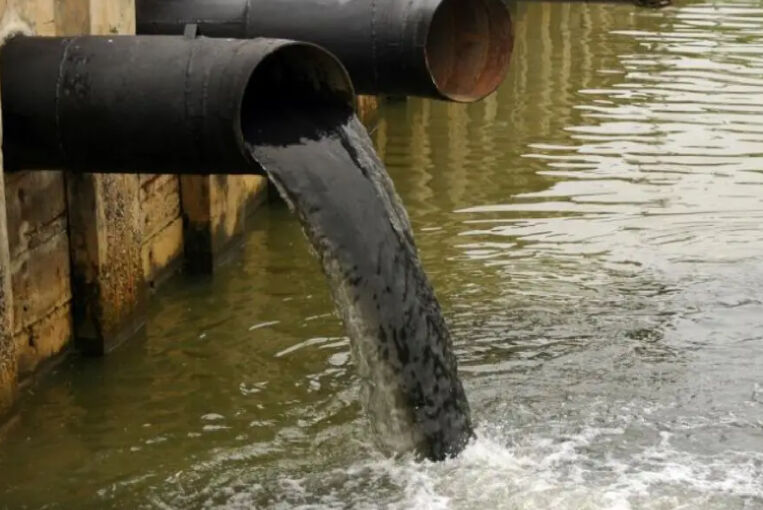
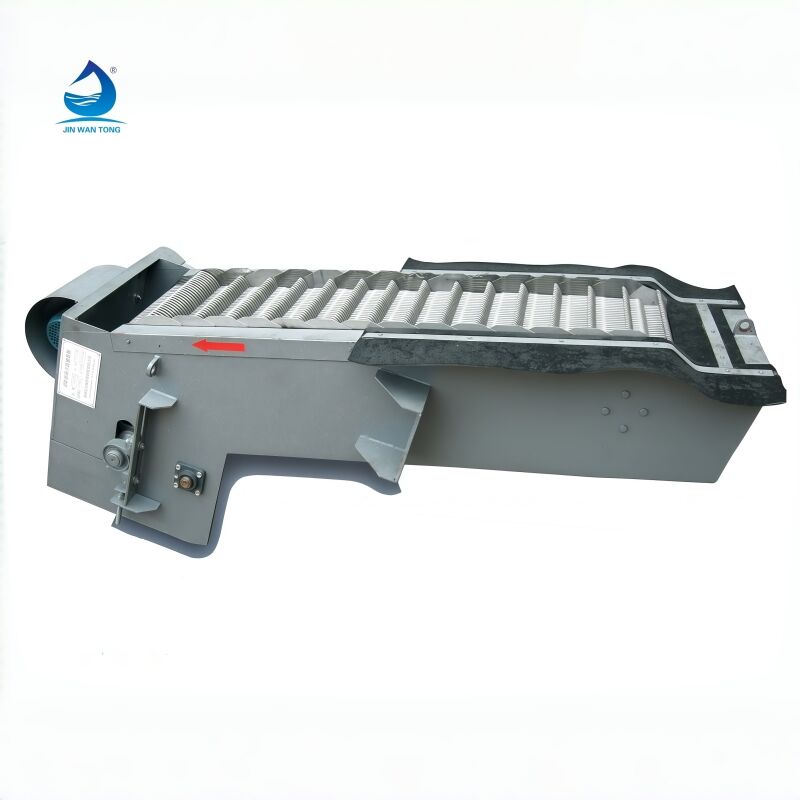
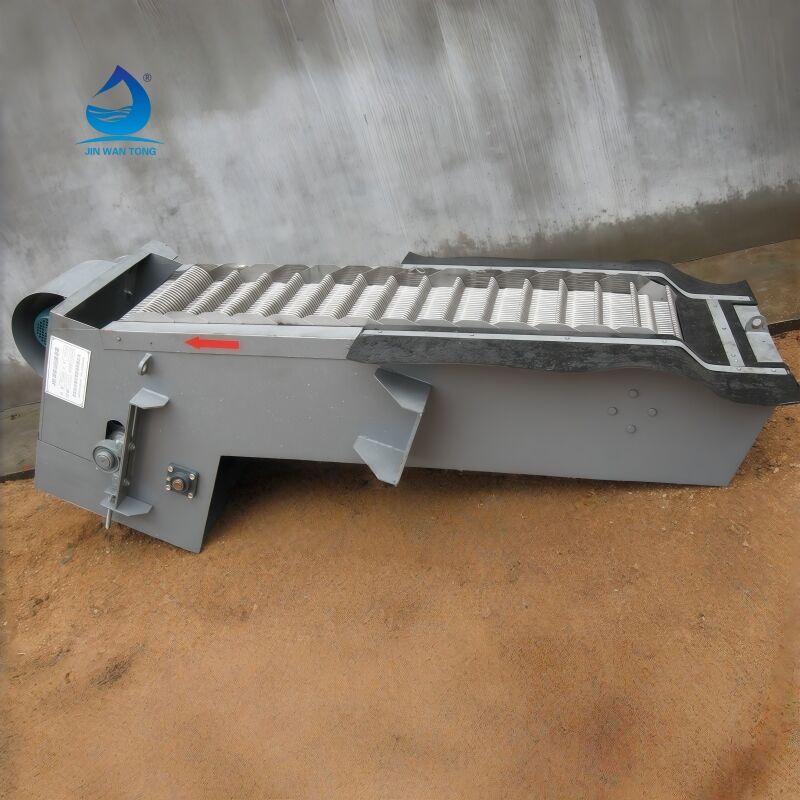
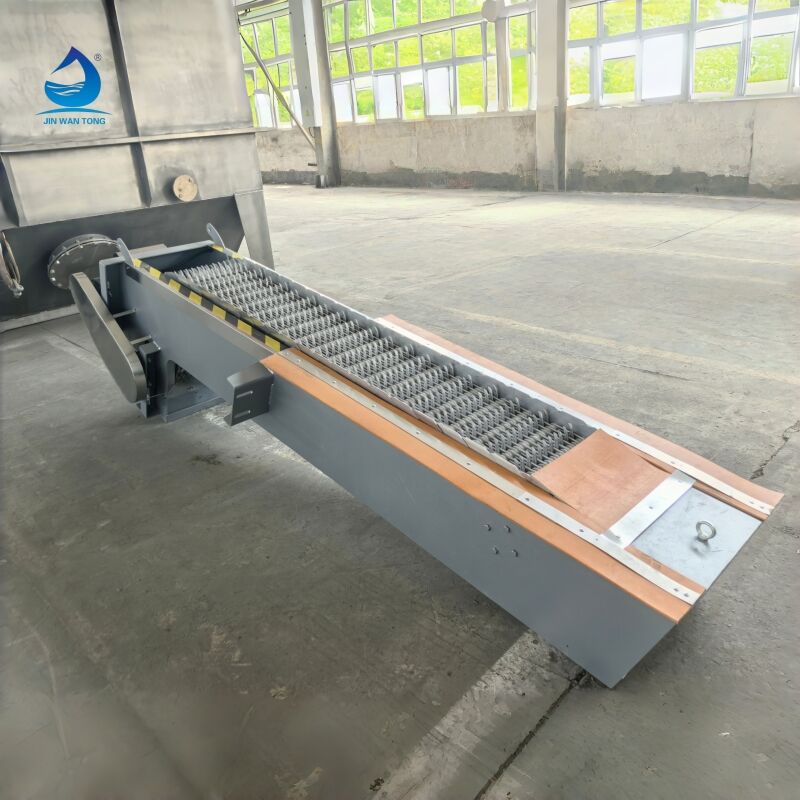
Wastewater treatment plant bar screens represent essential preliminary treatment equipment designed to remove large debris, solids, and foreign materials from incoming wastewater streams. These mechanical screening systems serve as the first line of defense in municipal and industrial treatment facilities, protecting downstream equipment from damage while ensuring optimal treatment process efficiency. The primary function of wastewater treatment plant bar screens involves intercepting coarse materials such as rags, plastics, branches, and other debris that could otherwise clog pumps, pipes, or interfere with biological treatment processes. Modern bar screen systems incorporate advanced automation technologies, featuring self-cleaning mechanisms that continuously remove accumulated debris without manual intervention. The technological features of contemporary wastewater treatment plant bar screens include variable spacing configurations ranging from fine to coarse screening applications, with bar spacing typically varying between 6mm to 150mm depending on specific treatment requirements. These systems utilize robust materials such as stainless steel construction, ensuring longevity and corrosion resistance in harsh wastewater environments. Advanced control systems monitor screen differential pressure, automatically initiating cleaning cycles when predetermined thresholds are reached. The applications of wastewater treatment plant bar screens span across diverse sectors including municipal sewage treatment facilities, industrial wastewater processing plants, stormwater management systems, and food processing facilities. Their versatility makes them suitable for both new installations and retrofit projects, accommodating various flow rates and channel configurations. The integration capabilities allow seamless incorporation into existing treatment infrastructure while maintaining operational continuity and maximizing treatment efficiency throughout the facility lifecycle.

New Product Recommendations

Wastewater treatment plant bar screens deliver substantial operational benefits that directly impact facility performance and cost-effectiveness. These systems significantly reduce maintenance requirements by preventing large debris from entering downstream equipment, eliminating costly pump repairs and pipeline blockages that can disrupt entire treatment operations. The automated cleaning mechanisms operate continuously, removing accumulated materials without requiring manual labor, which reduces operational costs and minimizes worker exposure to hazardous conditions. Enhanced process reliability becomes immediately apparent as wastewater treatment plant bar screens maintain consistent flow rates and prevent sudden system shutdowns caused by debris accumulation. This reliability translates into improved treatment efficiency and regulatory compliance, ensuring facilities meet stringent discharge standards while avoiding potential fines or penalties. The energy efficiency advantages of modern bar screen systems contribute to reduced operating expenses through optimized motor controls and variable speed drives that adjust cleaning cycles based on actual debris loading conditions rather than fixed schedules. Facility operators benefit from reduced chemical consumption requirements since effective preliminary screening removes organic materials that would otherwise consume treatment chemicals in downstream processes. The space-efficient designs of contemporary wastewater treatment plant bar screens accommodate installation constraints while maximizing screening capacity within limited footprint areas. Remote monitoring capabilities enable operators to track system performance, receive maintenance alerts, and optimize cleaning schedules from centralized control rooms, improving overall facility management efficiency. The corrosion-resistant construction materials ensure extended equipment lifecycles, reducing capital replacement costs and maintaining consistent performance over decades of operation. Environmental benefits include reduced waste generation through effective debris separation and recovery, while the quiet operation minimizes noise pollution in surrounding communities. These combined advantages make wastewater treatment plant bar screens essential investments for facilities seeking to optimize operations, reduce costs, and maintain regulatory compliance while protecting valuable downstream treatment infrastructure from damage and premature failure.

Tips And Tricks

Overview of the Agricultural Wastewater Treatment Market

17

Dec

Overview of the Agricultural Wastewater Treatment Market

View More
Global Real-Time Wastewater Treatment Update

17

Dec

Global Real-Time Wastewater Treatment Update

View More
Navigating the Waters: The Role of an Industrial Wastewater Treatment Plant

17

Dec

Navigating the Waters: The Role of an Industrial Wastewater Treatment Plant

View More

Get a Free Quote

Our representative will contact you soon.
Email
Name
Company Name
Message
0/1000

wastewater treatment plant bar screens

Advanced Self-Cleaning Technology Eliminates Manual Maintenance

Advanced Self-Cleaning Technology Eliminates Manual Maintenance

The revolutionary self-cleaning technology integrated into modern wastewater treatment plant bar screens represents a significant advancement in automated debris removal systems. This sophisticated mechanism utilizes precision-engineered cleaning rakes that travel continuously along the screen surface, automatically removing accumulated debris without requiring operator intervention or system shutdown. The cleaning rake system operates on programmable cycles based on differential pressure sensors that monitor debris accumulation levels, ensuring optimal cleaning frequency while minimizing energy consumption. This intelligent automation prevents the buildup of materials that could restrict flow or cause system overload conditions. The self-cleaning capability eliminates the need for manual debris removal, which traditionally required facility personnel to physically clear screens using hand rakes or other tools, exposing workers to potentially hazardous conditions and requiring significant labor resources. The automated cleaning process maintains consistent screen performance throughout varying debris loading conditions, from light residential flows to heavy industrial or storm event conditions. The precision-controlled cleaning action ensures complete debris removal while protecting the screen structure from damage that could result from aggressive manual cleaning methods. Advanced drive systems incorporate variable speed controls that adjust cleaning rake movement based on debris density, providing gentle cleaning for light loads while delivering powerful removal action during heavy debris events. The automated debris discharge system conveys removed materials to collection hoppers or conveyor systems, facilitating efficient waste management without manual handling. This technology significantly reduces operational costs by eliminating the need for dedicated cleaning personnel while improving safety conditions by removing workers from direct contact with raw wastewater and debris. The reliability of self-cleaning systems ensures continuous operation even during peak flow periods, preventing system failures that could compromise entire treatment facility operations and maintaining consistent protection for downstream equipment investments.
Robust Stainless Steel Construction Ensures Decades of Reliable Performance

Robust Stainless Steel Construction Ensures Decades of Reliable Performance

The superior construction quality of wastewater treatment plant bar screens utilizing premium stainless steel materials delivers exceptional durability and longevity in the most challenging operational environments. The carefully selected stainless steel grades resist corrosion from aggressive wastewater chemicals, maintaining structural integrity and performance characteristics throughout extended service periods that can span decades without significant degradation. This robust construction approach eliminates the frequent replacement cycles associated with inferior materials, providing substantial long-term cost savings through reduced capital expenditures and minimized maintenance requirements. The precision fabrication techniques employed in manufacturing these screens ensure consistent bar spacing and smooth surface finishes that prevent debris entanglement while facilitating efficient cleaning operations. The heavy-duty frame construction withstands hydraulic forces generated by varying flow conditions, maintaining proper alignment and preventing structural deformation that could compromise screening effectiveness. Advanced welding techniques create seamless joints that eliminate potential failure points and prevent the accumulation of debris or biological growth that could interfere with system operation. The stainless steel construction provides superior resistance to hydrogen sulfide corrosion, a common concern in wastewater environments that can rapidly deteriorate inferior materials and lead to premature equipment failure. The smooth surface characteristics of stainless steel facilitate effective cleaning while preventing the adhesion of grease, oils, or other materials that could reduce screening efficiency. This material selection ensures compatibility with chemical cleaning agents used for periodic maintenance without causing surface degradation or structural weakness. The thermal stability of stainless steel construction maintains performance characteristics across wide temperature ranges, accommodating seasonal variations and industrial discharge conditions without material stress or dimensional changes. The inherent strength properties allow for optimized structural designs that maximize screening capacity while minimizing material usage and installation costs. This construction approach provides facility owners with confidence in long-term system reliability, reducing lifecycle costs and ensuring consistent protection for valuable downstream treatment infrastructure throughout the facility's operational lifetime.
Versatile Flow Rate Capacity Accommodates Diverse Treatment Applications

Versatile Flow Rate Capacity Accommodates Diverse Treatment Applications

The exceptional flow rate versatility of wastewater treatment plant bar screens enables optimal performance across diverse treatment applications, from small municipal facilities processing hundreds of gallons per minute to large industrial complexes handling millions of gallons daily. This remarkable adaptability stems from innovative hydraulic designs that maintain efficient screening performance across wide flow variation ranges without compromising debris removal effectiveness or causing excessive head loss. The modular construction approach allows facilities to configure multiple screen units in parallel arrangements, providing scalable capacity that can accommodate future growth or varying seasonal flow patterns without requiring complete system replacement. Advanced channel designs incorporate optimized approach velocities that prevent debris settling while ensuring proper hydraulic conditions for effective screening action across the entire flow range spectrum. The variable bar spacing options enable facilities to select appropriate screening levels based on specific debris characteristics and downstream treatment requirements, providing flexibility for applications ranging from coarse preliminary screening to fine debris removal applications. Flow distribution systems ensure uniform loading across the entire screen surface, maximizing screening capacity while preventing localized overloading that could compromise removal efficiency or cause premature wear. The robust drive systems incorporate variable speed capabilities that adjust cleaning cycles based on actual debris loading conditions rather than fixed schedules, optimizing performance while minimizing energy consumption across varying operational conditions. Bypass capabilities provide operational flexibility during maintenance periods or extreme flow events, ensuring continuous treatment facility operation while maintaining essential debris protection for downstream equipment. The hydraulic efficiency of these systems minimizes head loss across the screening structure, reducing pumping costs while maintaining adequate flow velocities for effective treatment processes. Emergency overflow features protect against system damage during extreme weather events or unusual debris loading conditions, preventing costly equipment damage while maintaining basic screening protection. This versatility makes wastewater treatment plant bar screens suitable for municipal sewage treatment, industrial process water applications, stormwater management systems, and specialized treatment facilities, providing reliable debris removal performance regardless of application-specific requirements or operating conditions that may vary significantly throughout the treatment facility's operational lifetime.
Advanced Wastewater Treatment Plant Bar Screens - Reliable Debris Removal Solutions

Get a Free Quote

Our representative will contact you soon.
Email
Name
Company Name
Message
0/1000