 EN
EN
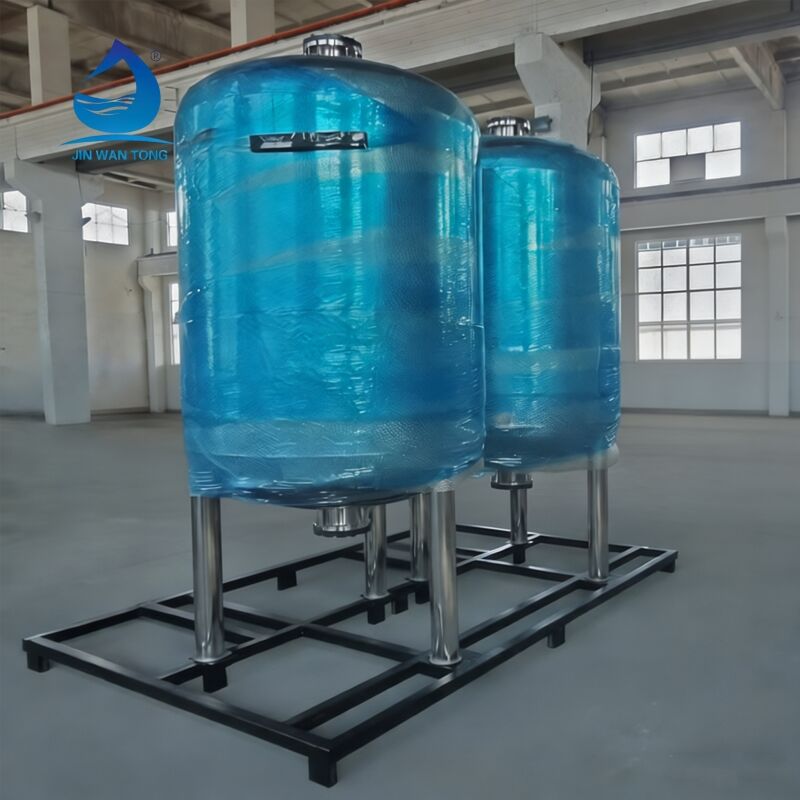
Თანამედროვე საწყლის გასასუფთავებლად მოწყობილობები მუდმივად უფრო მეტად ყრდნობიან მემბრანული ბიორეაქტორის (MBR) და მოძრავი ფუძის ბიოფილმის რეაქტორის (MBBR) ტექნოლოგიებზე, რათა მიაღწიონ მაღალი ხარისხის გამოსადეგი წყლის სტანდარტებს. თუმცა, ეს უფრო მოწინავე ბიოლოგიური მომუშავების სისტემებიც შეიძლება დამატებითი დასუფთავების ეტაპების მოთხოვნას გამოიწვიონ საკმარისად მკაცრი გამოყოფის მოთხოვნების დაკმაყოფილების ან წყლის ხელახლა გამოყენების აპლიკაციების შესაძლებლობის უზრუნველყოფის მიზნით. Აქტიური კარბონის ფილტრები გამოიყენება როგორც დამტკიცებული ტერციარული მკურნალობის ამოხსნა, რომელიც ეფექტურად აძაღვევს დარჩენილ სასიცოცხლო ნაერთებს, ფერს და სუნს MBR და MBBR გამოტაცების ნაკადებიდან. ეს გასუფთავების მეთოდი აერთიანებს მემბრანული და ბიოფილმური სისტემების ბიოლოგიური მკურნალობის ეფექტურობას აქტივიზებული ნახშირის საშუალებების უმეტეს აბსორბციულ შესაძლებლობებთან.
MBR და MBBR მკურნალობის შეზღუდვების გაგება
Ბიოლოგიური მკურნალობის საზღვრები
Მემბრანული ბიორეაქტორი და მოძრავი ფუძის ბიოფილმის რეაქტორის სისტემები გამოირჩევიან წყალში შემავალი ბიოდეგრადირებადი ორგანული ნივთიერებებისა და მოკიდებული ნაკრებების მოშორების უნარით. ეს ბიოლოგიური პროცესები ტიპურად აღწევენ 85–95 პროცენტიან ქიმიური ჟანგბადის მოთხოვნილების მოშორების მაჩვენებლებს ოპტიმალური ექსპლუატაციური პირობების შემთხვევაში. თუმცა, ზოგიერთი მეტად მეტად მდგრადი ორგანული ნაერთი, სამედიცინო პრეპარატების კვალები და ფერის მომცემელი ნივთიერებები შეიძლება ბიოლოგიური მომუშავების სისტემებში შესვლის შემდეგ შედარებით ცვლილების გარეშე გავიდეს. სამრეწველო წყალში ხშირად შემავალი რთული ორგანული მოლეკულები არ ექვემდებარებიან ბიოლოგიურ დეგრადაციას, რაც დამატებითი მომუშავების ეტაპების საჭიროებას იწვევს.
MBR და MBBR სისტემებიდან მომდინარე გამოსვლის ხარისხი შეიძლება ჯერ კიდევა შეიცავდეს გახსნილი ორგანული ნახშირბადის კონცენტრაციებს 10–30 მგ/ლ დიაპაზონში, რაც დამოკიდებულია შემავალი წყლის მახასიათებლებზე და სისტემის დიზაინის პარამეტრებზე. მიუხედავად იმისა, რომ ეს წარმოადგენს მნიშვნელოვან მოცულობით ორგანული ნაერთების მოშორებას, ბევრი რეგულატორული სტანდარტი და გამოყენების მიზნები მოითხოვს კიდევა უფრო დაბალ მაჩვენებლებს ორგანული ნახშირბადის შესახებ. აქტივირებული ნახშირბადის ფილტრები წარმოადგენენ ეფექტურ საშუალებას ამ გაძლიერებული მომზადების მიზნების მისაღწევად, რადგან ისინი მიმართულია იმ ორგანულ ნაერთებზე, რომლებიც არ იშლება ბიოლოგიური მომზადების პროცესებში.
Დარჩენილი ნარევების მახასიათებლები
MBR და MBBR გამოსვლის ნარევებში დარჩენილი ორგანული ნაერთები ჩვეულებრივ შედგება პატარა მოლეკულური წონის ნივთიერებებისგან, ჰუმულისა და ფულვის მჟავებისგან და სინთეტური ორგანული ქიმიკატებისგან, რომლებსაც ახასიათებს რთული სტრუქტურა. ამ მასალებს ხშირად ახასიათებს დაბალი ბიოდეგრადაციის ინდექსები, ხოლო ისინი შეიძლება გამოიწვიონ გამოსვლის ფერის, გემოს და სუნის პრობლემები. ამასთან, მემბრანული და ბიოფილმის სისტემები შეიძლება წარმოქმნან გახსნილი მიკრობიული პროდუქტები ნორმალური ექსპლუატაციის დროს, რაც მატარებლის გასუფთავებულ წყალში გახსნილი ორგანული ნარჩენების რაოდენობის გაზრდას იწვევს.
Ფარმაცევტული და პერსონალური მოვლის პროდუქტების ნარჩენები წარმოადგენენ კიდევა ერთ კატეგორიას დამაბინძურებლების, რომლებიც ხშირად გადარჩევიან ბიოლოგიური მოვლის პროცესებს. ეს ახალი ტიპის დამაბინძურებლები მცირე კონცენტრაციით გამოიყენება, მაგრამ შეიძლება გამოიწვიონ გარემოს ან საჯარო ჯანმრთელობის საფრთხე მგრძნობარე მიღების წყლებში. აქტივირებული ნახშირის ფილტრები ამ მიკროდამაბინძურებლების ამოღებაში გამოირჩევიან განსაკუთრებული ეფექტურობით ფიზიკური და ქიმიური ადსორბციის მექანიზმების საშუალებით.
Აქტივირებული ნახშირის ფილტრაციის მექანიზმები გასუფთავებული წყლის დასასრულებლად
Ფიზიკური ადსორბციის პროცესები
Აქტივირებული ნახშირის ფილტრები ძირითადად ფიზიკური ადსორბციის მექანიზმით მუშაობენ, რომლის დროსაც ორგანული მოლეკულები აკუმულირდება ნახშირის საშუალების მრავალჯერ გაფართოებულ ზედაპირზე. წაროების პროცესი ქმნის ძალიან პორებიან სტრუქტურას, რომლის ზედაპირის ფართობი ჩვეულებრივ აღემატება 500 კვადრატულ მეტრს გრამზე. ეს განსაკუთრებულად დიდი ზედაპირის ფართობი, რომელიც მრავალფეროვანი პორების ზომის განაწილებას ერთად მოიცავს, საშუალებას აძლევს აქტივირებული ნახშირის ფილტრებს დაიჭირონ ორგანული მოლეკულები ფართო მოლეკულური წონის დიაპაზონში.
Ადსორბციის პროცესი მოიცავს ვან-დერ-ვაალსის ძალებს, რომლებიც ორგანული მოლეკულებს აკეშავენ ნახშირის ზედაპირზე ქიმიური ბმების გარეშე. ეს მექანიზმი განსაკუთრებით ეფექტურია არომატული ნაერთების, ქლორირებული ორგანული ნაერთების და სხვა ჰიდროფობული ნივთიერებების მოსაშორებლად, რომლებიც ხშირად გვხვდება სამრეწველო წყლის გამოტაცებში. მრავალფენიანი ადსორბციის შესაძლებლობა საშუალებას აძლევს აქტივირებული ნახშირის ფილტრებს განაგრძონ ნარევების მოშორება იმ შემთხვევაშიც, როდესაც ზედაპირის ადგილები უკვე დაკავებულია.
Ქიმიური ურთიერთქმედების უპირატესობები
Აქტივირებული ნახშირის ფილტრები შეძლებენ გარდა ფიზიკური ადსორბციის გარეთ გარკვეული ქიმიური ურთიერთქმედებების მიღწევას, რაც ამჯობესებს ნარჩენების მოსაშორებლად ეფექტურობას. ნახშირის ზედაპირზე არსებული სხვადასხვა ფუნქციური ჯგუფი შეძლებს იონური ცვლის, კომპლექსების წარმოქმნის და კატალიტური რეაქციების მონაწილეობას. ეს ქიმიური მექანიზმები დამატებით უწყობს ფიზიკური ადსორბციის პროცესს და გაფართოებს იმ ნარჩენების სპექტრს, რომლებიც ეფექტურად შეიძლება მოიშოროს MBR და MBBR გამონაბოლქვიდან.
Აქტივირებული ნახშირის ზედაპირზე ჟანგბადსამომჭიდრო ფუნქციური ჯგუფების არსებობა ქმნის ადგილებს პოლარული ნაერთების ადსორბციისთვის და pH-დამოკიდებული მოსაშორებლად მექანიზმებისთვის. ეს ქიმიური სიმრავლე საშუალებას აძლევს აქტივირებული ნახშირის ფილტრებს ერთდროულად მოაგარეონ როგორც ორგანული, ასევე არაორგანული ნარჩენები, რაც საშუალებას აძლევს სრულყოფილი გამონაბოლქვის გასუფთავების შესაძლებლობის მისაღებად სირთულეებით დატვირთული სასტუმრო წყლის ნაკადებისთვის.
Დიზაინის გასათვალისწინებლად მოსაკრეფი მკურნალობის შემდგომი გამოყენების შემთხვევები
Სისტემის კონფიგურაციის ვარიანტები
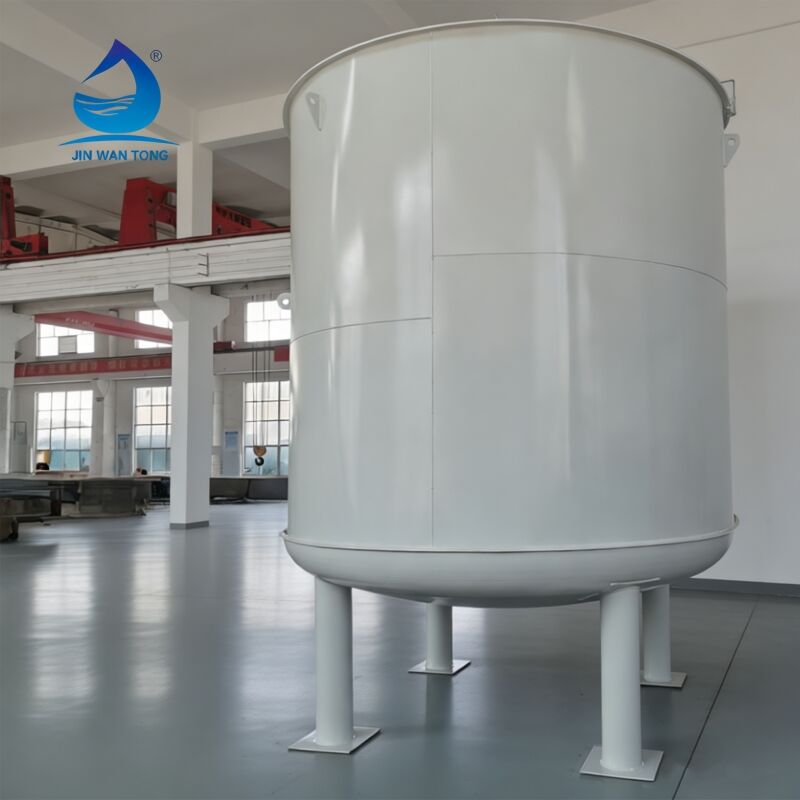
Აქტივირებული ნახშირის ფილტრები შეიძლება გამოყენებულ იქნას სხვადასხვა კონფიგურაციაში მემბრანული ბიორეაქტორის (MBR) ან მემბრანული ბიოფილმის ბიორეაქტორის (MBBR) მეთოდების შემდეგ. გრანულირებული აქტივირებული ნახშირის კონტაქტორები წარმოადგენენ ყველაზე გავრცელებულ მიდგომას, რომელიც გამოიყენებს ფიქსირებული საწოვის ან ფლუიდიზებული საწოვის დიზაინს კონკრეტული მოთხოვნილებების მიხედვით. აპლიკაცია ფიქსირებული საწოვის სისტემები უზრუნველყოფს მარტივობასა და საიმედოობას, ხოლო ფლუიდიზებული საწოვის კონფიგურაციები უფრო ეფექტურ მასის გადაცემას და დაბალ წნევის ვარდნას უზრუნველყოფს.
Გამოტაცების მიმართულების (ქვემოდან ზემოთ ან ზემოდან ქვემოთ) არჩევანი დამოკიდებულია გამოტაცების ხარისხის მახასიათებლებზე და სასურველი სამუშაო მიზნებზე. ქვემოდან ზემოთ მომუშავე სისტემები ჩვეულებრივ უკეთეს ნაკრების მოშორებას და უფრო მუდმივ გამოტაცების ხარისხს უზრუნველყოფს, ხოლო ზემოდან ქვემოთ მომუშავე კონფიგურაციები უფრო მაღალი ნაკრების ტვირთის მოსაპოვებლად არის შესაძლებელი და გარკვეული ხარისხის ბიოლოგიურ აქტივობას უზრუნველყოფს. არსებითად დაბალი ორგანული ნახშირბადის კონცენტრაციების ან რთული ნარევების მოშორების მოთხოვნის შემთხვევაში შეიძლება გამოყენებულ იქნას მრავალსტუფიანი აქტივირებული ნახშირის ფილტრები.
Საშუალების არჩევის კრიტერიუმები
MBR-ისა და MBBR-ის გამონაკლისების პოლირებისთვის შესატყობარო აქტივირებული ნახშირის მედიის შერჩევა მოითხოვს სამიზნე საზიანო ნივთიერებებისა და ექსპლუატაციური შეზღუდვების ფრთხილად განხილვას. ნახშირზე დაფუძნებული აქტივირებული ნახშირები საერთოდ უზრუნველყოფს განსაკუთრებულ შედეგებს არომატული ნაერთების წაშლის დროს და გრძელვადიანი ექსპლუატაციისთვის კარგ მექანიკურ ძალას აჩვენებს. ხის საფუძველზე დაფუძნებული ნახშირები უკეთეს შედეგებს იძლევა პატარა მოლეკულური წონის ორგანული ნაერთების წაშლის დროს და შეიძლება იყოს უფრო მისაღები ფარმაცევტული პრეპარატების წაშლის მიზნით.
Ნახშირის ნაკრების ზომა მნიშვნელოვნად მოქმედებს როგორც წაშლის ეფექტურობაზე, ასევე სისტემის ჰიდრავლიკაზე. პატარა ნაკრების ზომები უზრუნველყოფს უფრო დიდ ზედაპირულ ფართობს და გაუმჯობესებულ მასის გადაცემას, მაგრამ ამატებს წნევის ვარდნას და უკუგაწმენდის მოთხოვნებს. უმეტესობა გამონაკლისების პოლირების აპლიკაციებში 8x30 ან 12x40 მეში აქტივირებული ნახშირის გამოყენებას უპირატესობას ანიჭებს შედეგიანობისა და ექსპლუატაციური ფაქტორების ბალანსის მისაღებად. კოკოსის გარეგნული ნაკრების ნახშირები შეიძლება აირჩევნენ კონკრეტული აპლიკაციებისთვის, რომლებშიც მოითხოვება განსაკუთრებული მიკროპორების განვითარება ან უკეთესი სიმტკიცე.
Სტრატეგიები პერფორმანსის გაუმჯობესებლად
Ექსპლუატაციის პარამეტრების კონტროლი
Გამოტაცების ფინიშირების მიზნით აქტივირებული ნახშირის ფილტრების ეფექტურობის ოპტიმიზაციისთვის საჭიროებს ძირევად ყურადღებას ძირითად ექსპლუატაციის პარამეტრებზე. კონტაქტის ხანგრძლივობა წარმოადგენს ძირევად დიზაინის ცვლადს, ხოლო ცარიელი ფილტრის კონტაქტის ხანგრძლივობა ჩვეულებრივ მერყეობს 10–30 წუთს შორის, რაც დამოკიდებულია ნაკლებად სასურველი ნარევების მოშორების მიზნებზე. უფრო გრძელი კონტაქტის ხანგრძლივობა აუმჯობესებს მოშორების ეფექტურობას, მაგრამ ამატებს კაპიტალურ და ექსპლუატაციურ ხარჯებს, რაც თითოეული კონკრეტული მიზნისთვის ეკონომიკური ოპტიმიზაციის აუცილებლობას იწვევს.
Ჰიდრავლიკური ტვირთვის სიჩქარეები უნდა იყოს დაკავშირებული მოშორების ეფექტურობის მოთხოვნებსა და ხელმისაწვდომ წნევის სიმაღლესთან. უმეტესობა აქტივირებული ნახშირის ფილტრები მუშაობს 2–10 გალონი წუთში კვადრატული ფუტის მიხედვით ზედაპირული სიჩქარით, ხოლო უფრო დაბალი სიჩქარეები ჩვეულებრივ უკეთეს შედეგებს იძლევიან. უნდა გაითვალისწინოს ტემპერატურის გავლენაც, რადგან მაღალი ტემპერატურები ჩვეულებრივ აუმჯობესებს ადსორბციის კინეტიკას, მაგრამ შეიძლება შეამცირონ წონასწორობის ტევადობა ზოგიერთი ნარევის შემთხვევაში.
Წინასწარი მომზადების მოთხოვნები
Მიუხედავად იმისა, რომ MBR და MBBR-ის გამონაბოლქვი საერთოდ კარგად ერგება აქტივირებული ნახშირის ფილტრაციას, ზოგიერთი წინასწარი მომზადების ეტაპი შეიძლება გააუმჯობესოს სისტემის მუშაობა და გაზარდოს ნახშირის სიცოცხლის ხანგრძლივობა. დეზინფიცირებული სისტემებიდან მომდინარე გამონაბოლქვის დამუშავების დროს ქლორის მოშორება აუცილებელია, რადგან ნარჩენი ოქსიდანტები შეიძლება დააზიანონ ნახშირის სტრუქტურა და შეამცირონ მისი ადსორბციის შესაძლებლობა. ქლორის მოშორება შეიძლება ეფექტურად მოხდეს ნატრიუმის ბისულფიტით ან კატალიტური რედუქციით.
pH-ის რეგულირება შეიძლება იყოს სასარგებლო კონკრეტული ნარევების ან მუშაობის პირობების მიზნით განკუთვნილი აპლიკაციებისთვის. უმეტესობა აქტივირებული ნახშირის ფილტრები საუკეთესო შედეგებს იძლევა ნეიტრალური pH-ის პირობებში, თუმცა ზოგიერთი აპლიკაცია შეიძლება მოიგოს მცირე pH-ის ცვლილებით, რათა გააუმჯობესოს იონიზირებადი ნაერთების ადსორბცია. ტემპერატურის სტაბილიზაცია შეიძლება გააუმჯობესოს სისტემის მუშაობის სტაბილურობა და გაზარდოს ნახშირის სიცოცხლის ხანგრძლივობა იმ აპლიკაციებში, სადაც მნიშვნელოვანი ტემპერატურული ცვალებადობა არსებობს.
Ეკონომიკური და გარემოს გათვალისწინება
Სარგების ციკლური ღირებულების ანალიზი
Აქტივირებული ნახშირის ფილტრების ეკონომიკური მისაღებობა MBR და MBBR გამონაყოფების გასუფთავებისთვის არის დამოკიდებული რამდენიმე ფაქტორზე, მათ შორის ნახშირის მოხმარების სიჩქარეზე, რეგენერაციის ხარჯებზე და მიღებულ გამონაყოფების ხარისხში გაუმჯობესებაზე. ნახშირის შეცვლა ჩვეულებრივ წარმოადგენს სრული ექსპლუატაციური ხარჯების 60–80 პროცენტს, რაც ნახშირის სიცოცხლის სწორად პროგნოზირებას საეკონომიკო გეგმის შედგენის მიზნით აუცილებლად სჭირდება. უმეტესობა აპლიკაციებში ნახშირის სამსახურის ხანგრძლივობა შეადგენს 6–18 თვეს, რაც დამოკიდებულია მავნე ნივთიერებების ტვირთზე და მათ მოსაშორებლად დასტურებულ მოთხოვნებზე.
Რეგენერაციის ვარიანტები შეიძლება მნიშვნელოვნად გავლენა მოახდინოს სისტემის სრულ ეკონომიკურ ბალანსზე, განსაკუთრებით დიდი მასშტაბის აპლიკაციებში. ტერმული რეგენერაცია აღადგენს საწყისი ნახშირის შეძლებლობის 85–95 პროცენტს, მაგრამ მის განხორციელებას სპეციალიზებული საშუალებები სჭირდება და შეიძლება არ იყოს ეკონომიკურად გამართლებული პატარა ინსტალაციებისთვის. ალტერნატიული მიდგომები არის სტეამის და ქიმიური რეგენერაცია, რომლებიც შეიძლება შესაფერისი იყოს კონკრეტული მავნე ნივთიერებების ტიპების და სისტემის მასშტაბების მიხედვით.
Სამყაროდან გარეშე იქნება
Აქტივირებული ნახშირის ფილტრების გამოყენება გამოსხდომის დასასუფთავებლად შეიძლება მოახდინოს მნიშვნელოვანი გარემოსდაცვითი სარგებლები არამარტო მავნე ნარევების მოშორების გარდა. გამოსხდომის ხარისხის გაუმჯობესება საშუალებას აძლევს წყლის ხელახლა გამოყენების აპლიკაციების განხორციელებას, რაც შემცირებს სისუფთავე წყლის მოხმარებას და გაზრდის მიღების წყლის სხეულების სარგებლობის ხანგრძლივობას. მცირე რაოდენობით არსებული ორგანული ნარევების მოშორება ხელს უწყობს წყლის ეკოსისტემების დაცვას ბიოაკუმულაციის და ენდოკრინული დარღვევების პოტენციური ეფექტებისგან.
Ნახშირის საშუალება თვითონ შეიძლება წარმოიქმნას აღადგენადი რესურსებიდან და რეგენერაციის პროცესების მეშვეობით გადამუშავდეს, რაც მხარს უჭერს წრიული ეკონომიკის პრინციპებს. რეგენერაციის შეუძლებლობის შემთხვევაში გამოყენებული ნახშირი ხშირად შეიძლება გამოყენებულ იქნას ენერგიის აღდგენის ან ნიადაგის გასაუმჯობესებლად, რაც ნარჩენების წარმოების მინიმიზაციას უზრუნველყოფს. ამ მდგრადი განვითარების უპირატესობები აქტივირებული ნახშირის ფილტრებს გარემოსდაცვითი მოსაზრების მიხედვით მორგებული სასუფთავებლო საწარმოებისთვის მიმზიდველ ვარიანტად აქცევს.
Არსებული სასუფთავებლო ინფრასტრუქტურასთან ინტეგრაცია
Რეტროფიტის გათვალისწინების საკითხები
Აქტივირებული ნახშირის ფილტრების დამატება არსებულ მემბრანულ ბიორეაქტორს (MBR) ან მემბრანულ ბიოფილმს (MBBR) მოითხოვს ხელმისაწვდომი სივრცის, ჰიდრავლიკური მოცულობის და პროცესული თავსებადობის საყურადღებო შეფასებას. უმეტესობა მონტაჟების შეუძლია გრანულირებული აქტივირებული ნახშირის კონტაქტორების მოთავსება არსებული ინფრასტრუქტურის მინიმალური ცვლილებებით. გრავიტაციურად მომარაგებული სისტემები უზრუნველყოფს მარტივობასა და ენერგიის ეფექტურობას, მაგრამ მოითხოვს საკმარის სიმაღლის სხვაობას ბიოლოგიური მომზადების სისტემასა და გამოყოფის წერტილს შორის.
Პუმპით მომარაგებული სისტემები საშუალებას აძლევენ უფრო მეტი მოქნილობის მისაღებად განლაგებასა და ექსპლუატაციაში, მაგრამ ამატებენ ენერგიის მოხმარებას და სისტემის სირთულეს. გრავიტაციური და პუმპით მომარაგებული ექსპლუატაციის შერჩევა ხშირად დამოკიდებულია საკონკრეტო საიტის შეზღუდვებზე და ეკონომიკურ განსაკუთრებულობებზე. ავტომატიზებული უკანა გაწმენდის სისტემები და ნახშირის მოვლის აღჭურვილობა უნდა იყოს ინტეგრირებული საერთო საწარმოს მართვის სისტემაში, რათა შენარჩუნდეს ექსპლუატაციური ეფექტურობა და შრომის მოთხოვნა მინიმალურად შემცირდეს.
Მონიტორინგისა და კონტროლის სისტემები
Აქტივირებული ნახშირის ფილტრების ეფექტური ექსპლუატაციისთვის საჭიროებს შესაბამის მონიტორინგსა და კონტროლის სისტემებს, რათა შეიძლება შემოწმდეს მათი მუშაობის ეფექტურობა და ოპტიმიზირდეს ექსპლუატაციის პარამეტრები. მთავარი პარამეტრების — მაგალითად, ორგანული ნახშირბადის კონცენტრაციის, UV შთანთქმის და წნევის ვარდნის — ონლაინ მონიტორინგი საშუალებას აძლევს სისტემის მუშაობის რეალურ დროში შეფასებას და ნახშირის მოხმარების სიჩქარის განსაზღვრას. ამ გაზომვების საშუალებით შეიძლება წინასწარ განისაზღვროს მომავალი ტექნიკური მომსახურების საჭიროებები და დროულად აღმოვაჩინოთ შესაძლო ექსპლუატაციური პრობლემები, სანამ ისინი გავლენას ახდენენ გამოტანილი წყლის ხარისხზე.
Საშუალებას აძლევს განვითარებული კონტროლის სისტემები ავტომატურად შეამოწმონ და შეასწორონ სიმკვრივის სიჩქარე, უკან გაწმენდვის სიხშირე და სხვა ექსპლუატაციური პარამეტრები გაზომილი მუშაობის მაჩვენებლების მიხედვით. ეს ავტომატიზაცია ამცირებს საჭიროებულ სამუშაო ძალებს და ეხმარება შენარჩუნებაში მუდმივი ხარისხის გამოტანილი წყლის სხვადასხვა ტვირთვის პირობებში. მონაცემების რეგისტრაცია და ტენდენციების ანალიზი ხელს უწყობს გრძელვადი სისტემის ოპტიმიზაციის მცდელობებს და რეგულატორული შესაბამობის დოკუმენტაციის მომზადებას.
Ხელიკრული
Როგორი სისუფთავეების მოსაშორებლად ეფექტურობა შეიძლება მოელოდოს აქტივირებული ნახშირის ფილტრებისგან, რომლებიც მუშაობენ MBR-ის გამოტანილი წყლის დასამუშავებლად?
Აქტივირებული ნახშირის ფილტრები ჩვეულებრივ ახერხებენ დისოლვებული ორგანული ნახშირბადის 70–90 პროცენტის მოშორებას MBR და MBBR გამონაბოლქვიდან, ხოლო კონკრეტული მოშორების სიჩქარე იცვლება მავნე ნივთიერებების მახასიათებლებისა და სისტემის დიზაინის მიხედვით. ფერის მოშორება ხშირად აღემატება 95 პროცენტს, ხოლო კვალის მოშორება შეიძლება მერყეობდეს 80–99 პროცენტს შორის, რაც დამოკიდებულია კონკრეტულ ნაერთებზე. მაღალი ხარისხის ბიოლოგიური გამონაბოლქვი იძლევა აქტივირებული ნახშირის ფილტრაციისთვის იდეალურ პირობებს, რაც საშუალებას აძლევს მიაღწიოს მუდმივ ეფექტურობას და გაზრდილ ნახშირის სიცოცხლეს.
Რა ხანგრძლივობით მოქმედებს აქტივირებული ნახშირის საშუალება გამონაბოლქვის გასუფთავების მიზნით გამოყენების დროს?
Ნახშირბადის სამსახურო სიცოცხლე MBR და MBBR გასასუფთავებლად გამოყენების შემთხვევაში ჩვეულებრივ მერყებს 8–18 თვეს შორის, რაც დამოკიდებულია ორგანული ტვირთის სიჩქარეზე და მიზნად დასახულ გამოსადეგი წყლის ხარისხზე. შედარებით სუფთა ბიოლოგიური გამოსადეგი წყლის გამო ნახშირბადის სამსახურო სიცოცხლე უფრო გრძელია, ვიდრე პირველადი მომზადების შემთხვევაში. სწორი წინასამზადება და ოპტიმალური ექსპლუატაციური პირობები შეიძლება გაზარდონ სამსახურო სიცოცხლე, ხოლო მკაცრი წაშლის მიზნები შეიძლება მოითხოვონ ნახშირბადის ხშირად შეცვლას. რეგულარული სამუშაო მონაცემების მონიტორინგი დახმარებას აძლევს საუკეთესო შეცვლის დროის განსაზღვრაში, რათა დაიცვას ხარჯებისა და სამუშაო მახასიათებლების მიზნების ბალანსი.
Შეუძლია თუ არა აქტივირებული ნახშირბადის ფილტრებს მოერგონ ბიოლოგიური მომზადების სისტემებიდან მომდინარე ცვალებადი სინაკადის სიჩქარე?
Თანამედროვე აქტივირებული ნახშირის ფილტრაციის სისტემები შეძლებენ მნიშვნელოვანი სინაკადის ცვალებადობის მოსაწყობარეობას შესაბამისი დიზაინისა და კონტროლის სისტემების მეშვეობით. სინაკადის გასწორების რეზერვუარები შეიძლება ჩაირთვას ჰიდრავლიკური ტალღების შესამსუბუქებლად, ხოლო ცვლადი სიჩქარის პუმპები და ავტომატიზებული სარეგულაციო ვალვები ხელს უწყობენ სასურველი ტვირთვის სიჩქარის შენარჩუნებაში. ადსორბციის პროცესი შედარებით მოსატანადია სინაკადის ცვალებადობის მიმართ, თუმცა კონტაქტის დროის მუდმივობის შენარჩუნება ამცირებს მოსაშორებლად გადასაცემი ნარევების მოსაშორებლად გამოყენების ეფექტურობას. რამდენიმე პარალელური ერთეული უზრუნველყოფს ექსპლუატაციურ მოქნილობას და საშუალებას აძლევს მომსახურების ჩატარებას მომსახურების გარეშე მუშაობის შეწყვეტის გარეშე.
Რა მომსახურების მოთხოვნები არსებობს აქტივირებული ნახშირის ფილტრაციის სისტემებთან დაკავშირებით?
Აქტივირებული ნახშირის ფილტრების რეგულარული მოვლა მოიცავს წნევის ჭარბად აღმატების თავიდან ასაცილებლად რეგულარულ უკან გამორეცხვას, შეშეძლებლობის მონიტორინგის მიზნით ნახშირის პერიოდულ ნიმუშებს და სისტემურ ნახშირის ჩანაცვლებას სამუშაო მახასიათებლების მიხედვით. უკან გამორეცხვის სიხშირე ჩვეულებრივ მერყეობს კვირაში ერთხელ დან თვეში ერთხელ შუალედში, რაც დამოკიდებულია საკვები ნაკადის შემცველობაზე მოკარგული ნარევების კონცენტრაციაზე. ნახშირის საშუალების ვიზუალური შემოწმება, წნევის ვარდნის ტენდენციების მონიტორინგი და ეფლუენტის ხარისხის პერიოდული ტესტირება საშუალებას აძლევს მოვლის საჭიროებების გამოვლენას და სისტემის სამუშაო მახასიათებლების დროთა განმავლობაში გაუმჯობესებას.
Შინაარსის ცხრილი
- MBR და MBBR მკურნალობის შეზღუდვების გაგება
- Აქტივირებული ნახშირის ფილტრაციის მექანიზმები გასუფთავებული წყლის დასასრულებლად
- Დიზაინის გასათვალისწინებლად მოსაკრეფი მკურნალობის შემდგომი გამოყენების შემთხვევები
- Სტრატეგიები პერფორმანსის გაუმჯობესებლად
- Ეკონომიკური და გარემოს გათვალისწინება
- Არსებული სასუფთავებლო ინფრასტრუქტურასთან ინტეგრაცია
-
Ხელიკრული
- Როგორი სისუფთავეების მოსაშორებლად ეფექტურობა შეიძლება მოელოდოს აქტივირებული ნახშირის ფილტრებისგან, რომლებიც მუშაობენ MBR-ის გამოტანილი წყლის დასამუშავებლად?
- Რა ხანგრძლივობით მოქმედებს აქტივირებული ნახშირის საშუალება გამონაბოლქვის გასუფთავების მიზნით გამოყენების დროს?
- Შეუძლია თუ არა აქტივირებული ნახშირბადის ფილტრებს მოერგონ ბიოლოგიური მომზადების სისტემებიდან მომდინარე ცვალებადი სინაკადის სიჩქარე?
- Რა მომსახურების მოთხოვნები არსებობს აქტივირებული ნახშირის ფილტრაციის სისტემებთან დაკავშირებით?