
 EN
EN
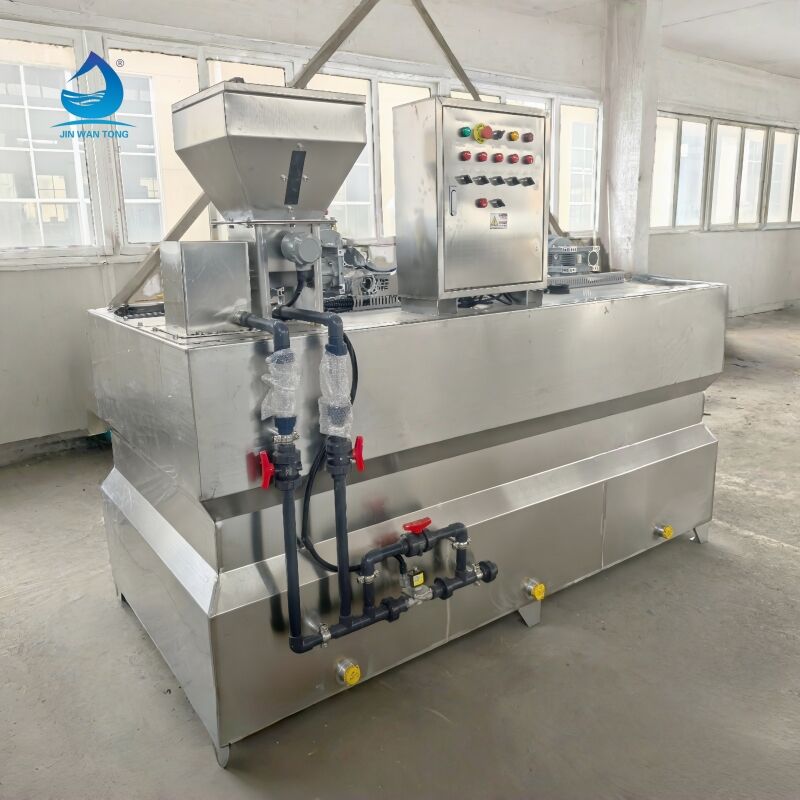
Технология мембранного биореактора представляет собой смену парадигмы в очистке сточных вод, фундаментально изменяя подход промышленных и муниципальных объектов к управлению качеством сточных вод. Когда среда сброса требует исключительно высоких стандартов качества воды, таких как чувствительные водные экосистемы, зоны пополнения грунтовых вод или строгие нормативные рамки, обычные системы очистки часто не достигают необходимых уровней очистки. MBR эта технология устраняет указанные ограничения за счёт комплексного биологического и физического метода очистки, обеспечивающего стабильно высокое качество очищенной воды.
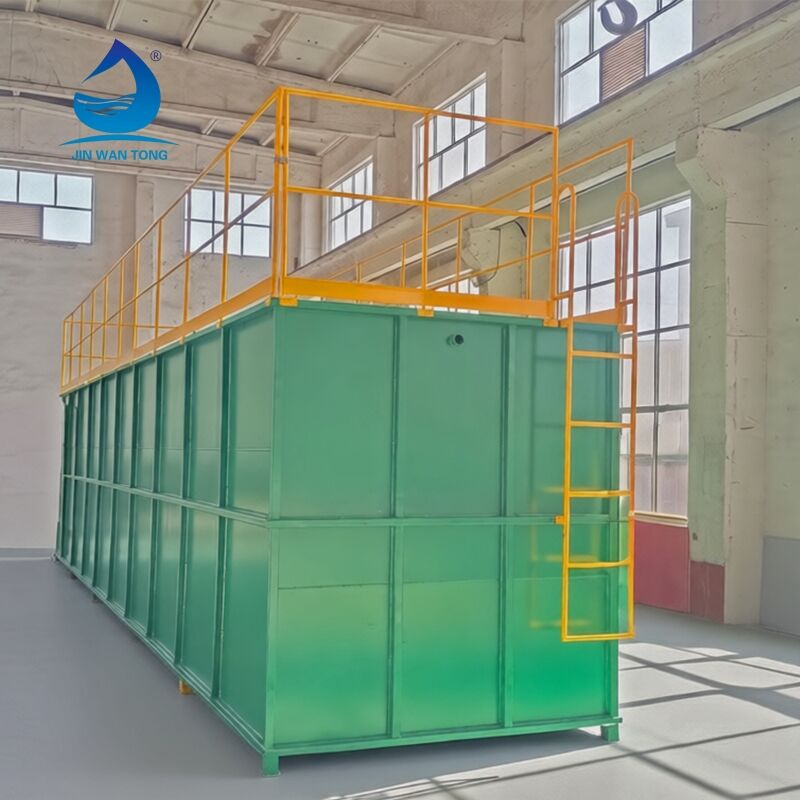
Механизм превосходной производительности МБР заключается в уникальном сочетании биологической очистки с мембранной ультрафильтрацией. В отличие от традиционных систем активного ила, в которых разделение твёрдых частиц осуществляется исключительно за счёт гравитационного отстаивания, в системах МБР используются мембранные барьеры с размером пор, как правило, от 0,03 до 0,4 мкм. Такой физический барьер обеспечивает полное разделение очищенной воды и биомассы, позволяя полностью задерживать взвешенные вещества, бактерии, вирусы и большинство органических загрязнителей, при этом через мембранную структуру проходят только молекулы чистой воды.
Технология мембранных барьеров и механизмы удаления загрязняющих веществ
Физическая фильтрация на молекулярном уровне
Ключевым фактором высокого качества очищенной воды в системах MBR является их способность к мембранной фильтрации на молекулярном уровне. Ультрафильтрационные мембраны, применяемые в системах MBR, обладают точно спроектированной пористой структурой, которая физически задерживает частицы размером более 0,03 мкм при сохранении высокой проницаемости для воды. Этот механизм разделения по размеру обеспечивает полное удаление взвешенных твёрдых частиц, коллоидных частиц и большинства микроорганизмов, которые традиционные системы очистки не всегда способны удалять последовательно.
Конфигурация мембраны в системах MBR создаёт несколько слоёв фильтрации, повышающих эффективность удаления загрязняющих веществ. По мере прохождения сточных вод через поверхность мембраны более крупные частицы формируют динамический слой осадка («кейк-слой»), который обеспечивает дополнительную фильтрационную способность. Этот слой осадка действует как вторичный фильтр, улавливая более мелкие частицы и создавая механизм самоочистки, поддерживающий стабильное качество очищенной воды на протяжении всего цикла эксплуатации.
Современные системы MBR используют передовые мембранные материалы с гидрофильной поверхностной обработкой, устойчивой к загрязнению и обеспечивающей стабильную проницаемость в течение длительного времени. Такие модификации поверхности гарантируют неизменность характеристик мембран даже при обработке сложных составов сточных вод с высокой концентрацией органических веществ или трудноокисляемых соединений.
Интеграция усовершенствованной биологической очистки
Технология MBR повышает эффективность биологической очистки за счёт поддержания оптимальной концентрации биомассы внутри реактора. Мембранный барьер предотвращает вымывание биомассы, позволяя поддерживать концентрацию взвешенных твёрдых веществ в смеси (MLSS) на уровне 8000–15 000 мг/л по сравнению с 2000–4000 мг/л в традиционных системах. Повышенная концентрация биомассы значительно увеличивает ёмкость биологической очистки и скорость удаления органических соединений.
Полная способность систем MBR удерживать биомассу позволяет выращивать медленно растущие микроорганизмы, которые обычно вымываются из традиционных систем очистки. Эти специализированные микроорганизмы, включая нитрифицирующие бактерии и деструкторы сложных органических соединений, значительно повышают качество очищенной воды за счёт удаления соединений азота и устойчивых органических загрязнителей, с которыми традиционные системы не в состоянии эффективно справиться.
Синергетическое взаимодействие между мембранной сепарацией и биологической очисткой создаёт условия для усиленного удаления загрязняющих веществ. Высокая концентрация биомассы в сочетании с увеличенным временем удержания твёрдых веществ обеспечивает полную минерализацию органических соединений, в результате чего получается очищенная вода с чрезвычайно низкими значениями биохимической потребности в кислороде (БПК) и химической потребности в кислороде (ХПК), стабильно ниже 5 мг/л.
Устранение патогенов и микробиологическая безопасность
Полное удаление вирусов и бактерий
Барьер ультрафильтрационной мембраны в системах МБР обеспечивает полное удаление бактерий, вирусов и паразитов без необходимости применения дополнительных дезинфицирующих химических реагентов. Размер пор мембраны от 0,03 до 0,4 мкм создаёт физический барьер, препятствующий прохождению микроорганизмов размером от 0,5 мкм (бактерии) до 0,02 мкм (вирусы). Этот механизм физического удаления гарантирует стабильную элиминацию патогенов независимо от колебаний микробиологической нагрузки на входе.
Лабораторные испытания и полевые демонстрации последовательно показывают, что сток из систем МБР достигает логарифмического значения удаления более 6 для бактерий, 4 — для вирусов, а также обеспечивает полное устранение цист и ооцист паразитов. Эти показатели эффективности удаления превышают нормативные требования для чувствительных сбросов и устраняют необходимость в дополнительных процессах дезинфекции, которые могут приводить к образованию вредных побочных продуктов дезинфекции.
Возможности контроля целостности мембраны, заложенные в системах МБР, обеспечивают непрерывную проверку эффективности удаления патогенов. Испытания на снижение давления и методы подсчёта частиц позволяют операторам немедленно выявлять разрывы мембранных волокон, гарантируя стабильный уровень микробиологической безопасности на всём протяжении эксплуатации системы без необходимости периодического отбора проб методом «единичного отбора».
Устранение антибиотикоустойчивых микроорганизмов
Растущие озабоченности, связанные с наличием антибиотикоустойчивых бактерий в сточных водах, делают технологию МБР особенно ценной для задач сброса в чувствительные водоёмы. Физический барьер, обеспечиваемый ультрафильтрационными мембранами, полностью удаляет антибиотикоустойчивые бактерии независимо от механизмов их устойчивости, предотвращая их попадание в водоёмы-реципиенты, где они могли бы способствовать распространению генов устойчивости в окружающей среде.
Исследования показывают, что мембранные биореакторы (MBR) эффективно удаляют гены антибиотикорезистентности и мобильные генетические элементы, с которыми традиционные процессы очистки не в состоянии справиться в достаточной степени. Полное удержание биомассы и высокое время удержания твёрдых веществ (SRT) в системах MBR создают условия для деградации генов резистентности, одновременно предотвращая выброс резистентных микроорганизмов благодаря физическому барьеру мембраны.
Устранение антибиотикорезистентных микроорганизмов в результате обработки методом MBR обеспечивает критически важную защиту для последующих видов использования воды, особенно в тех случаях, когда очищенные сточные воды в конечном итоге могут попасть в источники питьевой воды или рекреационные водоёмы, где необходимо минимизировать риски воздействия на человека.
Удаление сложных органических соединений и контроль следовых загрязнителей
Удаление фармацевтических и косметических средств
Системы MBR демонстрируют превосходную эффективность удаления фармацевтических соединений и косметических средств товары которые традиционные системы очистки не в состоянии эффективно устранить. Сочетание увеличенного времени удержания твёрдых частиц и высокой концентрации биомассы создаёт оптимальные условия для биодеградации сложных органических молекул, включая гормоны, антибиотики и эндокринно-активные соединения, представляющие угрозу для водных экосистем.
Мембранный барьер предотвращает выброс сорбированных фармацевтических соединений, которые могут временно удерживаться на биомассе, но не подвергаться полной биодеградации. Такое полное удержание гарантирует, что следовые органические соединения подвергаются полной минерализации, а не сбрасываются в частично трансформированном виде, который может сохранять биологическую активность или токсичность.
Современные конфигурации мембранно-биореакторов (MBR) с дополнительными стадиями очистки, такими как контактные фильтры с активированным углём или процессы продвинутого окисления, позволяют достичь эффективности удаления большинства фармацевтических соединений свыше 95 %. Стабильно высокое качество очищенной воды на биологической стадии мембранно-биореакторной очистки создаёт оптимальные условия для работы этих финишных технологий и обеспечивает максимальную эффективность удаления загрязняющих веществ.
Удержание промышленных химических веществ и тяжёлых металлов
Повышенная концентрация биомассы и мембранный барьер в системах MBR обеспечивают превосходное удаление тяжёлых металлов и промышленных химических веществ за счёт нескольких механизмов. Накопление в высокоплотной биомассе (биоаккумуляция), реакции осаждения и физическое удержание мембраной создают избыточные пути удаления, гарантирующие стабильное устранение следовых загрязнителей.
Полная способность мембранно-биореакторных (MBR) систем удерживать твердые частицы предотвращает периодическое выделение накопившихся загрязняющих веществ, которое наблюдается в традиционных системах во время вспучивания осадка или гидравлических нарушений. Эта эксплуатационная стабильность гарантирует неизменное качество очищенной воды даже при сложных условиях эксплуатации или изменении состава поступающих стоков.
MBR-системы, обрабатывающие промышленные сточные воды, последовательно обеспечивают концентрации тяжелых металлов в конечном очищенном стоке ниже пределов обнаружения, обеспечивая защиту чувствительных водоемов-реципиентов, где необходимо предотвратить биоаккумуляцию в водных организмах для сохранения экологической целостности.
Эффективность удаления питательных веществ и предотвращение эвтрофикации
Усовершенствованные пути удаления азота
Эксплуатационная гибкость систем MBR позволяет реализовывать передовые стратегии удаления азота, обеспечивающие концентрацию общего азота в конечном стоке ниже 3 мг/л. Мембранный барьер обеспечивает независимый контроль времени гидравлического удержания и времени удержания твёрдых частиц, создавая оптимальные условия для полной нитрификации и денитрификации в одном реакторе.
В системах MBR одновременные процессы нитрификации и денитрификации происходят благодаря наличию аэробных и аноксических зон, формирующихся за счёт градиентов плотности биомассы и ограничений переноса кислорода. Этот процесс обеспечивает удаление азота без необходимости использования отдельных реакторов или сложных систем технологического управления, упрощая эксплуатацию при одновременном достижении высокой эффективности удаления.
Высокая концентрация биомассы, поддерживаемая в системах МБР, способствует развитию популяций специализированных бактерий, удаляющих азот, включая аммиак-окисляющие бактерии, нитрит-окисляющие бактерии и денитрифицирующие микроорганизмы. Эти разнообразные микробные сообщества действуют синергетически, обеспечивая полное превращение азота из аммиака в молекулярный азот и предотвращая эвтрофикацию чувствительных водоёмов-реципиентов.
Контроль фосфора и избыточное поглощение
Системы МБР могут быть настроены для повышения биологического удаления фосфора за счёт культивирования организмов, накапливающих фосфор, в условиях высокой плотности биомассы. Возможность оперативного управления процессом, обеспечиваемая мембранной сепарацией, позволяет создавать анаэробные и аэробные условия, способствующие избыточному поглощению и накоплению фосфора внутри бактериальных клеток.
Мембранный барьер обеспечивает полное удержание биомассы, насыщенной фосфором, предотвращая высвобождение накопленного фосфора при разложении биомассы или сбоях в работе. Этот механизм удержания гарантирует стабильную эффективность удаления фосфора независимо от сезонных колебаний или эксплуатационных трудностей, которые могут влиять на традиционные биологические системы удаления фосфора.
Химическое осаждение фосфора может быть интегрировано с биологической обработкой в мембранном биореакторе (MBR) для достижения концентрации общего фосфора ниже 0,1 мг/л, когда это требуется для сверхчувствительных сбросов. Мембранный барьер препятствует прохождению осаждённых соединений фосфора в очищенный сток, обеспечивая полное удержание фосфора вне зависимости от колебаний эффективности осаждения.
Эксплуатационная стабильность и соответствие нормативным требованиям
Стабильность процесса при изменяющихся условиях
Технология MBR обеспечивает беспрецедентную эксплуатационную стабильность, гарантирующую стабильное качество очищенной воды независимо от колебаний расхода или изменений состава поступающих стоков. Мембранный барьер создаёт абсолютное разделение, предотвращающее вымывание биомассы при гидравлических всплесках и сохраняющее способность биологической очистки даже во время пиковых расходов, которые привели бы к снижению эффективности традиционных систем.
Разделение времени гидравлического удержания и времени удержания твёрдых частиц в системах MBR позволяет операторам поддерживать оптимальные биологические условия при одновременном учёте переменных гидравлических нагрузок. Эта эксплуатационная гибкость обеспечивает соответствие качества очищенной воды установленным нормативным требованиям даже в сложных эксплуатационных ситуациях, включая сброс промышленных стоков или сезонные колебания расхода.
Независимость процесса мембранной фильтрации от температуры обеспечивает стабильность показателей удаления загрязнений в системах MBR в течение всего года, несмотря на сезонные колебания температуры, которые существенно снижают эффективность биологической очистки в традиционных системах. Такая эксплуатационная стабильность гарантирует предсказуемое качество очищенной воды, что позволяет надёжно соблюдать строгие требования к сбросу сточных вод.
Мониторинг и контроль качества в реальном времени
Современные системы MBR оснащены возможностями непрерывного контроля, обеспечивающими оперативную проверку параметров качества очищенной воды, включая мутность, подсчёт частиц и целостность мембраны. Эти системы мониторинга позволяют немедленно выявлять отклонения в работе и запускать автоматические корректирующие действия для поддержания стабильного качества очищенной воды без необходимости ручного вмешательства.
Предсказуемые эксплуатационные характеристики технологии MBR позволяют внедрять автоматизированные системы управления, оптимизирующие рабочие параметры для достижения максимального качества очищенной воды при одновременном минимизации энергопотребления и эксплуатационных затрат. Эти системы управления могут регулировать скорость фильтрации через мембраны, условия биологической очистки и циклы промывки, обеспечивая оптимальную производительность в условиях изменяющихся эксплуатационных режимов.
Возможности комплексного сбора данных и построения трендов обеспечивают документирование стабильного соответствия требованиям к сбросу сточных вод, что поддерживает подготовку отчётов для регулирующих органов и позволяет планировать профилактическое обслуживание заблаговременно — до того, как снижение эффективности начнёт негативно влиять на качество очищенной воды.
Часто задаваемые вопросы
Что делает качество очищенной воды по технологии MBR превосходящим по сравнению с традиционными системами очистки?
Системы MBR обеспечивают превосходное качество очищенной воды за счёт сочетания барьеров ультрафильтрационных мембран, физически удаляющих частицы размером до 0,03 мкм, и усиленной биологической очистки при концентрации биомассы в 3–5 раз выше, чем в традиционных системах. Такой двойной подход гарантирует полное удаление взвешенных веществ, бактерий, вирусов и большинства органических соединений при стабильной работе независимо от колебаний эксплуатационных параметров.
Могут ли системы MBR соответствовать самым строгим требованиям к сбросу сточных вод в чувствительных экологических зонах?
Да, технология MBR последовательно обеспечивает качество очищенной воды, превышающее самые строгие нормативные требования к сбросу, включая содержание взвешенных веществ менее 1 мг/л, БПК — менее 2 мг/л и полное удаление патогенов без применения химической дезинфекции. Физический мембранный барьер обеспечивает абсолютное удаление загрязняющих веществ, что гарантирует соответствие требованиям к сбросу в особо чувствительные объекты, включая пополнение запасов грунтовых вод и прямое повторное использование воды в питьевых целях.
Как технология MBR решает проблему появляющихся загрязнителей в сточных водах?
Системы MBR обеспечивают повышенное удаление появляющихся загрязнителей, включая фармацевтические препараты, средства личной гигиены и бактерии, устойчивые к антибиотикам, за счёт увеличенного времени контакта при биологической очистке, высокой концентрации биомассы и физического задержания на мембране. Сочетание биодеградации и физического удаления гарантирует, что следовые органические соединения и устойчивые микроорганизмы удаляются, а не попадают в чувствительные водоёмы-реципиенты.
Какие эксплуатационные преимущества предоставляет технология MBR для поддержания стабильного качества очищенной воды?
Технология MBR обеспечивает эксплуатационные преимущества, включая независимость от характеристик осаждения, устойчивость к вспучиванию активного ила, стабильную производительность при колебаниях расхода и мониторинг целостности мембраны в реальном времени. Эти особенности гарантируют, что качество очищенной воды остаётся в пределах установленных норм независимо от изменений в составе поступающих стоков или эксплуатационных трудностей, которые могли бы нарушить работу традиционных систем очистки.
Содержание
- Технология мембранных барьеров и механизмы удаления загрязняющих веществ
- Устранение патогенов и микробиологическая безопасность
- Удаление сложных органических соединений и контроль следовых загрязнителей
- Эффективность удаления питательных веществ и предотвращение эвтрофикации
- Эксплуатационная стабильность и соответствие нормативным требованиям
-
Часто задаваемые вопросы
- Что делает качество очищенной воды по технологии MBR превосходящим по сравнению с традиционными системами очистки?
- Могут ли системы MBR соответствовать самым строгим требованиям к сбросу сточных вод в чувствительных экологических зонах?
- Как технология MBR решает проблему появляющихся загрязнителей в сточных водах?
- Какие эксплуатационные преимущества предоставляет технология MBR для поддержания стабильного качества очищенной воды?