 EN
EN
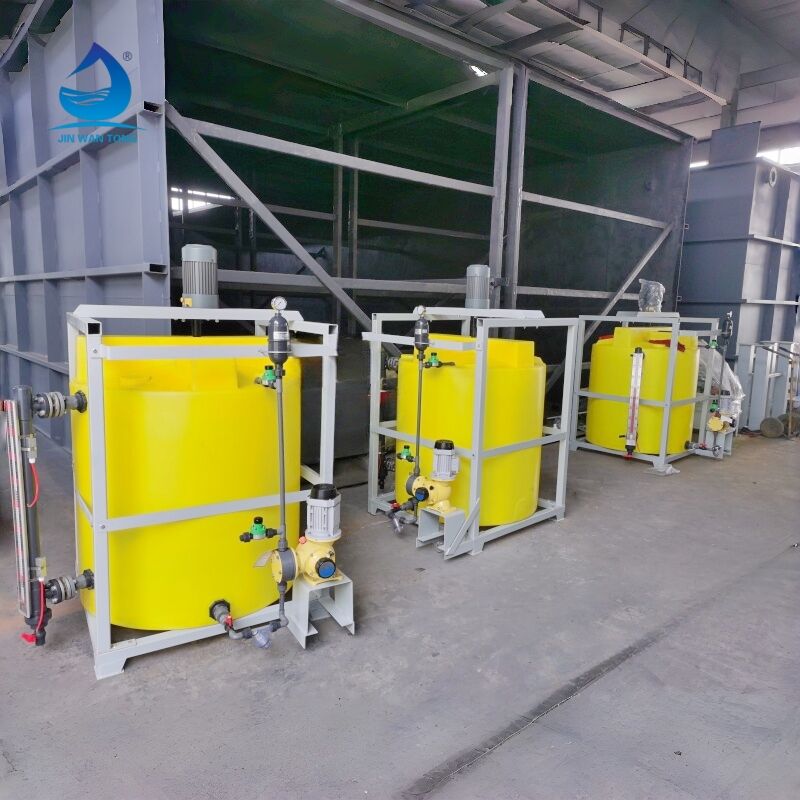
Понимание финансового воздействия решений в области очистки сточных вод имеет решающее значение для руководителей эксплуатационных служб и инженеров-экологов, стремящихся к экономически эффективной эксплуатации. Технология MBBR (Реактор с подвижной биопленкой) представляет собой значительный прогресс в системах биологической очистки, обеспечивая существенную экономию эксплуатационных затрат по сравнению с традиционными методами очистки сточных вод. Такая экономия достигается за счёт снижения энергопотребления, уменьшения требований к техническому обслуживанию, сокращения занимаемой площади и повышения эффективности очистки, что напрямую приводит к снижению эксплуатационных расходов на различных объектах.
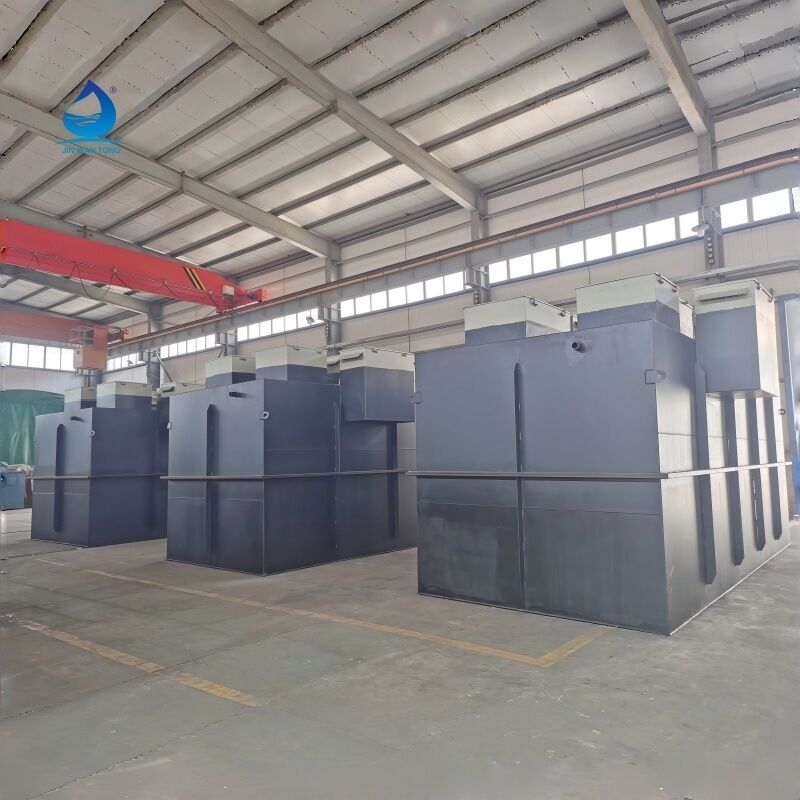
Эксплуатационная экономия, достигаемая благодаря технологии MBBR, обусловлена её инновационной конструкцией, объединяющей преимущества процессов биологической очистки с взвешенной и прикреплённой биомассой. Такой гибридный подход устраняет многие дорогостоящие эксплуатационные проблемы, характерные для традиционных систем активного ила, сохраняя при этом высокие показатели эффективности очистки. Объекты, внедряющие Технология MBBR обычно сразу же отмечают снижение затрат на энергию, расхода химикатов и трудозатрат, что делает данное решение привлекательной инвестицией как для новых установок, так и для модернизации существующих систем.
Снижение потребления энергии
Сниженные требования к аэрации
Технология MBBR существенно снижает энергопотребление за счёт оптимизации эффективности передачи кислорода. Носители биоплёнки создают защищённую среду для микроорганизмов, позволяя им активно развиваться при более низких концентрациях растворённого кислорода по сравнению с традиционными системами. Данная особенность позволяет предприятиям сократить энергозатраты на аэрацию на 20–30 % при сохранении эквивалентных или даже улучшенных показателей очистки. Повышенная эффективность использования кислорода означает, что воздуходувки работают с пониженной нагрузкой, что напрямую снижает потребление электроэнергии и связанные с этим эксплуатационные расходы.
Непрерывное движение носителей биопленки внутри реактора создает естественные режимы перемешивания, которые улучшают распределение кислорода по всей зоне очистки. Такое перемешивание снижает необходимость в дополнительном механическом оборудовании для перемешивания, что дополнительно способствует экономии энергии. Предприятия сообщают, что естественная турбулентность, генерируемая Технология MBBR устраняет необходимость в отдельных системах перемешивания во многих применениях, что приводит к дополнительным сокращениям эксплуатационных затрат и упрощению управления системой.
Снижение энергопотребления насосов
Традиционные системы очистки сточных вод зачастую требуют интенсивной перекачки для рециркуляции осадка и удаления избыточного активного ила. Технология MBBR работает с минимальным образованием осадка и исключает необходимость в перекачке рециркулируемого активного ила, снижая энергозатраты на перекачку примерно на 25–40 %. Такое снижение достигается благодаря тому, что биомасса остается прикрепленной к носителям, а не находится во взвешенном состоянии в водяном столбе, что устраняет дорогостоящие процессы рециркуляции осадка.
Компактная конструкция Технология MBBR также снижает гидравлические потери напора по всей системе очистки, что позволяет насосам работать более эффективно. Снижение требований к напору напрямую приводит к сокращению затрат на перекачку, поскольку насосы могут функционировать в точках оптимальной эффективности, а не преодолевать чрезмерное гидравлическое сопротивление системы. Эти энергосберегающие эффекты накапливаются со временем, обеспечивая существенные операционные экономические преимущества на протяжении всего жизненного цикла системы.
Снижение затрат на техническое обслуживание и трудозатраты
Упрощение эксплуатации системы
Прочная конструкция Технология MBBR значительно снижает потребность в техническом обслуживании по сравнению с традиционными системами очистки. Носители биоплёнки рассчитаны на длительный срок службы и, как правило, служат 10–15 лет без замены, что исключает регулярные расходы на замену загрузки. Отсутствие сложных механических компонентов — таких как механизмы отстойников, насосы рециркуляции осадка и оборудование для удаления избыточного активного ила — снижает сложность технического обслуживания и связанные с ним трудозатраты.
Операторы отмечают, что Технология MBBR требует минимального ежедневного внимания, поскольку система естественным образом поддерживает стабильные биологические популяции без постоянного контроля и корректировки. Такая простота эксплуатации позволяет объектам сократить штат персонала или перераспределить сотрудников на другие важные задачи. Стабильные эксплуатационные характеристики систем MBBR снижают необходимость частой корректировки технологического процесса, лабораторных анализов и устранения неисправностей — мероприятий, требующих значительных трудозатрат в традиционных системах.
Снижение износа оборудования и потребности в его замене
Мягкое перемешивание, присущее Технология MBBR снижает механическую нагрузку на компоненты системы, увеличивая срок службы оборудования и снижая затраты на его замену. В отличие от систем с интенсивным механическим перемешиванием или высоконапряжёнными средами, системы MBBR функционируют при минимальном износе насосов, воздуходувок и другого механического оборудования. Такой щадящий режим работы обеспечивает увеличение интервалов между техническим обслуживанием и снижение потребности в запасных частях.
Отсутствие отстойников и оборудования для осветления во многих Технология MBBR применениях устраняет эксплуатационные расходы, связанные с приводами осветлителей, скребками и механизмами удаления осадка. Эти сложные механические системы требуют регулярной смазки, выравнивания и замены компонентов на традиционных объектах. Системы MBBR полностью исключают необходимость в таком обслуживании, обеспечивая существенную долгосрочную экономию за счёт снижения сложности оборудования и объёма технического обслуживания.
Использование площади и экономия на инфраструктуре
Преимущества компактного размещения
Высокая плотность биомассы, достижимая с помощью Технология MBBR позволяет значительно уменьшить объём реакторов по сравнению с традиционными системами очистки. Эта компактность обеспечивает снижение капитальных затрат при строительстве новых объектов и даёт возможность существующим объектам увеличить мощность очистки без масштабного расширения инфраструктуры. Компактная конструкция требует на 50–70 % меньше площади, чем сопоставимые системы активного ила, что позволяет существенно сократить расходы на приобретение земельных участков, земляные работы и строительство.
Уменьшенный размер площади Технология MBBR также минимизирует текущие эксплуатационные расходы, связанные с техническим обслуживанием, уборкой и охраной объекта. Для меньших зон очистки требуется меньше освещения, отопления и общего технического обслуживания, что способствует снижению коммунальных расходов и уменьшению трудозатрат на поддержание объекта в рабочем состоянии. Эти экономии, обусловленные компактностью размещения, сохраняются на протяжении всего срока эксплуатации системы очистки и обеспечивают накопительный экономический эффект с течением времени.
Преимущества интеграции в инфраструктуру
Модульная конструкция Технология MBBR позволяет поэтапно внедрять и расширять систему, снижая первоначальные капитальные затраты и обеспечивая соответствие мощности очистки реальному росту спроса. Такая гибкость предотвращает избыточные инвестиции в очистные мощности и позволяет эксплуатирующим организациям оптимизировать размер системы под текущие потребности при сохранении возможности её последующего расширения. Возможность постепенного наращивания очистных мощностей снижает затраты на финансирование и улучшает сроки окупаемости инвестиций.
Существующие объекты зачастую могут интегрировать Технология MBBR в текущую инфраструктуру без существенных модификаций, что снижает затраты на реконструкцию и минимизирует перерывы в работе в период монтажа. Совместимость с существующими резервуарами и трубопроводными системами обеспечивает экономически эффективную модернизацию, позволяющую использовать уже сделанные инвестиции в инфраструктуру и одновременно достичь более высоких показателей очистки и эксплуатационной экономии.
Снижение затрат на химикаты и расходные материалы
Исключение необходимости дозирования химикатов
Традиционные системы очистки сточных вод зачастую требуют добавления химических реагентов для коагуляции, флокуляции и коррекции pH с целью обеспечения стабильной работы. Технология MBBR работает эффективно без многих из этих химических реагентов, поскольку среда биопленки естественным образом поддерживает оптимальные условия для биологических процессов очистки. Исключение систем дозирования химических реагентов снижает как затраты на закупку химикатов, так и эксплуатационные расходы, связанные с хранением, обращением с химическими веществами и техническим обслуживанием оборудования для их дозирования.
Стабильная биологическая среда внутри Технология MBBR системы снижают потребность в дополнительных питательных веществах и буферных химикатах, обычно требуемых в традиционных системах. Защищённая среда биоплёнки поддерживает разнообразные микробные популяции, способные адаптироваться к изменяющимся условиям поступающих стоков без внешней химической поддержки. Эта биологическая устойчивость приводит к сокращению расхода химикатов и устраняет затраты, связанные с устройством складов для хранения химикатов, приобретением средств индивидуальной защиты и специальными процедурами обращения с ними.
Снижение затрат на удаление осадка
Одна из наиболее значительных эксплуатационных экономий от Технология MBBR достигается за счёт резкого сокращения образования осадка. Эффективные биологические процессы в биоплёнке образуют на 40–60 % меньше избыточного осадка по сравнению с традиционными системами активного ила. Это сокращение напрямую приводит к снижению затрат на удаление осадка, которые зачастую составляют 25–40 % совокупных эксплуатационных расходов на традиционных очистных сооружениях сточных вод.
Снижение объёма образующегося осадка Технология MBBR также устраняет необходимость в дорогостоящем оборудовании для уплотнения и обезвоживания осадка во многих областях применения. Более мелкие объемы осадка зачастую можно обрабатывать с помощью простого гравитационного уплотнения или периодических услуг по его удалению, избегая капитальных и эксплуатационных затрат, связанных с механическими системами обезвоживания. Эти экономии включают снижение расхода полимеров, затрат на техническое обслуживание оборудования и трудозатрат на операции по обращению с осадком.
Эффективность работы и оптимизация затрат
Повышенная стабильность очистки
Врождённая стабильность Технология MBBR снижает эксплуатационные затраты, связанные с нарушениями технологического процесса и процедурами восстановления. Защищённая среда биоплёнки поддерживает активные биологические популяции даже при неблагоприятных условиях, таких как токсические ударные нагрузки или продолжительные периоды низкого притока. Такая устойчивость устраняет затраты, связанные с восстановлением работы системы, включая добавление вспомогательных реагентов, увеличение продолжительности аэрации и возможные нарушения требований к сбросу.
Предприятия, использующие Технология MBBR сообщают о меньшем количестве случаев неудачного лечения и снижении вариабельности качества очищенной воды. Такая стабильная работа сокращает необходимость в экстренных вмешательствах, сверхурочной работе персонала и дорогостоящих корректировках технологического процесса, которые могут существенно повлиять на операционные бюджеты. Предсказуемая работа систем MBBR позволяет более точно планировать бюджет и снижает резервные расходы, обычно выделяемые на чрезвычайные ситуации в процессе очистки.
Оптимизированный контроль процесса
Саморегулирующийся характер Технология MBBR снижает потребность в сложных системах управления процессом и связанной с ними измерительной аппаратуре. Биологические процессы естественным образом реагируют на изменяющиеся нагрузки без необходимости в сложных алгоритмах управления или частом вмешательстве оператора. Такая простота снижает как первоначальные затраты на приобретение измерительного оборудования, так и текущие расходы на его калибровку и техническое обслуживание, связанные со сложными системами управления.
Продвинутый Технология MBBR установки часто включают интеллектуальные системы мониторинга, которые оптимизируют производительность и одновременно сводят к минимуму потребность в вмешательстве операторов. Эти системы автоматически корректируют эксплуатационные параметры для поддержания оптимальной производительности, снижая трудозатраты и повышая эффективность. Интеграция интеллектуальных систем управления позволяет объектам функционировать с минимальной численностью персонала при сохранении высокого качества очистки и максимизации экономии эксплуатационных затрат.
Часто задаваемые вопросы
Как быстро объекты смогут ожидать получения эксплуатационной экономии после внедрения технологии MBBR?
Большинство объектов начинают получать операционную экономию сразу после ввода в эксплуатацию технологии MBBR, а снижение энергопотребления, как правило, становится заметным уже в течение первого месяца работы. Полная оптимизация эксплуатации обычно достигается в течение 3–6 месяцев по мере формирования биологических популяций и освоения персоналом упрощённых требований к эксплуатации. Наиболее значительная экономия на техническом обслуживании и химикатах проявляется спустя первый год эксплуатации, поскольку традиционные компоненты систем больше не требуются.
Каков типичный срок окупаемости операционной экономии, достигаемой за счёт технологии MBBR?
Срок окупаемости инвестиций в технологии MBBR зависит от размера объекта и местных тарифов на коммунальные услуги, однако большинство объектов полностью окупают затраты исключительно за счёт эксплуатационной экономии в течение 3–7 лет. Экономия энергии обычно составляет 40–50 % от общего снижения эксплуатационных расходов, а дополнительную выгоду обеспечивают сокращение затрат на техническое обслуживание, реагенты и утилизацию осадка. Объекты с высокими затратами на энергию или дорогой утилизацией осадка зачастую достигают более короткого срока окупаемости — 2–4 года.
Можно ли модернизировать существующие очистные сооружения сточных вод путём внедрения технологии MBBR для достижения указанной эксплуатационной экономии?
Да, большинство существующих очистных сооружений могут успешно модернизировать свои системы с применением технологии MBBR для достижения значительной экономии в эксплуатации. Эта технология разработана таким образом, чтобы интегрироваться с уже существующими резервуарами и инфраструктурой, минимизируя затраты на модернизацию и одновременно максимизируя эксплуатационные преимущества. Проекты модернизации, как правило, занимают от 2 до 4 месяцев и зачастую могут быть выполнены без остановки текущих процессов очистки, что делает данное решение привлекательным для объектов, стремящихся к немедленному повышению эффективности эксплуатации.
Сохраняются ли эксплуатационные выгоды от применения технологии MBBR в различных областях очистки сточных вод?
Хотя конкретные проценты экономии варьируются в зависимости от характеристик поступающих стоков и местных условий, технология MBBR последовательно обеспечивает эксплуатационную экономию в системах очистки сточных вод муниципального, промышленного и коммерческого назначения. В промышленных применениях зачастую достигаются более высокие проценты экономии благодаря сокращению потребности в химикатах и упрощению эксплуатации, тогда как муниципальные объекты, как правило, получают наибольшую выгоду от снижения энергозатрат и расходов на техническое обслуживание. Модульная конструкция систем MBBR гарантирует оптимальную производительность независимо от применение размера или типа.
Содержание
- Снижение потребления энергии
- Снижение затрат на техническое обслуживание и трудозатраты
- Использование площади и экономия на инфраструктуре
- Снижение затрат на химикаты и расходные материалы
- Эффективность работы и оптимизация затрат
-
Часто задаваемые вопросы
- Как быстро объекты смогут ожидать получения эксплуатационной экономии после внедрения технологии MBBR?
- Каков типичный срок окупаемости операционной экономии, достигаемой за счёт технологии MBBR?
- Можно ли модернизировать существующие очистные сооружения сточных вод путём внедрения технологии MBBR для достижения указанной эксплуатационной экономии?
- Сохраняются ли эксплуатационные выгоды от применения технологии MBBR в различных областях очистки сточных вод?