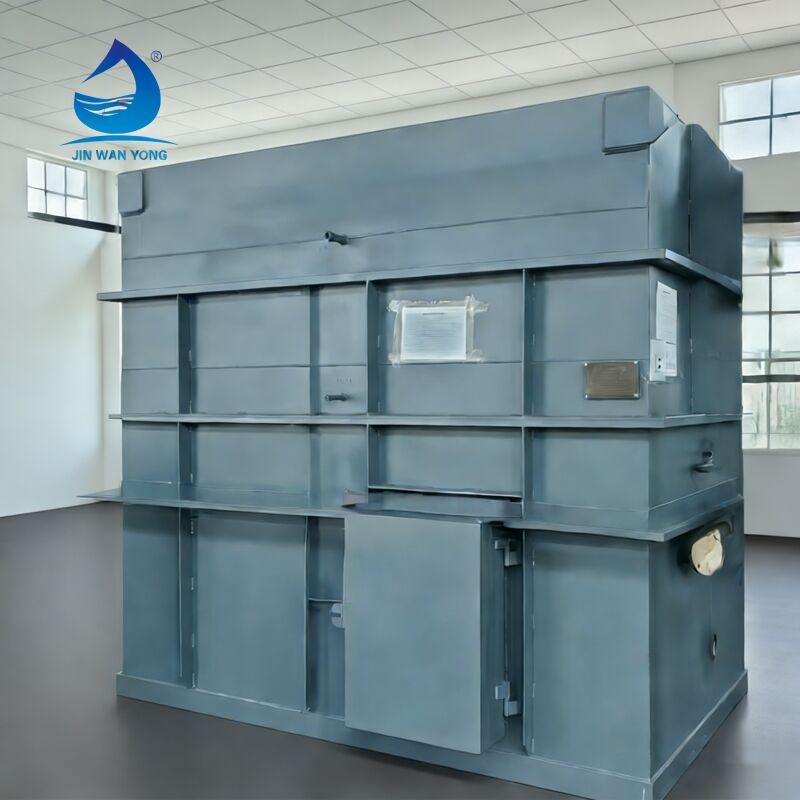
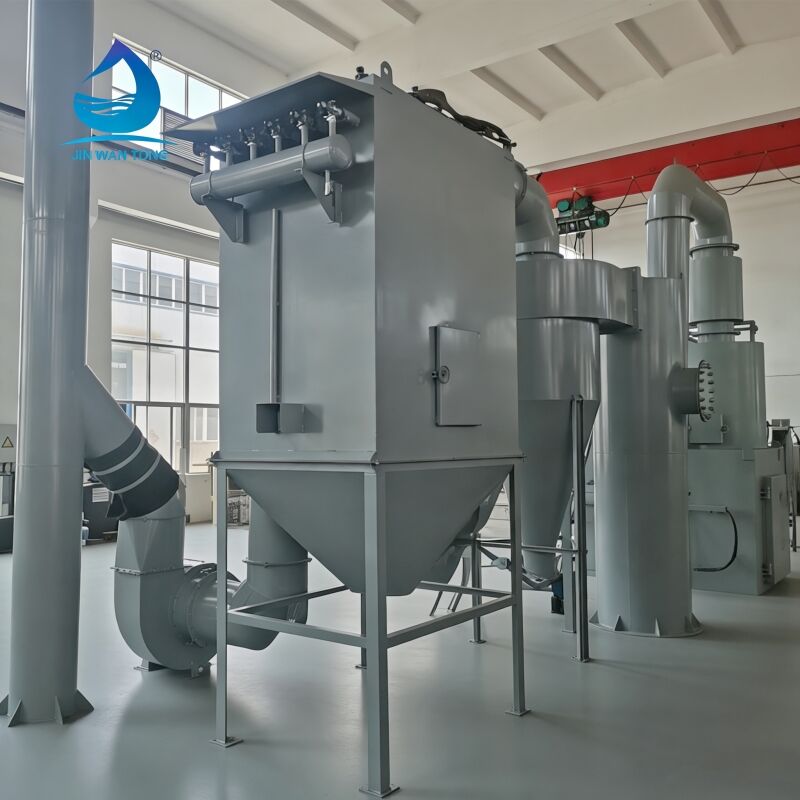
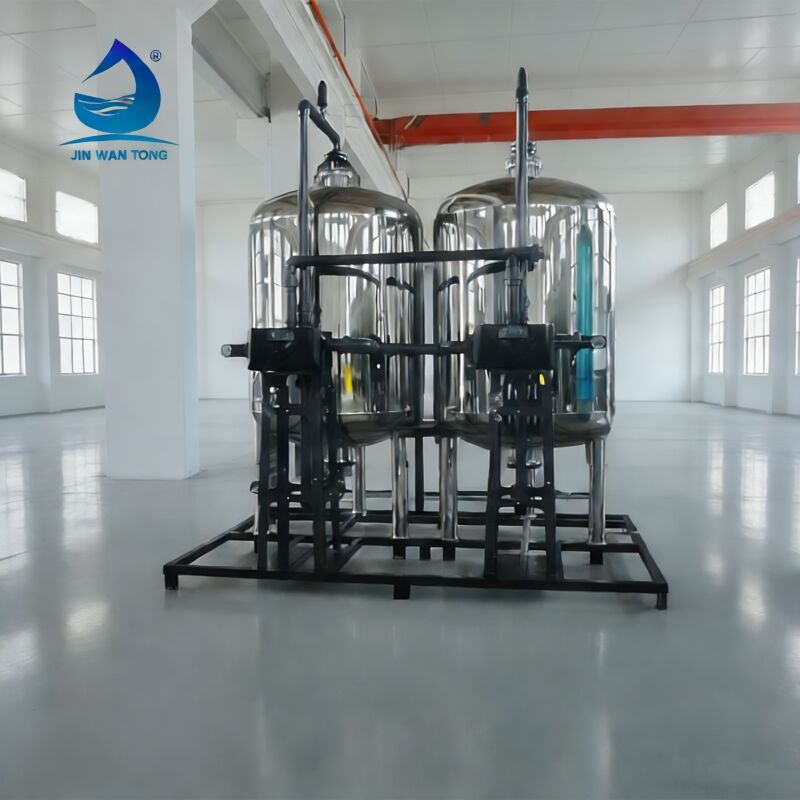
Industrial Wastewater Treatment Plant Equipment - Advanced Solutions for Efficient Water Purification

All Categories

Get a Free Quote

Our representative will contact you soon.
Email
Name
Company Name
Message
0/1000

industrial wastewater treatment plant equipment

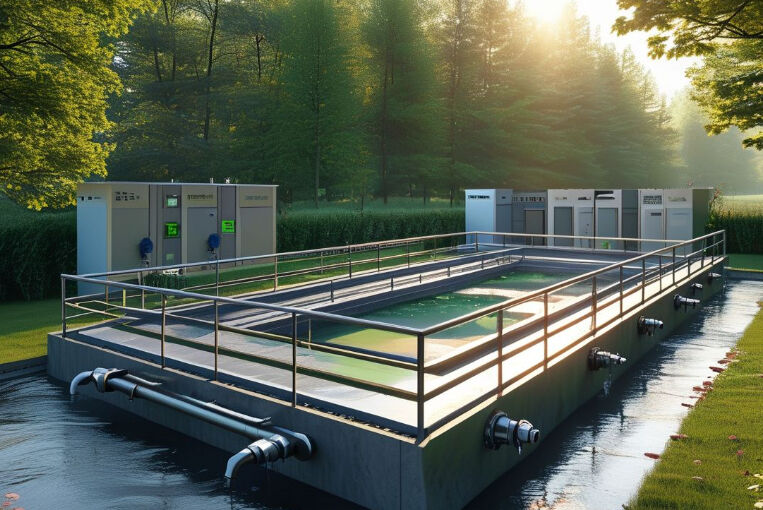
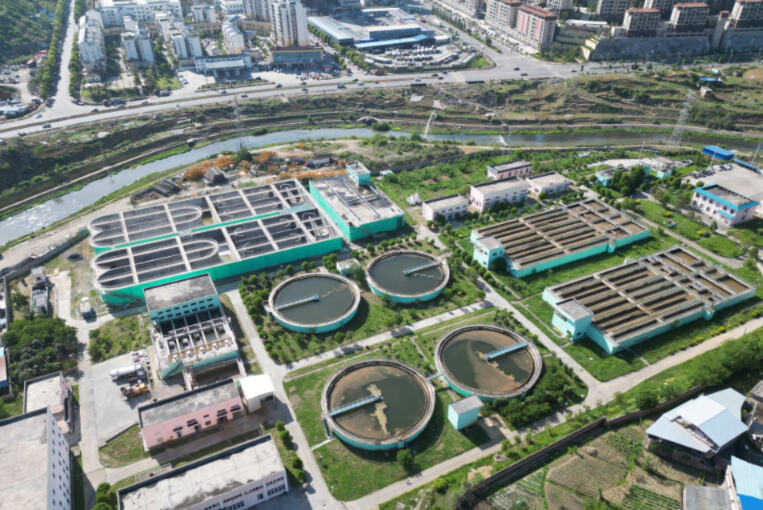
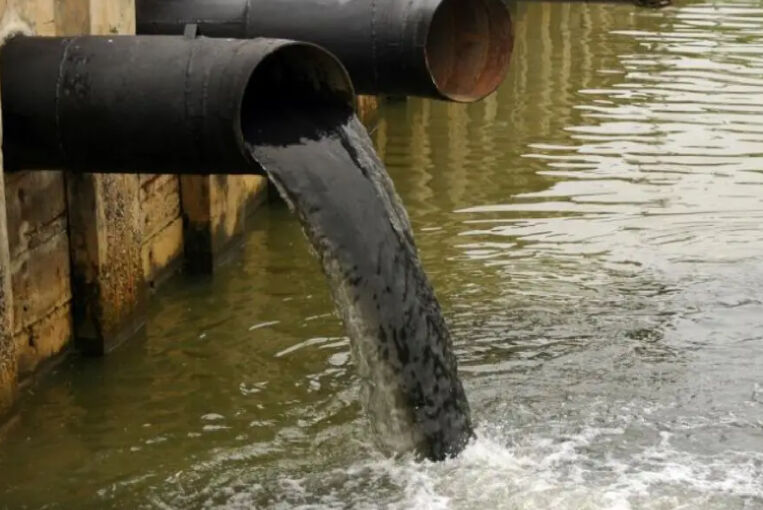
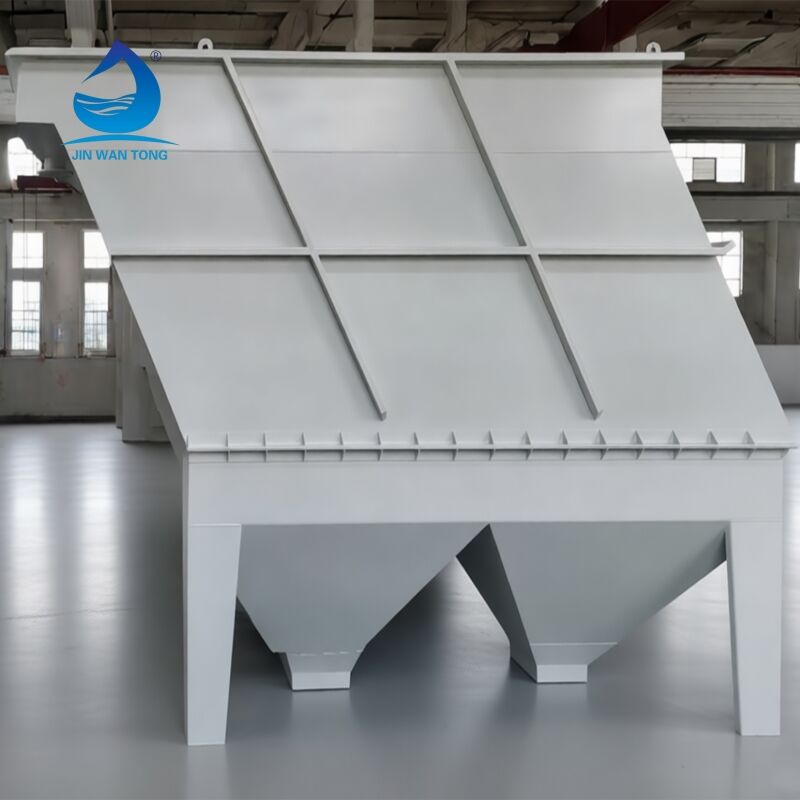
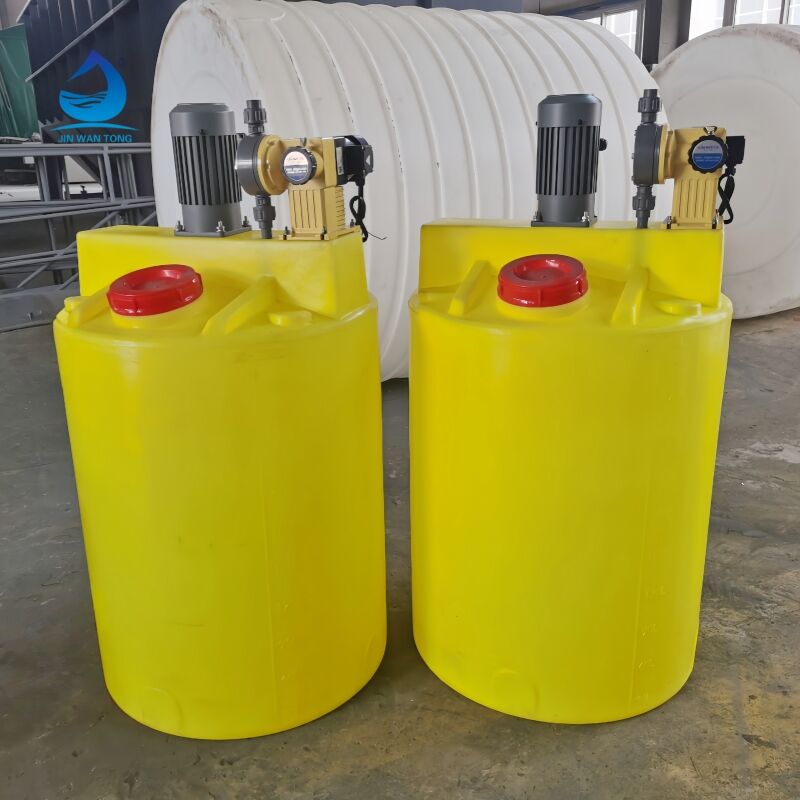
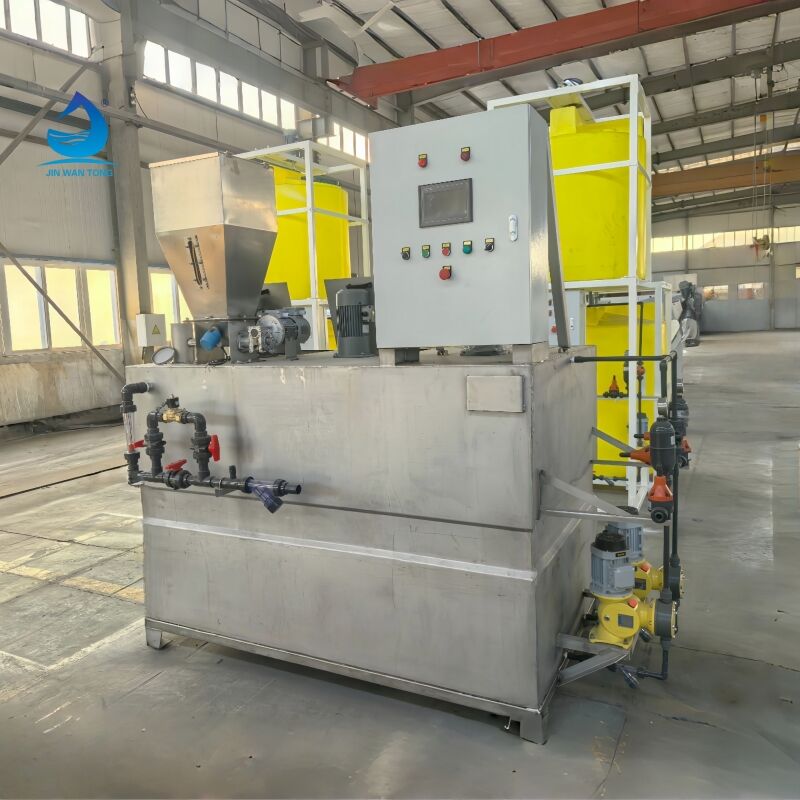
Industrial wastewater treatment plant equipment represents a comprehensive collection of specialized machinery and systems designed to purify contaminated water from manufacturing facilities, chemical plants, and various production environments. This sophisticated equipment transforms hazardous industrial effluent into clean water that meets environmental discharge standards or enables water reuse within industrial processes. The primary function of industrial wastewater treatment plant equipment involves removing suspended solids, dissolved chemicals, heavy metals, oils, and other harmful contaminants through multiple treatment stages. These systems typically incorporate physical separation methods, biological treatment processes, and advanced chemical treatments to achieve optimal water quality results. The technological features of modern industrial wastewater treatment plant equipment include automated monitoring systems, programmable logic controllers, and real-time data analysis capabilities that ensure consistent performance and regulatory compliance. Advanced filtration technologies such as membrane bioreactors, reverse osmosis systems, and ultrafiltration units provide enhanced contaminant removal efficiency. The equipment also features energy-efficient pumps, variable frequency drives, and optimized aeration systems that minimize operational costs while maximizing treatment effectiveness. Applications for industrial wastewater treatment plant equipment span across numerous sectors including pharmaceutical manufacturing, food processing, textile production, metal finishing, petrochemical refining, and pulp and paper manufacturing. Each application requires customized equipment configurations to address specific contaminant profiles and discharge requirements. The equipment handles various waste streams including process water, cooling tower blowdown, equipment cleaning water, and stormwater runoff. Modern systems incorporate smart sensors and IoT connectivity that enable remote monitoring and predictive maintenance capabilities, ensuring optimal performance and minimizing downtime for industrial operations.

New Products

Industrial wastewater treatment plant equipment delivers significant cost savings for businesses by enabling water recycling and reuse, which reduces fresh water consumption and lowers utility expenses. Companies typically reduce their water costs by thirty to fifty percent after implementing comprehensive treatment systems. The equipment also eliminates expensive discharge fees and potential environmental penalties by ensuring treated water meets all regulatory standards consistently. Operational efficiency improves dramatically through automated processes that require minimal manual intervention, freeing up staff resources for other critical tasks. The advanced monitoring systems prevent equipment failures through predictive maintenance alerts, reducing unexpected repair costs and production interruptions. Environmental compliance becomes straightforward with industrial wastewater treatment plant equipment that continuously monitors water quality parameters and automatically adjusts treatment processes to maintain discharge permit requirements. This eliminates the risk of regulatory violations and associated fines that can reach hundreds of thousands of dollars. The equipment protects local ecosystems by removing harmful pollutants before water discharge, supporting corporate sustainability goals and community relations. Modern systems feature modular designs that allow for easy capacity expansion as business operations grow, providing excellent return on investment over time. Energy efficiency features incorporated into contemporary industrial wastewater treatment plant equipment significantly reduce electricity consumption compared to older treatment methods. Variable speed drives, optimized aeration controls, and heat recovery systems minimize energy costs while maintaining superior treatment performance. The equipment also generates valuable byproducts such as biogas from anaerobic treatment processes, which can offset facility energy costs. Maintenance requirements are simplified through user-friendly interfaces and diagnostic systems that provide clear guidance for routine servicing. The robust construction of industrial components ensures long service life with minimal replacement needs, typically lasting fifteen to twenty years with proper maintenance. This durability provides excellent value compared to frequent equipment replacements or costly emergency repairs associated with inferior systems.

Latest News

Overview of the Agricultural Wastewater Treatment Market

17

Dec

Overview of the Agricultural Wastewater Treatment Market

View More
Global Real-Time Wastewater Treatment Update

17

Dec

Global Real-Time Wastewater Treatment Update

View More
Navigating the Waters: The Role of an Industrial Wastewater Treatment Plant

17

Dec

Navigating the Waters: The Role of an Industrial Wastewater Treatment Plant

View More

Get a Free Quote

Our representative will contact you soon.
Email
Name
Company Name
Message
0/1000

industrial wastewater treatment plant equipment

Advanced Automated Control Systems for Optimal Performance

Advanced Automated Control Systems for Optimal Performance

The sophisticated automated control systems integrated into modern industrial wastewater treatment plant equipment represent a revolutionary advancement in water treatment technology. These intelligent systems utilize state-of-the-art programmable logic controllers and human-machine interfaces to monitor, control, and optimize every aspect of the treatment process in real-time. The automation capabilities extend far beyond basic on-off controls, incorporating complex algorithms that analyze multiple water quality parameters simultaneously and make instantaneous adjustments to maintain optimal treatment conditions. These systems continuously monitor pH levels, dissolved oxygen content, turbidity, conductivity, and specific contaminant concentrations, automatically adjusting chemical dosing rates, aeration intensity, and flow rates to ensure consistent treatment performance. The advanced control systems feature predictive analytics capabilities that identify potential issues before they impact treatment effectiveness, enabling proactive maintenance and preventing costly system failures. Remote monitoring capabilities allow facility managers to oversee multiple treatment systems from centralized control rooms, receiving instant alerts and detailed performance reports through secure web-based interfaces. The automation reduces labor costs significantly by eliminating the need for constant manual monitoring and adjustments, while simultaneously improving treatment consistency and regulatory compliance. These systems also incorporate energy optimization algorithms that minimize power consumption by operating equipment at peak efficiency levels based on real-time demand and treatment requirements. The user-friendly interfaces provide intuitive operation for facility personnel, featuring graphical displays, trend analysis, and comprehensive reporting functions that simplify regulatory documentation and operational decision-making. Integration capabilities allow the industrial wastewater treatment plant equipment to communicate with existing facility management systems, creating seamless data flow and enabling comprehensive facility-wide optimization strategies that enhance overall operational efficiency and environmental performance.
Superior Contaminant Removal Technology for Maximum Efficiency

Superior Contaminant Removal Technology for Maximum Efficiency

The cutting-edge contaminant removal technology incorporated into industrial wastewater treatment plant equipment delivers unprecedented purification performance through innovative multi-stage treatment processes. These advanced systems combine physical, biological, and chemical treatment methods in precisely engineered sequences that target specific contaminants with remarkable efficiency. Membrane bioreactor technology represents one of the most significant technological advances, utilizing ultrafine membranes that remove particles as small as bacteria and viruses while maintaining high treatment capacity. The biological treatment components feature specially designed bioreactors that cultivate beneficial microorganisms optimized for breaking down complex organic compounds and industrial chemicals that conventional treatment methods cannot effectively address. Advanced oxidation processes incorporated into the equipment generate powerful oxidizing agents that destroy persistent organic pollutants and pharmaceutical compounds that resist traditional treatment approaches. The systems also feature specialized heavy metal removal technologies including ion exchange resins, electrocoagulation, and precipitation processes that achieve removal efficiencies exceeding ninety-eight percent for most metallic contaminants. Nitrogen and phosphorus removal capabilities utilize both biological nutrient removal processes and chemical precipitation methods to achieve extremely low effluent concentrations that meet the most stringent discharge requirements. The equipment incorporates multiple filtration stages including sand filtration, carbon adsorption, and membrane filtration that work synergistically to remove suspended solids, dissolved organics, and trace contaminants. Specialized oil-water separation technology efficiently removes petroleum products and industrial oils through gravity separation, dissolved air flotation, and coalescence processes. The treatment processes are designed with redundancy and flexibility, allowing operators to adjust treatment intensity based on influent characteristics and discharge requirements. This adaptability ensures consistent performance even when dealing with variable industrial waste streams, making the industrial wastewater treatment plant equipment suitable for diverse manufacturing environments with changing production schedules and process modifications.
Exceptional Durability and Low Maintenance Requirements

Exceptional Durability and Low Maintenance Requirements

The exceptional durability and minimal maintenance requirements of industrial wastewater treatment plant equipment provide substantial long-term value for industrial facilities through reduced operational costs and extended service life. These systems utilize premium-grade materials specifically selected for their resistance to corrosive industrial chemicals, extreme temperatures, and continuous operation demands. Stainless steel components, corrosion-resistant coatings, and specialized alloys ensure equipment integrity even when processing highly aggressive industrial waste streams containing acids, bases, and complex chemical compounds. The robust construction methodology incorporates redundant safety factors and over-engineering principles that enable the equipment to handle operational stresses well beyond normal operating conditions. Precision manufacturing processes and quality control standards ensure consistent component performance and minimize wear-related failures throughout the equipment lifecycle. The modular design philosophy simplifies maintenance procedures by providing easy access to critical components without requiring extensive system shutdowns or specialized tools. Standardized maintenance procedures and comprehensive documentation enable facility personnel to perform routine servicing efficiently, reducing dependence on external service contractors and associated costs. The equipment features self-cleaning mechanisms and automated backwashing systems that minimize manual cleaning requirements while maintaining optimal performance levels. Wear-resistant components such as ceramic-lined pumps, hardened valve seats, and reinforced membranes significantly extend replacement intervals compared to standard industrial equipment. Diagnostic systems continuously monitor component health and performance parameters, providing early warning of potential maintenance needs before equipment failures occur. This predictive maintenance capability prevents unexpected breakdowns that could interrupt production operations and cause significant financial losses. The comprehensive warranty coverage and manufacturer support programs provide additional assurance of long-term reliability and performance. Service intervals for major components typically extend beyond two years, with many systems operating for five to seven years between major maintenance events. The industrial wastewater treatment plant equipment design prioritizes accessibility and serviceability, enabling rapid component replacement when necessary and minimizing system downtime during maintenance activities.
Industrial Wastewater Treatment Plant Equipment - Advanced Solutions for Efficient Water Purification

Get a Free Quote

Our representative will contact you soon.
Email
Name
Company Name
Message
0/1000