Advanced Activated Carbon Filter for Wastewater Treatment - Superior Contaminant Removal Solutions

All Categories

Get a Free Quote

Our representative will contact you soon.
Email
Name
Company Name
Message
0/1000

activated carbon filter for wastewater treatment

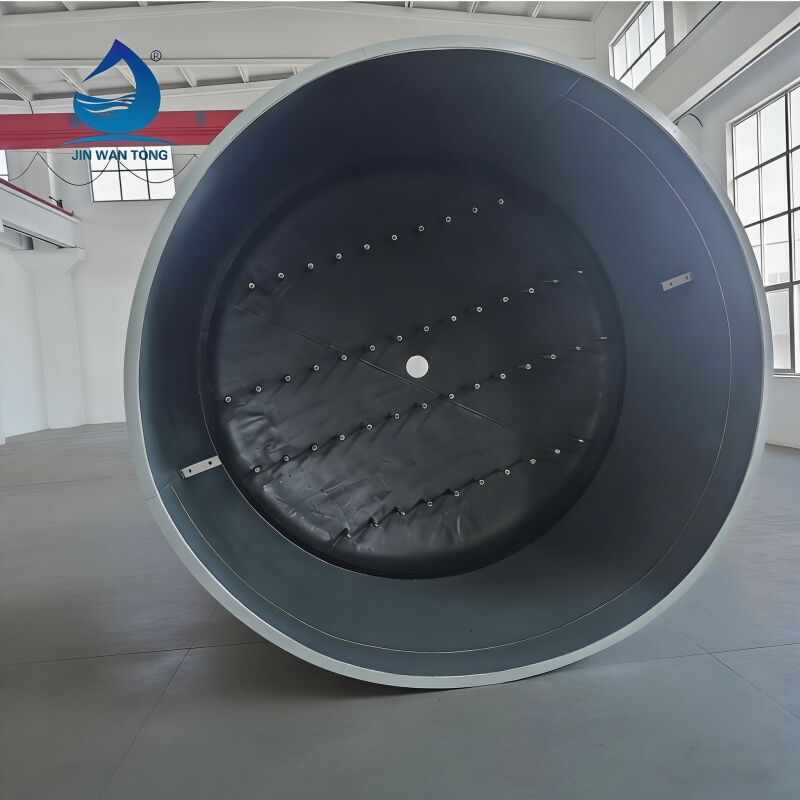
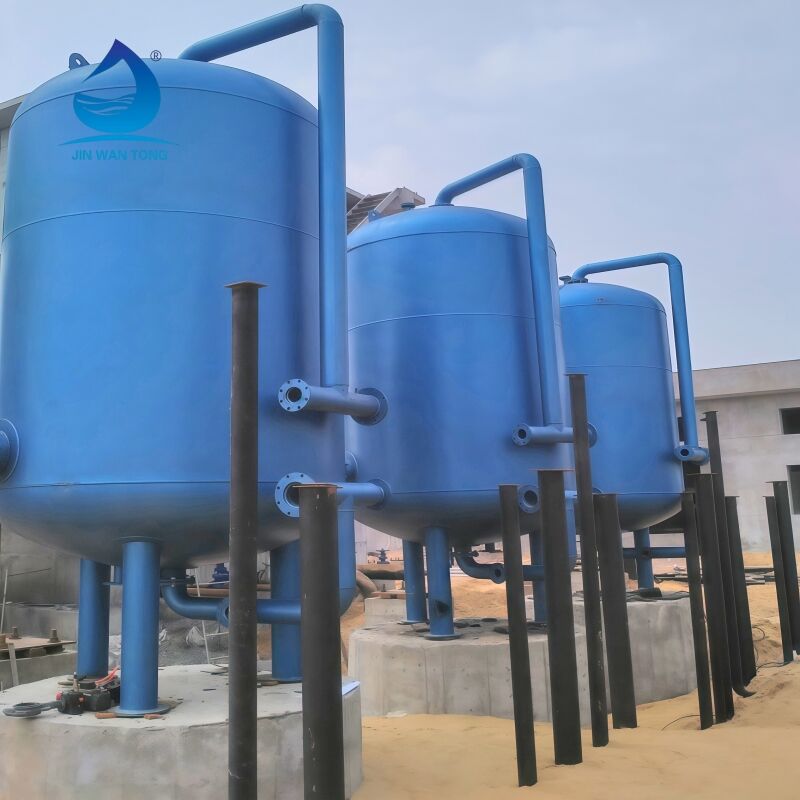
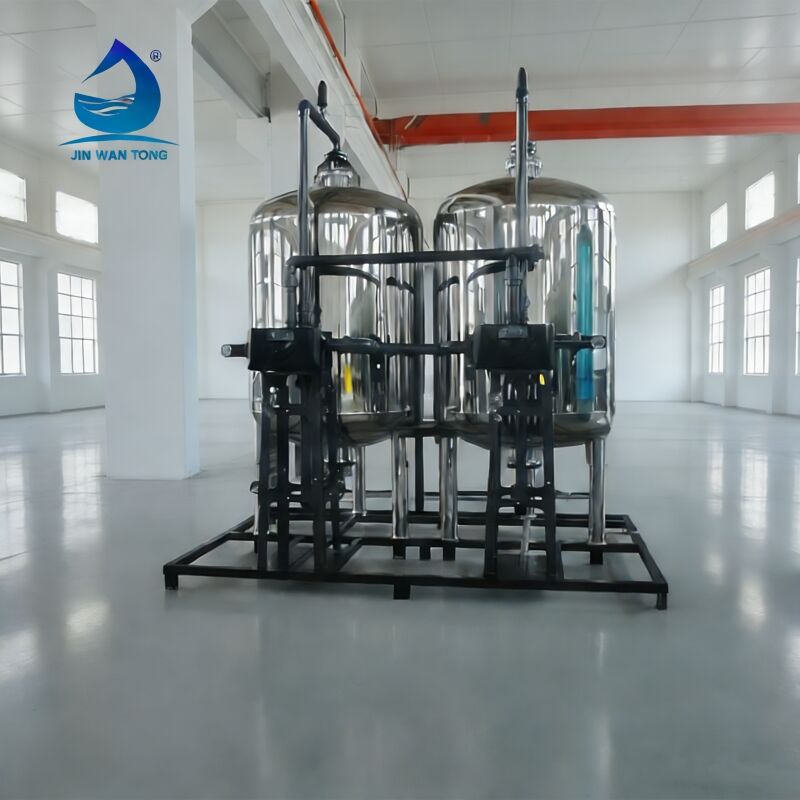
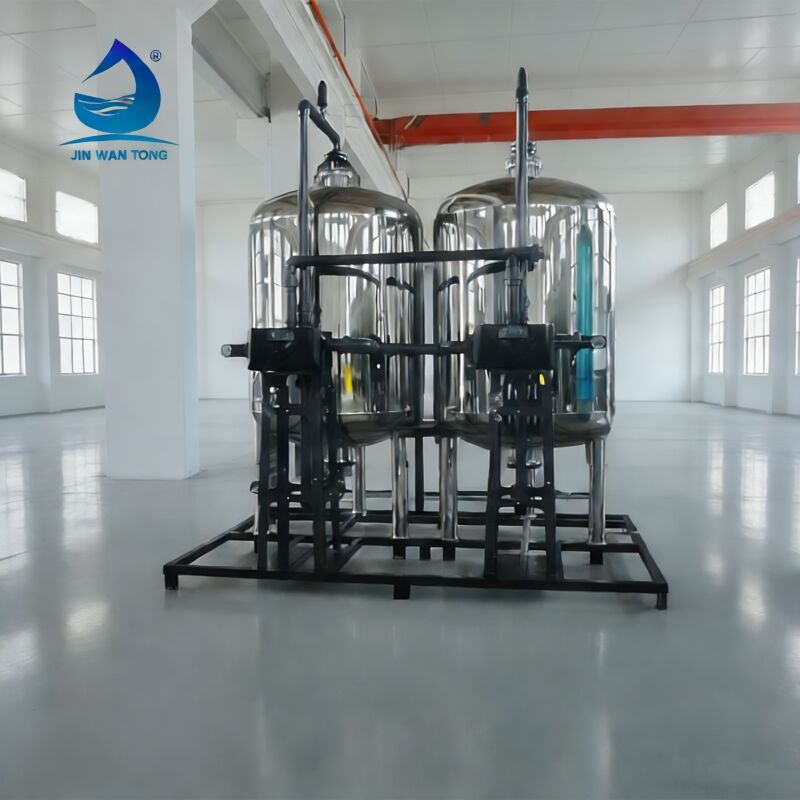
An activated carbon filter for wastewater treatment represents a sophisticated purification technology that harnesses the exceptional adsorption properties of specially processed carbon materials. This advanced filtration system operates by utilizing activated carbon's massive surface area, typically ranging from 500 to 1500 square meters per gram, to capture and remove contaminants from wastewater streams. The activated carbon filter for wastewater treatment functions through physical and chemical adsorption processes, where pollutants become trapped within the carbon's extensive pore structure. The main functions of this system include removing organic compounds, chlorine, volatile organic compounds (VOCs), pharmaceuticals, pesticides, and various chemical contaminants that traditional treatment methods often struggle to eliminate. Technological features of the activated carbon filter for wastewater treatment encompass multiple carbon types, including granular activated carbon (GAC) and powdered activated carbon (PAC), each offering distinct advantages for specific applications. The system incorporates automated backwashing mechanisms, pressure monitoring systems, and flow control technologies to ensure optimal performance and longevity. Applications span across industrial manufacturing, municipal water treatment plants, pharmaceutical facilities, food processing operations, and chemical production sites. The activated carbon filter for wastewater treatment proves particularly valuable in tertiary treatment processes, where final polishing of water quality is essential. Industries such as textiles, electronics, automotive, and petrochemicals rely heavily on these filtration systems to meet stringent discharge regulations and environmental compliance standards. The technology's versatility allows for customization based on specific contaminant profiles, flow rates, and treatment objectives, making the activated carbon filter for wastewater treatment an indispensable component in modern water treatment infrastructure.

Popular Products

The activated carbon filter for wastewater treatment delivers exceptional performance benefits that directly impact operational efficiency and environmental compliance. First, these systems achieve remarkable contaminant removal rates, often exceeding 95% for organic pollutants, pharmaceuticals, and chemical residues that conventional treatment methods cannot adequately address. This superior removal efficiency means businesses can consistently meet or exceed regulatory discharge limits, avoiding costly penalties and maintaining their environmental permits. The activated carbon filter for wastewater treatment operates with minimal energy consumption compared to alternative advanced treatment technologies, reducing operational costs significantly while maintaining high treatment standards. Installation and maintenance requirements remain straightforward, allowing facilities to integrate these systems without extensive infrastructure modifications or specialized technical expertise. The technology offers exceptional versatility in handling varying wastewater compositions and flow rates, adapting seamlessly to changing operational demands without compromising treatment quality. Cost-effectiveness becomes evident through extended carbon lifespan, with proper regeneration extending service life considerably and reducing replacement frequencies. The activated carbon filter for wastewater treatment produces no harmful byproducts during operation, eliminating secondary waste streams that require additional treatment or disposal. System reliability remains consistently high, with minimal downtime and predictable maintenance schedules that allow for proper operational planning. Environmental benefits extend beyond compliance, as treated effluent often exceeds discharge standards, contributing to ecosystem protection and public health safety. The technology scales effectively from small industrial applications to large municipal installations, providing consistent performance across different operational scales. Automated monitoring capabilities integrated into modern activated carbon filter for wastewater treatment systems provide real-time performance data, enabling proactive maintenance and optimization strategies. Return on investment typically occurs within 2-3 years through reduced compliance costs, lower energy consumption, and improved operational efficiency. The activated carbon filter for wastewater treatment supports circular economy principles through carbon regeneration and reuse, minimizing waste generation and resource consumption while maintaining peak performance levels throughout extended operational periods.

Tips And Tricks

Overview of the Agricultural Wastewater Treatment Market

17

Dec

Overview of the Agricultural Wastewater Treatment Market

View More
Global Real-Time Wastewater Treatment Update

17

Dec

Global Real-Time Wastewater Treatment Update

View More
Navigating the Waters: The Role of an Industrial Wastewater Treatment Plant

17

Dec

Navigating the Waters: The Role of an Industrial Wastewater Treatment Plant

View More

Get a Free Quote

Our representative will contact you soon.
Email
Name
Company Name
Message
0/1000

activated carbon filter for wastewater treatment

Superior Contaminant Removal Technology

Superior Contaminant Removal Technology

The activated carbon filter for wastewater treatment excels in removing complex organic contaminants that challenge conventional treatment methods. This advanced technology leverages activated carbon's unique molecular structure, featuring millions of microscopic pores that create an enormous surface area capable of trapping diverse pollutants through multiple adsorption mechanisms. The system effectively captures pharmaceutical compounds, endocrine disruptors, pesticide residues, volatile organic compounds, and industrial chemicals that pose significant environmental and health risks. Unlike biological treatment processes that may struggle with toxic or recalcitrant compounds, the activated carbon filter for wastewater treatment provides consistent removal performance regardless of contaminant toxicity levels. The adsorption process occurs rapidly, with contact times typically ranging from 10 to 30 minutes, ensuring efficient treatment without requiring extensive retention periods. This technology demonstrates particular effectiveness against micropollutants present in trace concentrations, often achieving removal efficiencies exceeding 99% for target compounds. The activated carbon filter for wastewater treatment maintains performance stability across varying pH conditions, temperatures, and contaminant concentrations, providing reliable treatment under changing operational conditions. Multiple carbon grades and activation methods allow for customized solutions targeting specific contaminant profiles, ensuring optimal removal efficiency for each application. The system's ability to simultaneously remove multiple contaminant classes reduces the need for additional treatment steps, simplifying overall process design and reducing capital investment requirements. Advanced monitoring systems integrated with modern activated carbon filter for wastewater treatment installations provide real-time performance feedback, enabling operators to optimize treatment parameters and predict carbon replacement timing. The technology's proven effectiveness has been demonstrated across numerous industrial sectors, consistently delivering treated effluent quality that exceeds regulatory requirements while providing long-term operational reliability and cost-effectiveness.
Cost-Effective Operation and Maintenance

Cost-Effective Operation and Maintenance

The activated carbon filter for wastewater treatment offers exceptional economic advantages through its optimized operational design and maintenance characteristics. Energy consumption remains minimal compared to advanced oxidation processes or membrane technologies, typically requiring only pumping energy for water circulation and periodic backwashing operations. This low energy profile translates directly into reduced operational costs, often achieving 60-80% lower energy consumption than alternative advanced treatment technologies. Maintenance requirements are straightforward and predictable, involving routine carbon replacement, system cleaning, and basic equipment inspection, eliminating the need for specialized technical expertise or costly service contracts. The activated carbon filter for wastewater treatment benefits from established supply chains and competitive carbon pricing, ensuring reliable material availability and cost control throughout operational periods. Carbon regeneration services extend material lifespan significantly, often achieving 3-5 regeneration cycles before replacement becomes necessary, dramatically reducing material costs compared to single-use alternatives. System design simplicity minimizes component failure risks and reduces spare parts inventory requirements, contributing to lower maintenance expenses and improved system reliability. The activated carbon filter for wastewater treatment typically demonstrates payback periods of 18-24 months through compliance cost savings, reduced energy expenses, and operational efficiency improvements. Automated operation capabilities reduce labor requirements, with modern systems operating efficiently with minimal operator intervention, further reducing operational expenses. The technology's modular design allows for incremental capacity expansion without major infrastructure investments, supporting business growth while maintaining cost-effectiveness. Insurance and liability costs often decrease due to improved environmental compliance and reduced discharge risks, providing additional economic benefits beyond direct operational savings. The activated carbon filter for wastewater treatment supports predictable budgeting through stable operational costs and well-defined maintenance schedules, enabling accurate financial planning and cost control. Long-term economic benefits include extended equipment lifespan, consistent treatment performance, and avoided regulatory penalties, making this technology an intelligent investment for sustainable wastewater management.
Environmental Compliance and Sustainability

Environmental Compliance and Sustainability

The activated carbon filter for wastewater treatment serves as a cornerstone technology for achieving and maintaining environmental compliance while advancing sustainability objectives. This system consistently delivers treated effluent quality that exceeds regulatory discharge limits for organic contaminants, pharmaceuticals, and emerging pollutants, ensuring facilities remain compliant with evolving environmental regulations. The technology addresses growing concerns about micropollutants in water systems, effectively removing compounds that pose risks to aquatic ecosystems and human health, demonstrating corporate environmental responsibility. Unlike treatment methods that generate secondary waste streams or harmful byproducts, the activated carbon filter for wastewater treatment operates through physical adsorption, producing no additional environmental burdens during normal operation. Carbon regeneration capabilities support circular economy principles, allowing spent carbon to be reactivated and reused multiple times, significantly reducing waste generation and resource consumption. The system's ability to handle diverse contaminant profiles makes it particularly valuable for facilities with varying wastewater characteristics, ensuring consistent compliance regardless of operational changes or product mix variations. Environmental monitoring data from facilities using activated carbon filter for wastewater treatment consistently demonstrate reduced environmental impact, including lower aquatic toxicity and improved biodiversity protection in receiving waters. The technology supports green building certifications and sustainability reporting requirements, contributing to corporate environmental stewardship goals and stakeholder confidence. Regulatory agencies increasingly recognize activated carbon filtration as a Best Available Technology for organic contaminant removal, providing long-term compliance security as regulations become more stringent. The activated carbon filter for wastewater treatment enables facilities to implement precautionary approaches to environmental protection, treating contaminants before they become regulatory concerns. Integration with existing treatment infrastructure requires minimal environmental disruption, allowing facilities to upgrade treatment capabilities without major construction impacts. The technology's proven track record across multiple industries provides regulatory confidence and reduces permitting complexity, streamlining compliance processes. Long-term environmental benefits include groundwater protection, surface water quality improvement, and ecosystem preservation, supporting broader environmental protection goals beyond individual facility compliance requirements.
Advanced Activated Carbon Filter for Wastewater Treatment - Superior Contaminant Removal Solutions

Get a Free Quote

Our representative will contact you soon.
Email
Name
Company Name
Message
0/1000