waterfilter met geaktiveerde koolstof
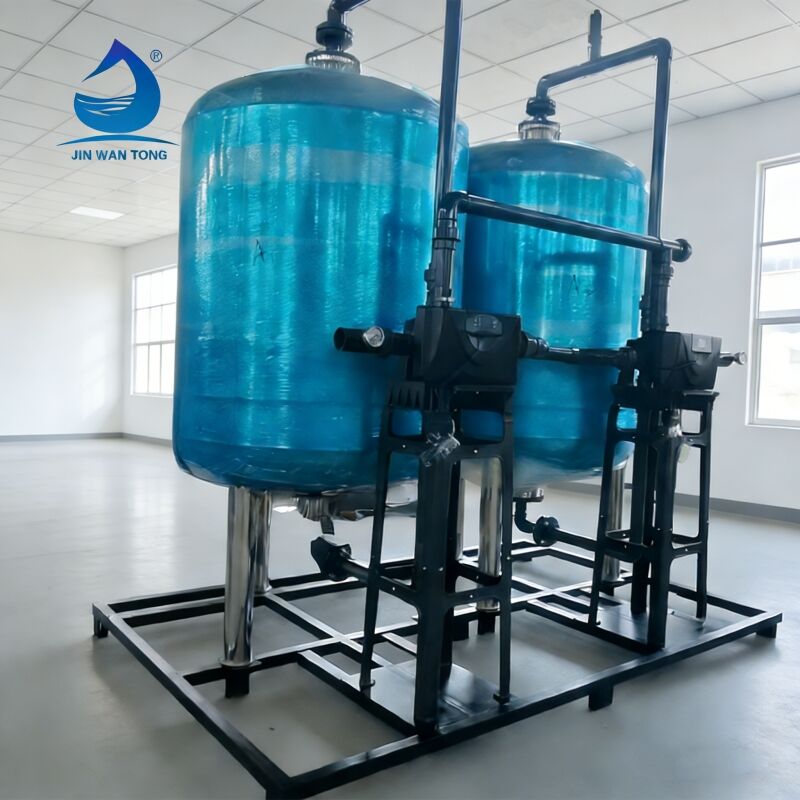
'n Waterfilter met geaktiveerde houtskool verteenwoordig een van die mees effektiewe en wyd vertroude filtrasietegnologieë wat beskikbaar is vir residensiële en kommersiële toepassings. Hierdie gesofistikeerde filtrasiestelsel benut die merkwaardige adsorptiewe eienskappe van geaktiveerde koolstof, wat verwerk is om 'n uitgebreide netwerk van mikroskopiese porieë en kanale te skep. Hierdie porieë vergroot die oppervlakarea van die koolstof dramaties, wat dit in staat stel om 'n breë spektrum kontaminante uit watervoorrade vas te vang en te verwyder. Die waterfilter met geaktiveerde houtskool werk deur 'n proses genaamd adsorpsie, waar besoedelingstowwe op molekulêre vlak aan die koolstofoppervlak bind. Hierdie meganisme blyk veral effektief te wees teen chloor, vlugtige organiese verbindings, sekere plaagdoders, industriële chemikalieë en smaak- en reukveroorsakende stowwe. Die geaktiveerde houtskool wat in hierdie filters gebruik word, is tipies afkomstig van klapperdoppe, hout of steenkool, met klapperdoppe-gebaseerde koolstof wat dikwels verkies word vir sy superieure hardheid en poriestruktuur. Moderne waterfilter met geaktiveerde houtskoolstelsels bevat verskeie stadiums van filtrasie, wat voorfilters vir sedimentverwydering, geaktiveerde koolstofblokke of korrelvormige geaktiveerde koolstof, en soms nafilters vir finale polering kombineer. Hierdie omvattende stelsels verseker maksimum kontaminantverwydering terwyl optimale vloeitempo's gehandhaaf word. Toepassings vir waterfilters met geaktiveerde houtskooltegnologie strek oor residensiële gebruikspuntstelsels, hele huisfiltrasie-eenhede, kommersiële voedseldienstoerusting en industriële waterbehandelingsfasiliteite. Die veelsydigheid van hierdie stelsels maak hulle geskik vir die verbetering van munisipale waterbehandeling, putwatersuiwering en noodwatervoorbereidingscenario's. Installasie-opsies sluit in toonbankeenhede, onderwasbakstelsels, bekerstylfilters en inlynkonfigurasies vir yskaste en ysmasjiene. Die tegnologie ontwikkel steeds met verbeterde koolstofformulerings, verbeterde filterontwerpe en slim moniteringsvermoëns wat aandui wanneer vervanging nodig word vir optimale werkverrigtingsonderhoud.
 EN
EN