Filter Press for Sludge Dewatering: Advanced Industrial Separation Solutions

All Categories

Get a Free Quote

Our representative will contact you soon.
Email
Name
Company Name
Message
0/1000

filter press for sludge dewatering

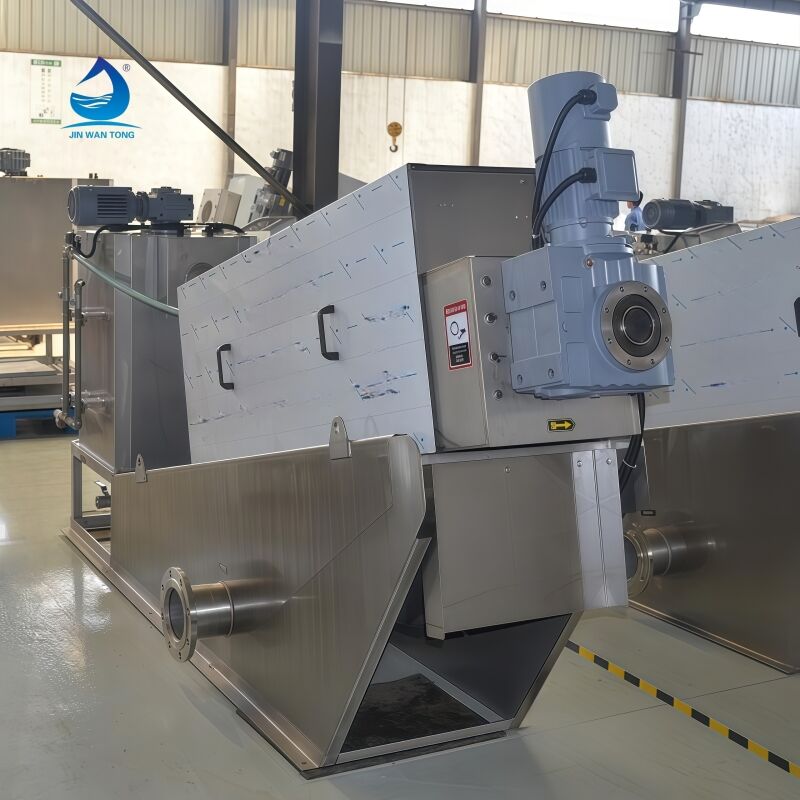
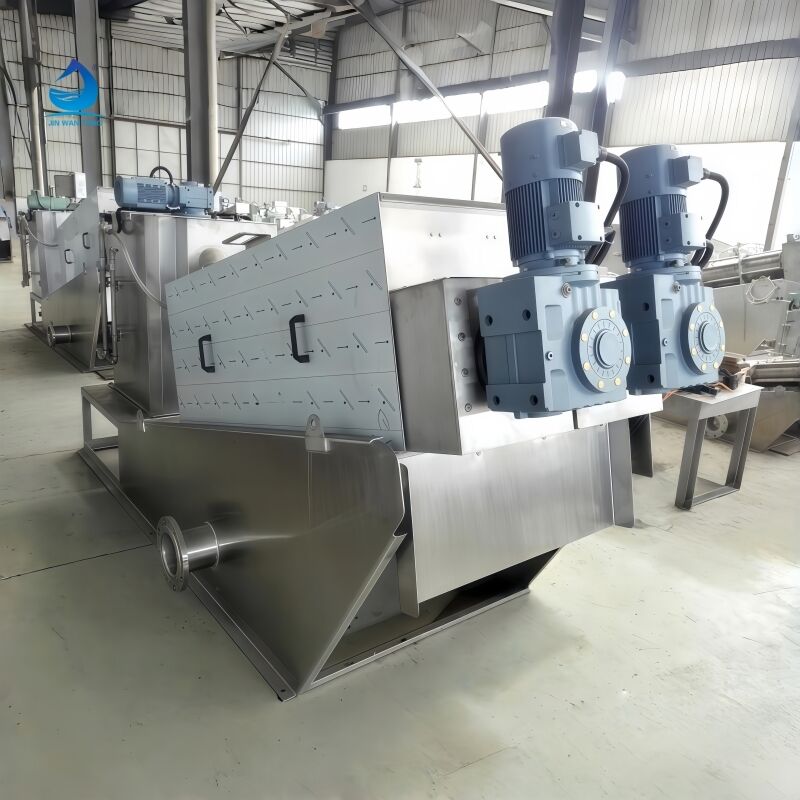
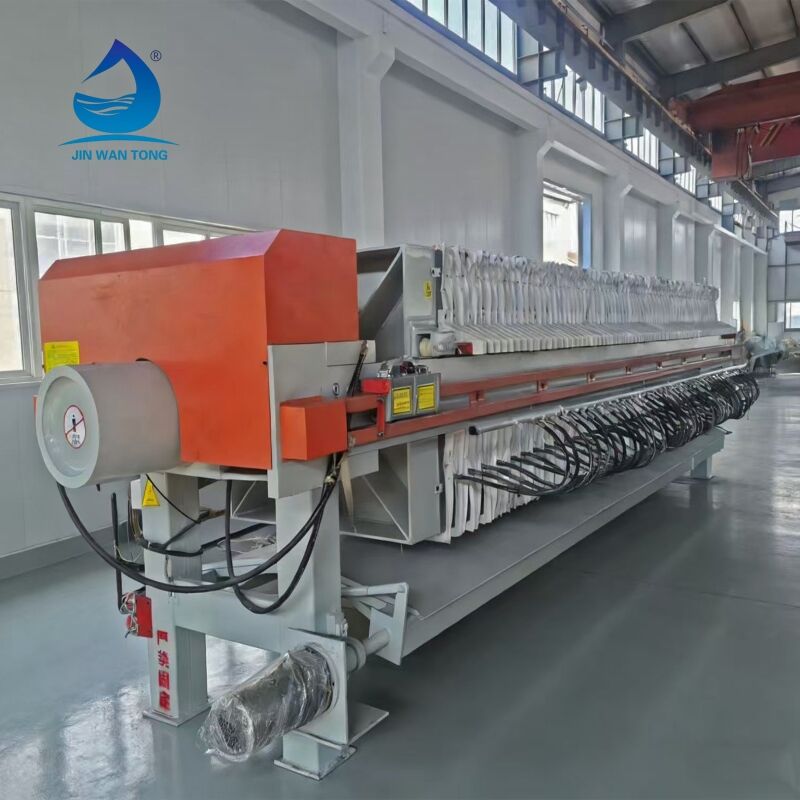
The filter press for sludge dewatering represents a cornerstone technology in wastewater treatment and industrial processing operations. This sophisticated mechanical separation system functions by applying substantial pressure to force liquid through filter media while retaining solid particles, creating a concentrated cake of dewatered sludge. The fundamental operation involves feeding liquid sludge into chambers formed between filter plates, where hydraulic pressure compresses the material against filter cloths or membranes. As pressure builds within the system, water molecules pass through the permeable filter medium while solid waste particles accumulate and compact into dense, manageable cakes. Modern filter press systems for sludge dewatering incorporate advanced plate configurations, including recessed chamber designs and membrane technology that enhances separation efficiency. These units typically feature automated sequences for filling, pressing, cake discharge, and cleaning cycles, reducing manual labor requirements while maintaining consistent performance. The technological framework includes programmable logic controllers that monitor pressure differentials, cycle timing, and filtrate quality parameters. Variable chamber sizes accommodate different processing volumes, from small-scale municipal facilities to large industrial operations. Key components encompass robust steel frames, corrosion-resistant filter plates, durable filter cloths, hydraulic systems, and automated controls. The filter press for sludge dewatering excels in applications spanning municipal wastewater treatment plants, food processing facilities, pharmaceutical manufacturing, mining operations, chemical production sites, and pulp and paper mills. Environmental compliance drives adoption across industries seeking effective solid-liquid separation solutions. Performance metrics include cake dryness levels typically ranging from fifteen to forty percent solids content, depending on sludge characteristics and operating parameters. Integration capabilities allow seamless connection with upstream treatment processes and downstream disposal or recycling systems, creating comprehensive waste management solutions that meet regulatory standards while optimizing operational costs.

New Products

The filter press for sludge dewatering delivers exceptional economic benefits through dramatic volume reduction of waste materials requiring disposal. This technology transforms liquid sludge into compact, stackable cakes that occupy significantly less space than untreated waste, reducing transportation costs by up to seventy-five percent. Disposal fees decrease proportionally since hauling companies charge based on volume and weight, making the filter press for sludge dewatering a smart investment for long-term operational savings. Energy consumption remains remarkably low compared to thermal drying alternatives, as the mechanical separation process requires only hydraulic power for compression cycles. Maintenance requirements stay minimal due to robust construction using corrosion-resistant materials and simple mechanical components with few moving parts. Operational staff appreciate the user-friendly control systems that automate most processing steps, reducing labor costs while ensuring consistent results. The filter press for sludge dewatering produces exceptionally dry cakes with solids content often exceeding thirty percent, enabling easier handling and disposal options. Many facilities discover that dewatered cakes qualify for beneficial reuse applications such as soil conditioning, composting materials, or even fuel supplements in cement kilns. Environmental advantages include reduced landfill burden, lower greenhouse gas emissions from transportation, and elimination of liquid waste storage concerns. Process reliability ensures continuous operation with minimal downtime, as these systems handle varying sludge compositions without requiring frequent adjustments. Cake discharge occurs automatically, preventing operator exposure to potentially hazardous materials while maintaining hygienic processing conditions. The filter press for sludge dewatering adapts easily to changing processing requirements through adjustable pressure settings, variable cycle timing, and modular plate configurations. Return on investment typically occurs within eighteen to thirty-six months through combined savings in disposal costs, transportation expenses, and operational efficiency improvements. Regulatory compliance becomes straightforward as the technology consistently meets discharge standards while producing solid waste that satisfies disposal facility requirements.

Tips And Tricks

Overview of the Agricultural Wastewater Treatment Market

17

Dec

Overview of the Agricultural Wastewater Treatment Market

View More
Global Real-Time Wastewater Treatment Update

17

Dec

Global Real-Time Wastewater Treatment Update

View More
Navigating the Waters: The Role of an Industrial Wastewater Treatment Plant

17

Dec

Navigating the Waters: The Role of an Industrial Wastewater Treatment Plant

View More

Get a Free Quote

Our representative will contact you soon.
Email
Name
Company Name
Message
0/1000

filter press for sludge dewatering

Advanced Membrane Technology Integration

Advanced Membrane Technology Integration

Modern filter press systems for sludge dewatering incorporate cutting-edge membrane technology that revolutionizes traditional plate-and-frame separation methods. This innovative approach utilizes flexible membranes installed within recessed filter plates, creating dual-pressure chambers that dramatically enhance dewatering performance. During the initial compression phase, hydraulic pressure forces liquid through conventional filter cloths, achieving primary separation similar to standard filter presses. However, the membrane activation sequence introduces a secondary compression stage where inflatable membranes expand against the forming cake, applying additional pressure that expels residual moisture trapped within the solid matrix. This dual-pressure methodology enables the filter press for sludge dewatering to achieve remarkable cake dryness levels, often reaching forty percent solids content or higher, compared to twenty-five percent typical of conventional systems. The membrane inflation process utilizes compressed air or water, allowing precise control over applied pressure to optimize results for specific sludge characteristics. Operators benefit from programmable pressure profiles that automatically adjust membrane inflation timing and intensity based on real-time feedback from pressure sensors and filtrate flow monitors. This intelligent control system prevents over-compression that could damage filter media while ensuring maximum water extraction from each processing cycle. The enhanced dewatering performance translates directly into substantial cost savings through reduced disposal volumes, lower transportation expenses, and decreased landfill fees. Additionally, the drier cake consistency enables alternative disposal methods such as incineration or composting, potentially generating revenue streams from waste byproducts. Maintenance advantages include extended filter cloth life due to reduced mechanical stress and improved cake release characteristics that minimize cleaning requirements between cycles. The filter press for sludge dewatering equipped with membrane technology represents the pinnacle of mechanical separation efficiency, delivering superior performance that justifies the modest additional investment through accelerated payback periods and enhanced operational flexibility.
Automated Operation and Smart Control Systems

Automated Operation and Smart Control Systems

The contemporary filter press for sludge dewatering features sophisticated automation systems that transform labor-intensive manual operations into streamlined, computer-controlled processes. Advanced programmable logic controllers coordinate every aspect of the dewatering cycle, from initial sludge feeding through final cake discharge, ensuring optimal performance while minimizing operator intervention. Touch-screen interfaces provide intuitive control over processing parameters, allowing operators to monitor system status, adjust cycle timing, and access comprehensive performance data through user-friendly graphical displays. Automated sequences begin with precise sludge feeding that maintains consistent chamber filling while preventing overflow or uneven distribution. Pressure control systems gradually increase hydraulic force according to predetermined profiles that accommodate specific sludge characteristics, preventing filter cloth damage while maximizing water extraction efficiency. Real-time monitoring capabilities track key performance indicators including filtrate quality, pressure differentials, cycle duration, and cake thickness, providing valuable data for process optimization and troubleshooting. The filter press for sludge dewatering automatically initiates cake discharge when optimal dryness levels are achieved, utilizing pneumatic or hydraulic mechanisms that ensure complete removal without operator assistance. Cleaning cycles activate between processing runs, employing high-pressure water jets or air blasts to maintain filter cloth permeability and prevent blinding that reduces separation efficiency. Predictive maintenance features analyze operational data to identify potential issues before they cause equipment failures, scheduling maintenance activities during planned downtime to minimize production interruptions. Safety systems include emergency stop functions, pressure relief valves, and interlock mechanisms that prevent operation when access doors remain open or safety barriers are compromised. Data logging capabilities store operational histories that support regulatory reporting requirements while providing insights for continuous improvement initiatives. Remote monitoring options enable supervisory personnel to track system performance from centralized control rooms or even mobile devices, facilitating proactive management of multiple filter press installations across large facilities or distributed locations.
Versatile Applications Across Multiple Industries

Versatile Applications Across Multiple Industries

The exceptional versatility of the filter press for sludge dewatering makes it indispensable across diverse industrial sectors, each benefiting from customized configurations that address specific processing challenges and regulatory requirements. Municipal wastewater treatment facilities rely on these systems to manage activated sludge, biosolids, and other organic waste streams, achieving the dry solids content necessary for economical disposal or beneficial reuse programs. The robust design handles the variable composition typical of municipal waste while meeting stringent environmental discharge standards that protect local water resources. Food processing operations utilize the filter press for sludge dewatering to manage organic waste from production lines, including fruit pulp, vegetable trimmings, dairy processing residues, and meat processing byproducts. The hygienic design features stainless steel construction and smooth surfaces that facilitate thorough cleaning, ensuring compliance with food safety regulations while enabling potential recovery of valuable components for animal feed or composting applications. Pharmaceutical manufacturing facilities depend on these systems to handle active pharmaceutical ingredients, chemical precipitates, and other specialized waste streams requiring careful containment and disposal. The enclosed processing environment prevents cross-contamination while sophisticated filtration capabilities ensure complete separation of valuable compounds from waste matrices. Mining operations employ the filter press for sludge dewatering to process tailings, concentrate slurries, and process water treatment residues, reducing environmental impact while recovering valuable minerals for recycling or safe disposal. Chemical processing plants utilize these systems for catalyst recovery, precipitate separation, and waste stream concentration, often achieving cost savings through material recovery that offsets operating expenses. Pulp and paper manufacturing facilities process fiber sludges, de-inking residues, and biological treatment byproducts, reducing disposal volumes while potentially recovering fiber materials for recycling. The filter press for sludge dewatering adapts to each application through customized plate materials, specialized filter media, and tailored automation systems that optimize performance for specific waste characteristics and processing objectives, demonstrating remarkable flexibility that supports diverse industrial requirements.
Filter Press for Sludge Dewatering: Advanced Industrial Separation Solutions

Get a Free Quote

Our representative will contact you soon.
Email
Name
Company Name
Message
0/1000