filter press for sludge dewatering
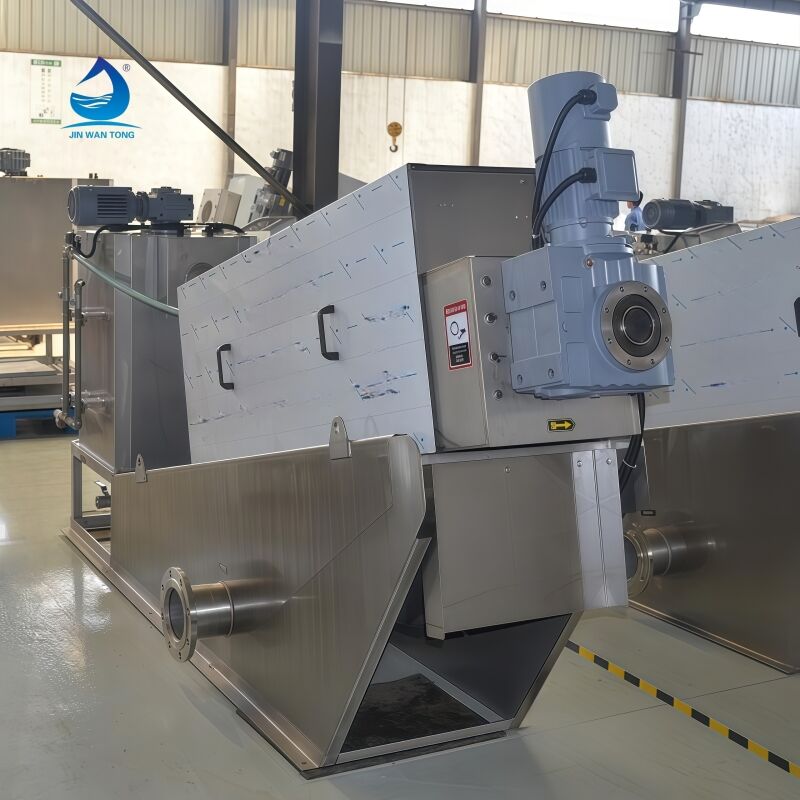
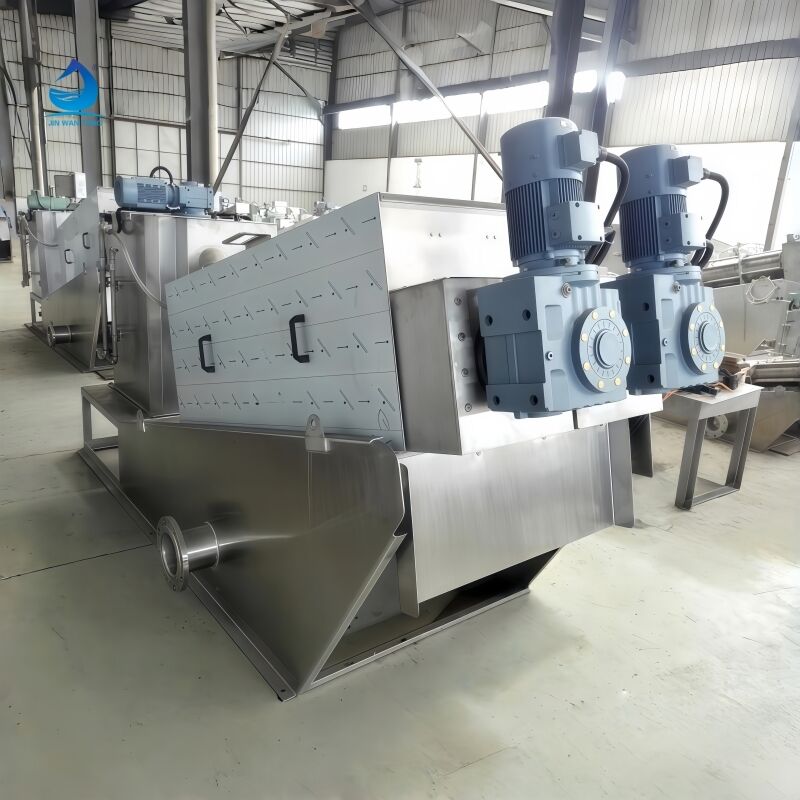
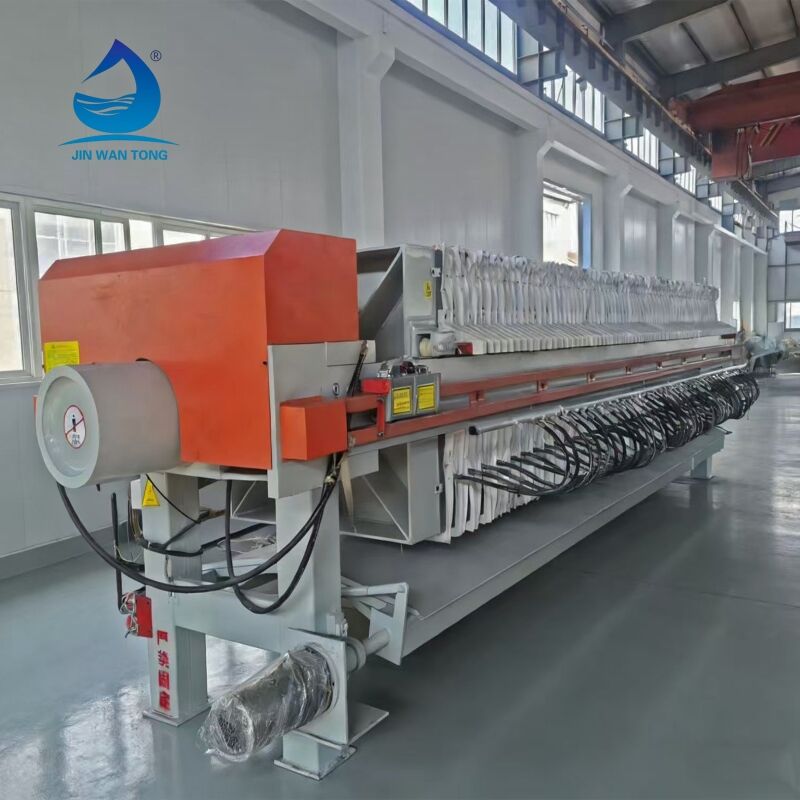
The filter press for sludge dewatering represents a cornerstone technology in wastewater treatment and industrial processing operations. This sophisticated mechanical separation system functions by applying substantial pressure to force liquid through filter media while retaining solid particles, creating a concentrated cake of dewatered sludge. The fundamental operation involves feeding liquid sludge into chambers formed between filter plates, where hydraulic pressure compresses the material against filter cloths or membranes. As pressure builds within the system, water molecules pass through the permeable filter medium while solid waste particles accumulate and compact into dense, manageable cakes. Modern filter press systems for sludge dewatering incorporate advanced plate configurations, including recessed chamber designs and membrane technology that enhances separation efficiency. These units typically feature automated sequences for filling, pressing, cake discharge, and cleaning cycles, reducing manual labor requirements while maintaining consistent performance. The technological framework includes programmable logic controllers that monitor pressure differentials, cycle timing, and filtrate quality parameters. Variable chamber sizes accommodate different processing volumes, from small-scale municipal facilities to large industrial operations. Key components encompass robust steel frames, corrosion-resistant filter plates, durable filter cloths, hydraulic systems, and automated controls. The filter press for sludge dewatering excels in applications spanning municipal wastewater treatment plants, food processing facilities, pharmaceutical manufacturing, mining operations, chemical production sites, and pulp and paper mills. Environmental compliance drives adoption across industries seeking effective solid-liquid separation solutions. Performance metrics include cake dryness levels typically ranging from fifteen to forty percent solids content, depending on sludge characteristics and operating parameters. Integration capabilities allow seamless connection with upstream treatment processes and downstream disposal or recycling systems, creating comprehensive waste management solutions that meet regulatory standards while optimizing operational costs.
 EN
EN