 EN
EN
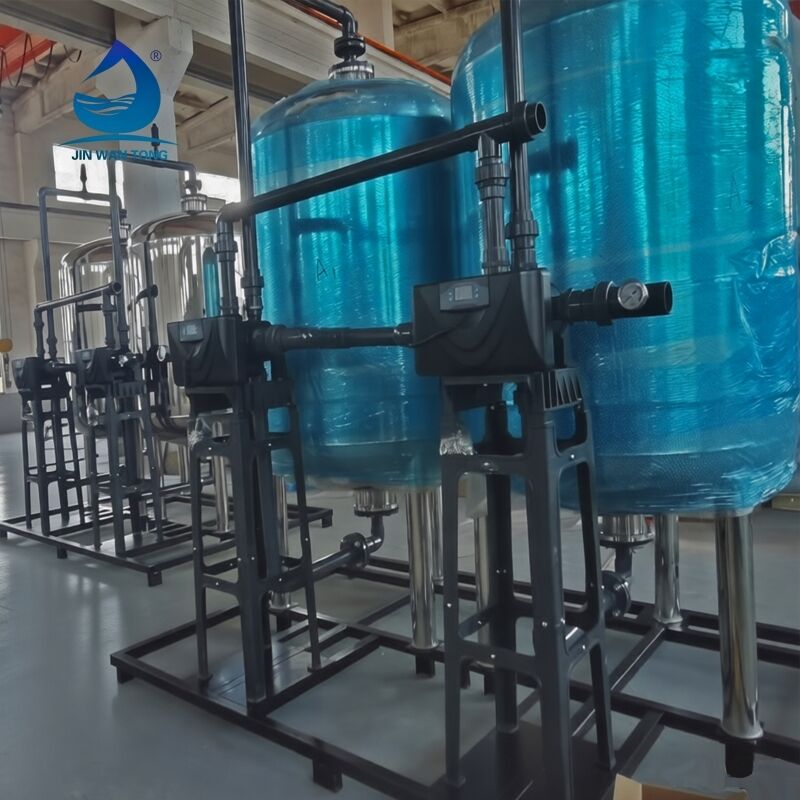
Industrial facilities worldwide face increasingly stringent environmental regulations governing wastewater discharge standards. As regulatory bodies tighten limits on pollutants, suspended solids, and chemical contaminants in effluent streams, companies must adopt advanced treatment technologies to ensure compliance. Carbon filters have emerged as a critical component in modern wastewater treatment systems, offering exceptional removal capabilities for organic compounds, chlorine, and various industrial pollutants that traditional treatment methods often struggle to address effectively.
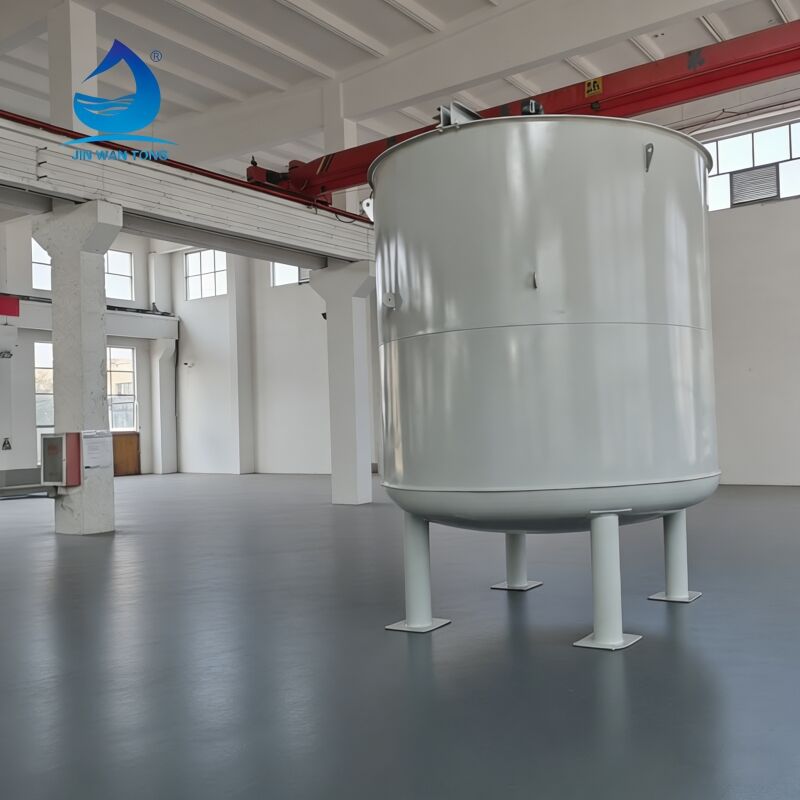
The implementation of carbon filters in industrial treatment processes represents a proven solution for achieving discharge compliance while maintaining operational efficiency. These filtration systems utilize activated carbon's remarkable adsorption properties to capture contaminants at the molecular level, making them particularly effective for removing dissolved organics, taste and odor compounds, and residual chemicals that may persist after primary and secondary treatment processes.
Understanding Carbon Filter Technology in Wastewater Treatment
Activated Carbon Adsorption Mechanisms
Carbon filters operate through physical and chemical adsorption processes that occur within the highly porous structure of activated carbon media. The extensive surface area of activated carbon, typically ranging from 500 to 1500 square meters per gram, provides countless binding sites for contaminant molecules. This microscopic landscape creates an ideal environment for capturing organic pollutants, chlorinated compounds, and various industrial chemicals that must be removed to meet discharge standards.
The adsorption process involves van der Waals forces, electrostatic interactions, and chemical bonding between contaminant molecules and the carbon surface. Different types of activated carbon, including coal-based, wood-based, and coconut shell varieties, offer varying pore structures and surface chemistries that can be optimized for specific contaminant removal requirements in industrial applications.
Types of Carbon Filtration Systems
Industrial carbon filters are available in multiple configurations to accommodate different flow rates, contaminant concentrations, and space constraints. Granular activated carbon systems utilize loose media in pressurized vessels or gravity-fed contactors, providing flexibility for large-volume applications and easy media replacement. These systems excel in continuous operation scenarios where consistent pollutant removal is essential for maintaining discharge compliance.
Powdered activated carbon injection systems offer enhanced contact efficiency by introducing finely ground carbon directly into the treatment stream. This approach maximizes surface area exposure and contact time, making it particularly effective for treating variable contaminant loads or addressing seasonal discharge challenges that many industrial facilities encounter.
Regulatory Compliance and Discharge Standards
Current Environmental Regulations
Environmental protection agencies worldwide have established comprehensive frameworks governing industrial wastewater discharge, with standards becoming increasingly restrictive as scientific understanding of pollutant impacts advances. These regulations typically address parameters including biological oxygen demand, chemical oxygen demand, total suspended solids, heavy metals, and specific organic compounds that pose environmental or public health risks.
Carbon filters play a crucial role in helping facilities meet these evolving standards by providing reliable removal of organic contaminants that conventional biological treatment processes may not adequately address. The technology's ability to achieve low effluent concentrations makes it particularly valuable for facilities operating under strict discharge permits or those located in environmentally sensitive watersheds.
Monitoring and Documentation Requirements
Successful implementation of carbon filters for regulatory compliance requires comprehensive monitoring protocols and documentation systems that demonstrate consistent performance. Regulatory agencies typically require continuous or periodic sampling of key parameters, maintenance of detailed operational logs, and demonstration of treatment system effectiveness through statistical analysis of effluent quality data.
Modern carbon filtration systems often incorporate automated monitoring equipment that tracks flow rates, pressure differentials, and contaminant breakthrough, providing real-time data for regulatory reporting and system optimization. This technological integration enables facility operators to maintain proactive control over treatment performance and identify potential issues before they impact discharge compliance.
Performance Optimization and System Design
Carbon Selection and Sizing Considerations
Proper selection of activated carbon media represents a critical factor in achieving optimal removal efficiency and cost-effectiveness in industrial applications. Different carbon types exhibit varying affinities for specific contaminants, requiring careful evaluation of influent characteristics, target removal levels, and operational constraints to determine the most appropriate media specification.
System sizing calculations must account for contact time requirements, carbon utilization rates, and regeneration or replacement frequencies to ensure consistent performance throughout the operational cycle. Carbon filters designed for industrial wastewater treatment typically require longer contact times and higher carbon dosages compared to potable water applications due to elevated contaminant concentrations and matrix complexity.
Integration with Existing Treatment Infrastructure
Successful implementation of carbon filters often involves integration with existing treatment processes to create comprehensive treatment trains that address multiple contamination concerns simultaneously. Pre-treatment steps such as coagulation, sedimentation, and biological treatment can significantly enhance carbon filter performance by removing suspended solids and reducing organic loading, thereby extending carbon service life and improving overall system economics.
Post-carbon treatment processes, including disinfection and pH adjustment, may be necessary to ensure final effluent meets all applicable discharge standards. The modular nature of carbon filtration technology allows for flexible system configurations that can be adapted to existing infrastructure constraints while maintaining treatment effectiveness.
Economic Considerations and Return on Investment
Capital and Operating Cost Analysis
The economic viability of carbon filters for discharge compliance depends on multiple factors including system capacity, contaminant removal requirements, carbon replacement frequency, and potential penalties for non-compliance. Initial capital costs encompass equipment procurement, installation, and integration with existing infrastructure, while ongoing expenses include carbon replacement, system maintenance, and monitoring activities.
Carbon filters often provide favorable economics compared to alternative advanced treatment technologies, particularly when considering the flexibility to handle variable influent conditions and the proven reliability for achieving consistent discharge standards. The technology's mature supply chain and established operational protocols contribute to predictable cost structures that facilitate accurate project planning and budgeting.
Risk Mitigation and Compliance Assurance
Investment in carbon filtration technology provides significant risk mitigation benefits by reducing the likelihood of discharge violations and associated penalties, legal liabilities, and operational disruptions. The technology's proven track record across diverse industrial applications offers confidence in its ability to maintain compliance even as regulations continue to evolve and become more stringent.
Carbon filters also provide operational flexibility that enables facilities to respond quickly to changing discharge requirements or process upsets that might otherwise compromise effluent quality. This adaptability represents valuable insurance against regulatory risk while maintaining the operational continuity essential for industrial competitiveness.
Case Studies and Industrial Applications
Chemical Manufacturing Sector
Chemical manufacturing facilities frequently rely on carbon filters to remove organic solvents, reaction byproducts, and process chemicals from wastewater streams before discharge. These applications often involve complex contaminant mixtures that require specialized carbon selection and system design to achieve the low concentration limits specified in discharge permits.
Successful implementations in this sector typically incorporate multi-stage carbon systems with different media types optimized for specific contaminant groups, enabling comprehensive removal while minimizing carbon consumption and operating costs. The ability to handle shock loads and variable influent compositions makes carbon filters particularly valuable in chemical manufacturing environments where process conditions may fluctuate significantly.
Textile and Dyeing Operations
Textile manufacturing and dyeing operations generate wastewater containing color compounds, surfactants, and processing chemicals that must be removed to meet discharge standards for both aesthetic and environmental protection purposes. Carbon filters excel in these applications due to their effectiveness in removing color-causing compounds and organic additives that conventional biological treatment may not adequately address.
The technology's ability to produce consistently clear, colorless effluent makes it particularly valuable for facilities discharging to surface waters where visual impact is a concern. Combined treatment approaches incorporating carbon filters with other technologies often achieve superior results compared to single-technology solutions in these challenging applications.
Maintenance and Operational Best Practices
Carbon Replacement and Regeneration Strategies
Effective carbon filter operation requires proactive management of carbon replacement or regeneration cycles to maintain consistent removal performance and prevent breakthrough events that could compromise discharge compliance. Monitoring programs that track key performance indicators such as effluent quality, pressure drop, and carbon bed utilization enable operators to optimize replacement timing and minimize operational disruptions.
Regeneration options, including thermal reactivation and chemical treatment, can significantly reduce operating costs for applications with high carbon consumption rates. However, regeneration feasibility depends on contaminant characteristics, carbon type, and local infrastructure availability, requiring careful evaluation during system design and planning phases.
System Monitoring and Performance Tracking
Comprehensive monitoring protocols are essential for maintaining optimal carbon filter performance and ensuring continued compliance with discharge standards. Key parameters typically include influent and effluent quality measurements, flow rates, pressure differentials across carbon beds, and carbon utilization tracking through breakthrough monitoring or carbon sampling analysis.
Modern monitoring systems often incorporate automated data collection and analysis capabilities that enable real-time performance assessment and predictive maintenance scheduling. These technological advances help operators identify potential issues before they impact system performance while providing detailed documentation for regulatory reporting requirements.
Future Trends and Technology Developments
Advanced Carbon Materials and Manufacturing
Ongoing research and development efforts continue to advance carbon filter technology through improved manufacturing processes, specialized carbon formulations, and enhanced surface modification techniques. These innovations aim to increase removal efficiency, extend service life, and reduce overall treatment costs while maintaining the reliability that has made carbon filters a cornerstone of industrial wastewater treatment.
Emerging carbon materials, including engineered carbons with tailored pore structures and surface chemistries, offer enhanced selectivity for specific contaminants and improved regeneration characteristics. These developments promise to expand the application range of carbon filters and improve their effectiveness in challenging treatment scenarios.
Integration with Smart Treatment Systems
The integration of carbon filters with advanced process control systems, artificial intelligence, and predictive analytics represents a significant opportunity to optimize treatment performance while reducing operational costs and environmental impact. These smart systems can automatically adjust operating parameters, predict maintenance needs, and optimize carbon utilization based on real-time influent characteristics and discharge requirements.
Connected treatment systems also enable remote monitoring and control capabilities that improve operational efficiency while providing enhanced data collection for regulatory compliance and performance optimization. This technological evolution positions carbon filters as key components in next-generation treatment facilities designed for maximum efficiency and reliability.
FAQ
How do carbon filters compare to other advanced treatment technologies for meeting discharge standards
Carbon filters offer several advantages over alternative advanced treatment technologies, including proven reliability, flexible operation, and cost-effectiveness for organic contaminant removal. Unlike membrane technologies that may require extensive pre-treatment and frequent cleaning, carbon filters can handle variable influent conditions with minimal process adjustments. They also provide superior removal of taste and odor compounds compared to oxidation processes, while offering lower energy consumption than many advanced oxidation systems.
What factors determine the frequency of carbon replacement in industrial applications
Carbon replacement frequency depends on influent contaminant concentrations, flow rates, target effluent quality, and carbon type selection. Higher contaminant loads and flow rates typically result in more frequent replacement cycles, while specialized carbons designed for specific applications may offer extended service life. Regular monitoring of effluent quality and breakthrough indicators allows operators to optimize replacement timing and maintain consistent performance while minimizing costs.
Can carbon filters handle sudden changes in wastewater composition or flow rates
Carbon filters demonstrate excellent resilience to variations in influent characteristics, making them well-suited for industrial applications where process conditions may fluctuate. The adsorption mechanism allows carbon filters to accommodate surge loading without immediate breakthrough, providing a buffering effect that helps maintain effluent quality during upset conditions. However, sustained changes in contaminant type or concentration may require adjustments to carbon selection or system operation to maintain optimal performance.
What documentation and monitoring requirements apply to carbon filter systems for regulatory compliance
Regulatory compliance typically requires comprehensive documentation of system performance, including influent and effluent quality monitoring, operational logs, maintenance records, and carbon replacement tracking. Sampling frequencies and parameters depend on specific permit requirements, but most applications require periodic analysis of key contaminants and continuous monitoring of operational parameters. Automated monitoring systems can streamline data collection and reporting while providing real-time performance verification for regulatory agencies.
Table of Contents
- Understanding Carbon Filter Technology in Wastewater Treatment
- Regulatory Compliance and Discharge Standards
- Performance Optimization and System Design
- Economic Considerations and Return on Investment
- Case Studies and Industrial Applications
- Maintenance and Operational Best Practices
- Future Trends and Technology Developments
-
FAQ
- How do carbon filters compare to other advanced treatment technologies for meeting discharge standards
- What factors determine the frequency of carbon replacement in industrial applications
- Can carbon filters handle sudden changes in wastewater composition or flow rates
- What documentation and monitoring requirements apply to carbon filter systems for regulatory compliance