 EN
EN
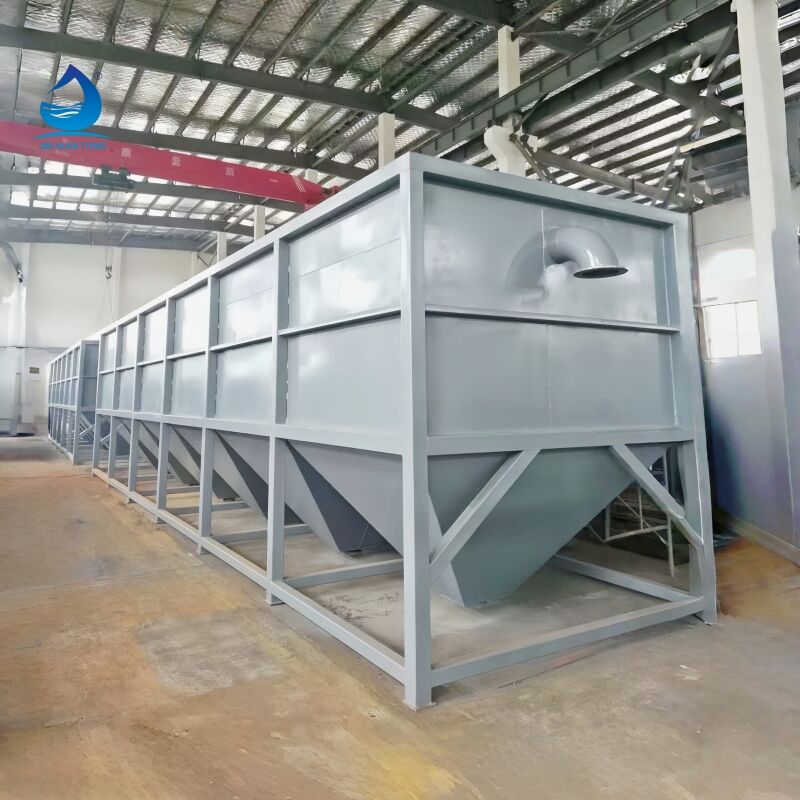
Industrial effluent treatment plants face increasing pressure to meet stringent environmental regulations while managing complex wastewater streams. Among the various treatment technologies available, activated carbon filtration stands out as a versatile and highly effective solution for removing organic pollutants, trace contaminants, and odor-causing compounds from industrial wastewater. This advanced treatment method has become an integral component of modern ETPs, offering superior contaminant removal capabilities that complement primary and secondary treatment processes.
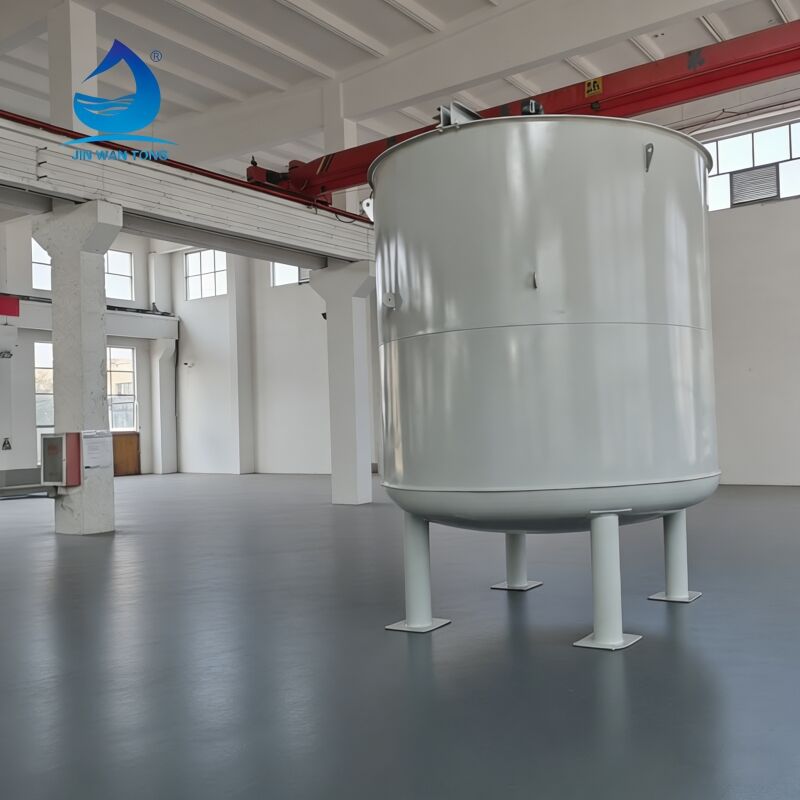
The implementation of activated carbon filtration in industrial settings requires careful consideration of multiple factors including influent characteristics, treatment objectives, and economic constraints. As industries continue to evolve and environmental standards become more stringent, understanding the role and application of activated carbon filtration becomes crucial for environmental engineers, plant operators, and facility managers. This comprehensive treatment technology offers remarkable versatility in addressing diverse contaminant profiles while providing reliable performance across various industrial applications.
Understanding Activated Carbon Filtration Technology
Fundamental Principles of Carbon Adsorption
Activated carbon filtration operates on the principle of physical and chemical adsorption, where contaminants are attracted and held onto the surface of specially treated carbon particles. The activation process creates an extensive network of microscopic pores within the carbon structure, dramatically increasing the available surface area for contaminant interaction. This enhanced surface area, often exceeding 1000 square meters per gram, provides numerous binding sites for organic molecules, making activated carbon filtration exceptionally effective for removing dissolved organics from wastewater streams.
The adsorption mechanism involves both physical forces, such as van der Waals attractions, and chemical interactions between contaminants and the carbon surface. This dual-action approach enables activated carbon filtration to capture a wide range of pollutants, from simple organic compounds to complex molecules including pharmaceuticals, pesticides, and industrial solvents. The selectivity of the process can be influenced by factors such as pH, temperature, contact time, and the specific characteristics of both the carbon material and the target contaminants.
Types of Activated Carbon Media
Industrial ETPs utilize various forms of activated carbon, each optimized for specific applications and operating conditions. Granular activated carbon (GAC) represents the most common form used in filtration systems, offering excellent flow characteristics and regeneration potential. The granular structure provides optimal hydraulic performance while maintaining sufficient contact time for effective contaminant removal. Powdered activated carbon (PAC) offers rapid adsorption kinetics due to its smaller particle size but requires different handling and separation techniques within the treatment process.
The source material for activated carbon production significantly influences its performance characteristics and suitability for different applications. Coal-based activated carbon typically provides excellent mechanical strength and regeneration properties, making it ideal for continuous filtration operations. Coconut shell-based carbon offers superior adsorption capacity for smaller organic molecules and is particularly effective for taste, odor, and trace contaminant removal. Wood-based activated carbon provides intermediate characteristics and cost-effectiveness for general industrial applications requiring activated carbon filtration.
Integration Strategies for Industrial ETPs
Primary Treatment Enhancement
Integrating activated carbon filtration into existing ETP configurations requires strategic planning to optimize treatment efficiency and cost-effectiveness. In primary treatment applications, activated carbon can be utilized as a polishing step following conventional clarification processes to remove residual dissolved organics that escape traditional treatment methods. This integration approach ensures that subsequent biological treatment processes receive influent with reduced organic loading, improving overall system performance and stability.
The positioning of activated carbon filtration within the primary treatment train affects both removal efficiency and operational requirements. Pre-treatment applications focus on protecting downstream equipment and processes from fouling or inhibitory compounds, while post-primary positioning targets specific contaminants that remain after conventional treatment. The choice between these configurations depends on influent characteristics, treatment objectives, and economic considerations specific to each industrial application.
Secondary Treatment Optimization
Secondary treatment processes benefit significantly from the integration of activated carbon filtration systems that address limitations inherent in biological treatment methods. Many industrial contaminants resist biodegradation or require extended retention times that are impractical in conventional biological systems. By incorporating activated carbon filtration as a complementary technology, ETPs can achieve superior removal of recalcitrant organics while maintaining optimal conditions for biological processes.
The synergistic relationship between biological treatment and activated carbon filtration creates opportunities for enhanced system performance and reduced operational costs. Biological processes excel at removing biodegradable organics while activated carbon targets non-biodegradable compounds, creating a comprehensive treatment approach that addresses the full spectrum of industrial contaminants. This integration strategy often results in improved effluent quality, reduced sludge production, and enhanced process stability compared to single-technology approaches.
Design Considerations and Operational Parameters
System Configuration Options
Designing effective activated carbon filtration systems for industrial ETPs requires careful evaluation of multiple configuration options to match specific application requirements. Fixed-bed systems offer simplicity and reliability, utilizing stationary carbon beds that treat wastewater through downflow or upflow patterns. These systems provide excellent contact time control and are well-suited for continuous operation with predictable loading patterns. Moving-bed configurations offer enhanced mass transfer characteristics and the ability to continuously regenerate carbon, making them ideal for high-loading applications or situations requiring consistent performance.
Fluidized-bed systems represent an advanced configuration option that maximizes mass transfer efficiency through enhanced mixing between wastewater and activated carbon particles. This approach reduces pressure drop across the system while providing excellent contaminant removal performance, particularly for applications with variable loading conditions. The selection of system configuration depends on factors including space constraints, capital investment requirements, operational flexibility needs, and maintenance preferences specific to each industrial facility.
Operational Optimization Strategies
Successful operation of activated carbon filtration systems requires ongoing optimization of key parameters to maintain treatment efficiency while controlling operational costs. Contact time represents a critical factor affecting removal performance, with longer contact times generally improving contaminant capture but requiring larger system volumes and higher capital investments. The optimization of hydraulic loading rates balances treatment efficiency with system throughput, ensuring adequate residence time while maintaining practical flow rates for industrial applications.
Carbon regeneration strategies significantly impact the long-term economics and sustainability of activated carbon filtration systems. Thermal regeneration offers the ability to restore carbon activity to near-original levels while recovering the carbon medium for repeated use. Chemical regeneration provides an alternative approach for specific contaminants that respond to targeted treatment methods. The selection of regeneration strategy depends on contaminant characteristics, carbon type, economic considerations, and environmental factors specific to each application.
Performance Monitoring and Quality Control
Key Performance Indicators
Effective monitoring of activated carbon filtration performance requires the establishment of comprehensive measurement protocols that track both treatment efficiency and system health indicators. Contaminant removal efficiency serves as the primary performance metric, typically measured through influent and effluent concentration monitoring of target compounds. This data provides direct feedback on system performance while enabling optimization of operational parameters to maintain desired treatment levels.
Pressure drop monitoring across activated carbon beds provides valuable insights into system condition and maintenance requirements. Gradual pressure increase typically indicates particle accumulation or carbon bed compaction, while sudden changes may signal channeling or other hydraulic problems. Regular monitoring of these parameters enables proactive maintenance scheduling and helps prevent system failures that could compromise treatment performance or require emergency interventions.
Analytical Testing Requirements
Comprehensive analytical testing programs support effective operation and optimization of activated carbon filtration systems in industrial ETPs. Regular analysis of influent and effluent streams provides quantitative data on treatment performance while enabling identification of trends that may indicate changing operating conditions or maintenance needs. Testing protocols should include both routine parameters such as total organic carbon and specific analyses for priority contaminants based on industrial discharge characteristics.
Carbon characterization testing provides valuable information about media condition and remaining adsorption capacity. Iodine number testing offers a standardized measure of carbon activity, while methylene blue testing provides insights into mesopore structure and capacity. These analytical tools enable data-driven decisions about carbon replacement timing and help optimize regeneration strategies to maximize system economics while maintaining treatment performance standards.
Economic Analysis and Cost Optimization
Capital Investment Considerations
The economic evaluation of activated carbon filtration systems requires comprehensive analysis of both capital and operational costs to determine overall project viability and optimal system configuration. Initial capital investment includes equipment costs for filtration vessels, pumping systems, instrumentation, and associated infrastructure required for system integration. The selection of system configuration significantly impacts capital requirements, with more sophisticated designs typically requiring higher upfront investment but potentially offering superior operational performance and lower long-term costs.
Site-specific factors such as available space, utility requirements, and integration complexity can substantially influence capital costs for activated carbon filtration installations. Retrofitting existing facilities often requires additional engineering and construction considerations compared to greenfield installations, potentially affecting both project timeline and total investment requirements. Careful evaluation of these factors during preliminary design phases helps establish realistic budget expectations and supports informed decision-making regarding system selection and implementation strategies.
Operational Cost Management
Long-term operational costs represent a significant component of the total cost of ownership for activated carbon filtration systems, requiring careful management to maintain economic viability. Carbon replacement or regeneration costs typically represent the largest operational expense, making optimization of carbon utilization a critical success factor. Regular monitoring of breakthrough curves and carbon performance data enables prediction of replacement timing and helps prevent premature carbon changeouts that increase operational costs unnecessarily.
Energy consumption for pumping and system operation contributes to ongoing operational expenses, with optimization opportunities available through proper system design and operation. Variable-speed pumping systems can adjust energy consumption based on actual flow requirements, while proper system sizing prevents excessive pressure drops that increase pumping costs. The implementation of automated control systems optimizes energy usage while maintaining consistent treatment performance, contributing to overall cost reduction and operational efficiency improvements.
Regulatory Compliance and Environmental Benefits
Meeting Discharge Standards
Industrial facilities face increasingly stringent discharge regulations that require advanced treatment technologies like activated carbon filtration to achieve compliance with environmental standards. Many organic contaminants that resist conventional treatment methods can be effectively removed through properly designed and operated activated carbon systems, enabling facilities to meet both current and anticipated future regulatory requirements. This capability provides long-term regulatory security and helps avoid potential penalties or restrictions that could result from non-compliance.
The versatility of activated carbon filtration makes it particularly valuable for addressing emerging contaminants and changing regulatory landscapes. As new compounds of concern are identified and regulated, existing activated carbon systems can often be modified or optimized to address these requirements without major infrastructure changes. This adaptability provides significant value in regulatory compliance planning and helps protect industrial facilities from potential future compliance challenges.
Environmental Impact Reduction
Beyond regulatory compliance, activated carbon filtration contributes to broader environmental protection goals by removing harmful contaminants that could impact receiving water bodies and downstream users. The technology effectively captures persistent organic pollutants, pharmaceuticals, and other compounds that may pose ecological risks even at low concentrations. This environmental protection capability supports corporate sustainability initiatives while contributing to overall watershed health and environmental stewardship.
The environmental benefits of activated carbon filtration extend to air quality improvement through the removal of volatile organic compounds and odor-causing substances from wastewater streams. This capability is particularly valuable for industrial facilities located near residential areas or sensitive receptors where odor control represents an important community relations consideration. Effective contaminant removal through activated carbon filtration helps maintain positive relationships with local stakeholders while supporting corporate environmental responsibility objectives.
Future Trends and Technological Advances
Emerging Carbon Technologies
The field of activated carbon filtration continues to evolve with the development of specialized carbon materials engineered for specific contaminant removal applications. Impregnated carbons incorporate chemical additives that enhance removal of particular compound classes, while engineered carbons optimize pore structure and surface chemistry for targeted applications. These advanced materials offer improved performance characteristics and enable more cost-effective treatment of challenging wastewater streams in industrial ETPs.
Biological activated carbon represents an innovative approach that combines physical adsorption with biological degradation processes. This technology enables regeneration of carbon capacity through biological activity while providing enhanced removal of biodegradable compounds. The integration of biological and physical treatment mechanisms within a single unit operation offers significant advantages in terms of both treatment performance and operational economics for appropriate applications.
Smart Monitoring and Control Systems
Advanced monitoring and control technologies are revolutionizing the operation and optimization of activated carbon filtration systems in industrial applications. Real-time monitoring of contaminant breakthrough enables predictive maintenance scheduling and optimizes carbon utilization efficiency. These intelligent systems reduce operational costs while ensuring consistent treatment performance and regulatory compliance through automated response to changing operating conditions.
The integration of artificial intelligence and machine learning technologies promises further improvements in activated carbon filtration system performance and cost-effectiveness. These advanced control systems can analyze complex data patterns to optimize operational parameters, predict maintenance requirements, and identify opportunities for performance improvements. As these technologies mature and become more accessible, they will likely become standard components of advanced industrial ETP designs incorporating activated carbon filtration.
FAQ
What types of contaminants can activated carbon filtration remove from industrial wastewater?
Activated carbon filtration is highly effective at removing a wide range of organic contaminants including volatile organic compounds, pharmaceuticals, pesticides, industrial solvents, dyes, and odor-causing substances. The technology excels at capturing dissolved organics that resist conventional biological treatment methods, making it particularly valuable for industrial applications with complex contaminant profiles. However, activated carbon has limited effectiveness for removing inorganic compounds, heavy metals, and suspended solids, which may require pre-treatment or complementary technologies.
How often does activated carbon need to be replaced in industrial ETP applications?
Carbon replacement frequency depends on several factors including contaminant loading, carbon type, system configuration, and desired effluent quality standards. Typical replacement intervals range from several months to over a year, with high-loading applications requiring more frequent carbon changes. Regular monitoring of breakthrough curves and effluent quality helps determine optimal replacement timing, while regeneration options can extend carbon life and reduce replacement costs for appropriate applications.
Can activated carbon filtration be retrofitted into existing ETP systems?
Yes, activated carbon filtration can typically be integrated into existing ETP configurations through retrofitting, though the complexity and cost depend on specific site conditions and integration requirements. Most installations involve adding carbon filtration as a polishing step following existing treatment processes, which generally requires minimal modifications to existing systems. However, space constraints, utility availability, and hydraulic considerations may influence retrofit feasibility and design requirements for specific applications.
What are the main operational challenges associated with activated carbon filtration in industrial ETPs?
Primary operational challenges include managing carbon replacement costs, preventing premature carbon exhaustion, maintaining consistent hydraulic performance, and optimizing system performance for varying contaminant loads. Proper pre-treatment to remove suspended solids and oils helps protect carbon beds from fouling, while regular monitoring of pressure drops and breakthrough curves enables proactive maintenance scheduling. Staff training and establishment of standard operating procedures are essential for maintaining consistent performance and avoiding operational problems.
Table of Contents
- Understanding Activated Carbon Filtration Technology
- Integration Strategies for Industrial ETPs
- Design Considerations and Operational Parameters
- Performance Monitoring and Quality Control
- Economic Analysis and Cost Optimization
- Regulatory Compliance and Environmental Benefits
- Future Trends and Technological Advances
-
FAQ
- What types of contaminants can activated carbon filtration remove from industrial wastewater?
- How often does activated carbon need to be replaced in industrial ETP applications?
- Can activated carbon filtration be retrofitted into existing ETP systems?
- What are the main operational challenges associated with activated carbon filtration in industrial ETPs?