 EN
EN
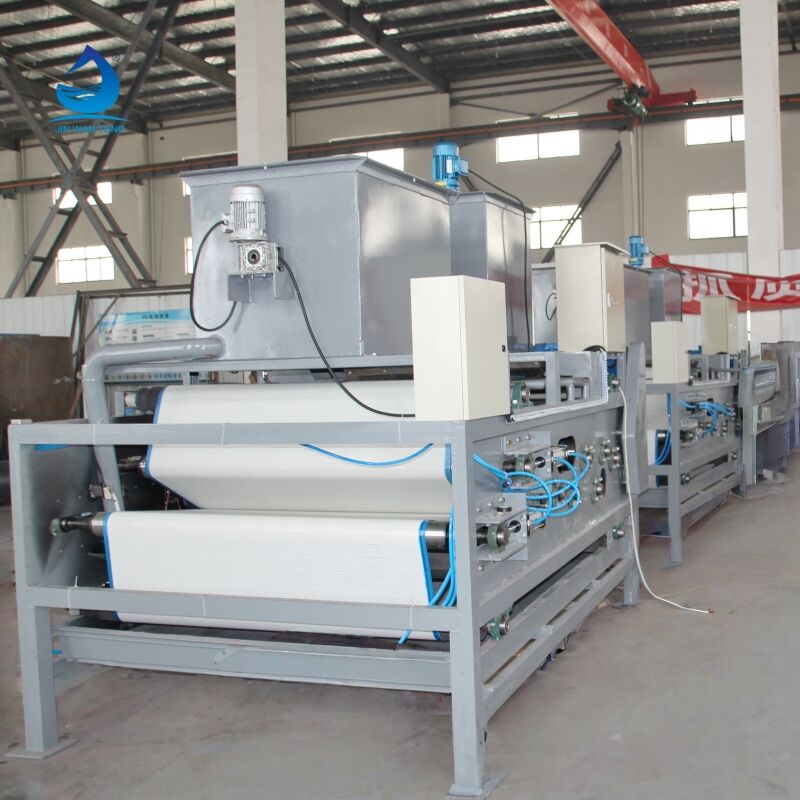
Հաջորդական մեկ անգամյա ռեակտորի (SBR) տեխնոլոգիան վերափոխել է թափոնների ջրի մշակման գործընթացները՝ ապահովելով ճկուն և արդյունավետ կենսաբանական մշակման լուծումներ: Սակայն ցանկացած SBR համակարգի հաջողությունը մեծապես կախված է առաջացած թափոնների արդյունավետ մշակման հետևանքում իրականացվող գործընթացներից: SBR համակարգերի ինտեգրման մասին հասկանալը ժամանակակից թափոնների ջրի հեռացման սարքավորումների հետ հիմնարար է ընդհանուր մշակման արդյունավետության օպտիմալացման և շահագործման ծախսերի նվազեցման համար:
SBR համակարգերի ինտեգրումը ստորին հոսքի ստորատակային թափոնների ջրահեռացման սարքավորումների հետ ներկայացնում է համապարփակ ստուգման ջրերի կառավարման ռազմավարությունների կարևորագույն բաղադրիչը: Կենսաբանական մշակման և մեխանիկական ջրահեռացման գործընթացների միջև այս անխաթար կապը ապահովում է ռեսուրսների առավելագույն վերականգնումը՝ միաժամանակ համապատասխանելով խիստ շրջակա միջավայրի թույլատրելի վտանգավոր նյութերի արտանետման ստանդարտներին: Ժամանակակից արդյունաբերական օբյեկտները պահանջում են բարդ մոտեցումներ ՍԲՌ-ի գործարկման ընթացքում առաջացող ավելցուկային թափոնների մեծ ծավալների մշակման համար:
SBR-ի թափոնների բնութագրերի և մշակման պահանջների հասկացում
SBR-ի կողմից առաջացված թափոնների կազմությունը և հատկությունները
SBR համակարգերը առաջացնում են յուրահատուկ թափոններ, որոնք ուղղակիորեն ազդում են ստորին հոսանքի թափոնների ջրի հեռացման սարքավորումների ընտրության և կոնֆիգուրացիայի վրա: Կենսաբանական մշակման գործընթացը առաջացնում է լրացուցիչ ակտիվացված թափոններ՝ տարբեր խոնավության պարունակությամբ, մասնիկների չափի բաշխմամբ և օրգանական նյութերի կոնցենտրացիայով: Այս ցուցանիշները կարևոր ազդեցություն են ունենում ջրի հեռացման արդյունավետության և սարքավորումների աշխատանքային պահանջների վրա:
SBR-ի ցիկլային գործառնական բնույթը ստեղծում է թափոններ, որոնք ունեն եզակի նստեցման հատկություններ՝ համեմատած սովորական ակտիվացված թափոնների համակարգերի հետ: Լցման, ռեակցիայի, նստեցման և վերին շերտի ջրի հեռացման հաջորդական փուլերի ընթացքում միկրոօրգանիզմները ձեռք են բերում հատուկ ֆլոկուլյացիայի հատկություններ, որոնք կարող են բարելավել կամ բարդացնել հետագա ջրի հեռացման գործընթացները: Այս հատկությունների հասկանալը թույլ է տալիս ինժեներներին օպտիմալացնել թափոնների ջրի հեռացման սարքավորումների ընտրությունը և շահագործման պարամետրերը:
Սեղմված կենսաթափոնների ջրի հեռացման հատկությունները SBR համակարգերում ուղղակիորեն կախված են կենսաթափոնների տարիքից և օրգանական բեռնվածության արագությունից: Ավելի մեծ կենսաթափոնների տարիքը սովորաբար բերում է լավագույն նստեցման հատկանիշների, սակայն մեխանիկական ջրի հեռացման համար կարող է պահանջվել ճշգրտված մոտեցում: Կենսաբանական մշակման պարամետրերի և հետագա ջրի հեռացման արդյունավետության միջև եղած կապը պետք է հավասարակշռվի՝ համակարգի օպտիմալ ինտեգրման հասնելու համար:
Ջրի հեռացման արդյունավետության վրա ազդող որակի պարամետրեր
Մի շարք կրիտիկական որակի պարամետրեր որոշում են կենսաթափոնների ջրի հեռացման սարքավորումների արդյունավետությունը SBR-ով ստացված կենսաթափոնների մշակման ժամանակ: Կենսաթափոնների ծավալի ինդեքսը (SVI), կենտրոնախույս ծծման ժամանակը և ֆիլտրացիայի հատուկ դիմադրությունը ջրի հեռացման ներուժը գնահատելու համար անհրաժեշտ ցուցանիշներ են: Այս պարամետրերը ուղղորդում են սարքավորումների ընտրությունը և տրամադրում են շահագործման օպտիմալացման ռազմավարությունների մասին տեղեկատվություն:
Էքստրացելյուլյար պոլիմերային նյութերի (EPS) առկայությունը SBR կեղտաջրերի թափոններում գործակցաբար ազդում է ջրի առանձնացման ցուցանիշների վրա: Այս կենսաբանական միացությունները կարող են կամ բարելավել, կամ ճնշել մեխանիկական ջրի առանձնացման գործընթացները՝ կախված նրանց բաղադրությունից և կոնցենտրացիայից: Ժամանակակից կեղտաջրերի թափոնների ջրի առանձնացման սարքավորումները ստիպված են հաշվի առնել տարբեր մակարդակների EPS-ը՝ միջոցառումների կարգավորվող շահագործման պարամետրերի և մասնագիտացված պատրաստման համակարգերի միջոցով:
SBR սարքավորման շահագործման ժամանակ ջերմաստիճանի տատանումները և սեզոնային փոփոխությունները ստեղծում են լրացուցիչ մարտահրավերներ ջրի առանձնացման արդյունավետության հաստատուն պահպանման համար: Արդյունավետ ինտեգրումը պահանջում է համակարգի կայուն կեղտաջրերի թափոնների ջրի առանձնացման սարքավորումներ, որոնք կարող են հարմարվել մտնող հոսքի բնութագրերի փոփոխություններին՝ պահպանելով օպտիմալ խոնավության հեռացման արդյունավետությունը տարբեր շահագործման պայմաններում:
Ինտեգրման տեխնոլոգիաներ և համակարգի նախագծման մոտեցումներ
Ուղղակի ինտեգրման ռազմավարություններ ավելի բարձր արդյունավետության համար
Ժամանակակից SBR համալիրները օգտագործում են բարդ ինտեգրման ռազմավարություններ, որոնք անխաթար կապում են կենսաբանական մշակումը մեխանիկական ջրի առանձնացման գործընթացների հետ: Ուղղակի ինտեգրման մոտեցումները նվազեցնում են միջանկյալ պահեստավորման պահանջները՝ միաժամանակ մաքսիմալացնելով ընդհանուր մշակման արդյունավետությունը: Այս ռազմավարությունները ներառում են SBR ցիկլերի և ստվարացված կեղտաջրերի ջրի առանձնացման սարքավորումների աշխատանքի միջև համատեղված ժամանակավորում՝ անընդհատ մշակման հնարավորությունը պահպանելու համար:
Ինտեգրման օպտիմալացման մեջ SBR գործառնության և ստորին հոսանքի ջրի առանձնացման գործընթացների միջև ավտոմատացված կառավարման համակարգերը կատարում են կարևոր դեր: Ընդլայնված մոնիտորինգի տեխնոլոգիաները անընդհատ գնահատում են կեղտաջրերի բնութագրերը և ճշգրտում են կենսաբանական մշակման ու մեխանիկական ջրի առանձնացման համակարգերի շահագործման պարամետրերը: Այս ինտեգրումը ապահովում է հաստատուն աշխատանքային ցուցանիշներ՝ միաժամանակ նվազեցնելով էներգասպառումը և շահագործման ծախսերը:
Բուֆերային պահեստավորման համակարգերի իրականացումը ապահովում է շահագործման ճկունություն՝ միաժամանակ պահպանելով SBR-ի և ստորին ջրից ազատված կեղտաջրերի մեխանիկական չորացման սարքավորումների միջև արդյունավետ ինտեգրումը: Միջանկյալ պահեստավորման սարքավորումների ռազմավարական չափսավորումն ու կոնֆիգուրացիան հնարավորություն են տալիս հաշվի առնել կեղտաջրերի արտադրության տեմպերի տատանումներն ու սարքավորումների սպասարկման գրաֆիկները՝ առանց վնասելու համակարգի ընդհանուր արդյունավետությունը:
Պատրաստման և նախնական մշակման օպտիմալացում
Արդյունավետ կեղտաջրերի պատրաստումը կարևոր ինտերֆեյս է հանդիսանում SBR մշակման և մեխանիկական չորացման գործընթացների միջև: Քիմիական պատրաստման համակարգերը պետք է համատեղվեն հատուկ խնամքով՝ օպտիմալացնելու պոլիմերի ավելացման չափերն ու խառնման պարամետրերը՝ բարելավելու չորացման արդյունավետությունը: Պատրաստման քիմիական միջոցների ընտրությունն ու դոզավորումը ուղղակիորեն ազդում են ստորին հոսքի արդյունավետության վրա: սառուցիչ ջրանցումի համակարգ .
Ֆիզիկական պատրաստման մեթոդները, ներառյալ ջերմային մշակումը և մեխանիկական շերտավորումը, կարող են բարելավել SBR-ով ստացված թափոնների ջրի առանձնացման հնարավորությունը: Այս նախնական մշակման մոտեցումները փոխում են թափոնների կառուցվածքը և բարելավում ջրի ազատագրման բնութագրերը, ինչը թույլ է տալիս մեխանիկական ջրի առանձնացման համակարգերի ավելի արդյունավետ աշխատանք: Պատրաստման գործընթացների ինտեգրումը պահանջում է համակարգված մոտեցում՝ ընդհանուր մշակման արդյունավետությունը օպտիմալացնելու համար:
Զարգացած պատրաստման ռազմավարությունները ներառում են իրական ժամանակում մշակվող թափոնների բնութագրերի վրա հիմնված մշակման պարամետրերի ավտոմատացված մոնիտորինգ և ճշգրտում: Այս դինամիկ մոտեցումը ապահովում է օպտիմալ պատրաստում SBR-ի աշխատանքի տարբեր պայմանների համար՝ պահպանելով համաստեղ ջրի առանձնացման արդյունավետությունը տարբեր սեզոնային և շահագործման սցենարներում:
Սարքավորումների ընտրություն և արդյունավետության օպտիմալացում
Մեխանիկական ջրի առանձնացման տեխնոլոգիական տարբերակներ
Ընտրությունը համապատասխան կեղտաջրերի չորացման սարքավորումների SBR-ի ինտեգրման համար կախված է բազմաթիվ գործոններից, այդ թվում՝ կեղտաջրերի բնութագրերից, հզորության պահանջներից և շահագործման նախընտրություններից: Կենտրոնախույս չորացման համակարգերը առաջարկում են բարձր մշակման հզորություն և ավտոմատացված շահագործում, ինչը դրանք հարմարեցնում է մեծ մասշտաբի SBR կայանների համար, որտեղ կեղտաջրերի արտադրության մակարդակը կայուն է:
Շարժաբանական ֆիլտրավորման ճնշիչները ապահովում են հուսալի աշխատանք միջին հզորությամբ կիրառումների համար՝ միջին բարդությամբ շահագործման պայմաններում: Այս համակարգերը լավ ինտեգրվում են SBR կայանների հետ, որոնք պահանջում են ճկուն շահագործում և համեմատաբար պարզ սպասարկման ընթացակարգեր: Շարժաբանական ֆիլտրավորման համակարգերի անընդհատ աշխատանքի հնարավորությունը համապատասխանում է SBR-ի կեղտաջրերի արտադրության ցիկլային բնույթին:
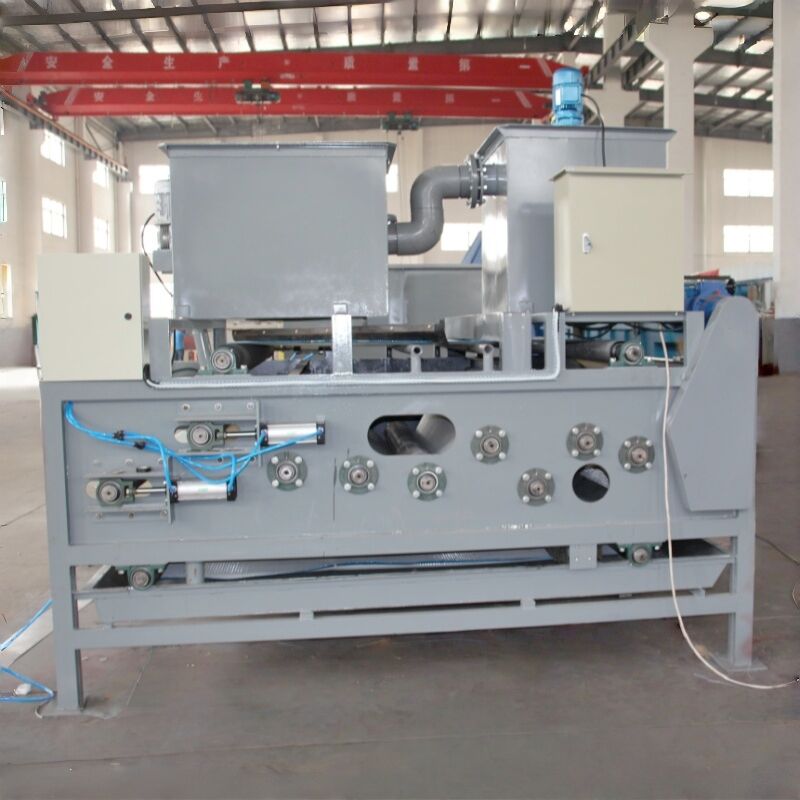
Շշի մամուլային տեխնոլոգիան ներկայացնում է SBR աղի ջրահեռացման ծրագրերի համար նոր լուծում, որն առաջարկում է ցածր էներգիայի սպառում եւ նվազագույն պահպանման պահանջներ: Այս համակարգերը ցուցաբերում են գերազանց կատարում լավ պայմանավորված աղեղի դեպքում եւ ապահովում են ջրահեռացման հետեւողական արդյունավետություն SBR կայաններում սովորաբար հանդիպող տարբեր գործառնական պայմաններում:
Գործունակության վերահսկման եւ վերահսկման համակարգեր
Ինտեգրված վերահսկողության համակարգերը ապահովում են կարեւոր հետադարձ կապ SBR կիրառություններում աղի ջրահեռացման սարքավորումների կատարողականի օպտիմալացման համար: Քարտուղարների եւ գործակալությունների կողմից կատարվող աշխատանքների արդյունքում ստացված արդյունքները Այս վերահսկողության հնարավորությունները աջակցում են կանխարգելիչ պահպանման եւ անսարքության լուծման մոտեցումներին:
Ծանրաբեռնված կառավարման ալգորիթմները ինքնաբերաբար ճշգրտում են շահագործման պարամետրերը՝ հիմնվելով մուտքային սեղմված կեղտաջրերի բնութագրերի և ցանկալի արդյունքների վրա: Այս համակարգերը օպտիմալացնում են պոլիմերի ներարկման չափը, սարքավորումների արագությունը և ճնշման սահմանափակումները՝ ապահովելու համասեռ ջրի առանձնացման արդյունավետությունը, միաժամանակ հարմարվելով SBR սեղմված կեղտաջրերի հատկությունների փոփոխություններին տարբեր շահագործման փուլերում:
Տվյալների գրանցման և միտումների վերլուծության հնարավորությունները աջակցում են երկարաժամկետ արդյունավետության օպտիմալացմանը՝ նույնացնելով շահագործման օրինաչափությունները և սարքավորումների արդյունավետության միտումները: Այս տեղեկատվությունը հնարավորություն է տալիս իրականացնել կանխատեսող սպասարկման ռազմավարություններ և աջակցել անընդհատ բարելավման նախաձեռնություններին SBR-ի և սեղմված կեղտաջրերի ջրի առանձնացման սարքավորումների ինտեգրված համակարգերում:
Շահագործման համար կարևոր համարվող հանգամանքներ և լավագույն մեթոդներ
Պրոցեսի կառավարում և ավտոմատացման ռազմավարություններ
Արդյունավետ գործընթացի կառավարման ստրատեգիաները ապահովում են SBR կենսաբանական մշակման և մեխանիկական ջրի առանձնացման գործողությունների անխափան ինտեգրումը: Ավտոմատացված հաջորդականության համակարգերը համակարգում են SBR ռեակտորներից ստեղծված կեղտաջրերի հեռացումը հետագա ստեղծված կեղտաջրերի ջրի առանձնացման սարքավորումների շահագործման ցիկլերի հետ: Այս համակարգումը նվազեցնում է պահեստավորման պահանջները՝ միաժամանակ պահպանելով անընդհատ մշակման հնարավորությունը:
Ջրի առանձնացման արդյունքների և վերին հոսանքի SBR գործառույթի միջև հակադարձ կապի կառավարման օղակները թույլ են տալիս դինամիկ օպտիմալացնել ամբողջ համակարգի արդյունքները: Ջրի առանձնացման արդյունավետության վերահսկումը տրամադրում է արժեքավոր տեղեկատվություն SBR-ի շահագործման պարամետրերը ճշգրտելու համար՝ բարելավելու ստեղծված կեղտաջրերի բնութագրերը և ամբողջական մշակման արդյունավետությունը:
Ավարտական արձագանքի պրոտոկոլները ապահովում են շահագործման անընդհատությունը սարքավորումների սպասարկման կամ անսպասելի համակարգային խափանումների ժամանակ: Պահեստային համակարգերը և այլընտրանքային մշակման ուղիները պահպանում են մշակման հնարավորությունը, մինչդեռ հիմնական ստեղծված կեղտաջրերի ջրի առանձնացման սարքավորումները ենթարագել են սպասարկման կամ վերանորոգման ընթացակարգերի:
Սպասարկում և խնդիրների լուծման մոտեցումներ
Ինտեգրված SBR և ջրի հեռացման համակարգերի համար մշակված կանխարգելիչ սպասարկման ծրագրերը առավելագույնի են հասցնում սարքավորումների հավաստիությունը՝ միաժամանակ նվազեցնելով շահագործման ընթացքում առաջացող խափանումները: Պարբերաբար իրականացվող ստուգումների գրաֆիկները և բաղադրիչների փոխարինման ընթացակարգերը ապահովում են կենսաբանական մաքրման և մեխանիկական ջրի հեռացման գործընթացների հաստատուն արդյունավետությունը:
Խնդիրների լուծման ընթացակարգերը վերաբերում են ինտեգրման ընթացքում առաջացող տարածված մարտահրավերների՝ ներառյալ կեղտաջրերի հատկանիշների փոփոխականությունը, սարքավորումների համաժամանակյան աշխատանքի խնդիրները և արդյունավետության օպտիմալացման պահանջները: Համակարգային ախտորոշման մոտեցումները հնարավորություն են տալիս արագ նույնականացնել և վերացնել ինտեգրված համակարգի աշխատանքի վրա ազդող խնդիրները:
Գործառնական աշխատակիցների համար նախատեսված վերապատրաստման ծրագրերը շեշտադրում են SBR-ի և թափոնների ջրի հեռացման սարքավորումների գործառնական փոխկապակցվածությունը: Այս փոխհարաբերությունների հասկանալը հնարավորություն է տալիս օպերատորներին օպտիմալացնել ամբողջ համակարգի աշխատանքը՝ պահպանելով առանձին բաղադրիչների արդյունավետությունը տարբեր գործառնական պայմաններում:
Տնտեսական եւ բնապահպանական օգուտներ
Ծախսերի օպտիմալացումը ինտեգրված նախագծման միջոցով
Ինտեգրված SBR և թափոնների ջրի հեռացման սարքավորումների համակարգերը տրամադրում են կարևոր տնտեսական առավելություններ՝ օպտիմալացված նախագծման և գործառնական աշխատանքի շնորհիվ: Ենթակառուցվածքների պահանջների նվազեցումը, միջանկյալ պահեստավորման անհրաժեշտության նվազեցումը և էներգաօգտագործման բարելավումը նպաստում են մշակման ընդհանուր ծախսերի իջեցմանը՝ համեմատած առանձին նախագծված համակարգերի հետ:
Գործառնական ծախսերի նվազեցումը հետևանք է քիմիական նյութերի օպտիմալ օգտագործման, աշխատավարձի պահանջների նվազեցման և սարքավորումների օգտագործման արդյունավետության բարելավման: Զարգացած կառավարման համակարգերի ինտեգրումը նվազեցնում է օպերատորի միջամտությունը՝ միաժամանակ պահպանելով օպտիմալ աշխատանքային ցուցանիշներ ինչպես կենսաբանական մշակման, այնպես էլ մեխանիկական ջրի հեռացման գործընթացներում:
Երկարաժամկետ տնտեսական առավելությունները ներառում են սպասարկման ծախսերի նվազեցումը, սարքավորումների ծառայության ժամկետի երկարացումը և մշակման հավաստիության բարելավումը: Այս գործոնները նպաստում են կյանքի ցիկլի ընդհանուր ծախսերի նվազեցմանը և ներառող ինտեգրված մշակման կայանների ներդրումների վերադարձի բարելավմանը՝ միաժամանակ օգտագործելով ինչպես SBR, այնպես էլ առաջադեմ ստեղծված կեղտաջրերի մշակման սարքավորումներ:
Շրջակա միջավայրի վրա ազդեցությունը եւ կայունությունը
Ինտեգրված SBR-ի և կեղտաջրերի մշակման սարքավորումների համակարգերի շրջակա միջավայրի վրա ունեցած ազդեցության նվազեցման առավելությունները ներառում են էներգասպառման նվազեցումը, թափոնների առաջացման նվազեցումը և ռեսուրսների վերականգնման բարելավումը: Օպտիմալ համակարգի նախագծումը նվազեցնում է կեղտաջրերի մշակման գործողությունների ընդհանուր շրջակա միջավայրի վրա ունեցած ազդեցությունը՝ միաժամանակ պահպանելով բարձր մշակման ստանդարտներ:
Ինտեգրված համակարգերից ստացված բարելավված կենսասունկերի որակը աջակցում է դրանց օգտակար վերաօգտագործման կիրառումներին, այդ թվում՝ գյուղատնտեսական հողերում դիմում և կոմպոստավորման ծրագրերում: Բարելավված ջրի առանձնացման արդյունքները նվազեցնում են տրանսպորտավորման ծախսերը և հնարավորություն են տալիս կիրառել ավելի կայուն կենսասունկերի կառավարման մեթոդներ ամբողջ մշակման կայանի կյանքի ցիկլի ընթացքում:
Քիմիական նյութերի սպառման նվազեցումը և թափոնների հոսքերի նվազագույնի հասցմանը նպաստում են ինտեգրված մաքրման կայանների կայունության ցուցանիշների բարելավմանը: Այս շրջակա միջավայրի վրա դրական ազդեցությունները համապատասխանում են արդյունաբերական և մունիցիպալ կիրառումներում աճող պահանջներին և կազմակերպությունների կայուն զարգացման նախաձեռնություններին:
Հաճախ տրամադրվող հարցեր
Ի՞նչ են հիմնական գործոնները, որոնք պետք է հաշվի առնել SBR համակարգերի ինտեգրման ժամանակ ստորին ջրի հեռացման սարքավորումների հետ:
Հիմնական ինտեգրման գործոններն են ստորին ջրի բնութագրերի գնահատումը, սարքավորումների հզորության համապատասխանեցումը, գործընթացի ժամանակային համակարգումը և կառավարման համակարգերի համատեղելիությունը: Այս գործոնների ճիշտ գնահատումը ապահովում է ինտեգրված մաքրման համակարգերի օպտիմալ աշխատանքը և հուսալի շահագործումը՝ նվազագույնի հասցնելով շահագործման բարդությունները և սպասարկման պահանջները:
Ինչպե՞ս է ստորին ջրի նախնական մշակումը ազդում SBR-ի և ջրի հեռացման գործընթացների ինտեգրման վրա:
Սերտաբետումը կարևոր ազդեցություն է ունենում ինտեգրման հաջողության վրա՝ բարելավելով ջրի առանձնացման արդյունավետությունը և ապահովելով սարքավորումների կայուն աշխատանքը: Ճիշտ սերտաբետումը բարելավում է ջրի ազատագործման բնութագրերը, ինչպես նաև նվազեցնում պոլիմերի օգտագործումը և բարելավում սերտաբետված նստվածքի չորությունը: Արդյունավետ սերտաբետման մեթոդները պետք է հարմարեցված լինեն տվյալ SBR սերտաբետված նստվածքի բնութագրերին և սերտաբետված նստվածքի ջրի առանձնացման սարքավորումների համապատասխան պահանջներին:
Ի՞նչ սպասարկման հարցեր են հատուկ ինտեգրված SBR և ջրի առանձնացման սարքավորումների համակարգերի համար:
Ինտեգրված համակարգերը պահանջում են համակարգված սպասարկման պլանավորում՝ նվազեցնելու մշակման ընթացքում ընդհատումները և ապահովելու կենսաբանական մշակման ու մեխանիկական ջրի առանձնացման բաղադրիչների օպտիմալ աշխատանքը: Կանխարգելիչ սպասարկման ծրագրերը պետք է հաշվի առնեն սարքավորումների փոխկախվածությունը և ներառեն սարքավորումների սպասարկման ժամանակ մշակման կարողության պահպանման այլընտրանքային ծրագրեր:
Ինչպե՞ս են սեզոնային տատանումները ազդում SBR-ի և սերտաբետված նստվածքի ջրի առանձնացման սարքավորումների ինտեգրման վրա:
Տարվա եղանակային ջերմաստիճանի փոփոխությունները և մուտքային ջրի բնութագրերի տատանումները ազդում են ինչպես SBR-ի կենսաբանական գործընթացների, այնպես էլ ստորին նստվածքի ջրհեռացման արդյունավետության վրա: Ինտեգրված համակարգերը ստիպված են հաշվի առնել այս տատանումները՝ օգտագործելով ճկուն շահագործման պարամետրեր և հարմարվողական կառավարման ռազմավարություններ: Ճիշտ համակարգի նախագծում ներառվում են միջոցներ՝ ապահովելու տարվա բոլոր եղանակների ընթացքում համակարգի կայուն աշխատանքը՝ միաժամանակ օպտիմալացնելով էներգաօգտագործման արդյունավետությունը և մաքրման արդյունքները:
Բովանդակության սեղան
- SBR-ի թափոնների բնութագրերի և մշակման պահանջների հասկացում
- Ինտեգրման տեխնոլոգիաներ և համակարգի նախագծման մոտեցումներ
- Սարքավորումների ընտրություն և արդյունավետության օպտիմալացում
- Շահագործման համար կարևոր համարվող հանգամանքներ և լավագույն մեթոդներ
- Տնտեսական եւ բնապահպանական օգուտներ
-
Հաճախ տրամադրվող հարցեր
- Ի՞նչ են հիմնական գործոնները, որոնք պետք է հաշվի առնել SBR համակարգերի ինտեգրման ժամանակ ստորին ջրի հեռացման սարքավորումների հետ:
- Ինչպե՞ս է ստորին ջրի նախնական մշակումը ազդում SBR-ի և ջրի հեռացման գործընթացների ինտեգրման վրա:
- Ի՞նչ սպասարկման հարցեր են հատուկ ինտեգրված SBR և ջրի առանձնացման սարքավորումների համակարգերի համար:
- Ինչպե՞ս են սեզոնային տատանումները ազդում SBR-ի և սերտաբետված նստվածքի ջրի առանձնացման սարքավորումների ինտեգրման վրա: