 EN
EN
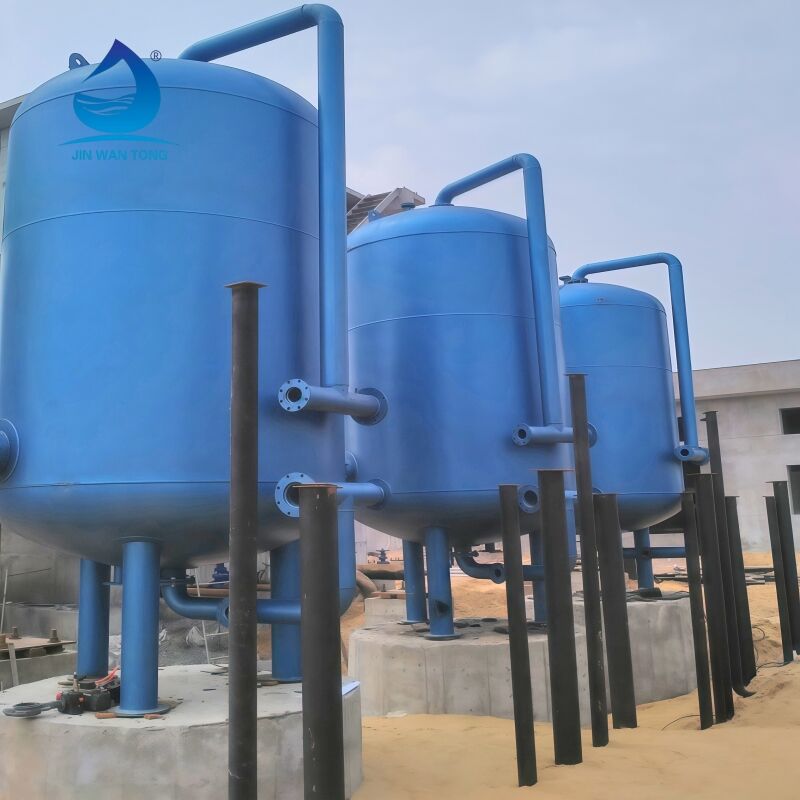
Oczyszczanie przemysłowych ścieków stwarza unikalne wyzwania, które wymagają zastosowania specjalistycznych rozwiązań filtracyjnych zdolnych do radzenia sobie z wysokimi obciążeniami zanieczyszczeń oraz różnorodnymi typami zanieczyszczeń. W przypadku przetwarzania ścieków przemysłowych o wysokiej mocy zanieczyszczenia wybór odpowiednich filtrów węglowych do oczyszczania przemysłowych ścieków staje się decyzją kluczową, która ma bezpośredni wpływ na skuteczność procesu oczyszczania, koszty eksploatacji oraz zgodność z przepisami prawa. Złożoność strumieni odpływów przemysłowych w połączeniu z coraz surowszymi przepisami środowiskowymi wymaga kompleksowego zrozumienia technologii filtracji węglowej oraz ich konkretnych zastosowań w warunkach przemysłowych.
Proces doboru filtrów węglowych do przemysłowych ścieków obejmuje wiele aspektów technicznych wykraczających poza podstawowe usuwanie zanieczyszczeń. Zakłady przemysłowe muszą ocenić takie czynniki jak natężenie przepływu, stężenia zanieczyszczeń, zgodność chemiczną, możliwość regeneracji oraz długoterminową zrównoważoność eksploatacji. Współczesne zakłady przemysłowe generują strumienie ścieków o różnorodnych cechach – od pozostałości po produkcji farmaceutycznej po produkty uboczne przemysłu petrochemicznego – wymagające dla każdego z nich indywidualnego podejścia do filtracji. Zrozumienie tych zmiennych umożliwia menedżerom zakładów wdrożenie opłacalnych rozwiązań oczyszczania, zapewniając jednocześnie zgodność z przepisami środowiskowymi oraz efektywność operacyjną.
Zrozumienie charakterystyki przemysłowych ścieków
Analiza składu chemicznego
Przemysłowe ścieki zawierają złożone mieszaniny związków organicznych, metali ciężkich, zawiesiny oraz różnych dodatków chemicznych, które znacząco wpływają na dobór odpowiednich filtrów węglowych do oczyszczania przemysłowych ścieków. Procesy produkcyjne w sektorach takich jak przemysł tekstylny, farmaceutyczny, spożywczy oraz chemiczny generują odpływy o charakterystycznych profilach zanieczyszczeń, wymagające specjalistycznych metod oczyszczania. Kompleksowa analiza chemiczna ujawnia obecność konkretnych zanieczyszczeń, w tym lotnych związków organicznych, substancji fenolowych, węglowodorów chlorkowych oraz związków aromatycznych, które różnią się reakcją na różne media filtracji węglowej.
Poziomy stężenia docelowych zanieczyszczeń odgrywają kluczową rolę przy określaniu optymalnej konfiguracji filtra węglowego w zastosowaniach przemysłowych. Ścieki o wysokiej zawartości zanieczyszczeń zawierają zwykle stężenia zanieczyszczeń w zakresie od setek do tysięcy miligramów na litr, co znacznie przekracza poziomy występujące w ściekach miejskich. Tak wysokie zanieczyszczenie wymaga zastosowania filtrów węglowych o zwiększonej zdolności adsorpcji oraz specjalistycznej strukturze porów, pozwalającej skutecznie usuwać związki o różnej wielkości cząsteczek i budowie chemicznej, przy jednoczesnym zapewnieniu stabilnej wydajności w trudnych warunkach eksploatacji.
Ocena właściwości fizycznych
Właściwości fizyczne, takie jak temperatura, poziom pH, zawartość mętności oraz zawiesiny, mają bezpośredni wpływ na wydajność i trwałość filtrów węglowych stosowanych w przemysłowych systemach oczyszczania ścieków. Podwyższone temperatury, typowe dla procesów przemysłowych, mogą wpływać na kinetykę adsorpcji oraz stabilność węgla, podczas gdy skrajne wartości pH mogą zagrozić integralności filtra oraz skuteczności usuwania zanieczyszczeń. Prawidłowa ocena tych parametrów zapewnia optymalny dobór filtrów i zapobiega przedwczesnemu awariom systemu lub obniżeniu skuteczności oczyszczania.
Wahania przepływu i charakterystyczne dla procesów przemysłowych wzory obciążenia hydraulicznego wymagają zastosowania systemów filtracji węglowej zaprojektowanych tak, aby radzić sobie z warunkami dynamicznymi bez utraty jakości oczyszczania. Okresy szczytowego odpływu, zakłócenia w przebiegu procesu oraz zaplanowane czynności konserwacyjne powodują zmienne obciążenie hydrauliczne i zanieczyszczeniowe, które należy uwzględnić poprzez odpowiednie doboru rozmiaru systemu oraz zapewnienie elastyczności jego działania. Zrozumienie tych wzorców umożliwia projektowanie odpornych systemów filtrów węglowych, które zapewniają stałą wydajność w różnych scenariuszach eksploatacyjnych.
Technologie i zastosowania filtrów węglowych
Specyfikacje węgla aktywnego
Wybór odpowiedniego medium węgla aktywnego stanowi podstawową decyzję przy projektowaniu skutecznych filtrów węglowych do zastosowań w oczyszczaniu przemysłowych ścieków. Różne typy węgla, w tym pochodzące z węgla kamiennego, drewna oraz łupin kokosowych, charakteryzują się odmiennymi rozkładami wielkości porów, powierzchniami właściwymi oraz cechami adsorpcyjnymi, które czynią je odpowiednimi do usuwania określonych zanieczyszczeń. Węgle aktywne pochodzenia węglowego zapewniają zazwyczaj doskonałą skuteczność w usuwaniu związków o dużej masie cząsteczkowej oraz substancji powodujących zabarwienie, podczas gdy węgle pochodzące z łupin kokosowych szczególnie dobrze radzą sobie z usuwaniem mniejszych cząsteczek organicznych oraz związków lotnych, które często występują w odpływach przemysłowych.
Powierzchnia i struktura porów determinują pojemność adsorpcyjną oraz kinetykę działania filtrów węglowych w zastosowaniach przemysłowych do oczyszczania ścieków. Węgle mikroporowate o powierzchni powyżej 1000 metrów kwadratowych na gram zapewniają wysoką pojemność adsorpcyjną wobec małych cząsteczek, podczas gdy struktury mezoporowate ułatwiają usuwanie większych związków organicznych oraz złożonych cząsteczek. Optymalna specyfikacja węgla uzgadnia te cechy w oparciu o konkretne profile zanieczyszczeń oraz cele procesu oczyszczania, zapewniając maksymalną skuteczność usuwania zanieczyszczeń oraz przedłużając czas eksploatacji.
Opcje konfiguracji filtra
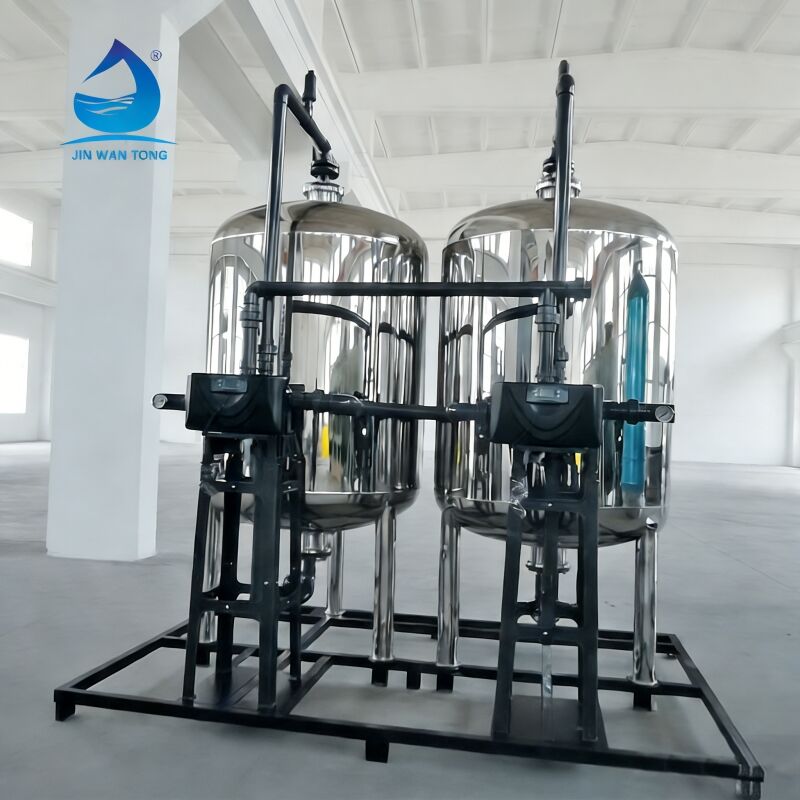
Konfiguracje filtrów węglowych do oczyszczania przemysłowych ścieków obejmują systemy z nieruchomą warstwą, reaktory z ruchomą warstwą oraz konstrukcje z zawieszoną warstwą, przy czym każda z nich oferuje wyraźne zalety w zależności od konkretnego zastosowania i wymagań eksploatacyjnych. Systemy z nieruchomą warstwą zapewniają niezawodną pracę i prostą obsługę, co czyni je odpowiednimi dla stałych obciążeń zanieczyszczeniami oraz przewidywalnych warunków eksploatacji. W tych systemach przepływ przez nieruchome warstwy węgla odbywa się pod wpływem siły grawitacji lub ciśnienia, co umożliwia skuteczny czas kontaktu oraz usuwanie zanieczyszczeń przy jednoczesnym minimalizowaniu złożoności eksploatacji i potrzeb konserwacji.
Zaawansowany filtry węglowe do oczyszczania przemysłowych ścieków zastosowania mogą obejmować wielostopniowe konfiguracje łączące różne typy węgla oraz uzupełniające technologie oczyszczania, aby rozwiązać złożone przypadki zanieczyszczenia. Te zintegrowane systemy zoptymalizowują skuteczność usuwania różnorodnych mieszanin zanieczyszczeń, zapewniając przy tym elastyczność eksploatacyjną oraz zwiększoną niezawodność procesu oczyszczania. Filtry wielowarstwowe zawierające warstwy węgla aktywnego w połączeniu z piaskiem, antracytem lub specjalnymi materiałami filtracyjnymi tworzą kompleksowe rozwiązania oczyszczające, zdolne do jednoczesnego usuwania zarówno zawiesiny, jak i rozpuszczonych zanieczyszczeń organicznych w jednym systemie.
Kryteria wyboru i parametry wydajności
Ocena pojemności adsorpcyjnej
Określenie wymagań dotyczących pojemności adsorpcyjnej filtrów węglowych do przemysłowych ścieków wymaga kompleksowych badań i modelowania w celu ustalenia optymalnych ilości węgla oraz harmonogramów jego wymiany. Badania izotermy dostarczają podstawowych danych na temat równowagowych zależności adsorpcyjnych między konkretnymi zanieczyszczeniami a medium węglowym w warunkach zmieniających się stężeń. Te informacje umożliwiają dokładne doboru rozmiaru systemu oraz przewidywanie jego wydajności, zapewniając wystarczającą zdolność oczyszczania przy jednoczesnym minimalizowaniu niepotrzebnego zużycia węgla i związanych z nim kosztów.
Badania kinetyczne ujawniają zależne od czasu zachowanie adsorpcji, które jest kluczowe przy projektowaniu filtrów węglowych do przemysłowych ścieków – umożliwia to doboru odpowiednich czasów kontaktu oraz konfiguracji przepływu. Zanieczyszczenia szybko adsorbujące mogą być skutecznie usuwane już przy krótszych czasach kontaktu, podczas gdy zanieczyszczenia adsorbujące się powoli wymagają dłuższych okresów retencji lub specjalnych konfiguracji węgla aktywnego. Zrozumienie tych zależności kinetycznych pozwala zoptymalizować wymiary filtrów, natężenia przepływu oraz parametry eksploatacyjne, aby osiągnąć założone efektywności usuwania przy jednoczesnym zapewnieniu opłacalności ekonomicznej.
Uwagi dotyczące efektywności operacyjnej
Wzorce zużycia energii związane z filtrami węglowymi w procesie oczyszczania przemysłowych ścieków mają istotny wpływ na długoterminowe koszty eksploatacji oraz zrównoważoność systemu. Charakterystyka spadku ciśnienia w warstwach węgla wpływa na wymagania dotyczące pompowania i zużycie energii, podczas gdy procedury przemywania wstecznego i regeneracji zużywają dodatkowe zasoby, które należy uwzględnić w ocenie całkowitych kosztów. Optymalizacja tych parametrów poprzez odpowiednie zaprojektowanie systemu oraz właściwe praktyki eksploatacyjne minimalizuje zużycie energii przy jednoczesnym utrzymaniu skuteczności procesu oczyszczania.
Wymagania konserwacyjne i harmonogramy wymiany węgla mają bezpośredni wpływ na wydajność operacyjną i koszty cyklu życia filtrów węglowych w przemysłowych systemach oczyszczania ścieków. Predykcyjne metody konserwacji oparte na monitorowaniu wydajności i wskaźnikach zużycia węgla umożliwiają proaktywne zarządzanie systemem i zapobiegają nieoczekiwanym awariom lub zakłóceniom w procesie oczyszczania. Wprowadzenie przejrzystych protokołów konserwacji i dbanie o zapas części zamiennych zapewnia stałą dostępność systemu i niezawodność procesu oczyszczania, a jednocześnie optymalizuje koszty operacyjne i wykorzystanie zasobów.
Strategie projektowania i wdrażania systemu
Metodologia doboru rozmiaru i konfiguracji
Poprawna metoda doboru rozmiaru filtrów węglowych do przemysłowych ścieków wymaga starannego uwzględnienia natężenia obciążenia hydraulicznego, czasu kontaktu w pustym łóżku oraz stopnia wykorzystania węgla, opartych na charakterystyce konkretnych zanieczyszczeń i celach procesu oczyszczania. Konserwatywne podejście projektowe uwzględnia potencjalne wahania obciążeń zanieczyszczeniowych oraz warunków eksploatacyjnych, zapewniając spójną skuteczność działania w różnorodnych scenariuszach oraz wystarczające zapasy bezpieczeństwa w przypadku nieprzewidzianych zakłóceń procesu lub zdarzeń zanieczyszczeniowych.
Wielostopniowe konfiguracje filtrów węglowych umożliwiają zoptymalizowaną wydajność w przypadku złożonych przepływów ścieków przemysłowych zawierających różnorodne mieszaniny zanieczyszczeń o odmiennych charakterystykach adsorpcyjnych. Konfiguracje typu „lider–podążający” maksymalizują efektywność wykorzystania węgla, zapewniając jednocześnie niezawodność procesu oczyszczania oraz stałą jakość odpływu. Takie ułożenia pozwalają na selektywne wymienianie węgla w oparciu o wzorce jego wyczerpania, co redukuje koszty eksploatacyjne przy jednoczesnym utrzymaniu skutecznej wydajności oczyszczania przez cały okres użytkowania systemu.
Integracja z istniejącą infrastrukturą oczyszczalni
Skuteczna implementacja filtrów węglowych do przemysłowych ścieków wymaga starannego zintegrowania ich z istniejącą infrastrukturą oczyszczalni, w tym systemami wstępnego oczyszczania, procesami biologicznymi oraz technologiami polerskimi stosowanymi w końcowej fazie. Poprawne uszeregowanie zapewnia optymalne usuwanie zanieczyszczeń, zapobiegając jednocześnie wzajemnym zakłóceniom między poszczególnymi etapami oczyszczania i maksymalizując ogólną wydajność systemu. Współpraca z procesami poprzedzającymi minimalizuje wpływ zawiesiny i materii organicznej na skuteczność i trwałość filtrów węglowych.
Systemy monitoringu i sterowania umożliwiają optymalizację w czasie rzeczywistym filtrów węglowych stosowanych w procesach oczyszczania przemysłowych ścieków poprzez automatyczną korektę parametrów oraz śledzenie wydajności. Zaawansowane przyrządy pomiarowe zapewniają ciągłe dane dotyczące skuteczności usuwania zanieczyszczeń, różnic ciśnień oraz wzorców przebicia, co pozwala na proaktywne zarządzanie systemem i jego optymalizację. Te możliwości wspierają planowanie konserwacji predykcyjnej oraz dostosowania operacyjne, które maksymalizują skuteczność oczyszczania, jednocześnie minimalizując koszty eksploatacyjne oraz zużycie zasobów.
Względy ekonomiczne i środowiskowe
Ramka analizy koszt-klasyfikator
Kompleksowa ocena kosztów filtrów węglowych do przemysłowych ścieków obejmuje początkowe inwestycje kapitałowe, bieżące koszty operacyjne oraz potencjalne oszczędności wynikające z zgodności z przepisami regulacyjnymi i możliwości odzysku surowców. Analiza kosztów w cyklu życia uwzględnia częstotliwość wymiany węgla, wzorce zużycia energii, wymagania serwisowe oraz koszty utylizacji lub regeneracji, co pozwala określić całkowite koszty posiadania. Takie oceny umożliwiają podejmowanie uzasadnionych decyzji oraz optymalizację systemu w oparciu o opłacalność ekonomiczną i długoterminowe cele zrównoważonego rozwoju.
Korzyści ekonomiczne związane z zastosowaniem skutecznych filtrów węglowych do przemysłowych ścieków wykraczają poza bezpośrednie koszty oczyszczania i obejmują potencjalne generowanie przychodów poprzez odzysk surowców oraz korzyści wynikające ze zgodności z przepisami. Skuteczne usuwanie zanieczyszczeń może umożliwić ponowne wykorzystanie wody, co prowadzi do ograniczenia zużycia wody słodkiej oraz związanych z tym kosztów. Ponadto stała zgodność z obowiązującymi przepisami pozwala uniknąć kosztownych kar oraz potencjalnych zakłóceń w procesie produkcyjnym, wspierając jednocześnie zrównoważone praktyki operacyjne oraz inicjatywy związane z ochroną środowiska.
Ocena wpływu na środowisko
Zagadnienia środowiskowe związane z filtrami węglowymi do przemysłowych ścieków obejmują analizę śladu węglowego, wzorce generowania odpadów oraz potencjalne skutki ekologiczne związane z produkcją, transportem i utylizacją węgla. Zrównoważone źródła węgla oraz technologie regeneracji minimalizują oddziaływanie na środowisko, zachowując przy tym skuteczność procesu oczyszczania. Oceny cyklu życia zapewniają kompleksową analizę skutków środowiskowych, wspierając podejmowanie świadomych decyzji oraz praktyki projektowania systemów zgodnych z zasadami zrównoważonego rozwoju.
Wymagania dotyczące zgodności z przepisami coraz bardziej podkreślają ochronę środowiska i praktyki zrównoważonego rozwoju w zastosowaniach oczyszczania ścieków przemysłowych. Filtry węglowe do ścieków przemysłowych muszą wykazywać spójną skuteczność w spełnianiu norm dotyczących odprowadzania ścieków, jednocześnie minimalizując oddziaływanie na środowisko poprzez efektywne wykorzystanie zasobów i ograniczanie ilości odpadów. Proaktywne zarządzanie środowiskowe wspiera zgodność z przepisami oraz świadczy o odpowiedzialności korporacyjnej, a także może uprawniać do uzyskania zachęt środowiskowych oraz certyfikatów z zakresu zrównoważonego rozwoju.
Często zadawane pytania
Jakie czynniki decydują o odpowiednim typie węgla dla konkretnych zastosowań w oczyszczaniu ścieków przemysłowych
Wybór typu węgla aktywnego do zastosowań w oczyszczaniu przemysłowych ścieków zależy od charakterystyki zanieczyszczeń, w tym od ich rozmiaru cząsteczkowego, polarności oraz stężenia. Węgle pochodzenia węglowego skutecznie usuwają większe cząsteczki organiczne oraz związki barwiące, podczas gdy węgle pochodzące ze skorup kokosowych wyróżniają się zdolnością wiązania mniejszych cząsteczek i lotnych związków organicznych. Węgle pochodzenia drzewnego zapewniają pośrednie właściwości użytkowe, odpowiednie do strumieni zawierających mieszankę różnych zanieczyszczeń. Dodatkowo na wybór węgla aktywnego dla konkretnych zastosowań wpływają takie czynniki jak odporność na zmiany pH, stabilność w zakresie temperatur oraz kompatybilność z procesami regeneracji.
W jaki sposób zakłady mogą zoptymalizować harmonogramy wymiany węgla aktywnego, aby zminimalizować koszty eksploatacyjne?
Optymalizacja harmonogramów wymiany węgla aktywnego wymaga ciągłego monitorowania wzorców przebicia zanieczyszczeń, trendów różnic ciśnień oraz parametrów jakości odpływu, aby ustalić predykcyjne wskaźniki wymiany. Konfiguracje filtrów typu „prowadzący–późniejszy” umożliwiają selektywną wymianę węgla na podstawie wzorców jego wyczerpania, a nie według stałych harmonogramów. Analiza danych dotyczących wydajności pozwala określić optymalny moment wymiany, który zapewnia równowagę między skutecznością oczyszczania a efektywnością wykorzystania węgla. Dodatkowo opcje regeneracji węgla mogą wydłużyć jego czas użytkowania i zmniejszyć częstotliwość wymiany w przypadku odpowiednich zastosowań.
Jakie wymagania w zakresie wstępnego oczyszczania poprawiają wydajność filtrów węglowych w przemyślowych ściekach
Skuteczne wstępną obróbkę filtrów węglowych do przemysłowych ścieków zwykle obejmuje usuwanie zawiesiny poprzez sedymentację lub filtrację, oddzielanie olejów i tłuszczów oraz korekcję pH do optymalnych zakresów. Wstępna obróbka biologiczna może zmniejszyć obciążenie organiczne i poprawić wydajność wykorzystania węgla. Osadzanie i usuwanie metali ciężkich zapobiega zakłócaniu mechanizmów adsorpcji na węglu. Te etapy wstępnej obróbki wydłużają żywotność węgla, zwiększają skuteczność usuwania zanieczyszczeń oraz obniżają koszty eksploatacji, zapewniając przy tym stałą wydajność procesu oczyszczania.
W jaki sposób przepisy środowiskowe wpływają na wybór i projektowanie filtrów węglowych?
Przepisy środowiskowe określają limity odprowadzania ścieków, które bezpośrednio wpływają na doboru rozmiaru i wymagań dotyczących wydajności filtrów węglowych w zastosowaniach przemysłowych. Surowe standardy mogą wymagać ulepszonych specyfikacji węgla lub konfiguracji wielostopniowych w celu zapewnienia zgodności z przepisami. Nowe przepisy dotyczące zanieczyszczeń pojawiających się w środowisku stwarzają nowe wyzwania w zakresie oczyszczania, co wpływa na dobór węgla oraz podejścia do projektowania systemów. Ponadto przepisy dotyczące gospodarowania odpadami wpływają na opcje utylizacji i regeneracji węgla, co ma wpływ na całkowite koszty systemu oraz strategie operacyjne zapewniające zgodność z zasadami zrównoważonego rozwoju.
Spis treści
- Zrozumienie charakterystyki przemysłowych ścieków
- Technologie i zastosowania filtrów węglowych
- Kryteria wyboru i parametry wydajności
- Strategie projektowania i wdrażania systemu
- Względy ekonomiczne i środowiskowe
-
Często zadawane pytania
- Jakie czynniki decydują o odpowiednim typie węgla dla konkretnych zastosowań w oczyszczaniu ścieków przemysłowych
- W jaki sposób zakłady mogą zoptymalizować harmonogramy wymiany węgla aktywnego, aby zminimalizować koszty eksploatacyjne?
- Jakie wymagania w zakresie wstępnego oczyszczania poprawiają wydajność filtrów węglowych w przemyślowych ściekach
- W jaki sposób przepisy środowiskowe wpływają na wybór i projektowanie filtrów węglowych?