 EN
EN
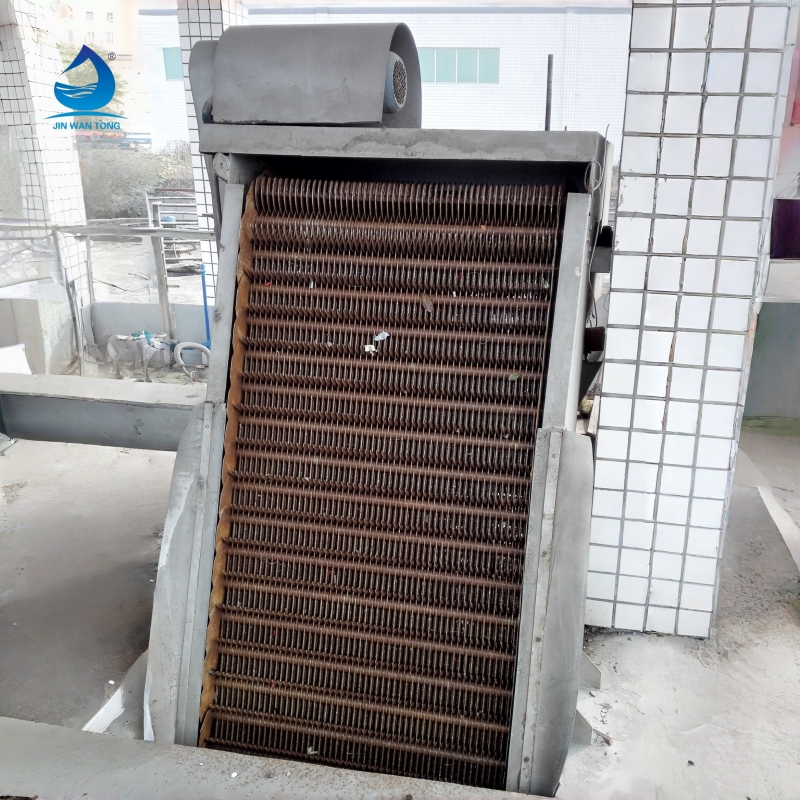
A bar screen protects pumps, pipes, MBR units, and downstream tanks in space-limited plants. This guide explains how to choose a compact bar screen for a packaged wastewater treatment plant, including screen type, bar spacing, peak flow, installation layout, automation, and long-term wastewater pretreatment equipment cost.
Why a Compact Bar Screen Matters in Small Plants
A compact bar screen is important because one small blockage can stop the whole treatment line. In a small wastewater treatment plant, there is usually limited buffer volume, limited operator attendance, and less room for emergency cleaning.
For a packaged wastewater treatment plant, screening is not just a simple front-end accessory. It protects lift pumps, equalization tanks, MBBR media, MBR membranes, aeration systems, valves, and pipelines from rags, plastics, fibers, food waste, and floating solids. When the wastewater bar screen is poorly selected, downstream maintenance cost often becomes much higher than the original screening cost.
Small plants are common in hotels, resorts, rural communities, construction camps, schools, hospitals, service areas, industrial workshops, and containerized wastewater systems. These sites often need compact design, automatic cleaning, easy access, and stable hydraulic passage.
| Site Condition | Common Risk | Practical Design Priority |
|---|---|---|
| Limited footprint | Large equipment cannot fit | Compact channel or tank-mounted design |
| Few operators | Manual cleaning is delayed | automatic bar screen or easy-clean design |
| Variable inflow | Sudden water level rise | Design for peak flow |
| MBR downstream | Hair and fibers cause fouling | fine screen protection |
| Low budget | Cheap screen fails early | Balance CAPEX and OPEX |
The key purchasing rule is simple: do not choose the smallest machine; choose the smallest reliable machine that can handle peak flow and debris load.
Main Bar Screen Designs for Packaged Plants
The right bar screen design depends on operation mode, flow rate, solids load, and maintenance frequency. Small plants can use different configurations, from simple manual units to fully automatic compact systems.
A manual bar screen is suitable for very small flows where someone can clean the screen regularly. It has low purchase cost, but the real risk is neglect. If operators are not available, blocked screenings can cause overflow, pump failure, or bad odor.
A mechanical bar screen is better when the site has steady flow and moderate debris. It removes captured solids automatically or semi-automatically, reducing manual labor. It is often used in small municipal stations, industrial ETPs, and prefabricated treatment systems.
An automatic bar screen is preferred for unattended or remote sites. It can start by timer, water level difference, or PLC signal. For containerized plants or decentralized treatment systems, this can reduce emergency visits and improve reliability.
A coarse screen is mainly used to stop large objects before pumps. A fine screen is used when the downstream process is sensitive, especially before MBR or compact biological systems. In some projects, screening equipment for wastewater may combine coarse protection and finer screening in one compact package.
How to Choose Bar Spacing and Hydraulic Capacity
Bar spacing should be selected according to downstream protection needs, not only by standard catalog options. A compact bar screen with smaller spacing captures more solids, but it also increases clogging risk and head loss.
For pump protection, wider spacing may be acceptable. For MBR or membrane-based plants, finer screening is usually necessary because hair, fiber, and soft plastics can damage performance. For food wastewater or industrial wash water, the screen must also consider grease, suspended solids, and sticky residues.
A bar screen must also be sized for peak flow, not only average flow. Small plants often experience short but strong hydraulic peaks: morning and evening domestic discharge, hotel laundry flow, canteen wastewater, batch industrial drainage, or pump station surges. If the wastewater bar screen is undersized, water level rises quickly and solids may be forced through or around the screen.
| Application | Recommended Screening Logic | Buyer Warning |
|---|---|---|
| Pump station inlet | Use coarse screen first | Do not let rags reach pumps |
| Rural STP | Balance spacing and cleaning frequency | Avoid too fine if maintenance is rare |
| MBR packaged plant | Use fine screen | Hair and fibers must be controlled |
| Food wastewater | Consider grease and organic solids | Cleaning access is critical |
| Industrial ETP | Match material and chemistry | Check corrosion and temperature |
A practical buyer should ask the supplier to confirm allowable head loss, peak hydraulic capacity, debris load, channel dimensions, and bypass arrangement before finalizing the model.
Manual or Automatic Bar Screen: Which Is Better?
An automatic bar screen is better when labor is limited, the site is remote, or the downstream process cannot tolerate blockage. For many small plants, the cost of one pump failure or MBR cleaning event can exceed the price difference between manual and automatic screening.
A manual bar screen can still be a reasonable choice for very low-flow sites with reliable operators. It is simple, durable, and inexpensive. However, it requires discipline. If nobody removes screenings on time, the system becomes a hidden operational risk.
A mechanical bar screen is often the middle option. It reduces manual cleaning but may not include all advanced controls. Buyers should check whether the drive system, rake mechanism, discharge height, and cleaning method suit the plant layout.
| Option | Best Use | Main Limitation |
|---|---|---|
| Manual type | Very small flow, regular operator visits | Labor-dependent |
| Mechanical type | Small to medium flow, routine operation | Needs mechanical maintenance |
| Automatic type | Remote, unattended, MBR, packaged systems | Higher initial cost |
The decision should be based on who will operate the plant after installation. If the owner cannot guarantee daily cleaning, automation is usually safer.
Installation Details for a Packaged Wastewater Treatment Plant
Installation success depends on layout, access, and solids discharge. A bar screen that fits on paper may still fail if there is no space to remove screenings, inspect the drive, or wash the unit.
For a compact bar screen, buyers should confirm channel width, channel depth, inlet pipe elevation, peak water level, installation angle, equipment height, discharge direction, and maintenance clearance. In a packaged wastewater treatment plant, every centimeter matters. A screen installed too close to a wall, tank cover, or container ceiling may be difficult to maintain.
For buried or containerized systems, odor control and safe access are also important. Screenings should be discharged into a bin, bag, screw conveyor, or small compactor depending on site conditions. If screenings are wet and exposed, they can create odor, flies, and housekeeping problems.
Qingdao Jinwantong Environmental Science And Technology Co., Ltd. supplies integrated wastewater treatment systems and wastewater pretreatment equipment for small and packaged projects. In practical design, the company can help match screening layout with pumps, equalization tanks, MBR units, DAF systems, and site installation limits.
Material, Maintenance, and Long-Term Cost
A bar screen should be evaluated by life-cycle cost, not only purchase price. Small equipment can still create large costs if it corrodes, blocks often, or lacks spare parts.
For domestic sewage, stainless steel or properly coated carbon steel may be used depending on budget and exposure. For industrial wastewater, material selection must consider pH, chloride, oil, temperature, chemicals, and abrasives. Coastal sites, food plants, chemical workshops, and high-salt wastewater may require stronger corrosion resistance.
Maintenance should be simple. Operators should be able to inspect bars, rake teeth, chain, bearings, motor, reducer, spray system, and discharge area without dismantling the whole unit. For automatic systems, sensors and control logic should be protected from moisture and easy to troubleshoot.
Before purchase, ask these questions:
- What is the average and peak flow?
- What solids are expected: rags, plastics, fibers, hair, food waste, grit, or grease?
- What downstream process must be protected?
- What bar spacing is recommended and why?
- Is there enough maintenance space?
- Will the plant be attended daily or only periodically?
- What material is suitable for the wastewater chemistry?
- How are screenings collected and removed?
- Are spare parts available locally or quickly?
- What happens if the screen stops during peak flow?
These answers help prevent common mistakes, such as choosing too fine a screen without cleaning capacity, ignoring peak flow, or installing a unit that cannot be accessed after commissioning.
Final Recommendation for Compact Screening
The best bar screen for a small plant is the one that protects downstream equipment while matching flow, space, debris, and maintenance reality. A compact bar screen is ideal when the project needs reliable pretreatment in a limited footprint, but it must not be undersized.
For a packaged wastewater treatment plant, choose automation when operator visits are limited, choose suitable spacing based on the downstream process, and confirm hydraulic capacity under peak flow. If you need support selecting wastewater pretreatment equipment for a small STP, ETP, MBR, or containerized system, contact Qingdao Jinwantong with your flow data, layout, and water characteristics. Our team can recommend a practical bar screen configuration that fits your site and operation plan.
Table of Contents
- Why a Compact Bar Screen Matters in Small Plants
- Main Bar Screen Designs for Packaged Plants
- How to Choose Bar Spacing and Hydraulic Capacity
- Manual or Automatic Bar Screen: Which Is Better?
- Installation Details for a Packaged Wastewater Treatment Plant
- Material, Maintenance, and Long-Term Cost
- Final Recommendation for Compact Screening