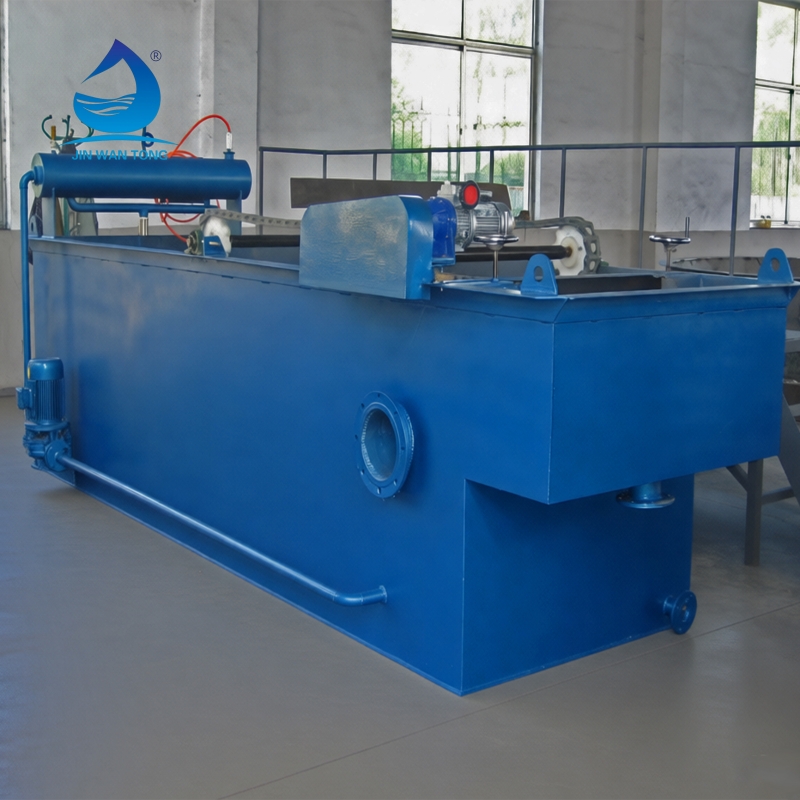
A clarifier tank with a sludge scraper mechanism separates solids by gravity, then continuously moves settled sludge to a discharge point. This article explains the full solid-liquid separation process, why scraper design matters, and what buyers sho...
VIEW MORE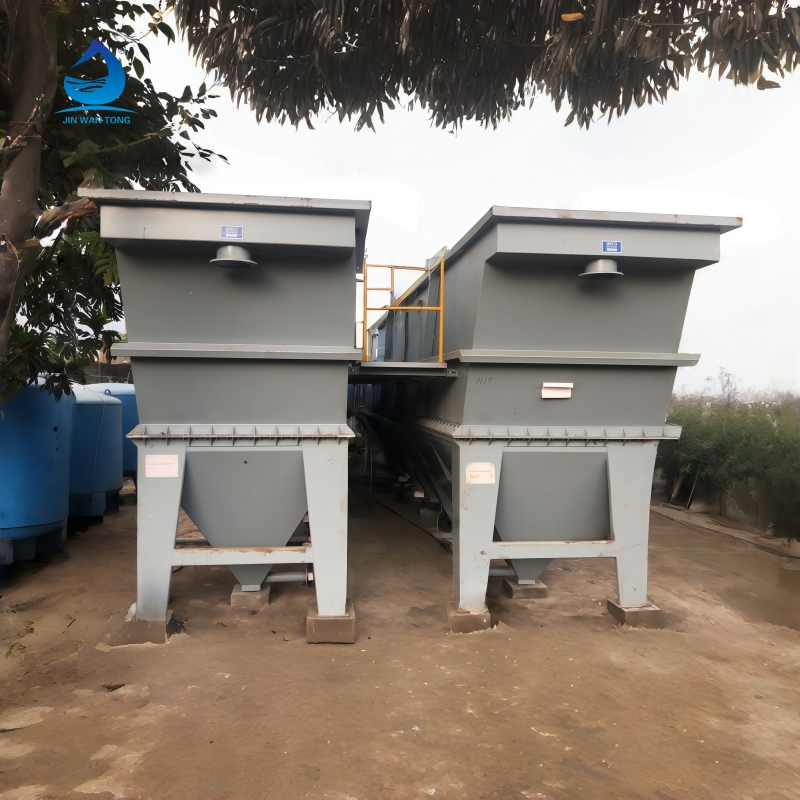
A clarifier tank with an unstable sludge blanket can quickly cause cloudy effluent, high suspended solids, and downstream equipment overload. This guide explains how operators can diagnose rising sludge, floating sludge, poor settling, RAS/WAS imbala...
VIEW MORE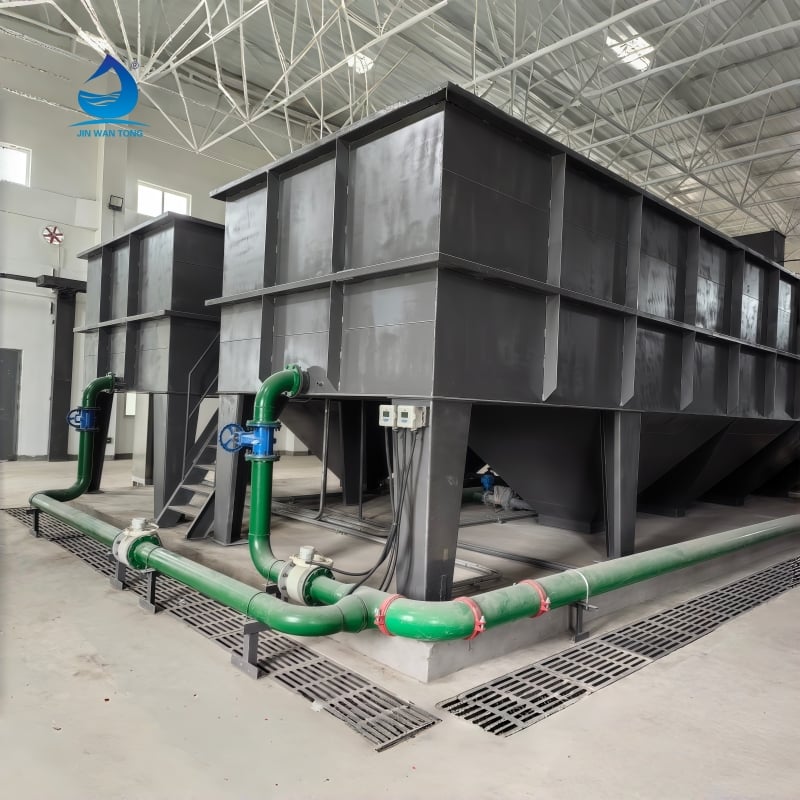
A clarifier tank fitted with tube settlers can handle higher flow, reduce suspended solids, and avoid costly civil expansion. This guide explains when tube settler media is worth adding, how it improves settling, and what buyers should check for retr...
VIEW MORE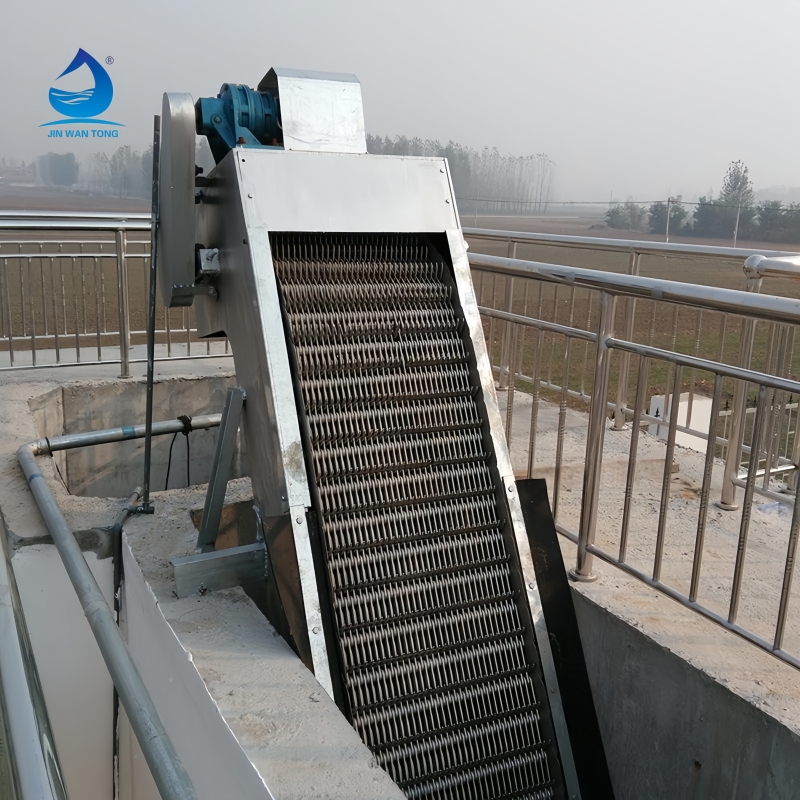
A dewatering screw press reduces sludge volume by separating water from conditioned sludge and discharging a manageable cake. This guide explains how the dewatering screw press works, what sludge it suits, how it compares with alternatives, and what ...
VIEW MORE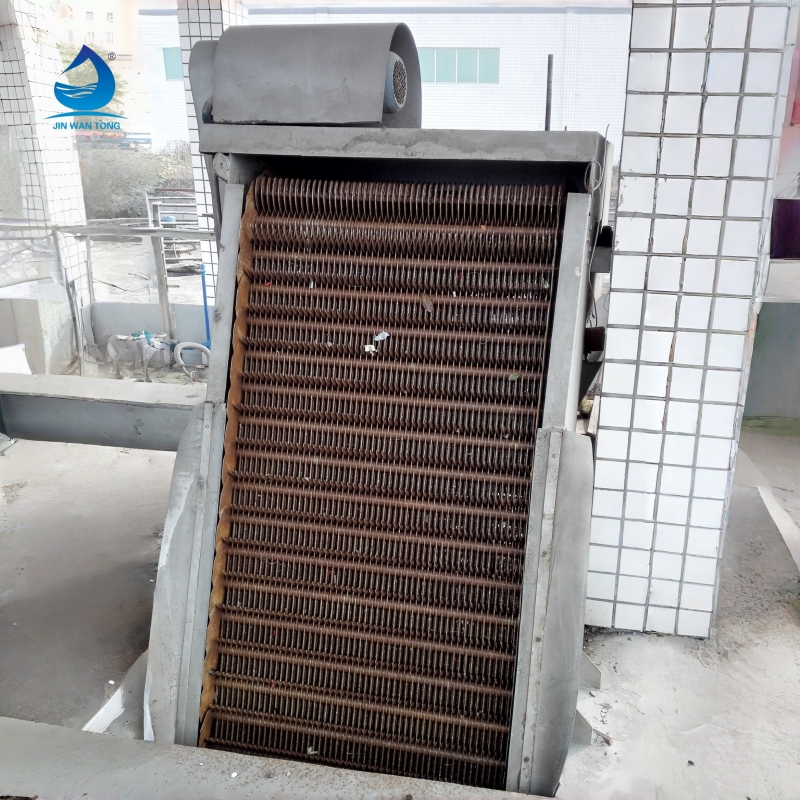
A bar screen protects pumps, pipes, MBR units, and downstream tanks in space-limited plants. This guide explains how to choose a compact bar screen for a packaged wastewater treatment plant, including screen type, bar spacing, peak flow, installation...
VIEW MORE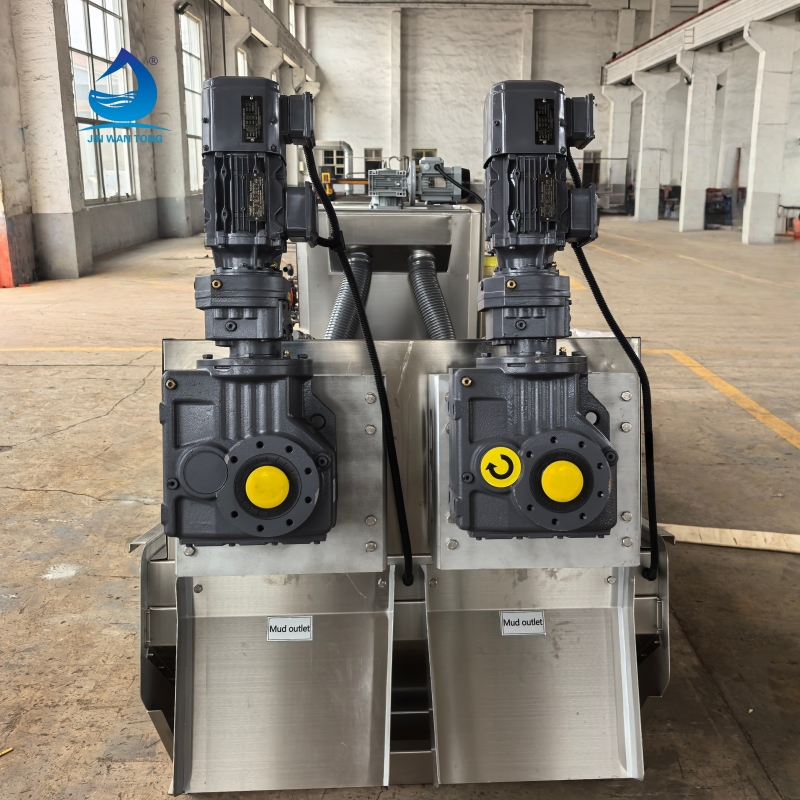
A dewatering screw press is often better for low-labor, compact, water-saving sludge treatment, while a belt press can fit larger continuous flows when wash water and skilled maintenance are available. This guide helps buyers compare both options by ...
VIEW MORE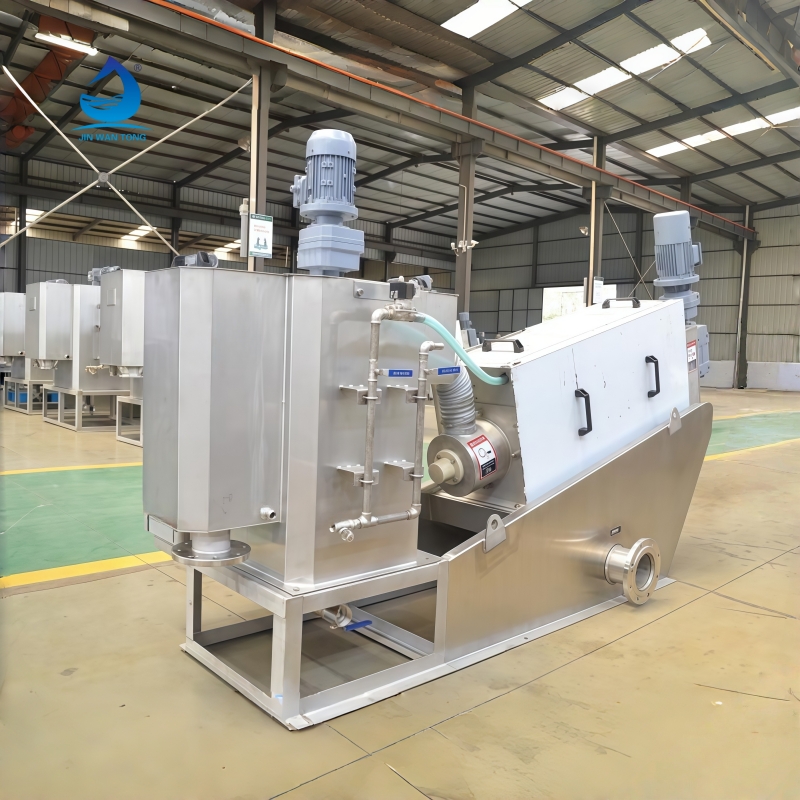
A dewatering screw press helps industrial ETPs run continuous sludge dewatering with fewer operators, stable cake discharge, and lower daily handling cost. This guide shows when a dewatering screw press is suitable, when a filter press is better, and...
VIEW MORE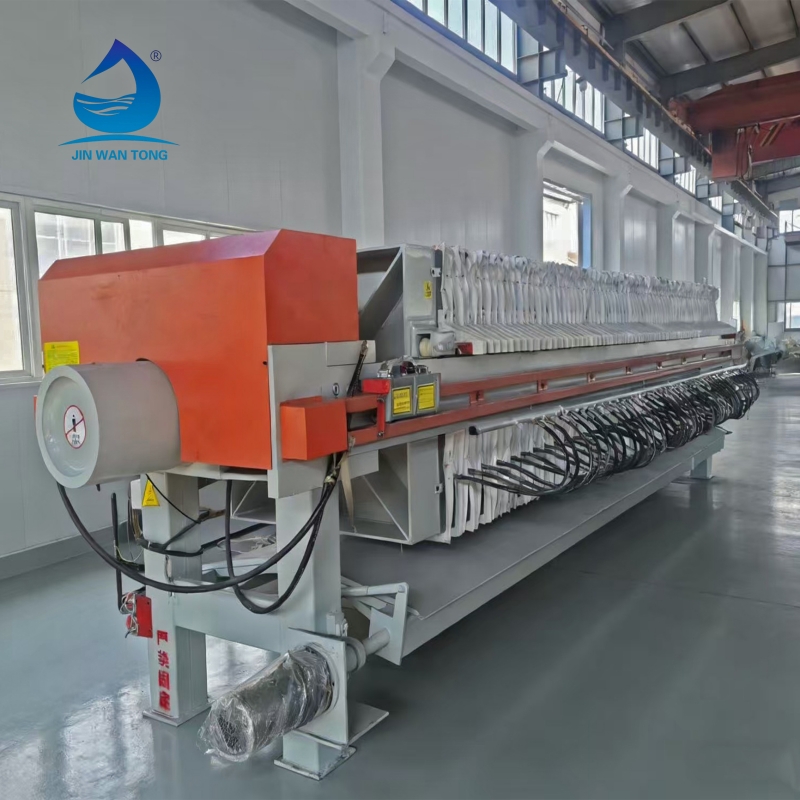
A filter press separates sludge or slurry into dry cake and clear filtrate, helping buyers reduce sludge volume, lower disposal cost, and improve solid-liquid separation performance. This guide explains how a filter press works, where it is used, and...
VIEW MORE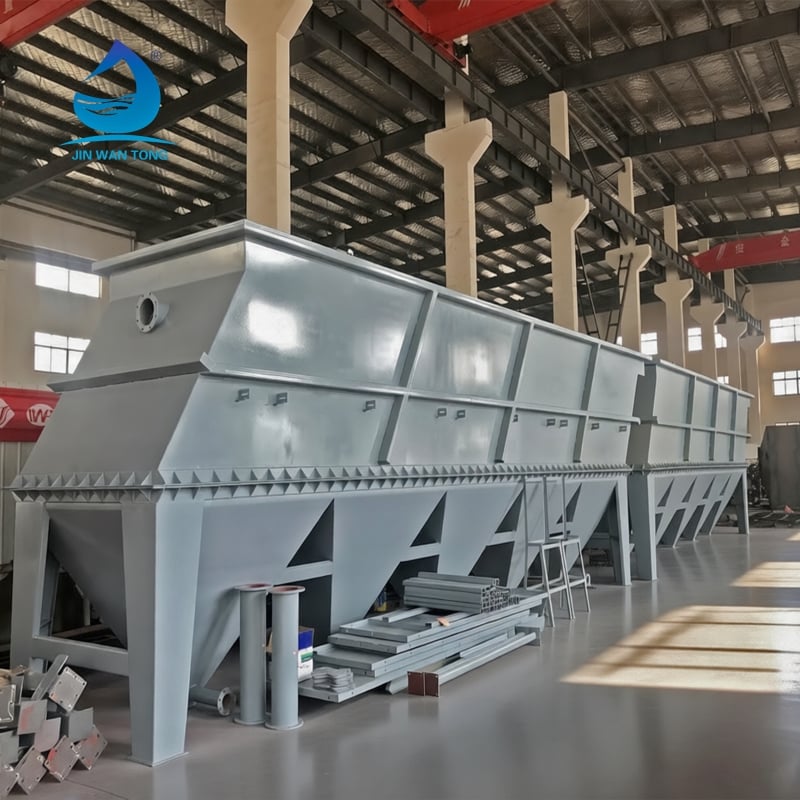
Decentralized wastewater treatment plants face unique operational challenges that differ significantly from centralized municipal facilities. Space constraints, limited technical expertise, and the need for rapid installation often make traditional c...
VIEW MORE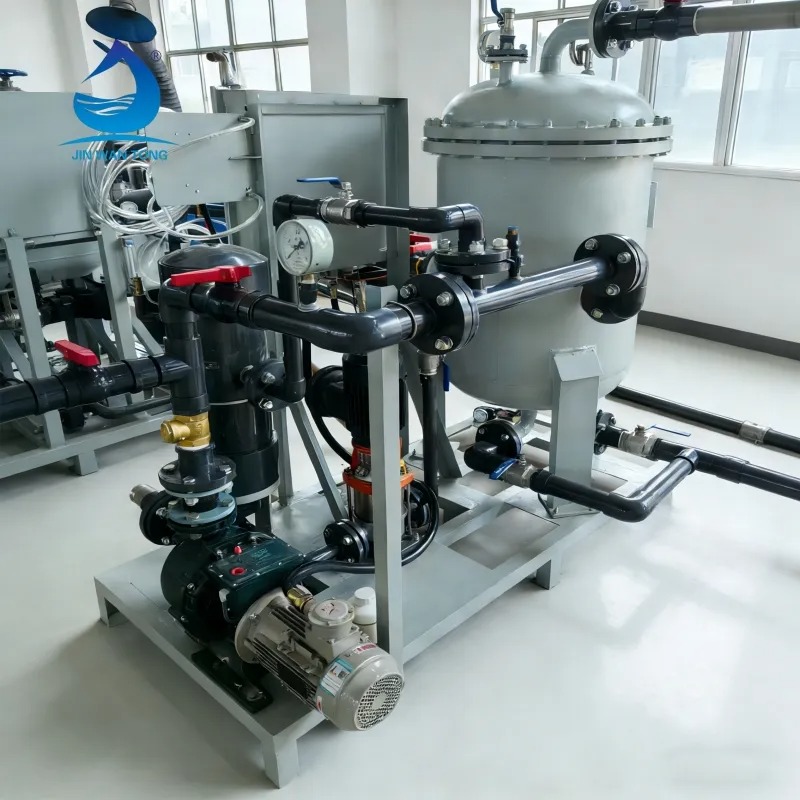
The wastewater treatment industry faces mounting pressure to reduce operational costs while maintaining treatment quality. DAF innovations have emerged as a transformative solution, enabling treatment facilities to achieve higher efficiency and lower...
VIEW MORE
A lamella clarifier represents a significant advancement in solid-liquid separation technology, offering industrial facilities and water treatment plants a highly efficient solution for removing suspended solids from liquid streams. The lamella clari...
VIEW MORE
Biological treatment systems depend on consistent feed quality to maintain stable performance and maximize treatment efficiency. When suspended solids, oils, and contaminants enter a bioreactor without proper removal, they can inhibit microbial activ...
VIEW MORE
Qingdao Jinwantong provides industrial sewage treatment equipment for global clients. Our MBR, DAF, STP, and oil-water separation systems ensure compliance with national discharge standards. Trusted across 6 continents. Contact us today.
43,Cangnan Road, Cangma Town, Qingdao, Shandong, China
Copyright © 2026 Qingdao Jinwantong Environmental Science And Technology Co., Ltd. All rights reserved. Privacy Policy
 EN
EN