 EN
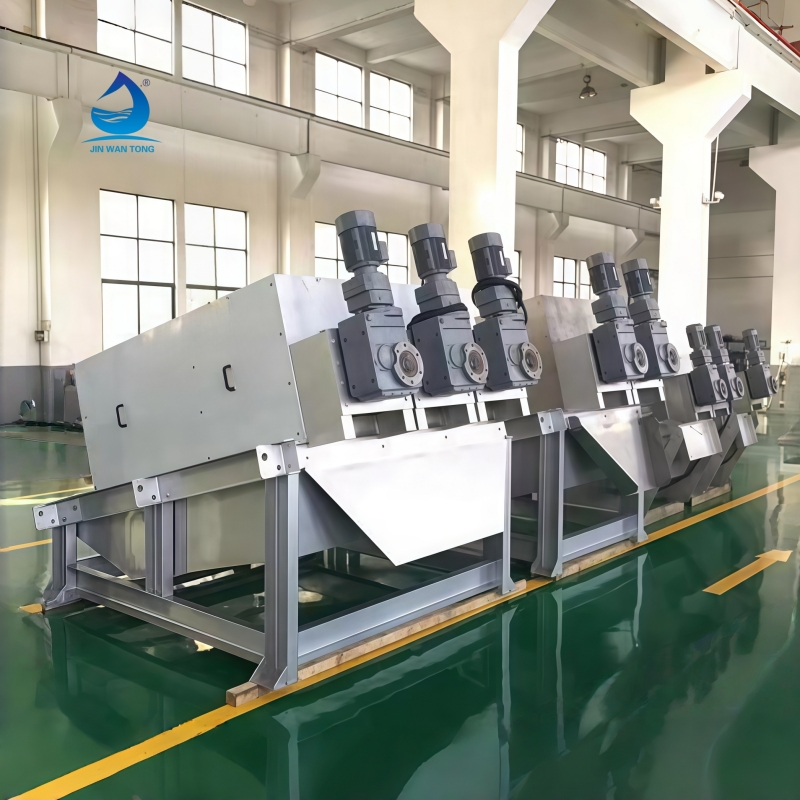
A sludge dewatering machine reduces disposal cost by removing water before sludge leaves the plant, cutting wet sludge weight, transport trips, storage volume, and landfill or incineration fees. This guide explains how sludge dewatering equipment creates savings and how to evaluate ROI for your wastewater plant.
Why Wet Sludge Is Expensive for Wastewater Plants
A sludge dewatering machine targets one of the biggest hidden costs in wastewater treatment: paying to move and dispose of water. Raw or poorly dewatered sludge contains a high percentage of moisture, so every truckload includes a large amount of liquid that adds weight but no treatment value.
For municipal plants, food factories, textile wastewater plants, chemical facilities, and industrial ETPs, sludge disposal cost usually depends on wet weight, volume, transport distance, or third-party disposal price. If sludge cake is too wet, the plant needs more storage space, more truck movements, more operator handling, and higher disposal payments.
Wet sludge also creates indirect costs. It can produce odor, leachate, flies, poor housekeeping, and environmental complaints. If sludge must be incinerated, excess water increases fuel demand. If it goes to landfill, excess moisture increases mass and makes handling harder. This is why wastewater sludge dewatering is often a cost-control decision, not only a process requirement.
A good sludge treatment system should not only meet compliance needs. It should reduce the total amount of material that leaves the site.
How a Sludge Dewatering Machine Reduces Disposal Cost
A sludge dewatering machine reduces disposal cost by increasing dry solids content and lowering the amount of water carried with the sludge. Since most disposal contracts charge by ton or cubic meter, reducing moisture can directly reduce annual spending.
The calculation is simple:
text
Copy
Wet sludge mass = Dry solids mass / Dry solids contentIf a plant produces 1 ton of dry solids per day, sludge at 15% DS equals about 6.67 tons of wet sludge. At 25% DS, the same dry solids equal 4 tons of wet sludge. That means the plant moves and pays for much less material.
This is the main financial value of sludge volume reduction. Higher sludge cake dryness reduces the weight that must be transported, stored, landfilled, composted, dried, or burned. Even a modest improvement in cake dryness can create strong savings when daily sludge production is high or disposal prices are expensive.
However, the machine does not save money automatically. Net savings must subtract polymer, energy, maintenance, labor, wash water, and spare parts. The best result is achieved when sludge dewatering equipment reduces disposal cost more than it increases operating cost.
Key Cost Factors in Sludge Dewatering ROI
A sludge dewatering machine ROI should be calculated from total sludge handling cost, not only from the equipment price. Many plants compare only purchase cost, but disposal cost usually continues every month for years.
The most important factors include:
-
Dry solids production
More dry solids per day means more opportunity for savings. -
Initial and target dry solids content
Improving from 15% to 25% DS may reduce wet sludge mass significantly. -
Transport cost
Long hauling distance increases the value of sludge volume reduction. -
Disposal fee
High landfill, incineration, or hazardous waste fees improve ROI. -
Operating cost
Polymer, electricity, maintenance, labor, and cleaning must be included. -
Equipment uptime
Frequent blockage or downtime reduces real savings. -
Cake handling method
Conveyor, storage bin, truck loading, or bagging affects daily operation.
A practical formula is:
text
Copy
Net annual savings = Reduced transport and disposal cost - annual dewatering operating costROI period = equipment investment / net annual savingsThis gives a more realistic view than asking only for the lowest equipment quotation.
Choosing Sludge Dewatering Equipment for Cost Reduction
A sludge dewatering machine should be selected according to sludge type, target dryness, operator capacity, and disposal route. Different technologies create savings in different ways.
| Equipment Type | Cost-Saving Strength | Main Trade-Off |
|---|---|---|
| Screw press | Low labor, low energy, continuous operation | Moderate sludge cake dryness |
| Belt press | Continuous treatment, suitable for larger flow | Higher wash water and belt maintenance |
| Filter press | Higher dry solids content, strong volume reduction | Batch operation and longer cycle |
| Centrifuge | Compact, automated, high throughput | Higher energy and precision maintenance |
If sludge disposal cost is extremely high, a filter press may be attractive because higher cake dryness can reduce wet sludge mass more strongly. If labor is expensive and continuous operation is required, a screw press may offer better total cost. If the plant needs compact automation, a centrifuge may be considered. If large flow and operator experience are available, a belt press may work well.
The best sludge dewatering equipment is not always the machine with the driest cake. It is the machine that creates the lowest total cost for your sludge, disposal method, and operation team.
Qingdao Jinwantong supports buyers by focusing on practical sludge handling needs, stable product quality, and responsive service communication. For projects comparing cost-saving options, reliable sludge data is more useful than ideal catalog values.
When Sludge Dewatering Delivers the Best ROI
A sludge dewatering machine usually delivers the strongest ROI when sludge volume is high, disposal is expensive, or transport distance is long. It is also valuable when wet sludge causes storage, odor, or compliance problems.
Plants most likely to benefit include municipal WWTPs, industrial wastewater plants, food processing factories, textile plants, chemical facilities, paper mills, and sites sending sludge to third-party disposal. Hazardous or industrial sludge often has high disposal fees, so every reduction in wet tonnage can matter.
ROI is also stronger when the plant can improve from very low dry solids content to a more manageable cake. For example, reducing wet sludge from 80–85% moisture to a drier cake can dramatically reduce hauling weight. But for sludge already well dewatered, additional improvement may produce smaller savings unless disposal cost is very high.
A good ROI review should also include indirect benefits: less sludge storage volume, fewer truck movements, cleaner working conditions, less leachate, easier incineration, and reduced risk of emergency disposal.
Hidden Savings Beyond Disposal Fees
A sludge dewatering machine can create savings that do not appear directly in the disposal invoice. These hidden benefits often matter in daily plant operation.
Drier cake is easier to convey, load, bag, store, and transport. It reduces sludge tank overload and makes plant housekeeping easier. Lower moisture also reduces odor and leachate, especially for organic sludge from food, municipal, or biological treatment systems.
For incineration, better sludge cake dryness improves thermal efficiency because less energy is needed to evaporate water. For landfill, drier cake is easier to handle and may reduce leakage problems. For composting, moisture control supports better aeration and mixing. For third-party hauling, every ton avoided reduces recurring cost.
In this sense, wastewater sludge dewatering improves both financial performance and site management.
Data Buyers Should Prepare Before Selection
A sludge dewatering machine recommendation should be based on real sludge and cost data. Before asking for a quotation, prepare:
- Daily wet sludge volume and estimated dry solids;
- Current moisture or dry solids content;
- Target cake dryness or disposal requirement;
- Sludge source: biological, DAF, chemical, food, textile, oily, or mixed;
- Current disposal price per ton or cubic meter;
- Transport distance and truck capacity;
- Available operators, power, water, and installation space;
- Polymer use, if already tested;
- Final disposal route: landfill, incineration, composting, reuse, or third-party handling.
With these numbers, suppliers can estimate realistic cost savings and help determine whether screw press, belt press, filter press, or centrifuge technology fits best.
Final Recommendation
A sludge dewatering machine can reduce disposal costs when the reduction in wet sludge weight is greater than the cost of polymer, energy, maintenance, and labor. The strongest savings usually come from higher dry solids content, lower trucked volume, and better sludge treatment system planning.
If you want to estimate ROI for your plant, share your sludge volume, current cake moisture, disposal price, and site conditions with Qingdao Jinwantong. Our team can help review practical sludge dewatering equipment options and identify a cost-saving route for your wastewater plant.
Table of Contents
- Why Wet Sludge Is Expensive for Wastewater Plants
- How a Sludge Dewatering Machine Reduces Disposal Cost
- Key Cost Factors in Sludge Dewatering ROI
- Choosing Sludge Dewatering Equipment for Cost Reduction
- When Sludge Dewatering Delivers the Best ROI
- Hidden Savings Beyond Disposal Fees
- Data Buyers Should Prepare Before Selection
- Final Recommendation