bar screening in water treatment
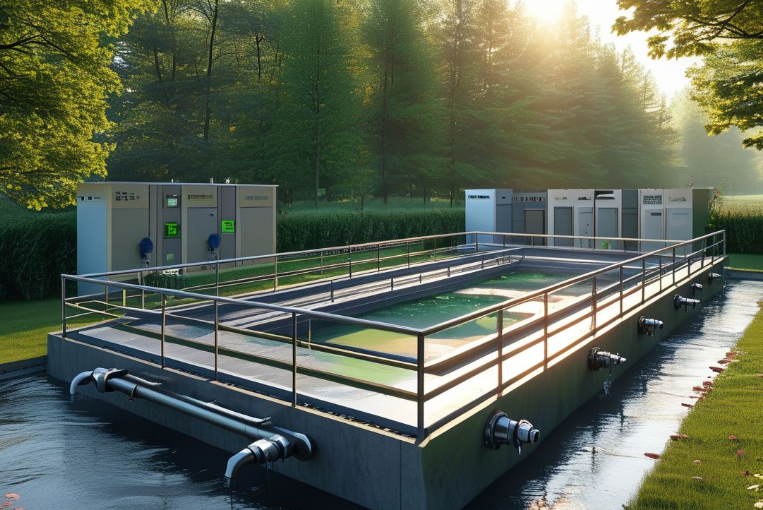
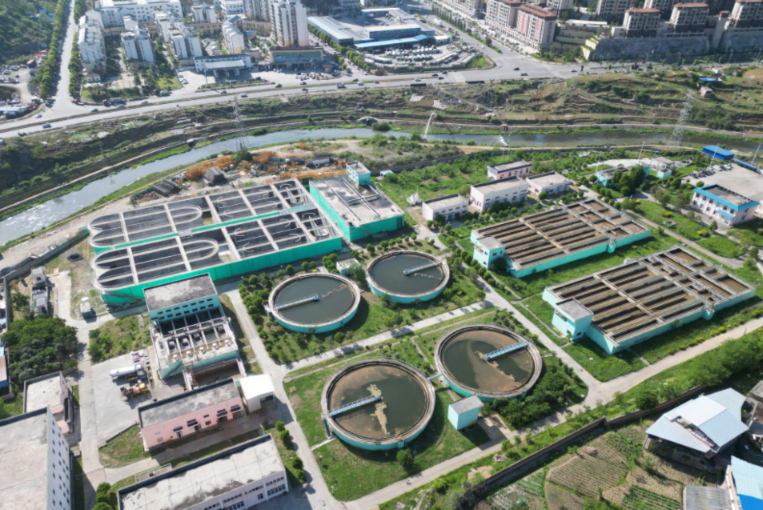
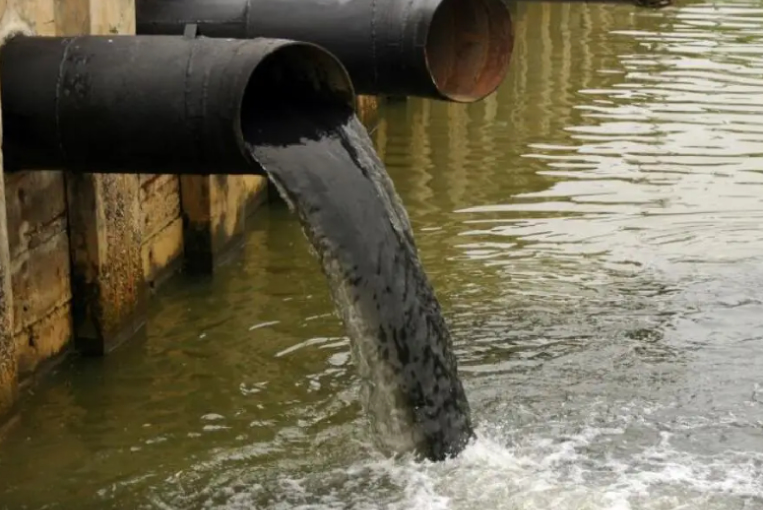
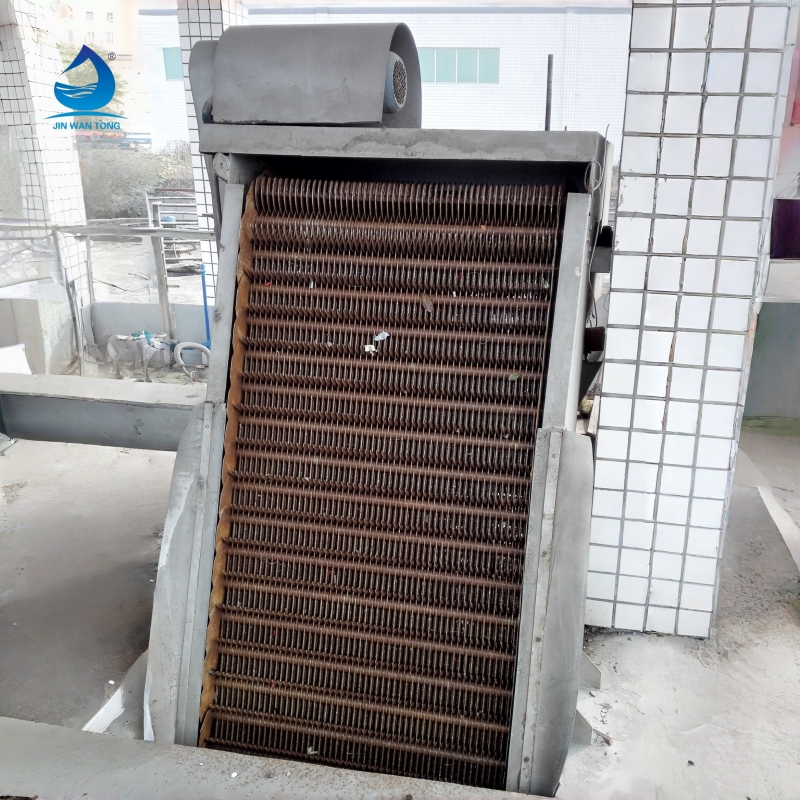
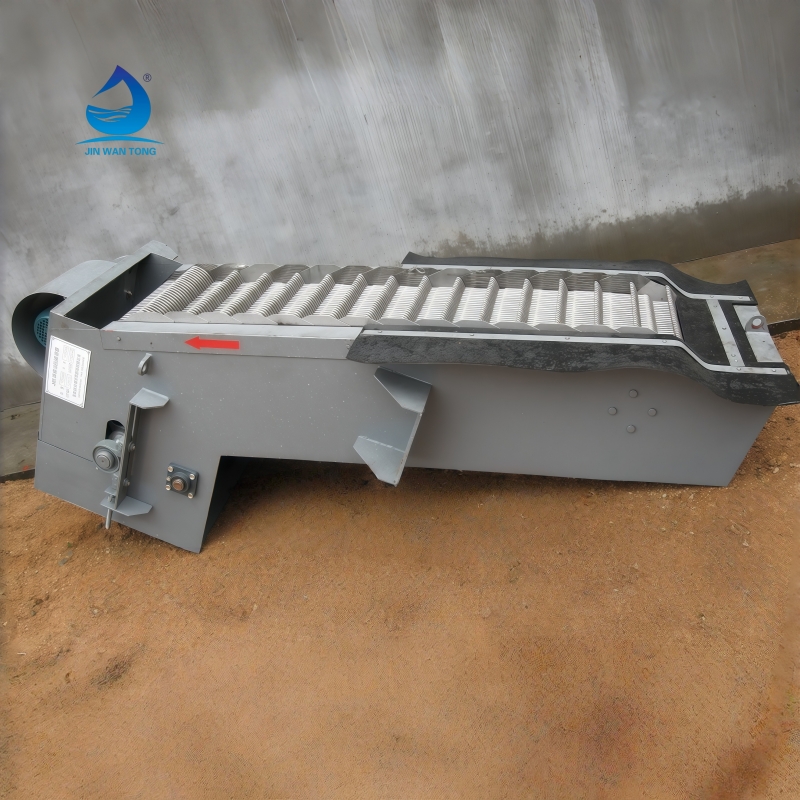
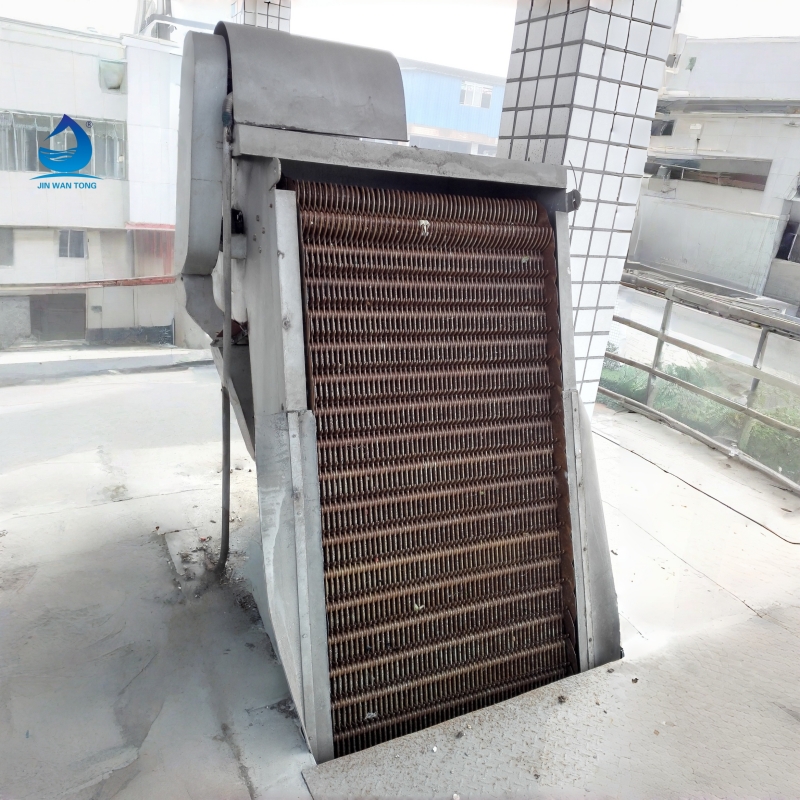
Bar screening in water treatment represents a fundamental yet crucial component of modern wastewater and water processing systems. This preliminary treatment technology operates as the first line of defense in removing large debris, solids, and contaminants from incoming water streams. Bar screening systems consist of parallel steel bars or metal plates arranged at specific intervals to create openings that allow water to flow through while capturing unwanted materials. The bar screening in water treatment process effectively removes objects such as plastic bottles, paper waste, organic matter, textile fibers, and other substantial debris that could damage downstream equipment or interfere with subsequent treatment processes. These systems typically feature automated cleaning mechanisms that continuously remove accumulated debris from the screen surface, ensuring consistent performance and minimal maintenance requirements. Bar screening technology operates on simple mechanical principles, utilizing the natural flow of water to push debris against the screening surface while allowing clean water to pass through the designated openings. The spacing between bars can range from 6 millimeters to 150 millimeters, depending on the specific application and desired level of filtration. Modern bar screening in water treatment installations often incorporate advanced control systems that monitor flow rates, pressure differentials, and debris accumulation levels to optimize performance automatically. The robust construction of these systems enables them to handle varying flow conditions and debris loads without compromising operational efficiency. Bar screening serves multiple functions beyond simple debris removal, including protecting pumps, valves, and other sensitive equipment from damage caused by large particles. Additionally, effective bar screening reduces the organic load on biological treatment processes and prevents clogging in downstream filtration systems. The technology proves essential in municipal wastewater treatment plants, industrial facilities, storm water management systems, and water intake structures where reliable preliminary treatment is paramount for overall system success.
 EN
EN