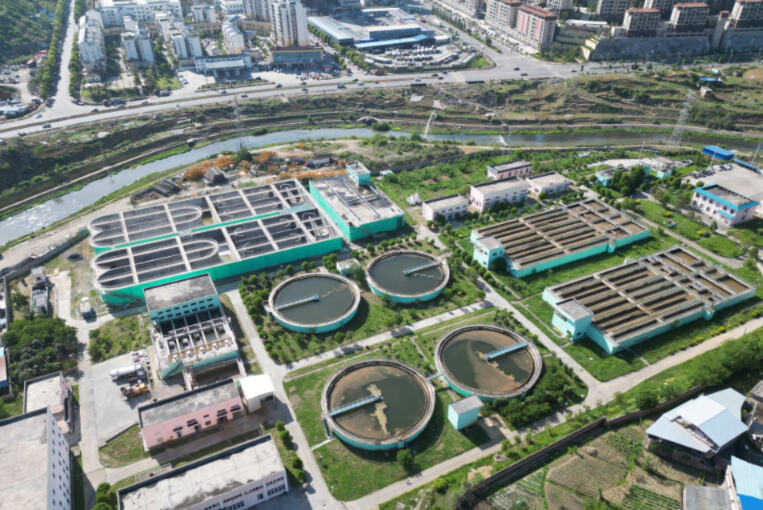
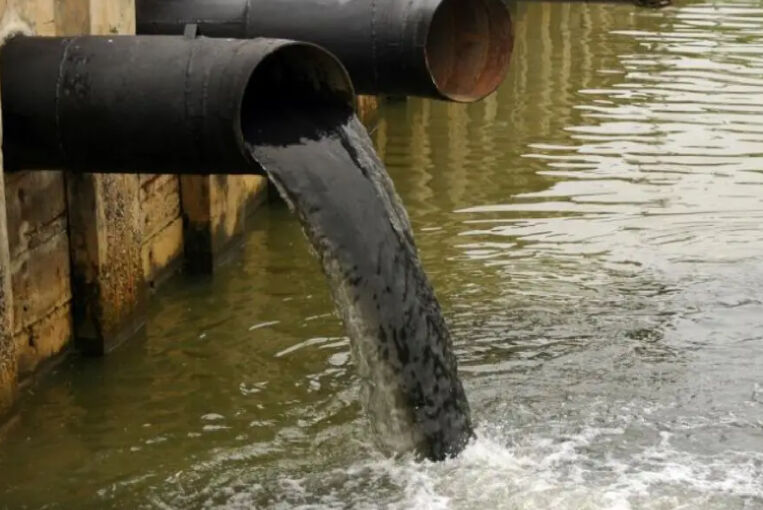
Waste Water Bar Screen Systems: Advanced Screening Solutions for Water Treatment

All Categories

Get a Free Quote

Our representative will contact you soon.
Email
Name
Company Name
Message
0/1000

waste water bar screen

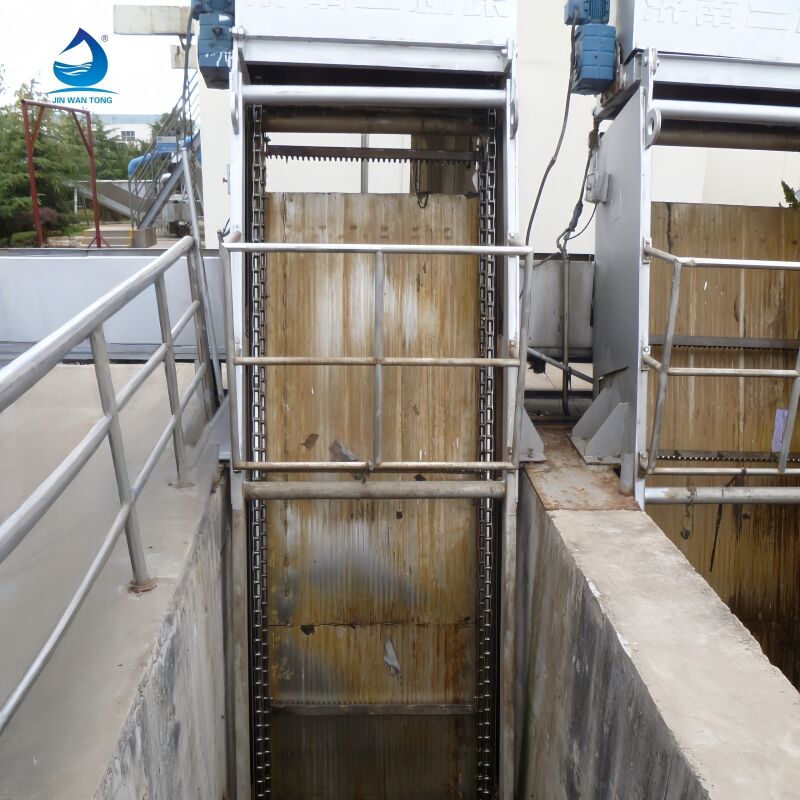
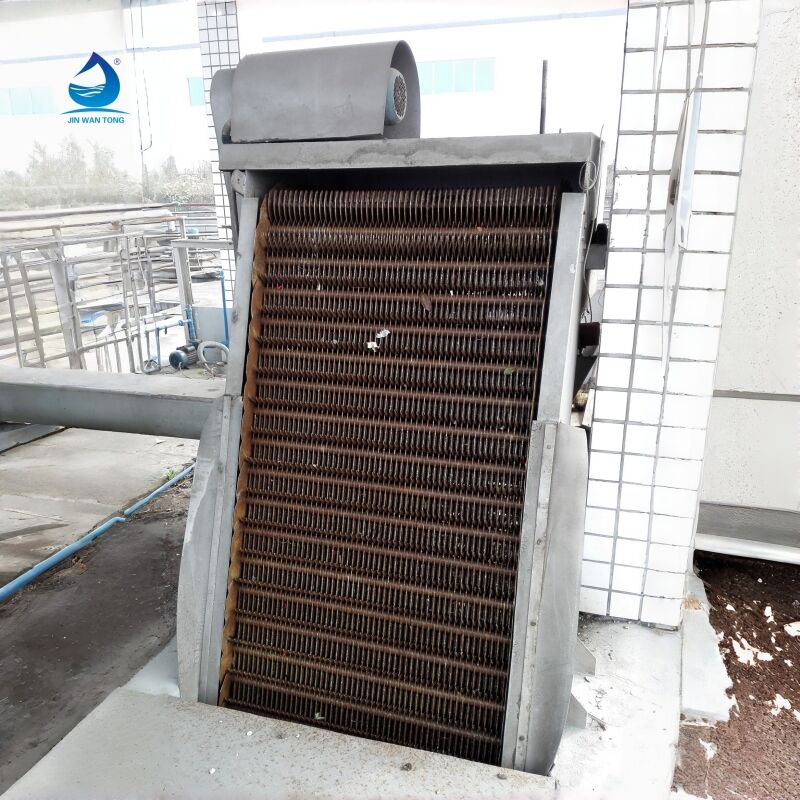
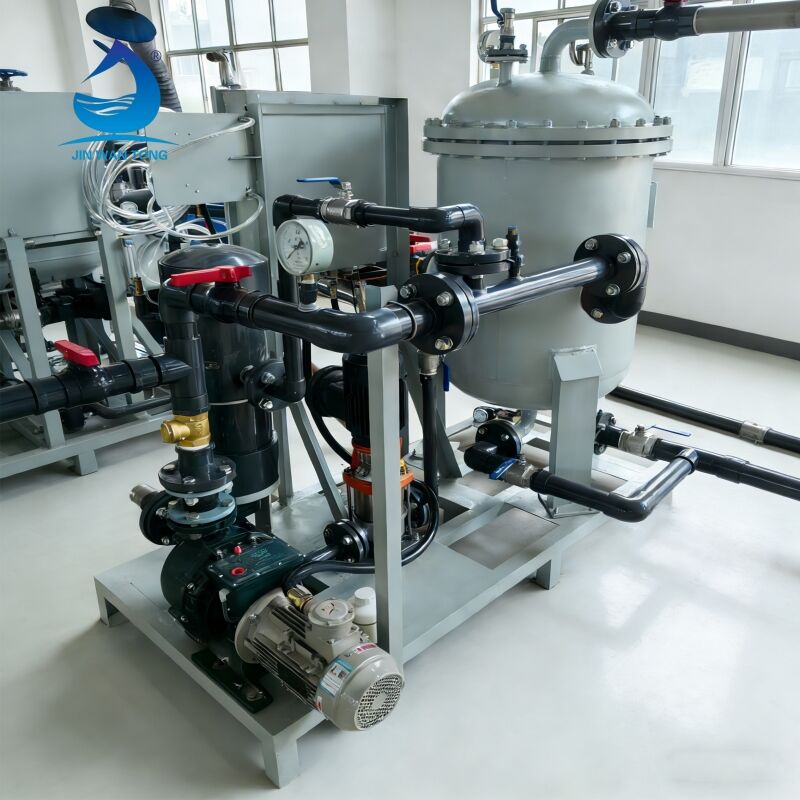
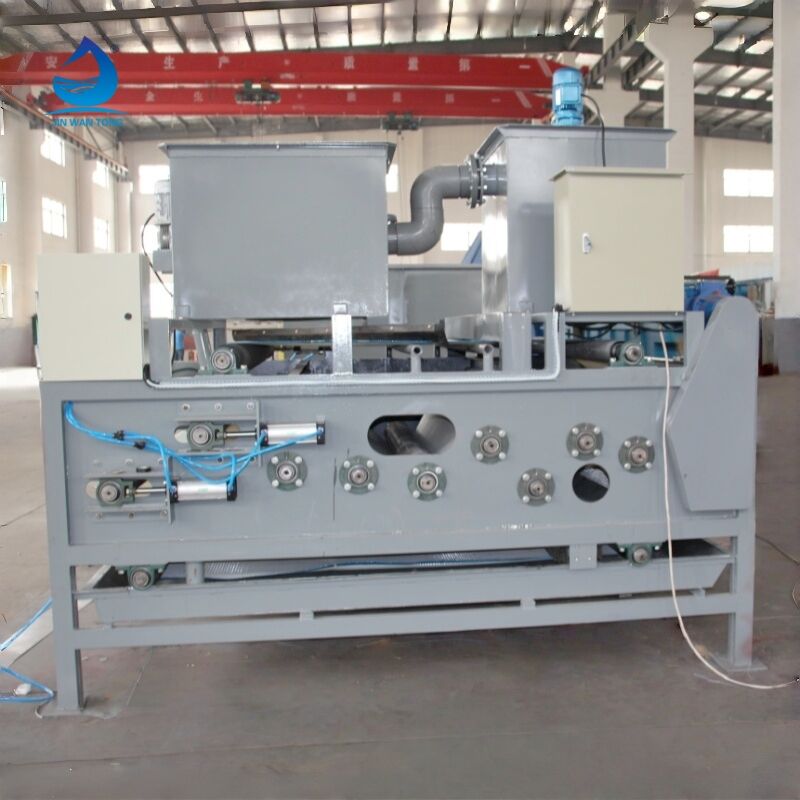
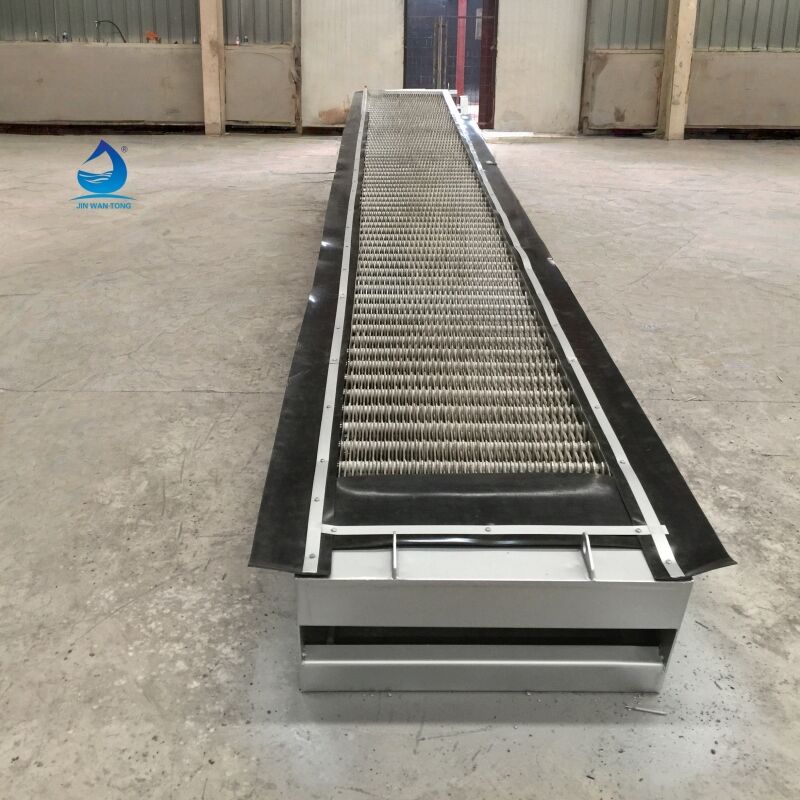
A waste water bar screen serves as a critical first-line defense in water treatment facilities, designed to remove large solid debris and contaminants from incoming wastewater streams. This essential screening equipment operates by positioning parallel bars at specific intervals across the flow channel, creating gaps that allow water to pass while capturing oversized materials that could damage downstream equipment or interfere with treatment processes. The waste water bar screen functions through mechanical filtration, where the bar arrangement creates a physical barrier that separates solids based on size. Modern waste water bar screen systems incorporate automated cleaning mechanisms that continuously remove accumulated debris, ensuring consistent performance without manual intervention. The technological design of these screening systems varies significantly based on application requirements, with options including static screens for smaller facilities and mechanically cleaned systems for high-volume operations. Advanced waste water bar screen configurations feature self-cleaning rakes that travel vertically or horizontally across the screen surface, automatically lifting captured debris into collection containers. The spacing between bars typically ranges from 6 millimeters to 150 millimeters, depending on the specific screening requirements and the type of contaminants expected in the wastewater stream. Installation flexibility allows waste water bar screen systems to be configured for various channel widths and flow conditions, making them suitable for municipal treatment plants, industrial facilities, and specialized applications. The robust construction of modern waste water bar screen equipment incorporates corrosion-resistant materials such as stainless steel or specially coated metals that withstand harsh wastewater environments. These screening systems play a vital role in protecting pumps, valves, and other sensitive downstream equipment from damage caused by debris, while simultaneously improving the overall efficiency of the treatment process.

New Products

The waste water bar screen delivers substantial operational benefits that translate directly into cost savings and improved facility performance. These screening systems significantly reduce maintenance requirements for downstream equipment by removing potentially damaging debris before it can reach pumps, blowers, or treatment tanks. This protective function extends equipment lifespan and reduces unexpected downtime that can disrupt treatment operations and increase repair costs. The automated cleaning capability of modern waste water bar screen systems eliminates the need for manual debris removal, reducing labor costs while ensuring consistent screening performance around the clock. Facilities benefit from improved process reliability as the waste water bar screen maintains steady flow rates and prevents blockages that could cause system backups or overflow conditions. The energy efficiency of these screening systems contributes to reduced operational costs, as properly functioning screens allow pumps and other equipment to operate at optimal efficiency levels without struggling against debris-related restrictions. Installation of a waste water bar screen system typically results in lower chemical consumption throughout the treatment process, as the removal of organic debris reduces the biological and chemical oxygen demand of the wastewater stream. The screening process also improves settling efficiency in downstream clarifiers by removing materials that could interfere with sedimentation processes. Maintenance scheduling becomes more predictable with waste water bar screen systems, as automated monitoring capabilities provide real-time feedback on screen condition and cleaning cycle requirements. These systems offer excellent return on investment through reduced emergency repairs, extended equipment life, and improved treatment efficiency. The compact design of modern waste water bar screen equipment allows for easy integration into existing facilities without requiring extensive structural modifications. Environmental benefits include reduced risk of system failures that could result in permit violations or environmental incidents, while the automated operation ensures consistent compliance with discharge requirements.

Tips And Tricks

Overview of the Agricultural Wastewater Treatment Market

17

Dec

Overview of the Agricultural Wastewater Treatment Market

View More
Global Real-Time Wastewater Treatment Update

17

Dec

Global Real-Time Wastewater Treatment Update

View More
Navigating the Waters: The Role of an Industrial Wastewater Treatment Plant

17

Dec

Navigating the Waters: The Role of an Industrial Wastewater Treatment Plant

View More

Get a Free Quote

Our representative will contact you soon.
Email
Name
Company Name
Message
0/1000

waste water bar screen

Advanced Self-Cleaning Technology for Continuous Operation

Advanced Self-Cleaning Technology for Continuous Operation

The self-cleaning mechanism of modern waste water bar screen systems represents a significant advancement in screening technology, offering facilities unprecedented reliability and operational efficiency. This innovative feature utilizes precision-engineered rake systems that automatically traverse the screen surface at predetermined intervals, effectively removing accumulated debris without interrupting the screening process. The automated cleaning cycle operates based on differential pressure sensors or timer controls, ensuring optimal cleaning frequency that adapts to varying debris loads throughout different operational periods. The waste water bar screen cleaning mechanism incorporates robust drive systems with variable speed capabilities, allowing operators to adjust cleaning intensity based on specific site conditions and debris characteristics. This technology eliminates the need for manual cleaning interventions, which traditionally required facility downtime and exposed workers to potentially hazardous conditions. The self-cleaning feature maintains consistent screening efficiency by preventing debris accumulation that could reduce effective screen area or create flow restrictions. Advanced control systems monitor cleaning cycle performance and provide diagnostic feedback, enabling predictive maintenance scheduling that prevents unexpected equipment failures. The cleaning rake design incorporates specialized tooth configurations that effectively capture and lift various debris types, from fibrous materials to rigid objects, ensuring comprehensive removal across the entire screen surface. This automated functionality significantly reduces labor costs associated with manual screen cleaning while improving worker safety by minimizing direct contact with wastewater and debris. The continuous operation capability of self-cleaning waste water bar screen systems ensures uninterrupted treatment processes, particularly important for facilities with strict discharge requirements or limited bypass capacity. The cleaning mechanism also features fail-safe controls that protect the equipment from damage due to excessive debris loads or mechanical obstructions, automatically adjusting operation parameters or initiating alarm sequences when abnormal conditions are detected.
Customizable Screen Configurations for Diverse Applications

Customizable Screen Configurations for Diverse Applications

The versatility of waste water bar screen systems lies in their ability to accommodate diverse applications through customizable screen configurations that address specific site requirements and treatment objectives. This adaptability makes these screening systems suitable for municipal wastewater treatment plants, industrial facilities, stormwater management systems, and specialized applications such as food processing or pharmaceutical manufacturing. The bar spacing can be precisely configured to target specific debris sizes, with fine screens capturing materials as small as 6 millimeters while coarse screens handle larger objects up to 150 millimeters or more. Channel width accommodation ranges from compact installations suitable for small treatment facilities to large-scale systems capable of handling massive flow volumes in major municipal plants. The waste water bar screen design flexibility extends to installation angles, with options for vertical, inclined, or curved configurations that optimize hydraulic performance while fitting within existing infrastructure constraints. Material selection for screen construction can be tailored to specific corrosion resistance requirements, with options including standard carbon steel for mild environments, stainless steel for corrosive conditions, or specialized coatings for extreme chemical exposure. The modular design approach allows facilities to implement waste water bar screen systems in phases, starting with basic configurations and adding advanced features such as automated cleaning or remote monitoring capabilities as operational needs evolve. Screen bar profiles can be optimized for specific debris types, with rectangular, circular, or specialized shapes that enhance capture efficiency while minimizing head loss across the screen. The hydraulic design of these systems incorporates computational fluid dynamics modeling to optimize approach velocities and minimize turbulence that could reduce screening effectiveness. Control system integration capabilities allow waste water bar screen equipment to interface with existing plant automation systems, providing centralized monitoring and control that enhances operational efficiency and reduces the need for dedicated operators.
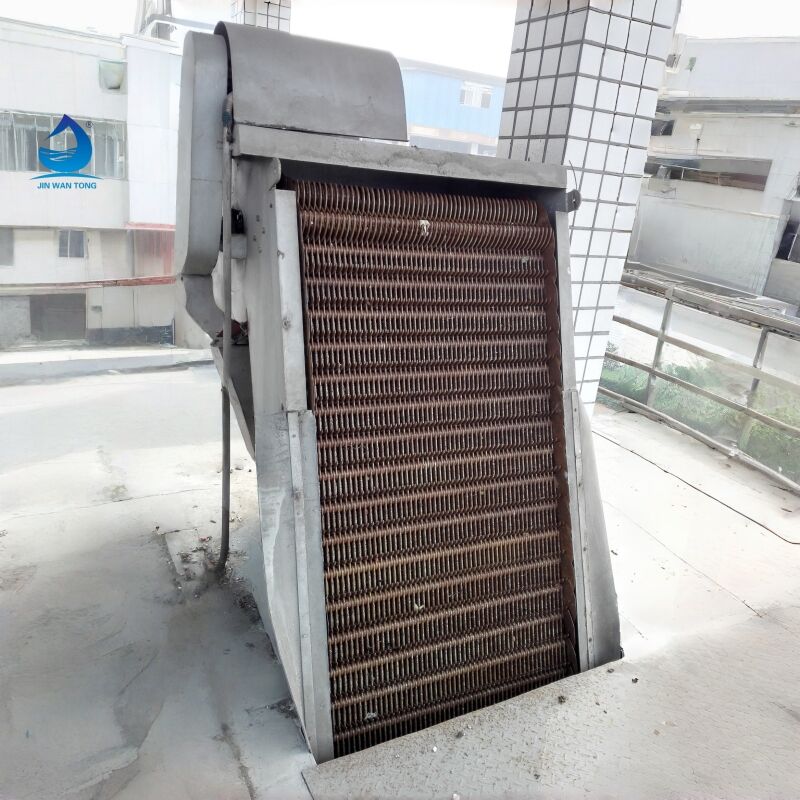
Enhanced Durability and Long-Term Performance Reliability

Enhanced Durability and Long-Term Performance Reliability

The construction quality and durability of waste water bar screen systems directly impact long-term operational costs and treatment reliability, making material selection and engineering design critical factors in equipment selection. Modern screening systems utilize high-grade stainless steel construction or advanced corrosion-resistant coatings that withstand aggressive wastewater environments containing acids, bases, and various chemical contaminants. The structural framework incorporates heavy-duty support systems designed to handle dynamic loads from flowing water, debris impact, and cleaning mechanism operation while maintaining dimensional stability over decades of service. Precision manufacturing processes ensure tight tolerances in bar spacing and alignment, maintaining consistent screening performance throughout the equipment lifecycle without degradation due to wear or environmental exposure. The waste water bar screen drive systems feature oversized components with generous safety factors that prevent premature failure even under extreme loading conditions or debris overload situations. Bearing systems utilize sealed designs with extended lubrication intervals, reducing maintenance requirements while ensuring smooth operation in harsh environments where contamination could compromise conventional bearing arrangements. The electrical components and control systems incorporate NEMA 4X or equivalent environmental protection ratings, ensuring reliable operation despite exposure to moisture, chemical vapors, and temperature variations typical in wastewater treatment facilities. Quality control procedures during manufacturing include comprehensive testing of mechanical components, electrical systems, and software functionality to verify performance specifications before shipment. The modular design philosophy facilitates maintenance activities by providing easy access to wear components and allowing selective replacement of individual elements without requiring complete system shutdown. Field service support includes comprehensive training programs for facility maintenance personnel, ensuring proper operation and maintenance practices that maximize equipment lifespan and performance reliability. Warranty programs typically cover extended periods reflecting manufacturer confidence in equipment durability, while parts availability commitments ensure long-term serviceability even for installations in remote locations or specialized applications.
Waste Water Bar Screen Systems: Advanced Screening Solutions for Water Treatment

Get a Free Quote

Our representative will contact you soon.
Email
Name
Company Name
Message
0/1000