Versatile Material Handling Accommodates Diverse Industrial Applications
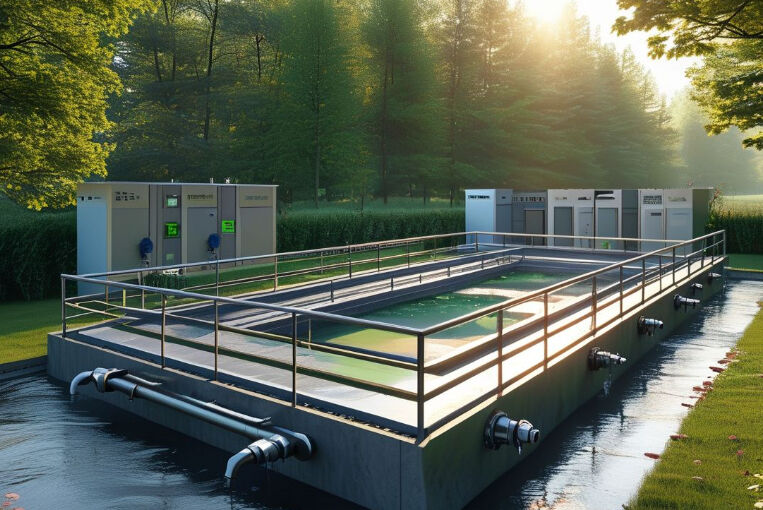
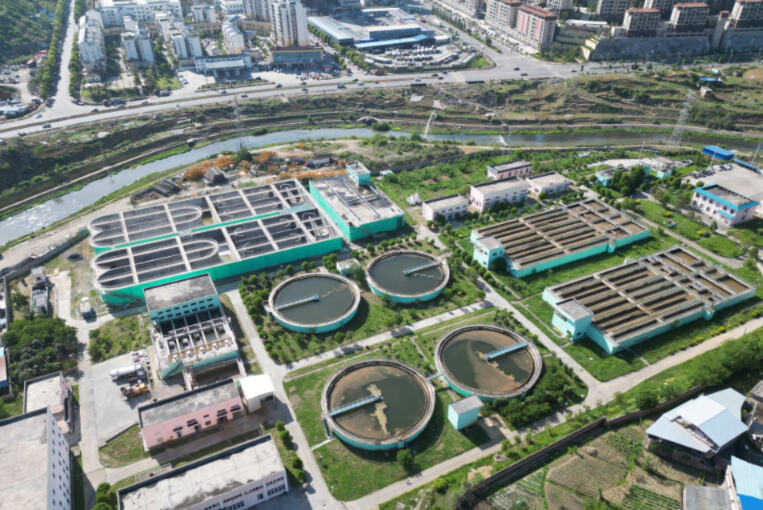
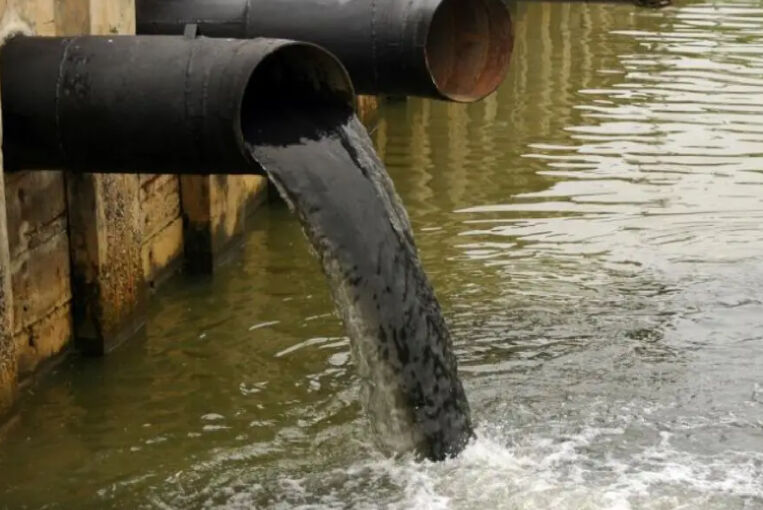
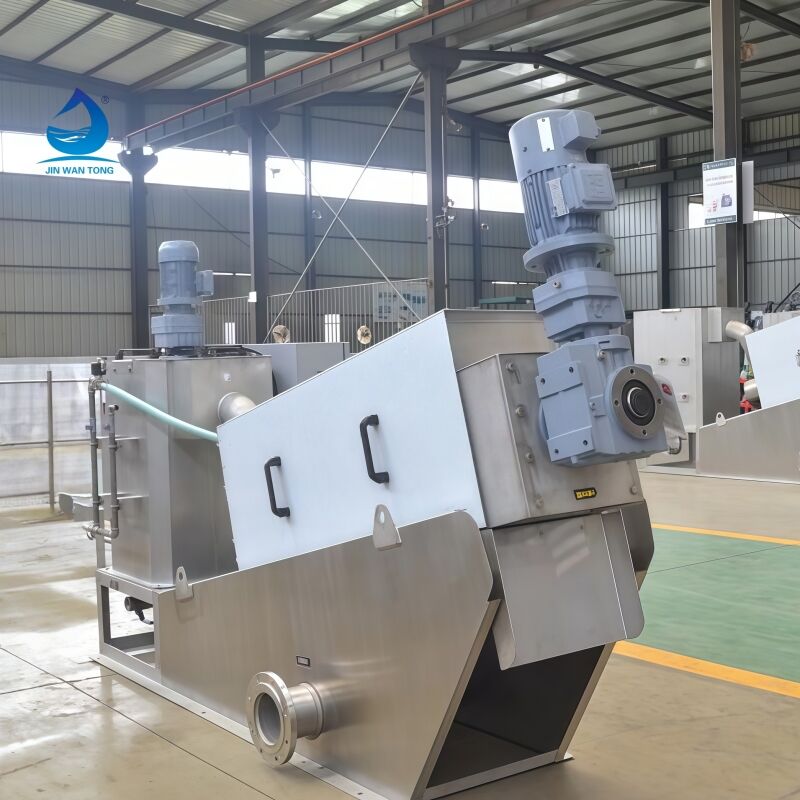
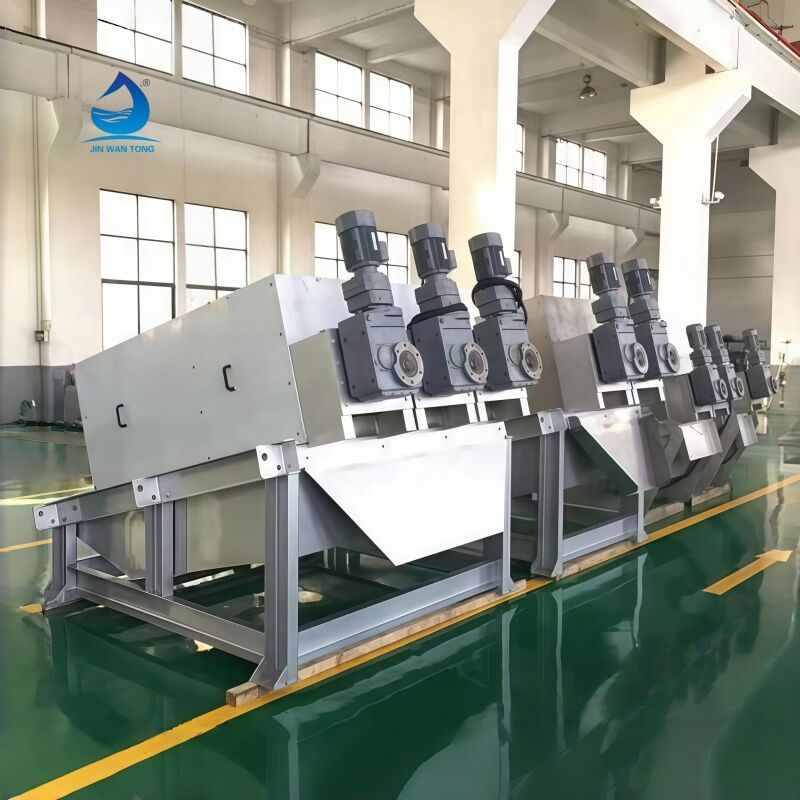
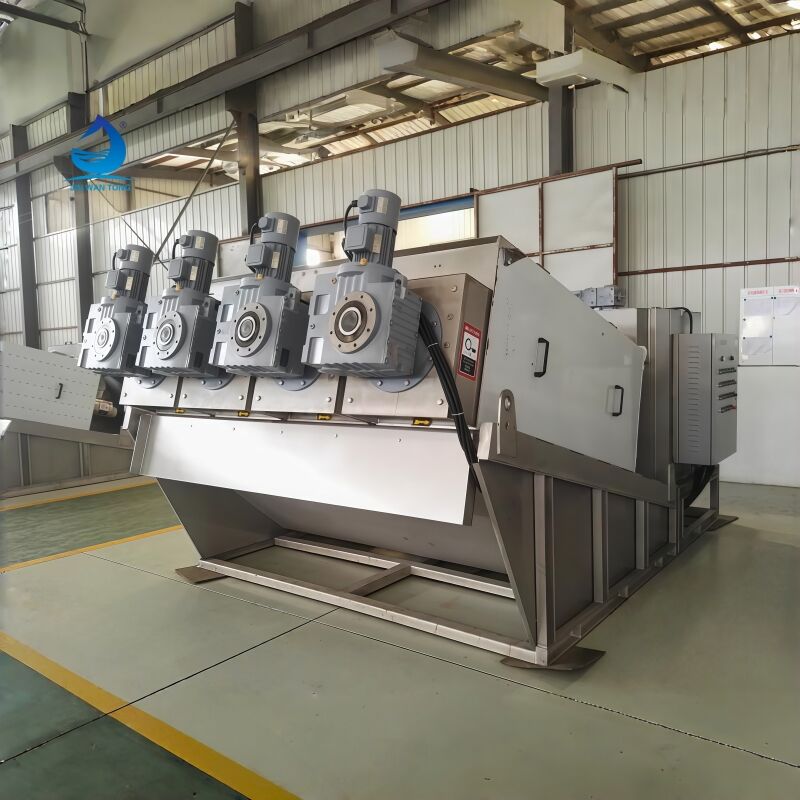
The dewatering screw press machine demonstrates remarkable versatility in handling diverse materials across multiple industrial sectors, making it an ideal solution for facilities processing varied waste streams or seasonal material changes. This adaptability stems from the machine's adjustable operating parameters, including screw speed, compression ratio, and screen configurations, which can be modified to optimize performance for materials ranging from fine sludges to fibrous organic matter. The robust design accommodates materials with different physical characteristics, chemical properties, and moisture contents without requiring extensive modifications or specialized components. In wastewater treatment applications, the dewatering screw press machine effectively processes both primary and secondary sludges, activated biosolids, and various industrial effluents, adapting to seasonal variations in influent characteristics and treatment process changes. Food processing facilities benefit from the machine's ability to handle fruit pulps, vegetable trimmings, spent grains, and protein-rich waste streams, each requiring different processing approaches to achieve optimal dewatering results. The agricultural sector utilizes these machines for processing crop residues, livestock waste, and biogas digestate, materials that vary significantly in composition and moisture content throughout growing seasons. Manufacturing industries employ dewatering screw press machines for processing metal cutting fluids, paint booth sludges, and various industrial byproducts that require specialized handling protocols. The machine's material compatibility extends to corrosive substances through the use of appropriate construction materials and protective coatings, ensuring reliable operation in challenging chemical environments. This versatility eliminates the need for multiple specialized dewatering systems, reducing capital investment requirements and simplifying maintenance programs. Operators appreciate the intuitive control systems that allow for quick parameter adjustments when transitioning between different materials, minimizing changeover times and maximizing equipment utilization. The modular screen design enables rapid configuration changes to accommodate different particle sizes and separation requirements without extensive downtime. Training requirements remain minimal despite the machine's versatility, as the fundamental operating principles remain consistent across different applications, reducing workforce development costs and operational complexity.
 EN
EN