Complete Guide to Wastewater Treatment Plant Equipment: Technology, Benefits & Solutions

All Categories

Get a Free Quote

Our representative will contact you soon.
Email
Name
Company Name
Message
0/1000

equipment used in wastewater treatment plant

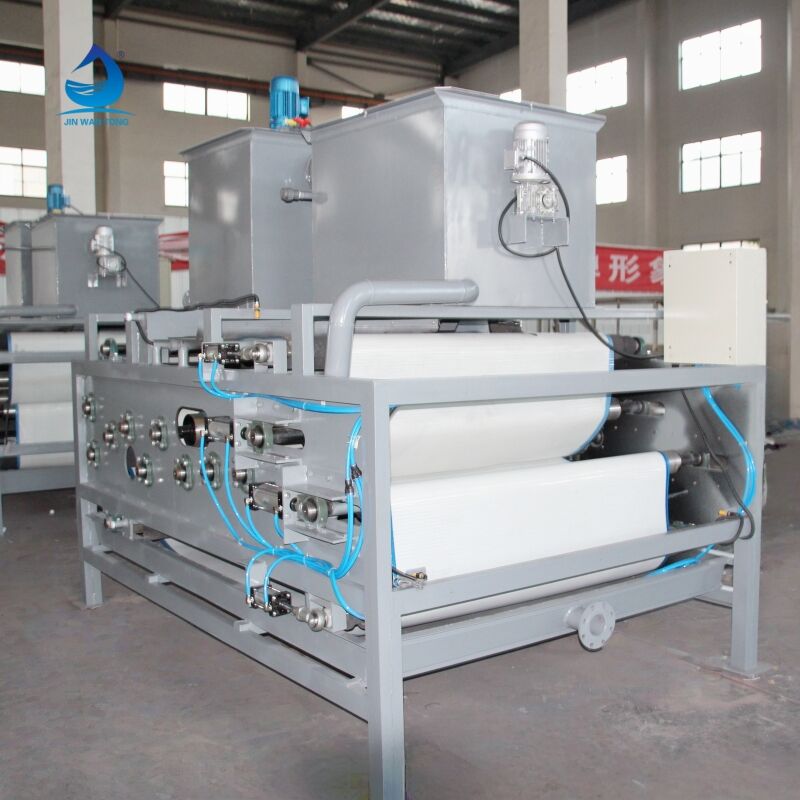
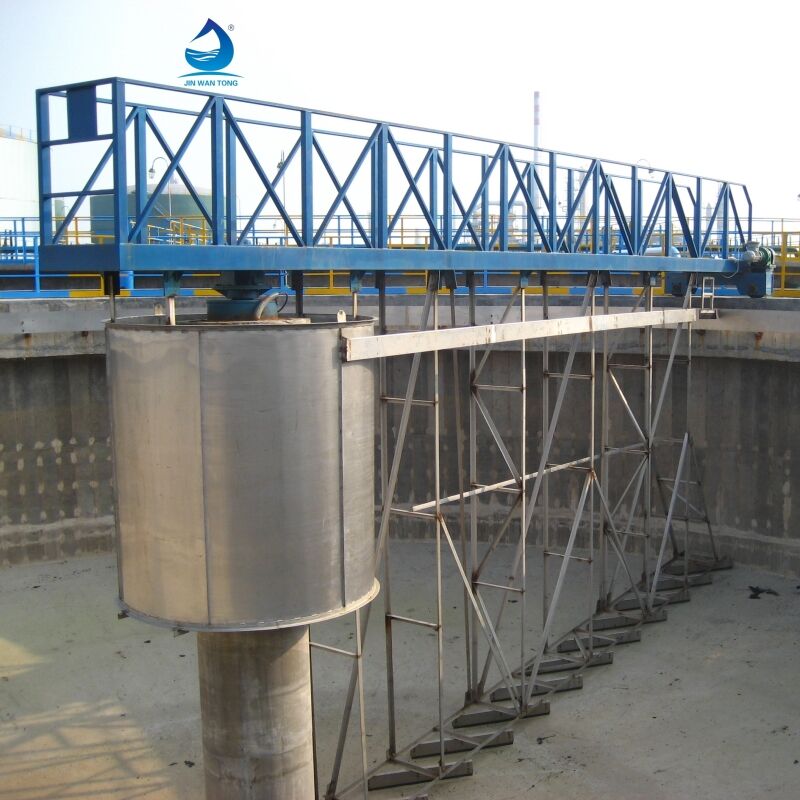
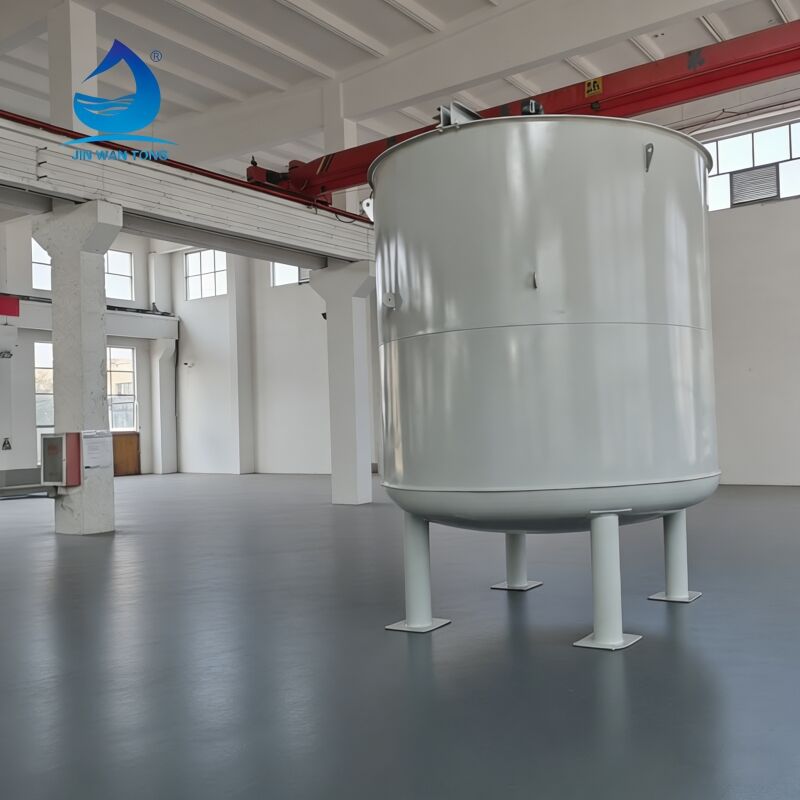
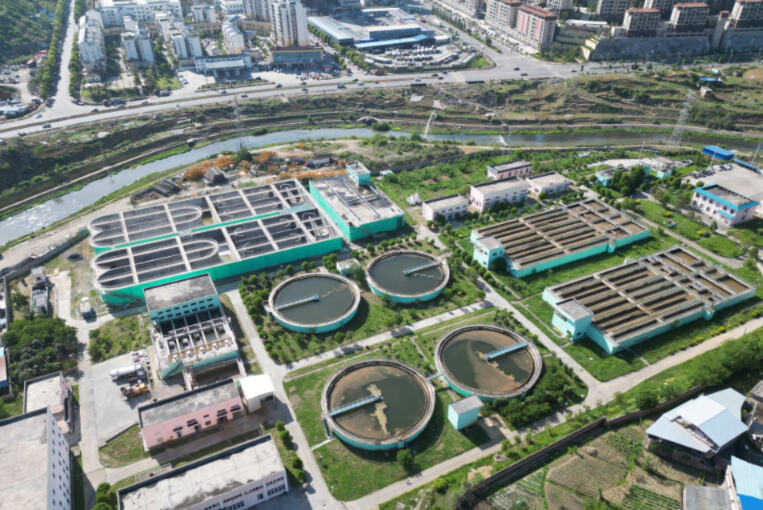
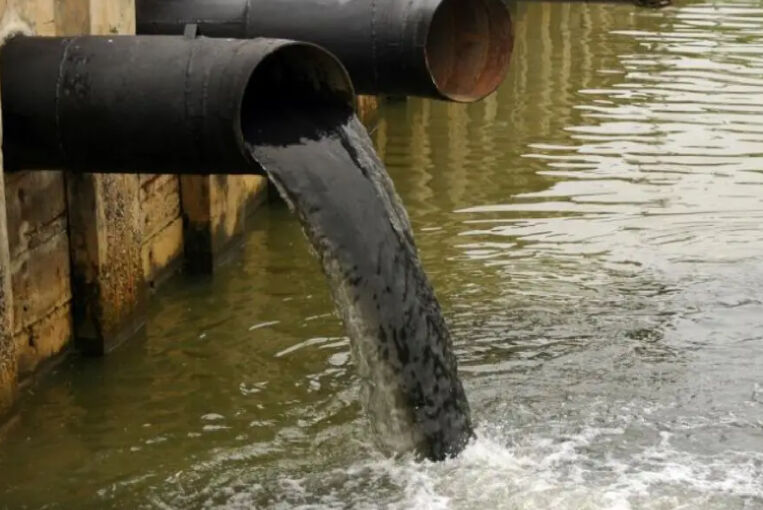
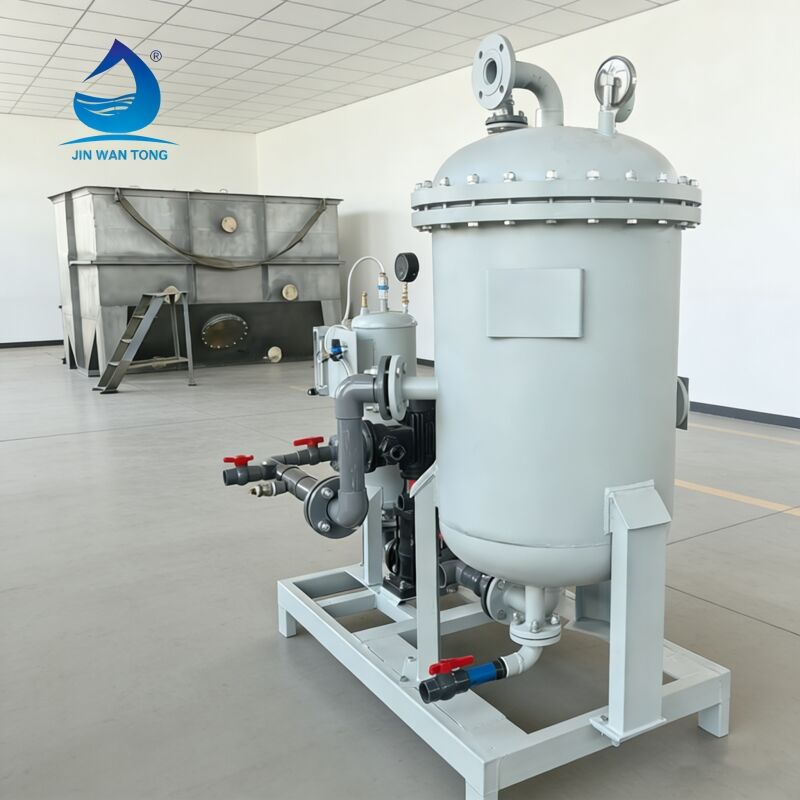
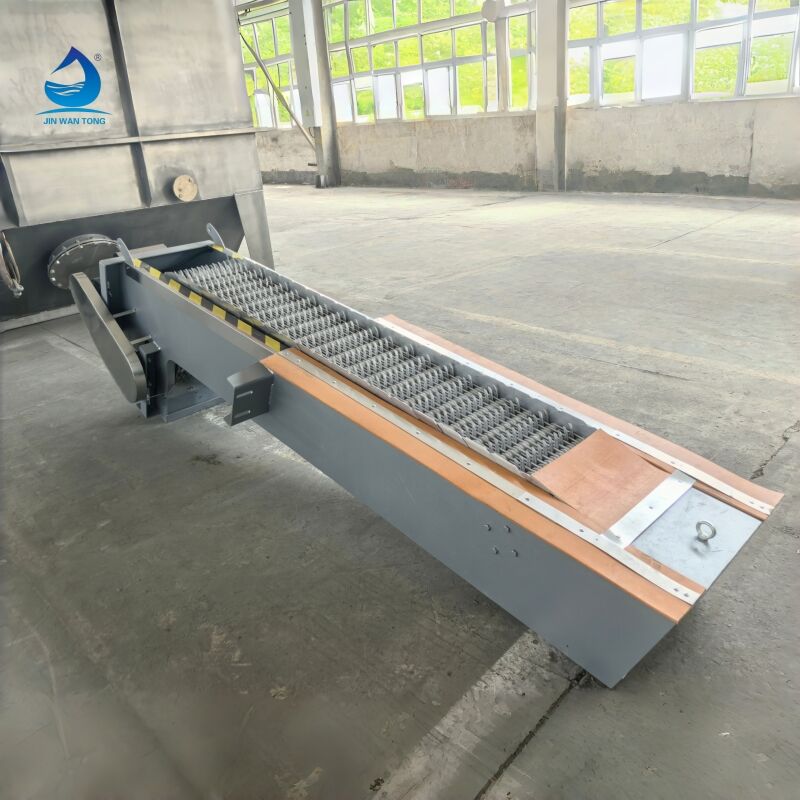
Wastewater treatment facilities rely on sophisticated machinery to transform contaminated water into clean, environmentally safe discharge. The equipment used in wastewater treatment plant operations encompasses mechanical, biological, and chemical processing systems that work together to remove pollutants, organic matter, and harmful substances. Primary treatment equipment includes bar screens, grit chambers, and primary clarifiers that physically separate large debris and settleable solids from incoming wastewater. These mechanical systems form the foundation of effective water purification processes. Secondary treatment utilizes biological processes through equipment such as activated sludge systems, trickling filters, and secondary clarifiers. These biological treatment units employ microorganisms to break down organic compounds and reduce biochemical oxygen demand. The equipment used in wastewater treatment plant secondary stages includes aeration systems, return activated sludge pumps, and waste activated sludge handling equipment. Advanced tertiary treatment equipment encompasses membrane bioreactors, reverse osmosis systems, ultraviolet disinfection units, and chemical dosing systems. These sophisticated technologies remove remaining contaminants, pathogens, and nutrients to meet stringent discharge standards. Sludge processing equipment includes thickeners, digesters, dewatering systems, and belt filter presses that manage solid waste byproducts. Control systems integrate programmable logic controllers, sensors, and monitoring devices to optimize performance and ensure regulatory compliance. Pumping stations, blowers, and conveyance systems transport water and air throughout treatment processes. The equipment used in wastewater treatment plant operations must withstand corrosive environments while maintaining consistent performance. Modern installations incorporate energy-efficient motors, variable frequency drives, and automated control systems to minimize operational costs. Each component plays a crucial role in transforming wastewater into clean water that protects public health and environmental resources.
New Product Releases

The equipment used in wastewater treatment plant operations delivers substantial cost savings through energy-efficient designs and automated control systems. Modern treatment equipment reduces operational expenses by optimizing energy consumption, minimizing chemical usage, and decreasing labor requirements through intelligent automation. These systems operate continuously with minimal supervision, allowing facility operators to focus on strategic maintenance and optimization activities. Advanced monitoring capabilities enable predictive maintenance scheduling, preventing costly equipment failures and extending machinery lifespan. The equipment used in wastewater treatment plant facilities significantly reduces environmental impact by removing pollutants, pathogens, and harmful substances from wastewater before discharge. This environmental protection capability helps municipalities and industries comply with increasingly stringent regulatory requirements while protecting local water bodies and ecosystems. Treatment equipment eliminates health risks associated with untreated wastewater, preventing waterborne diseases and contamination of drinking water supplies. Modern systems achieve exceptional removal rates for suspended solids, organic matter, nutrients, and emerging contaminants. Reliability represents another key advantage, as the equipment used in wastewater treatment plant operations incorporates redundant systems and robust construction materials. These reliability features ensure continuous operation even during equipment maintenance or unexpected failures. Treatment plants can maintain service levels while performing routine maintenance on individual components. Scalability allows treatment facilities to expand capacity by adding modular equipment components without major infrastructure overhauls. This flexibility accommodates population growth and changing treatment requirements over time. Energy recovery systems capture methane from anaerobic digestion processes, generating renewable energy to offset operational costs. Advanced equipment also recovers valuable resources including biosolids for agricultural applications and treated water for reuse in irrigation or industrial processes. Digital monitoring systems provide real-time performance data, enabling operators to optimize treatment processes and identify improvement opportunities. The equipment used in wastewater treatment plant installations incorporates user-friendly interfaces and remote monitoring capabilities, simplifying operation and maintenance procedures while ensuring optimal performance standards.

Tips And Tricks

Overview of the Agricultural Wastewater Treatment Market

17

Dec

Overview of the Agricultural Wastewater Treatment Market

View More
Global Real-Time Wastewater Treatment Update

17

Dec

Global Real-Time Wastewater Treatment Update

View More
Navigating the Waters: The Role of an Industrial Wastewater Treatment Plant

17

Dec

Navigating the Waters: The Role of an Industrial Wastewater Treatment Plant

View More

Get a Free Quote

Our representative will contact you soon.
Email
Name
Company Name
Message
0/1000

equipment used in wastewater treatment plant

Advanced Biological Treatment Technology

Advanced Biological Treatment Technology

The equipment used in wastewater treatment plant biological treatment processes represents cutting-edge technology that harnesses natural microbial processes to achieve superior water quality results. Modern biological treatment equipment incorporates sophisticated aeration systems, membrane bioreactors, and sequencing batch reactors that optimize microbial growth conditions for maximum contaminant removal efficiency. These systems create controlled environments where beneficial bacteria and microorganisms thrive, consuming organic pollutants and converting them into harmless byproducts. Advanced biological treatment equipment features precision-controlled dissolved oxygen levels, nutrient balancing systems, and temperature regulation to maintain optimal microbial communities. The equipment used in wastewater treatment plant biological stages includes fine bubble aeration systems that maximize oxygen transfer efficiency while minimizing energy consumption. These energy-efficient aeration systems reduce operational costs significantly compared to traditional coarse bubble systems. Membrane bioreactor technology combines biological treatment with physical membrane separation, achieving exceptional removal rates for suspended solids, bacteria, viruses, and emerging contaminants. This advanced biological treatment approach produces high-quality effluent suitable for water reuse applications, supporting sustainable water management strategies. The equipment incorporates automated sludge age control, preventing system upsets and maintaining consistent treatment performance. Smart sensors monitor key parameters including mixed liquor suspended solids, food-to-microorganism ratios, and nutrient levels, automatically adjusting operational parameters to optimize biological processes. The equipment used in wastewater treatment plant biological systems includes advanced process control algorithms that learn from historical data to predict and prevent treatment failures. These intelligent systems reduce operator intervention requirements while maintaining superior treatment performance. Biological treatment equipment also incorporates sophisticated mixing systems that ensure uniform distribution of oxygen and nutrients throughout treatment basins, maximizing treatment efficiency and preventing dead zones that could harbor anaerobic conditions.
Intelligent Process Control and Monitoring Systems

Intelligent Process Control and Monitoring Systems

The equipment used in wastewater treatment plant control systems incorporates state-of-the-art automation technology that revolutionizes facility operations through intelligent monitoring, predictive analytics, and real-time optimization capabilities. Modern process control equipment features advanced programmable logic controllers, distributed control systems, and supervisory control and data acquisition platforms that integrate all treatment processes into a comprehensive management system. These sophisticated control systems monitor thousands of operational parameters simultaneously, providing operators with detailed insights into treatment performance, equipment status, and system efficiency. The equipment used in wastewater treatment plant monitoring includes high-precision sensors for pH, dissolved oxygen, turbidity, flow rates, and chemical concentrations that deliver accurate real-time data for optimal process control. Advanced analytics software processes this data to identify trends, predict equipment failures, and recommend operational adjustments that improve treatment efficiency and reduce costs. Intelligent control systems automatically adjust chemical dosing rates, aeration intensity, and pumping schedules based on incoming wastewater characteristics and treatment objectives. This automated optimization reduces chemical consumption, energy usage, and operator workload while maintaining consistent treatment quality. The equipment used in wastewater treatment plant control systems includes remote monitoring capabilities that allow operators to monitor and control facility operations from any location using secure internet connections. This remote access capability enables immediate response to system alarms, operational adjustments during off-hours, and expert consultation during unusual conditions. Predictive maintenance algorithms analyze equipment performance data to schedule maintenance activities before failures occur, minimizing unplanned downtime and extending equipment lifespan. The control systems also generate comprehensive reporting capabilities that document regulatory compliance, operational efficiency metrics, and maintenance activities. These detailed reports support regulatory reporting requirements, facility optimization efforts, and long-term planning initiatives. Integration with mobile devices enables operators to receive alerts, review system status, and perform basic control functions while away from the central control room.
Energy-Efficient and Sustainable Operation Features

Energy-Efficient and Sustainable Operation Features

The equipment used in wastewater treatment plant operations prioritizes energy efficiency and sustainability through innovative technologies that minimize environmental impact while reducing operational costs. Modern treatment equipment incorporates high-efficiency motors, variable frequency drives, and intelligent load management systems that significantly reduce energy consumption compared to traditional fixed-speed equipment. Energy recovery systems capture and utilize waste heat from various treatment processes, reducing auxiliary heating requirements and improving overall system efficiency. The equipment used in wastewater treatment plant energy management includes sophisticated power monitoring systems that track energy consumption by individual components, enabling targeted efficiency improvements and cost optimization strategies. Advanced aeration systems utilize high-efficiency blowers with variable speed controls that adjust air delivery based on real-time oxygen demand, eliminating energy waste from over-aeration. These smart aeration systems can reduce energy consumption by up to forty percent while maintaining optimal dissolved oxygen levels for biological treatment processes. Renewable energy integration capabilities allow treatment facilities to incorporate solar panels, wind turbines, and biogas generators that offset grid electricity consumption and reduce carbon footprint. The equipment used in wastewater treatment plant sustainable operations includes combined heat and power systems that convert biogas from anaerobic digestion into electricity and thermal energy for facility use. Advanced sludge processing equipment maximizes biogas production through optimized digestion processes, temperature control, and mixing systems that enhance methane yield. Water reuse systems incorporate membrane filtration, advanced oxidation, and disinfection technologies that produce high-quality reclaimed water for irrigation, industrial processes, and groundwater recharge applications. These water recovery capabilities reduce demand on freshwater resources while generating additional revenue streams for treatment facilities. The equipment used in wastewater treatment plant sustainability features includes resource recovery systems that extract valuable nutrients like phosphorus and nitrogen for fertilizer production. Smart grid integration capabilities enable treatment facilities to participate in demand response programs, shifting energy-intensive operations to off-peak hours when electricity rates are lower and grid demand is reduced.
Complete Guide to Wastewater Treatment Plant Equipment: Technology, Benefits & Solutions

Get a Free Quote

Our representative will contact you soon.
Email
Name
Company Name
Message
0/1000