
 EN
EN
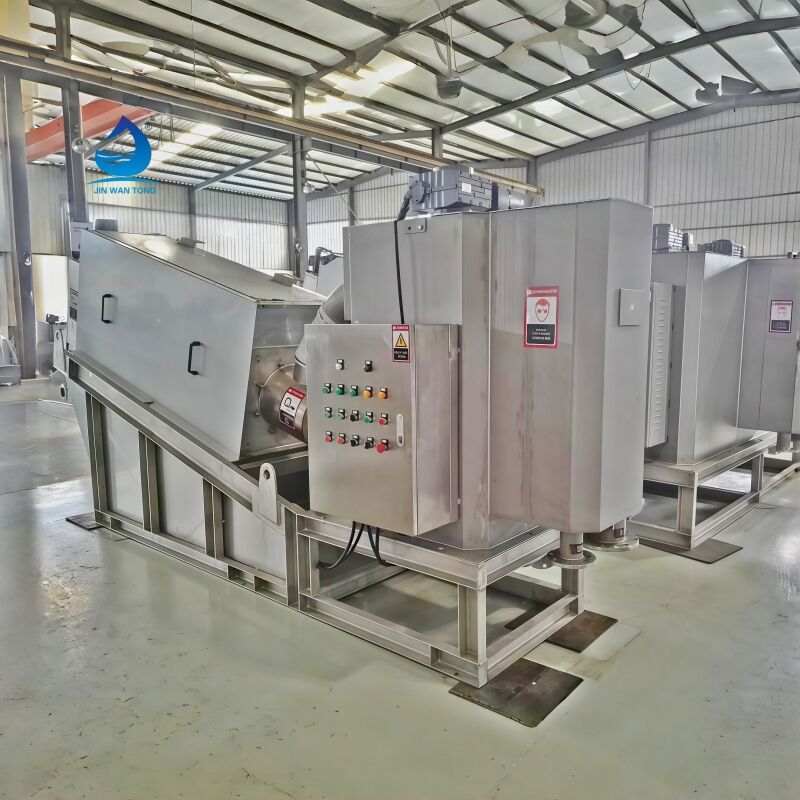
Seasonal industrial operations present unique challenges for wastewater treatment systems, requiring technologies that can handle fluctuating loads while maintaining consistent effluent quality. Moving Bed Biofilm Reactor (MBBR) technology has emerged as a promising solution for industries experiencing dramatic variations in production volume throughout the year. The question of whether MBBR can provide reliable treatment for seasonal industrial loads requires examining the technology's adaptability, resilience, and performance characteristics under variable operating conditions.
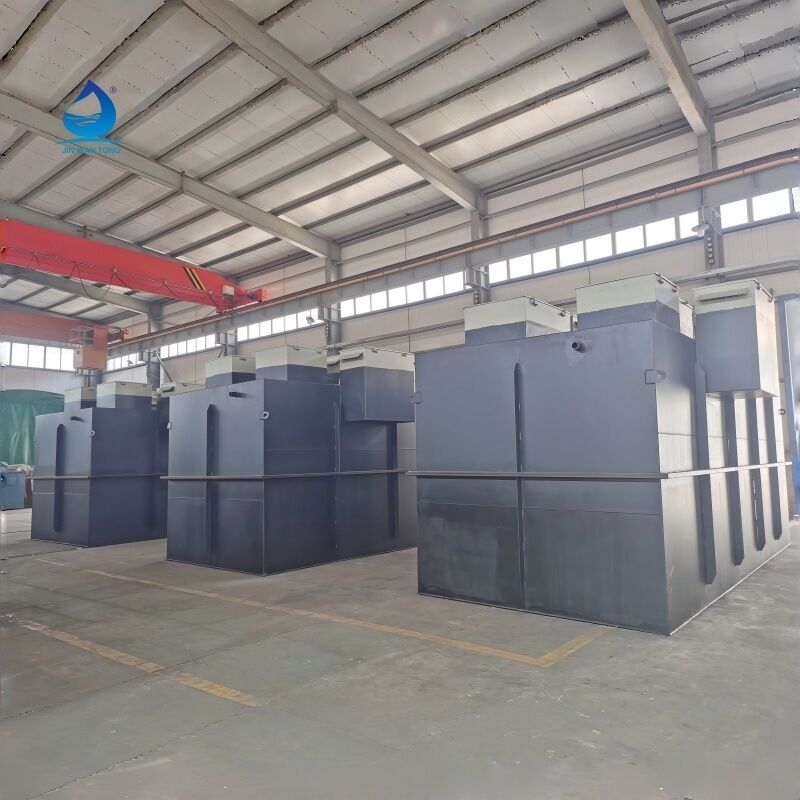
The reliability of MBBR systems for seasonal loads depends on several critical factors including biofilm stability, carrier design, and operational flexibility. Industries such as food processing, agricultural operations, and tourism-related facilities often experience substantial seasonal variations that can stress conventional biological treatment systems. Understanding how MBBR technology responds to these challenges is essential for industrial facility managers considering this treatment approach for their variable wastewater streams.
MBBR Technology Fundamentals and Seasonal Load Adaptability
Biofilm Stability During Load Fluctuations
The core strength of MBBR technology lies in its biofilm-based treatment mechanism, which provides inherent advantages for handling seasonal industrial loads. Unlike conventional activated sludge systems that rely on suspended biomass, MBBR systems utilize biofilm growth on specially designed plastic carriers. This biofilm structure creates a more stable microbial community that can withstand periods of reduced loading without significant biomass loss.
During low-load periods, the biofilm enters a dormant state rather than dying off completely, allowing for rapid reactivation when industrial production resumes. The protected environment within the biofilm matrix shields microorganisms from environmental stresses, including nutrient limitation and temperature fluctuations. This resilience makes MBBR particularly suitable for industries with predictable seasonal patterns, as the system can maintain treatment capacity even during extended shutdown periods.
Research has demonstrated that MBBR biofilms can recover to full treatment efficiency within days of load resumption, compared to weeks required for conventional systems to rebuild suspended biomass populations. The stratified nature of biofilm growth, with different microbial species occupying various depths, provides redundancy that enhances system reliability during variable loading conditions.
Carrier Design and Load Distribution
The plastic carriers used in MBBR systems play a crucial role in accommodating seasonal load variations. Modern carrier designs incorporate specific surface area optimization and hydrodynamic properties that promote uniform biofilm development and efficient mass transfer. The high surface area provided by these carriers allows for substantial biofilm growth, creating treatment capacity reserves that prove valuable during peak seasonal loads.
Carrier movement within the reactor creates continuous mixing and biofilm renewal, preventing the development of dead zones that could compromise treatment efficiency. This movement also facilitates oxygen transfer and substrate distribution, ensuring that the biofilm remains active throughout the carrier bed. The self-regulating nature of biofilm growth on carriers means that the system naturally adjusts its treatment capacity based on available substrate, making it well-suited for variable industrial loads.
The durability of MBBR carriers ensures long-term system reliability, with properly designed carriers lasting for decades without replacement. This longevity provides operational consistency for seasonal industries, eliminating concerns about carrier degradation during periods of reduced operation. The ability to add or remove carriers from the system also provides flexibility for adjusting treatment capacity to match long-term changes in seasonal load patterns.
Operational Flexibility and Process Control
Hydraulic and Organic Loading Adaptability
MBBR systems demonstrate exceptional adaptability to varying hydraulic and organic loading conditions common in seasonal industrial operations. The technology can handle loading variations of several orders of magnitude without compromising effluent quality, provided that the system is properly designed for the expected range. This flexibility stems from the biofilm's ability to adjust its metabolic activity based on substrate availability and the system's inherent buffering capacity.
During peak seasonal periods, MBBR systems can accommodate increased loading by utilizing the full treatment capacity of the established biofilm. The rapid response capability of biofilm-based systems allows for efficient processing of sudden load increases without the lag time associated with growing suspended biomass. This responsiveness is particularly valuable for industries with unpredictable seasonal spikes or extended peak periods.
The modular nature of MBBR technology enables system expansion or capacity adjustment to better match seasonal requirements. Additional reactor stages can be activated during peak periods and deactivated during low seasons, optimizing energy consumption while maintaining treatment reliability. This operational flexibility provides cost-effective treatment solutions for industries with well-defined seasonal patterns.
Aeration and Energy Optimization
Energy efficiency becomes critical for seasonal industrial operations, as treatment costs must be minimized during periods of reduced revenue generation. MBBR systems offer several advantages in this regard, including reduced aeration requirements compared to conventional activated sludge systems. The efficient oxygen transfer characteristics of carrier-based biofilms allow for lower air flow rates while maintaining adequate dissolved oxygen levels throughout the reactor.
Variable aeration control strategies can be implemented to match oxygen supply with actual demand, reducing energy consumption during low-load periods. Advanced process control systems can monitor dissolved oxygen, pH, and other parameters to optimize aeration rates automatically. This capability ensures treatment efficiency while minimizing operational costs during seasonal downturns.
The ability to operate MBBR systems at lower dissolved oxygen concentrations during reduced loading periods provides additional energy savings without compromising treatment performance. The biofilm structure maintains treatment efficiency even under oxygen-limited conditions, allowing for significant energy reduction during seasonal low periods while ensuring rapid recovery capability when full production resumes.
Performance Considerations for Seasonal Applications
Effluent Quality Consistency
Maintaining consistent effluent quality throughout seasonal variations is essential for regulatory compliance and environmental protection. MBBR technology provides several mechanisms that support stable treatment performance despite fluctuating input conditions. The biofilm matrix acts as a biological buffer, smoothing out variations in influent characteristics and providing consistent biological treatment capacity.
The diverse microbial community within MBBR biofilms includes both fast-growing and slow-growing organisms, providing treatment redundancy that enhances system stability. This diversity ensures that essential treatment processes continue even when some microbial populations are stressed by changing conditions. The result is more consistent effluent quality compared to systems relying solely on suspended biomass.
Long-term performance data from seasonal MBBR installations demonstrate the technology's ability to maintain effluent standards throughout annual cycles. The system's inherent stability reduces the need for frequent operational adjustments, simplifying management for facilities with limited technical staff during off-seasons. This reliability is particularly valuable for remote industrial locations where technical support may be limited.
Cold Weather and Temperature Effects
Many seasonal industries operate in climates where winter conditions significantly impact biological treatment systems. MBBR technology shows superior cold weather performance compared to conventional systems due to the protective nature of biofilm growth. The biofilm matrix provides insulation that helps maintain biological activity even at reduced temperatures.
The higher biomass concentration achievable in MBBR systems compensates for reduced biological activity at lower temperatures, maintaining adequate treatment capacity throughout winter operations. System design modifications, such as increased carrier fill ratios or additional reactor volume, can be implemented to ensure reliable performance in cold climates.
Startup procedures for cold weather operation are simplified in MBBR systems compared to conventional biological treatment. The existing biofilm provides immediate treatment capacity when systems are restarted after winter shutdowns, eliminating the extended startup periods required to establish suspended biomass populations in cold conditions.
Implementation Strategies and Design Considerations
System Sizing and Configuration
Proper sizing of MBBR systems for seasonal industrial loads requires careful analysis of loading patterns, peak capacity requirements, and minimum flow conditions. Design engineers must balance the need for adequate peak capacity with cost-effective operation during low-load periods. The modular nature of MBBR technology provides flexibility in system configuration to optimize both performance and economics.
Multiple reactor configurations can be employed to provide operational flexibility, including parallel trains that can be taken offline during low seasons and series arrangements that optimize treatment efficiency. The ability to adjust carrier fill ratios provides additional capacity tuning capability without major system modifications. This design flexibility ensures that MBBR systems can be optimized for specific seasonal patterns.
Pre-treatment requirements for seasonal industrial loads must be carefully evaluated, as concentrated seasonal discharges may contain higher levels of suspended solids or toxic compounds. Proper pre-treatment design protects the MBBR biofilm from shock loads and ensures consistent system performance throughout operational cycles. Integration with existing plant infrastructure should consider seasonal access requirements and maintenance schedules.
Monitoring and Control Systems
Advanced monitoring and control capabilities are essential for optimizing MBBR performance under seasonal loading conditions. Automated systems can track key performance parameters and adjust operational settings to maintain efficiency while minimizing costs. Remote monitoring capabilities are particularly valuable for seasonal operations where on-site staff may be limited during certain periods.
Process control algorithms specifically designed for variable loading conditions can optimize aeration, mixing, and other operational parameters based on real-time system conditions. These systems can anticipate seasonal changes and adjust operations proactively to ensure smooth transitions between high and low loading periods. Predictive maintenance capabilities help identify potential issues before they impact system performance.
Data logging and analysis capabilities provide valuable insights into system performance patterns, enabling continuous optimization of operational strategies. Historical data can be used to refine seasonal operating procedures and improve system reliability over time. This information is particularly valuable for validating design assumptions and planning system modifications or expansions.
FAQ
How quickly can an MBBR system recover from extended low-load periods?
MBBR systems typically recover to full treatment capacity within 3-7 days after resuming normal loading conditions. The biofilm remains viable during extended low-load periods, allowing for rapid reactivation when substrate becomes available again. This recovery time is significantly faster than conventional activated sludge systems, which may require weeks to rebuild biomass populations.
What is the minimum loading required to maintain MBBR biofilm viability during off-seasons?
MBBR biofilms can survive extended periods with minimal loading, typically requiring only 5-10% of design organic loading to maintain viability. During complete shutdowns lasting several months, the biofilm enters a dormant state but remains recoverable. Some facilities maintain minimal loading through domestic wastewater or supplemental feeding to ensure optimal biofilm health during extended off-seasons.
Can MBBR systems handle sudden load increases typical of seasonal startup conditions?
Yes, MBBR systems are well-suited for handling sudden load increases due to their high biomass concentration and rapid response capability. The established biofilm can immediately begin processing increased organic loads without the lag time associated with biomass growth. However, gradual load increases over several days provide optimal performance and help prevent shock loading effects.
What maintenance is required for MBBR systems during seasonal shutdown periods?
Minimal maintenance is required during shutdown periods, primarily involving equipment protection and basic system monitoring. Aeration should be maintained at reduced levels to preserve biofilm viability, and mechanical equipment should follow standard shutdown procedures. The robust nature of MBBR carriers eliminates concerns about media degradation during extended shutdown periods, simplifying seasonal maintenance requirements.
Table of Contents
- MBBR Technology Fundamentals and Seasonal Load Adaptability
- Operational Flexibility and Process Control
- Performance Considerations for Seasonal Applications
- Implementation Strategies and Design Considerations
-
FAQ
- How quickly can an MBBR system recover from extended low-load periods?
- What is the minimum loading required to maintain MBBR biofilm viability during off-seasons?
- Can MBBR systems handle sudden load increases typical of seasonal startup conditions?
- What maintenance is required for MBBR systems during seasonal shutdown periods?