 EN
EN
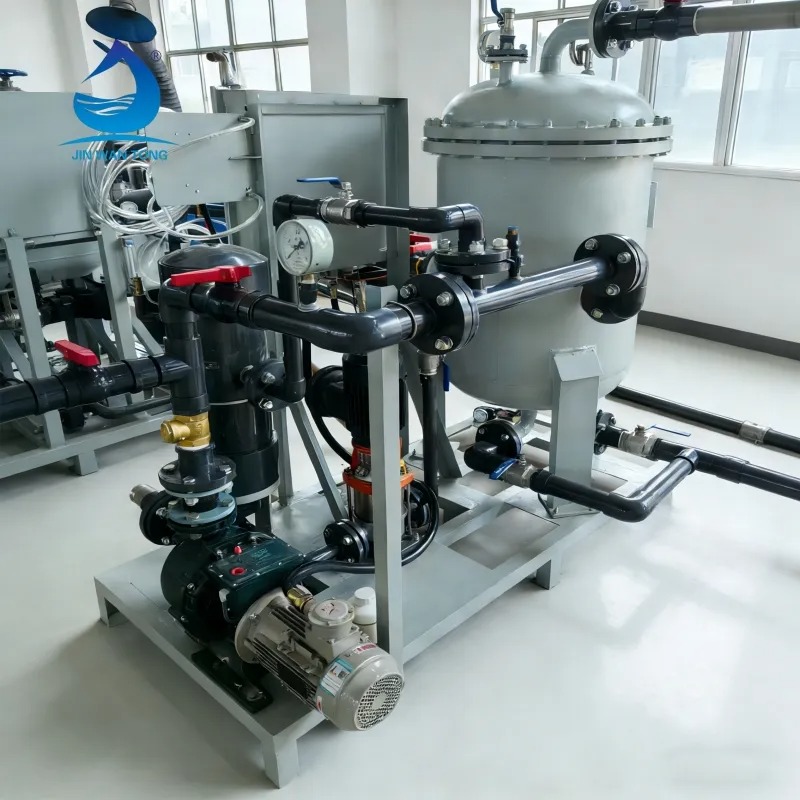
The wastewater treatment industry faces mounting pressure to reduce operational costs while maintaining treatment quality. DAF innovations have emerged as a transformative solution, enabling treatment facilities to achieve higher efficiency and lower energy consumption simultaneously. Modern DAF innovations represent a fundamental shift in how dissolved air flotation systems operate, combining advanced process control, optimized bubble generation, and intelligent automation to deliver measurable environmental and financial benefits.
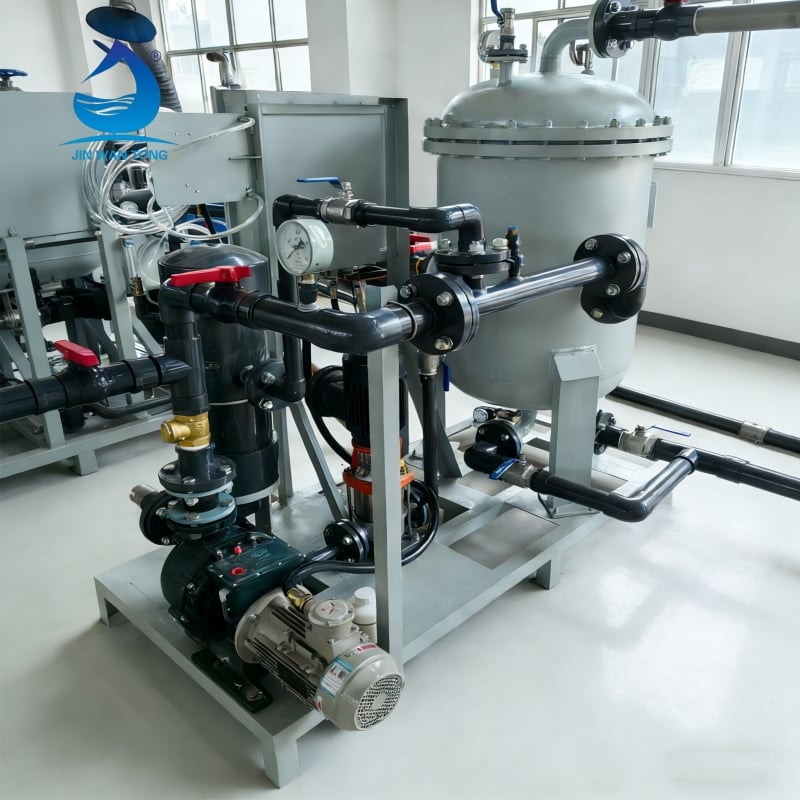
Understanding the practical applications of DAF innovations helps facility managers and engineers make informed decisions about treatment system upgrades. The evolution of DAF technology reflects industry demands for sustainability, cost efficiency, and regulatory compliance. Today's DAF innovations address these challenges through engineering breakthroughs that reduce power draw, extend equipment lifespan, and improve treatment reliability across diverse industrial and municipal applications.
Advanced Bubble Generation in DAF Innovations
Precision Air Injection Technology
DAF innovations in bubble generation have revolutionized how air is dissolved and released into treatment tanks. Traditional systems rely on fixed saturation pressures and static nozzle designs, which limit control over bubble size and distribution. Modern DAF innovations employ variable pressure saturation systems and multi-point injection technology, allowing operators to fine-tune bubble generation based on influent characteristics and treatment objectives. These precision air injection methods significantly reduce the volume of air required to achieve treatment targets, directly lowering energy consumption without compromising flotation efficiency.
Energy Optimization Through Bubble Control
The relationship between bubble size and energy consumption is central to understanding how DAF innovations reduce operational costs. Smaller, more uniformly distributed bubbles generated by advanced DAF innovations improve contact between air and suspended solids, enhancing removal efficiency at lower saturation pressures. This breakthrough means facilities operating with DAF innovations can maintain the same treatment performance while reducing compressor running hours and air saturation energy demands. Field data from installations using DAF innovations consistently demonstrates 20 to 35 percent reductions in air injection energy compared to conventional flotation systems.
Process Control and Automation in DAF Innovations
Real-Time Monitoring and Adaptive Response
DAF innovations integrate intelligent process control systems that monitor influent quality, sludge blanket density, and effluent clarity in real time. Unlike static treatment protocols, DAF innovations with automated control respond dynamically to changing wastewater characteristics by adjusting saturation pressure, air flow, and hydraulic retention time. This adaptive capability ensures consistent treatment quality while minimizing unnecessary energy expenditure. When influent loading drops, DAF innovations automatically reduce air generation and recycle rates, eliminating wasteful operation during low-demand periods.
Operator Interface and Data Integration
Modern DAF innovations feature user-friendly control interfaces that provide operators with comprehensive visibility into system performance metrics. Integration with facility-wide data management platforms enables DAF innovations to communicate with other treatment processes, optimizing overall plant efficiency. Facilities implementing DAF innovations report faster operator response times to process deviations and reduced maintenance downtime through predictive alerts. The transparency provided by DAF innovations supports continuous improvement initiatives and regulatory reporting by automatically logging operational parameters and treatment outcomes.
Mechanical Design Improvements in DAF Innovations
Enhanced Flotation Tank Geometry
DAF innovations extend beyond controls and air injection to include refined tank geometry and internal flow distribution designs. Contemporary DAF innovations feature optimized inlet diffusers, improved baffle configurations, and sloped floor designs that maximize settling efficiency while minimizing short-circuiting. These mechanical enhancements work synergistically with advanced bubble generation, creating superior separation conditions. Tanks incorporating DAF innovations demonstrate higher throughput capacity for the same footprint, allowing operators to treat more wastewater volume with existing equipment or reduce tank size requirements for new installations.
Sludge Handling and Thickening Efficiency
DAF innovations also address sludge removal and handling, which represent significant energy consumers in many treatment facilities. Advanced designs employed in DAF innovations incorporate improved clarification zones and integrated sludge thickening compartments that concentrate solids more effectively than traditional systems. By producing thicker sludge blankets more efficiently, DAF innovations reduce the volume requiring subsequent dewatering treatment, lowering polymer consumption and downstream processing energy. This comprehensive approach to system design distinguishes modern DAF innovations from incremental equipment upgrades.
Industrial Applications and Treatment Scenarios
Food and Beverage Processing
Food and beverage facilities treating high-strength, variable-quality wastewater benefit significantly from DAF innovations. The adaptive control capabilities of DAF innovations handle seasonal product changes and production schedule variations without requiring manual reconfiguration. Facilities processing fish, poultry, dairy, and vegetable products have achieved substantial cost reductions by implementing DAF innovations, particularly through reduced chemical dosing and improved biosolids handling. Many facilities report that DAF innovations paid for themselves within three to five years through energy and chemical savings alone.
Municipal and Residential Applications
Municipal wastewater treatment plants face increasing pressure to reduce operational budgets while maintaining service quality. DAF innovations designed for municipal applications integrate smoothly with existing treatment trains and provide flexibility for processing variable influent loads. Municipalities adopting DAF innovations have documented energy reductions ranging from 25 to 40 percent compared to conventional flotation or settling alternatives. The reliability and low maintenance requirements of DAF innovations make them particularly attractive for smaller municipalities with limited operator expertise and budgets for frequent equipment repairs.
Economic and Environmental Benefits
Capital and Operating Cost Analysis
The financial case for DAF innovations extends beyond simple energy reduction to encompass total cost of ownership across the equipment lifetime. While DAF innovations may carry higher initial capital investment than traditional flotation systems, the reduced operating costs typically generate positive return on investment within two to four years for high-flow facilities. Lower energy consumption, reduced chemical usage, decreased maintenance frequency, and extended equipment service life all contribute to superior long-term economics. Facilities performing detailed lifecycle cost analysis typically find that DAF innovations deliver 30 to 50 percent lower total costs compared to conventional treatment alternatives.
Environmental Sustainability Impact
Environmental considerations increasingly influence treatment technology selection. DAF innovations reduce carbon footprint through lower electricity consumption, aligning with corporate sustainability goals and regulatory climate initiatives. Improved treatment efficiency achieved through DAF innovations reduces the volume of sludge requiring disposal, further decreasing environmental impact and associated transportation costs. Facilities implementing DAF innovations often achieve water quality targets with reduced chemical inputs, benefiting local ecosystems and supporting community environmental stewardship objectives.
FAQ
What specific energy reductions can facilities expect from DAF innovations?
Energy reductions from DAF innovations typically range from 20 to 40 percent depending on existing equipment baseline and specific facility operating conditions. Facilities upgrading from conventional flotation systems report higher reductions, while those with already efficient systems see more modest improvements. Precise reduction estimates require evaluation of current air saturation pressures, compressor efficiency, and treatment flow rates. Most facilities observe measurable energy savings within the first operating month after implementing DAF innovations.
How do DAF innovations improve treatment reliability?
DAF innovations enhance reliability through automated process control systems that continuously monitor and adjust operating parameters, eliminating manual operator errors and response delays. Real-time monitoring capabilities identify potential process upsets before they develop into treatment failures, allowing corrective action to maintain consistent effluent quality. The robust mechanical designs incorporated in DAF innovations reduce equipment wear and extend maintenance intervals, minimizing unplanned downtime that can disrupt treatment operations and violate discharge permits.
Are DAF innovations compatible with existing treatment facility infrastructure?
Most DAF innovations integrate readily with existing treatment plant layouts and process sequences. Advanced DAF innovations feature flexible inlet and outlet configurations that accommodate diverse facility geometries without requiring extensive civil modifications. Retrofit installation of DAF innovations into existing clarifier basins is often feasible, reducing capital requirements and construction disruption. Facility engineers and equipment suppliers can assess specific compatibility requirements during design phases to ensure seamless integration with current infrastructure.