 EN
EN
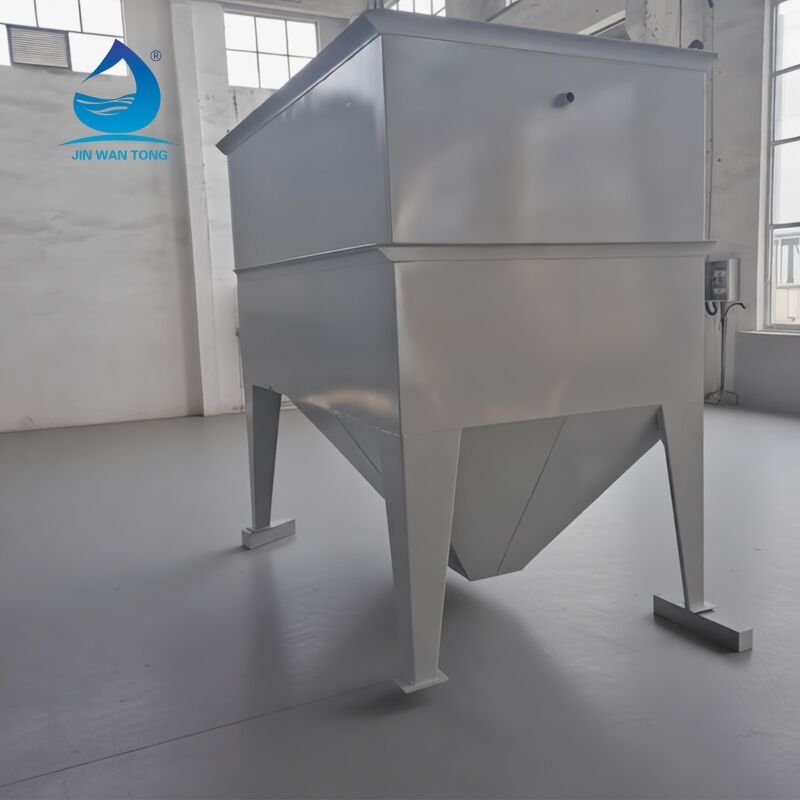
The question of whether membrane bioreactor technology represents a cost-effective solution for industrial wastewater treatment has become increasingly critical as industries face mounting pressure to optimize both environmental compliance and operational expenses. MBR wastewater treatment systems combine biological treatment with membrane filtration to achieve superior effluent quality, but the initial capital investment and ongoing operational costs require careful evaluation against long-term benefits and regulatory requirements.
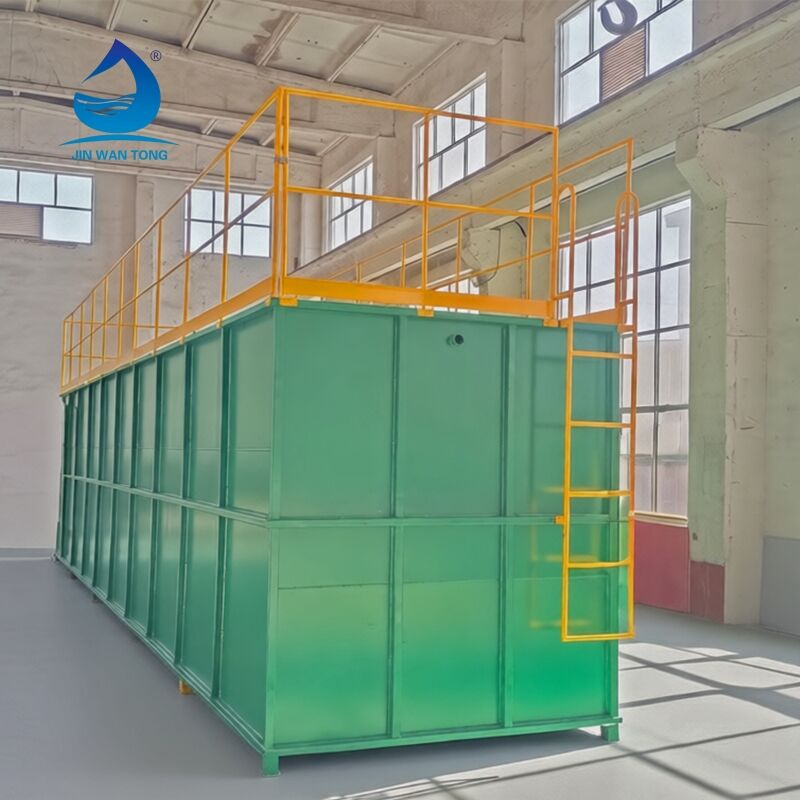
Understanding the cost-effectiveness of MBR wastewater treatment requires analyzing multiple financial and operational factors that vary significantly across different industrial sectors. While the upfront costs of MBR systems typically exceed conventional activated sludge treatments, the comprehensive evaluation must consider operational savings, compliance assurance, space efficiency, and long-term sustainability benefits that can fundamentally alter the economic equation for industrial wastewater management.
Capital Investment Analysis for MBR Systems
Initial Equipment and Infrastructure Costs
The capital expenditure for MBR wastewater treatment systems typically ranges from 20% to 40% higher than conventional biological treatment systems, primarily due to the sophisticated membrane modules and associated equipment required. This initial investment includes membrane cassettes, specialized pumps, aeration systems, and advanced control systems that ensure optimal membrane performance and longevity.
However, the higher capital costs must be evaluated against the reduced footprint requirements of MBR systems, which can occupy 50% to 70% less space than conventional treatment facilities. For industries operating in urban areas or locations with high land costs, this space efficiency can translate into substantial savings in site preparation, construction, and real estate expenses.
The modular design of many MBR wastewater treatment systems also provides cost advantages through phased implementation capabilities, allowing industries to match capacity expansion with actual demand growth rather than investing in oversized systems from the outset. This scalability factor becomes particularly important for growing industrial operations or facilities with seasonal wastewater generation patterns.
Installation and Integration Considerations
Installation costs for MBR systems often prove more predictable and controlled compared to conventional treatment systems due to their compact, pre-engineered design and reduced civil construction requirements. The simplified installation process can reduce project timelines by 20% to 30%, translating into faster commissioning and earlier return on investment realization.
Integration with existing industrial processes frequently requires less extensive modifications when implementing MBR wastewater treatment technology, as these systems can accommodate wider variations in influent quality and flow rates without significant performance degradation. This adaptability reduces the need for expensive pre-treatment systems or process modifications that might be necessary with conventional biological treatment approaches.
The standardized nature of MBR components also facilitates more accurate cost estimation during the planning phase, reducing the risk of budget overruns that commonly affect complex wastewater treatment projects. This predictability becomes particularly valuable for industrial facility managers operating under strict capital budget constraints.
Operational Cost Evaluation and Long-term Economics
Energy Consumption and Efficiency Factors
Energy consumption represents one of the most significant ongoing operational expenses for MBR wastewater treatment systems, typically accounting for 60% to 70% of total operating costs. The membrane aeration requirements and pump energy for maintaining proper membrane flux rates contribute to energy demands that can be 15% to 25% higher than conventional activated sludge systems.
However, the superior treatment efficiency of MBR systems often enables industries to achieve regulatory compliance with smaller system sizes and reduced treatment stages, which can offset the higher specific energy consumption. Additionally, the consistent high-quality effluent produced by MBR wastewater treatment systems eliminates the need for tertiary treatment processes that would otherwise consume additional energy.
Advanced process control systems integrated with modern MBR installations can optimize energy consumption through intelligent scheduling of membrane cleaning cycles, variable frequency drive controls, and adaptive aeration management. These optimization features can reduce energy costs by 10% to 20% compared to basic MBR configurations while maintaining treatment performance standards.
Maintenance Requirements and Service Costs
Maintenance costs for MBR wastewater treatment systems follow different patterns compared to conventional treatment technologies, with membrane replacement representing the most significant periodic expense. Membrane modules typically require replacement every 5 to 10 years depending on influent characteristics and operational practices, with costs ranging from $50 to $150 per square meter of membrane area.
The reduced sludge production characteristic of MBR systems creates substantial cost savings in sludge handling, transportation, and disposal expenses. Industries can experience 20% to 40% reduction in excess sludge generation compared to conventional biological treatment, translating into significant long-term operational savings, particularly for facilities located far from sludge disposal facilities.
Preventive maintenance requirements for MBR systems tend to be more systematic and predictable than conventional treatment systems, enabling better budget planning and reduced emergency repair costs. The automated cleaning cycles and continuous monitoring capabilities of modern MBR wastewater treatment systems help maintain optimal performance while minimizing unexpected maintenance interventions.
Industry-Specific Cost-Benefit Analysis
Food and Beverage Industry Applications
For food and beverage industries, MBR wastewater treatment systems demonstrate particular cost-effectiveness due to their ability to handle high organic loading rates and produce effluent suitable for direct discharge or reuse applications. The superior removal efficiency for biochemical oxygen demand and suspended solids eliminates the need for additional polishing steps that would otherwise increase treatment costs.
The compact footprint of MBR systems becomes especially valuable for food processing facilities operating in urban locations where space constraints and zoning restrictions limit expansion options. The reduced odor generation and improved aesthetic appearance of MBR installations also minimize community relations issues that could result in costly operational restrictions or relocation requirements.
Water reuse capabilities enabled by MBR wastewater treatment technology can generate substantial cost savings for food and beverage operations with high process water demands. The high-quality effluent produced by MBR systems often meets or exceeds standards for process water applications, reducing freshwater consumption and associated utility costs by 20% to 50% in many applications.
Pharmaceutical and Chemical Manufacturing Considerations
Pharmaceutical and chemical manufacturing industries often find MBR wastewater treatment systems cost-effective due to their superior ability to handle variable influent characteristics and maintain consistent effluent quality despite process upsets or contamination events. This reliability reduces the risk of regulatory violations and associated penalty costs that can reach hundreds of thousands of dollars per incident.
The enhanced pathogen removal capabilities of MBR systems become particularly valuable for pharmaceutical facilities where effluent disinfection requirements are stringent. The membrane barrier provides an additional safety factor that can eliminate or reduce chemical disinfection requirements, lowering both operational costs and potential environmental liabilities.
For facilities handling specialty chemicals or complex organic compounds, MBR wastewater treatment systems often demonstrate superior cost-effectiveness through their ability to maintain stable biological treatment conditions despite inhibitory or toxic compounds that might destabilize conventional treatment processes. This operational reliability translates into more predictable treatment costs and reduced risk of system failures.
Regulatory Compliance and Risk Management Benefits
Discharge Permit Compliance Assurance
The consistent high-quality effluent produced by MBR wastewater treatment systems provides industries with enhanced assurance of regulatory compliance, reducing the financial risks associated with permit violations and enforcement actions. The membrane barrier effectively removes suspended solids, pathogens, and many dissolved contaminants that could otherwise cause compliance issues with conventional treatment systems.
Industries operating under increasingly stringent discharge regulations often find that MBR systems provide a cost-effective pathway to compliance without requiring extensive system modifications or additional treatment stages. The superior treatment performance creates operational margins that accommodate variations in influent characteristics while maintaining effluent quality within permitted limits.
The documented performance reliability of MBR wastewater treatment technology also facilitates permit renewals and modifications, potentially enabling industries to negotiate more favorable permit conditions or expand production capacity without proportional increases in treatment infrastructure investments.
Future Regulatory Adaptation Capabilities
MBR systems provide inherent flexibility to adapt to evolving regulatory requirements without major infrastructure modifications, representing a form of regulatory risk insurance that becomes increasingly valuable as environmental standards continue to tighten. The modular design and upgradeability of MBR wastewater treatment systems enable industries to enhance treatment performance through membrane upgrades or process modifications rather than complete system replacements.
The water reuse potential of MBR effluent positions industries favorably for anticipated regulations promoting water conservation and circular economy principles. As regulatory frameworks increasingly incentivize water reuse and resource recovery, the advanced treatment capabilities of MBR systems can transform from operational expenses into competitive advantages.
Industries implementing MBR wastewater treatment technology today often find themselves better positioned for future regulatory changes, avoiding the reactive capital expenditures that competitors may face when regulations tighten. This proactive positioning can provide significant competitive advantages in markets where environmental compliance becomes a differentiating factor.
FAQ
What is the typical payback period for MBR wastewater treatment systems in industrial applications?
The payback period for MBR wastewater treatment systems typically ranges from 3 to 7 years, depending on local water and sludge disposal costs, regulatory requirements, and potential water reuse benefits. Industries with high water usage, expensive sludge disposal, or stringent discharge requirements often experience shorter payback periods due to operational savings and compliance assurance benefits.
How do MBR systems compare to conventional treatment in terms of total cost of ownership?
While MBR wastewater treatment systems require higher initial capital investment, the total cost of ownership over a 20-year lifecycle often proves competitive or favorable compared to conventional treatment due to reduced footprint requirements, lower sludge production, water reuse opportunities, and enhanced regulatory compliance assurance. The specific cost comparison depends heavily on site conditions and regulatory environment.
What factors most significantly impact the cost-effectiveness of MBR technology for different industries?
The most significant factors affecting MBR cost-effectiveness include local water and energy costs, sludge disposal expenses, land availability and costs, discharge permit requirements, and potential for water reuse. Industries with high organic loading, space constraints, stringent effluent requirements, or valuable reuse opportunities typically find MBR wastewater treatment systems most cost-effective.
Are there financing options or incentives available to offset MBR implementation costs?
Many regions offer financing programs, tax incentives, or grants for advanced wastewater treatment technologies that promote water conservation and environmental protection. Industries should investigate local environmental financing programs, utility rebates for water conservation, and federal tax credits for pollution control equipment that may significantly improve the economics of MBR wastewater treatment system implementation.
Table of Contents
- Capital Investment Analysis for MBR Systems
- Operational Cost Evaluation and Long-term Economics
- Industry-Specific Cost-Benefit Analysis
- Regulatory Compliance and Risk Management Benefits
-
FAQ
- What is the typical payback period for MBR wastewater treatment systems in industrial applications?
- How do MBR systems compare to conventional treatment in terms of total cost of ownership?
- What factors most significantly impact the cost-effectiveness of MBR technology for different industries?
- Are there financing options or incentives available to offset MBR implementation costs?