 EN
EN
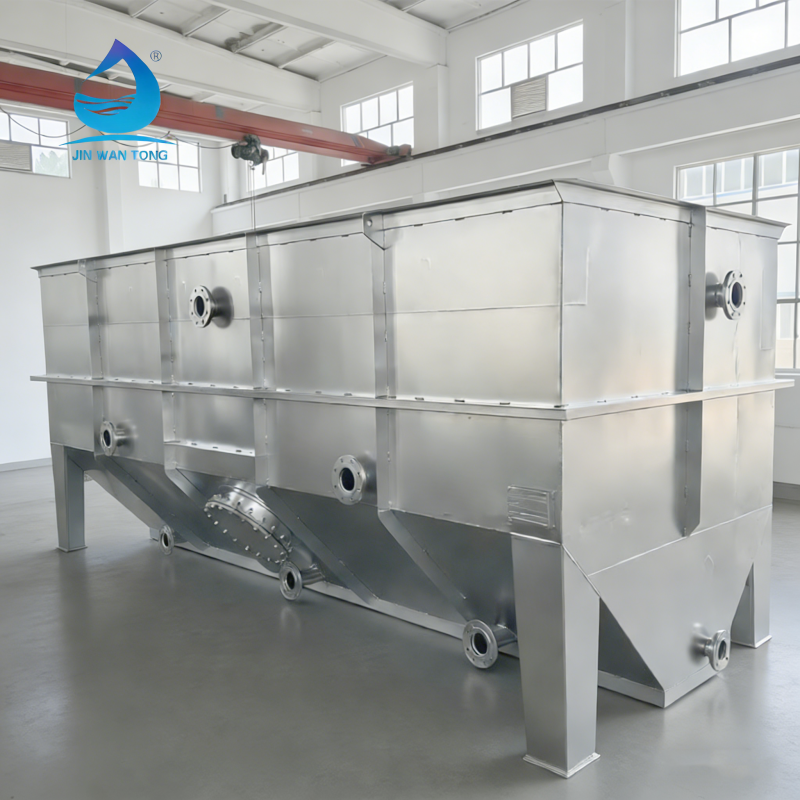
The versatility of Moving Bed Biofilm Reactor (MBBR) technology stems from its unique ability to adapt to varying sewage compositions, flow patterns, and treatment requirements across different industrial and municipal settings. Unlike traditional activated sludge systems that struggle with fluctuating organic loads and diverse pollutant characteristics, MBBR systems demonstrate remarkable flexibility through their biofilm-based treatment approach and modular design capabilities.
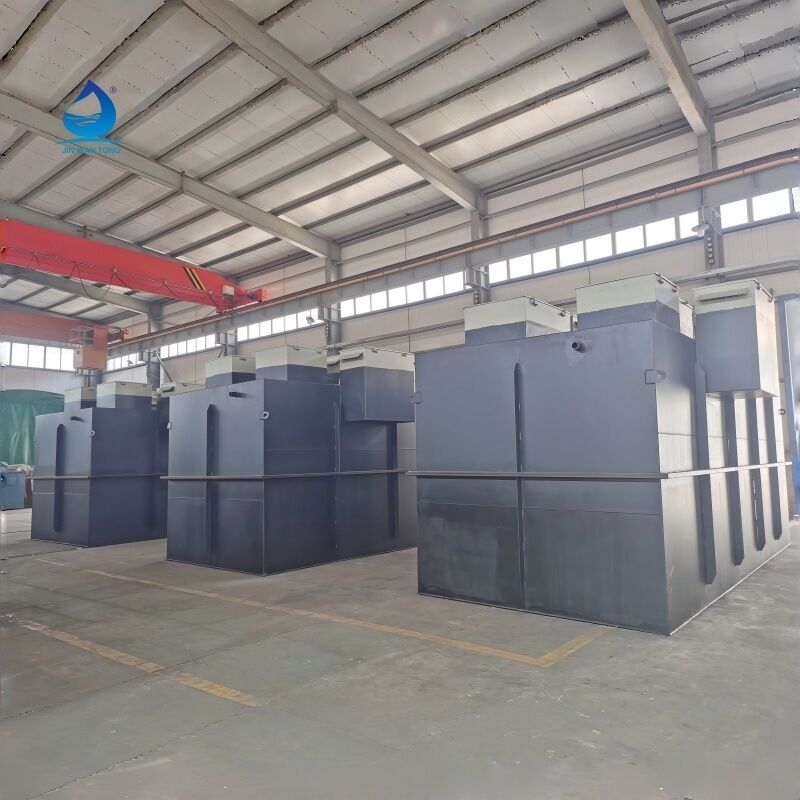
This flexibility makes MBBR an increasingly popular choice for facilities handling everything from high-strength industrial wastewater to variable municipal sewage loads. The technology's adaptability lies in its fundamental design principles, which allow for customization based on specific sewage characteristics while maintaining consistent treatment performance across diverse operational conditions.
Core Design Features That Enable MBBR Flexibility
Biofilm Carrier Technology
The foundation of MBBR flexibility lies in its specialized biofilm carriers that provide high surface area for microbial attachment and growth. These carriers create protected environments where diverse microbial communities can establish themselves, allowing the system to handle varying organic loads and pollutant types effectively. The carriers remain suspended in the reactor through aeration or mechanical mixing, ensuring optimal contact between biomass and wastewater.
Different carrier designs and materials can be selected based on specific sewage characteristics, enabling customization for particular treatment challenges. The protected biofilm environment allows for the development of both aerobic and anaerobic zones within individual carriers, supporting diverse metabolic pathways essential for treating complex sewage compositions.
This carrier-based approach eliminates the need for sludge recirculation systems typical in conventional activated sludge processes, reducing operational complexity while maintaining treatment efficiency across variable sewage conditions.
Modular System Configuration
MBBR systems can be configured in various arrangements to accommodate different sewage types and treatment objectives. Single-stage configurations work effectively for simpler sewage compositions, while multi-stage systems provide enhanced flexibility for complex industrial wastewaters requiring sequential treatment processes.
The modular nature allows for easy expansion or modification of existing systems as sewage characteristics change over time. This adaptability proves particularly valuable for industrial facilities experiencing production changes or municipal plants serving growing populations with evolving waste streams.
Each module can be optimized for specific treatment functions, such as carbon removal, nitrification, or denitrification, allowing operators to tailor the system configuration to match sewage characteristics and discharge requirements.
Process Control Adaptability
Advanced process control systems enable real-time adjustment of operating parameters to match varying sewage conditions. Aeration rates, mixing intensities, and retention times can be modified based on incoming sewage characteristics, ensuring optimal treatment performance regardless of load variations.
This control flexibility allows MBBR systems to respond quickly to shock loads or compositional changes that would disrupt conventional biological treatment processes. Automated monitoring and control systems can maintain stable treatment conditions even during significant fluctuations in sewage quality or quantity.
Applications Across Different Sewage Types
Municipal Wastewater Treatment
Municipal MBBR applications demonstrate excellent flexibility in handling the variable organic loads typical of residential and commercial sewage. The technology effectively manages daily flow variations and seasonal changes while maintaining consistent effluent quality standards required for municipal discharge permits.
The system's ability to handle sudden increases in organic loading, such as those occurring during holiday periods or special events, makes it particularly suitable for communities with fluctuating populations. MBBR systems maintain stable performance during these variations without requiring extensive operational adjustments.
Combined sewer overflow treatment represents another municipal application where MBBR flexibility proves valuable, as these systems must handle dramatically different sewage compositions during wet weather events.
Industrial Wastewater Applications
Industrial applications showcase MBBR flexibility across diverse manufacturing sectors, each producing unique sewage compositions requiring specialized treatment approaches. Food and beverage industries benefit from the technology's ability to handle high organic loads with variable carbohydrate, protein, and fat content.
Pharmaceutical and chemical industries utilize MBBR systems for their capability to develop specialized microbial communities capable of degrading complex organic compounds. The protected biofilm environment allows for the establishment of slow-growing microorganisms essential for treating recalcitrant compounds.
Textile and paper industries rely on MBBR flexibility to handle sewage with varying color, pH, and chemical composition while maintaining treatment efficiency across different production cycles and seasonal variations.
Agricultural and Aquaculture Sewage
Agricultural operations produce sewage with highly variable characteristics depending on livestock types, feeding practices, and seasonal activities. MBBR systems adapt to these variations while providing consistent nutrient removal essential for environmental protection.
Aquaculture applications benefit from MBBR flexibility in handling variable organic loads from fish waste and uneaten feed while maintaining water quality standards critical for aquatic organism health. The technology supports both freshwater and marine aquaculture operations with appropriate system modifications.
Technical Mechanisms Behind MBBR Adaptability
Microbial Community Development
The unique microbial ecology within MBBR systems enables adaptation to diverse sewage types through the development of specialized bacterial communities. These communities establish themselves based on available substrates and environmental conditions, creating customized biological treatment capabilities for specific sewage compositions.
Biofilm stratification allows different microbial species to occupy distinct zones within the carrier material, supporting multiple metabolic pathways simultaneously. This stratification enables the system to handle complex sewage containing both easily biodegradable and recalcitrant compounds.
The protected biofilm environment provides stability against toxic shock loads that would otherwise disrupt suspended growth systems, allowing MBBR to maintain treatment capability during adverse conditions.
Mass Transfer Optimization
Efficient mass transfer mechanisms in MBBR systems ensure optimal contact between sewage components and active biomass regardless of sewage characteristics. The carrier movement creates continuous mixing that prevents dead zones and ensures uniform treatment throughout the reactor volume.
Variable mixing intensities can be applied to accommodate different sewage viscosities and suspended solid concentrations while maintaining effective mass transfer rates. This flexibility proves essential when treating industrial sewage with varying physical properties.
Oxygen transfer efficiency remains high across different operating conditions due to the carrier movement and biofilm structure, supporting consistent biological activity regardless of sewage oxygen demand variations.
Hydraulic Design Flexibility
MBBR hydraulic design accommodates varying flow patterns and retention time requirements through adjustable system configurations. Multiple reactor arrangements allow for optimization of hydraulic residence time based on specific sewage treatment needs.
The technology supports both continuous flow and batch treatment modes, providing operational flexibility for facilities with varying discharge schedules or treatment requirements. This adaptability proves particularly valuable for industrial operations with intermittent production cycles.
Operational Advantages for Diverse Sewage Management
Simplified Process Control
MBBR systems require minimal process control adjustments when handling different sewage types, reducing operational complexity compared to conventional biological treatment processes. The stable biofilm environment maintains treatment efficiency across variable conditions without requiring extensive operational interventions.
Operators can manage multiple sewage streams through the same MBBR system with minimal configuration changes, reducing operational costs and training requirements. This operational simplicity makes the technology accessible for facilities with limited technical expertise.
Automated control systems can maintain optimal performance across varying sewage conditions with minimal operator intervention, reducing labor requirements while ensuring consistent treatment quality.
Maintenance and Reliability Benefits
The robust nature of MBBR systems provides reliable operation across diverse sewage applications with minimal maintenance requirements. The absence of complex mechanical components reduces maintenance needs while ensuring consistent performance regardless of sewage variability.
Biofilm stability eliminates issues associated with sludge settling and bulking problems common in conventional activated sludge systems, providing reliable treatment performance across different sewage characteristics.
System redundancy through multiple carriers ensures continued operation even if individual carriers require replacement or maintenance, providing operational security for critical sewage treatment applications.
Economic Efficiency Across Applications
The flexibility of MBBR systems provides economic advantages through reduced infrastructure requirements and operational costs across diverse sewage treatment applications. Single system designs can handle multiple sewage streams, reducing capital investment compared to dedicated treatment systems for each sewage type.
Energy efficiency remains consistent across different operating conditions due to optimized aeration and mixing requirements, providing predictable operational costs regardless of sewage variability. This economic predictability proves valuable for long-term facility planning and budgeting.
FAQ
Can MBBR systems handle sudden changes in sewage composition without performance degradation?
MBBR systems demonstrate excellent resilience to sudden sewage composition changes due to their stable biofilm environment and diverse microbial communities. The protected biofilm structure maintains treatment capability during shock loads, while the system can gradually adapt to new operating conditions through natural microbial selection processes.
What factors determine the optimal MBBR configuration for specific sewage types?
Key factors include sewage organic loading, nutrient content, temperature variations, pH ranges, and presence of toxic compounds. These parameters influence carrier selection, reactor sizing, aeration requirements, and control system design to ensure optimal treatment performance for specific applications.
How does MBBR performance compare across different industrial sewage applications?
MBBR systems consistently achieve high treatment efficiency across diverse industrial applications, typically removing 85-95% of organic pollutants regardless of sewage type. Performance stability remains high due to the technology's inherent flexibility and adaptation capabilities, making it suitable for various industrial sectors.
Are there limitations to MBBR flexibility when treating highly specialized sewage types?
While MBBR systems handle most sewage types effectively, extremely high-strength industrial wastewaters or those containing significant heavy metal concentrations may require pre-treatment or specialized carrier materials. However, system modifications can usually accommodate these challenging applications while maintaining the core benefits of MBBR flexibility.
Table of Contents
- Core Design Features That Enable MBBR Flexibility
- Applications Across Different Sewage Types
- Technical Mechanisms Behind MBBR Adaptability
- Operational Advantages for Diverse Sewage Management
-
FAQ
- Can MBBR systems handle sudden changes in sewage composition without performance degradation?
- What factors determine the optimal MBBR configuration for specific sewage types?
- How does MBBR performance compare across different industrial sewage applications?
- Are there limitations to MBBR flexibility when treating highly specialized sewage types?