 EN
EN
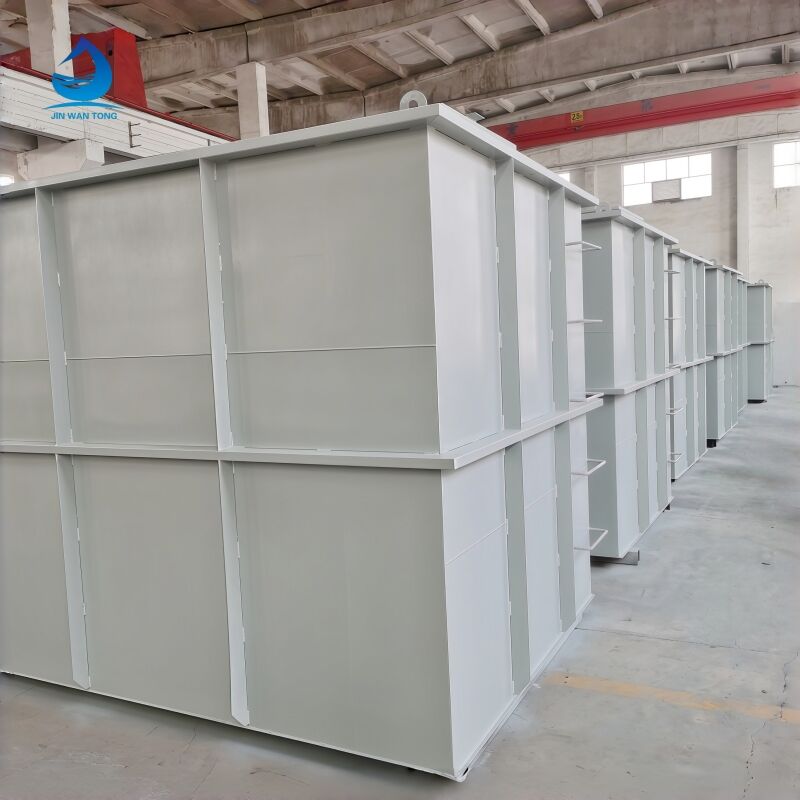
Sedimentation tanks serve as critical infrastructure in wastewater treatment facilities, industrial processing plants, and water purification systems worldwide. These basins rely on gravity to separate suspended solids from liquid streams, creating clarified effluent and concentrated sludge layers. The efficiency of this separation process depends significantly on the mechanical systems that remove accumulated solids from tank bottoms. Reliable sludge scrapers perform this essential function by continuously collecting settled material and transporting it toward discharge points, preventing buildup that compromises treatment capacity. Without proper scraper operation, sedimentation tanks experience reduced hydraulic efficiency, deteriorated effluent quality, and increased operational costs that undermine the entire treatment process.
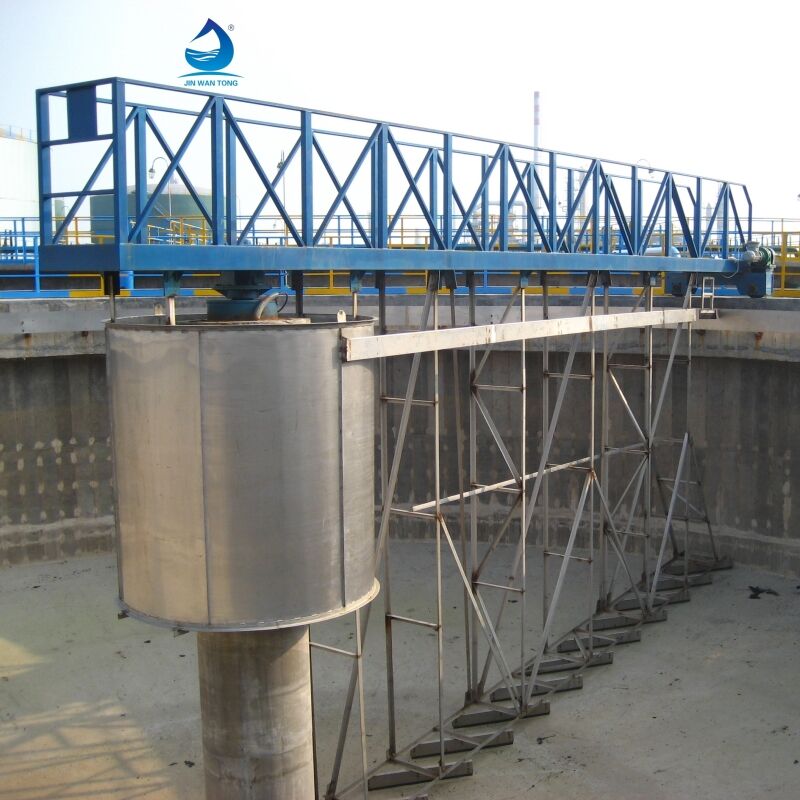
The relationship between scraper reliability and sedimentation tank efficiency extends beyond simple solid removal to encompass hydraulic flow patterns, biological activity zones, chemical coagulation effectiveness, and energy consumption profiles. Facilities operating with dependable scraper systems achieve consistent treatment outcomes while minimizing maintenance interventions and operational disruptions. Understanding how these mechanical components influence overall tank performance enables plant managers to make informed decisions about equipment selection, maintenance scheduling, and process optimization strategies that deliver measurable improvements in treatment efficiency and cost-effectiveness.
Fundamental Mechanisms Through Which Sludge Scrapers Enhance Sedimentation Performance
Prevention of Sludge Blanket Accumulation and Hydraulic Interference
Sludge scrapers maintain optimal sedimentation conditions by preventing the formation of excessive sludge blankets that interfere with settling processes. As suspended particles descend through the water column under gravitational force, they eventually reach the tank bottom where they form a concentrated layer. Without continuous removal, this layer grows progressively thicker, reducing the effective settling zone volume and creating upward currents that resuspend already-settled particles. Reliable sludge scrapers systematically sweep settled material toward collection hoppers, maintaining a thin, controlled sludge blanket that does not disrupt hydraulic flow patterns. This continuous removal action preserves the full depth of the clarification zone, allowing incoming suspended solids adequate residence time to settle completely before effluent discharge.
The hydraulic benefits extend to flow velocity management throughout the sedimentation basin. Excessive sludge accumulation creates uneven bottom topography that generates turbulent eddies and preferential flow channels, causing some portions of the tank to handle disproportionate hydraulic loads while others remain underutilized. Properly functioning sludge scrapers maintain uniform bottom conditions that promote even flow distribution across the entire tank cross-section. This uniform distribution ensures that all entering wastewater receives equivalent treatment time and settling opportunity, maximizing the effective utilization of available tank volume. Facilities with reliable scraper systems report significantly higher hydraulic loading capacities compared to installations where scraper failures have allowed uneven sludge accumulation to compromise flow patterns.
Optimization of Solids Concentration and Underflow Consistency
Sludge scrapers directly influence the concentration and consistency of underflow material withdrawn from sedimentation tanks, impacting downstream dewatering and disposal processes. Well-designed scraper systems incorporate adjustable blade angles and variable speed controls that allow operators to tune collection performance for specific sludge characteristics. These mechanical adjustments enable scrapers to compact settled solids progressively as they move toward discharge points, increasing solids concentration from typical settling zone values of two to four percent up to underflow concentrations of six to ten percent or higher. This concentration gradient reduces the volume of material requiring subsequent thickening and dewatering, lowering chemical consumption, energy requirements, and sludge handling costs throughout the treatment train.
The consistency of underflow withdrawal represents another critical performance parameter directly affected by scraper reliability. Intermittent scraper operation or uneven collection patterns produce highly variable underflow concentrations that complicate downstream process control. Biological treatment systems receiving return activated sludge from secondary clarifiers experience process instability when scraper malfunctions cause alternating periods of dilute and concentrated sludge return. Chemical treatment plants dosing polymers or coagulants for sludge conditioning struggle to maintain optimal chemical-to-solids ratios when scraper inconsistency creates unpredictable underflow characteristics. Reliable sludge scrapers operating on consistent schedules deliver steady underflow streams that enable precise process control and optimization across all downstream unit operations.
Maintenance of Anaerobic Conditions and Odor Control
Timely sludge removal by reliable scrapers prevents the development of anaerobic conditions in settled material that generate odorous compounds and compromise treatment effectiveness. Accumulated sludge layers remaining in contact with the tank bottom for extended periods undergo biological decomposition as dissolved oxygen becomes depleted within the dense solids matrix. This anaerobic decomposition produces hydrogen sulfide, mercaptans, and other reduced sulfur compounds that create objectionable odors and potentially toxic conditions. Additionally, anaerobic zones within sludge blankets can release previously captured nutrients such as phosphorus back into the water column, undermining nutrient removal objectives and degrading effluent quality. Sludge scrapers that reliably remove settled material before significant anaerobic activity occurs prevent these detrimental secondary effects that compromise both treatment performance and workplace conditions.
The operational schedule of sludge scrapers plays an important role in managing biological activity within settled solids. Continuous or frequent scraper operation maintains relatively fresh sludge conditions by limiting the residence time of settled material in the tank bottom. This approach proves particularly important in warm climates or during summer months when elevated temperatures accelerate biological decomposition rates. Facilities processing high-strength industrial wastewaters with elevated organic content may require more aggressive scraper schedules to prevent septic conditions from developing. Reliable scraper systems equipped with programmable controls enable operators to adjust collection frequency based on seasonal variations, influent characteristics, and observed performance indicators, maintaining optimal conditions throughout the year.
Critical Design Features That Determine Scraper Reliability and Longevity
Structural Robustness and Material Selection for Harsh Operating Environments
The structural integrity of sludge scrapers determines their ability to withstand continuous operation in chemically aggressive wastewater environments containing abrasive particles and corrosive compounds. Reliable systems incorporate heavy-duty structural steel frameworks constructed from materials selected for their corrosion resistance and mechanical strength characteristics. Stainless steel components provide superior longevity in applications involving acidic or chloride-rich wastewaters, while specialized coatings protect carbon steel elements from corrosion in less aggressive environments. The dimensional proportions of structural members must account for anticipated loads including the weight of accumulated sludge, hydrodynamic forces from flowing water, and dynamic stresses generated during scraper movement. Undersized structural components experience fatigue failures that interrupt scraper operation and require costly emergency repairs that could have been avoided through proper initial design.
Material selection for scraper blades and wearing surfaces represents another critical reliability factor that affects long-term performance. High-density polyethylene and ultra-high molecular weight polyethylene offer excellent abrasion resistance and low friction characteristics that minimize drive torque requirements while providing extended service life. These polymer materials withstand continuous contact with concrete tank floors and resist damage from hard mineral particles entrained in settled sludge. Adjustable blade mounting systems allow operators to compensate for gradual wear by repositioning blades to maintain optimal clearance from tank bottoms. Facilities that invest in premium blade materials and adjustable mounting hardware experience significantly longer intervals between blade replacement compared to installations using economy components that wear rapidly and require frequent maintenance interventions.
Drive System Design and Torque Management Capabilities
The drive mechanism powering sludge scrapers must deliver adequate torque to overcome resistance from accumulated solids while protecting mechanical components from overload damage. Reliable systems incorporate variable frequency drives that allow precise speed control and provide built-in overload protection through current monitoring and automatic shutdown features. These intelligent drive systems detect abnormal torque conditions caused by excessive sludge accumulation or mechanical obstructions, halting scraper movement before damage occurs to gearboxes, chains, or structural components. The programmable nature of modern variable frequency drives enables operators to optimize scraper speed for different sludge characteristics and loading conditions, balancing collection efficiency against mechanical wear and energy consumption.
Gearbox selection and drive train configuration significantly impact scraper reliability and maintenance requirements. Heavy-duty helical or worm gear reducers provide the high torque multiplication necessary for large-diameter scrapers while maintaining smooth, vibration-free operation that extends component life. Proper sizing of drive chains, sprockets, and rotating shafts ensures adequate safety factors that prevent fatigue failures during normal operation and provide reserve capacity to handle occasional overload conditions. Regular lubrication systems that automatically deliver precise quantities of grease or oil to critical wear points reduce friction and prevent premature component deterioration. Facilities employing comprehensive drive system maintenance programs that include vibration analysis, thermographic inspections, and lubricant sampling can predict component failures before they occur, scheduling replacements during planned maintenance windows rather than responding to unexpected breakdowns.
Control Integration and Monitoring Capabilities
Modern sludge scrapers incorporate sophisticated control systems that enhance reliability through continuous performance monitoring and automated operational adjustments. Torque monitoring sensors provide real-time feedback about scraper loading conditions, alerting operators to developing problems such as chain wear, bearing deterioration, or unusual sludge accumulation patterns. Position sensors track scraper location throughout the rotation cycle, enabling operators to identify specific zones within the tank where problematic conditions exist. Temperature sensors monitoring bearing housings and gearbox casings detect overheating conditions that indicate lubrication problems or excessive mechanical friction before catastrophic failures occur. These integrated monitoring capabilities transform sludge scrapers from simple mechanical devices into intelligent systems that actively support proactive maintenance strategies.
Integration with plant-wide control systems enables coordinated operation of sludge scrapers with other treatment processes for optimal overall performance. Programmable logic controllers can adjust scraper operating schedules based on influent flow rates, sludge blanket level measurements, or underflow withdrawal rates, automatically optimizing collection intensity to match current process conditions. Remote monitoring capabilities allow maintenance personnel to assess scraper performance from central control rooms, identifying developing problems without requiring physical inspection trips to individual tanks. Historical data logging creates performance records that support predictive maintenance programs and inform long-term capital planning decisions. Facilities leveraging these advanced control capabilities achieve higher equipment availability and lower lifecycle costs compared to operations relying on manual monitoring and reactive maintenance approaches.
Operational Strategies That Maximize Sedimentation Efficiency Through Proper Scraper Management
Optimization of Collection Frequency and Operational Schedules
Determining the optimal operating schedule for sludge scrapers requires balancing multiple competing factors including energy consumption, sludge concentration, and treatment effectiveness. Continuous scraper operation provides the most consistent sludge removal and maintains the most stable hydraulic conditions, but consumes maximum energy and may unnecessarily disturb settling processes when sludge production rates are low. Intermittent operation on fixed time intervals reduces energy consumption while maintaining adequate sludge removal for many applications, though operators must carefully match cycle frequency to actual sludge production rates. Demand-based operation triggered by sludge blanket level sensors or torque measurements provides the most sophisticated approach, activating scrapers only when accumulated sludge reaches predetermined thresholds. Each strategy offers distinct advantages depending on facility-specific factors including tank geometry, wastewater characteristics, downstream process requirements, and available control system capabilities.
Seasonal adjustments to scraper schedules can significantly improve efficiency in facilities experiencing variable loading patterns throughout the year. Summer months often bring higher biological activity rates and increased sludge production that benefit from more frequent scraper operation, while winter conditions may allow extended intervals between collection cycles. Industrial facilities with batch production schedules may need to coordinate scraper operation with process discharge patterns, increasing collection frequency during periods of high solids loading. Municipal treatment plants serving combined sewer systems must adjust scraper intensity during wet weather events when hydraulic surges bring elevated solids loads. Establishing clear operational guidelines that specify appropriate scraper schedules for different conditions ensures consistent performance optimization while preventing both excessive energy consumption and inadequate sludge removal problems.
Coordination With Upstream and Downstream Treatment Processes
Effective sludge scraper operation requires careful coordination with chemical addition systems, biological treatment processes, and downstream sludge handling facilities to achieve optimal overall plant performance. In chemical clarification applications, scraper timing should align with coagulation and flocculation residence times to ensure that properly destabilized particles have adequate opportunity to settle before collection. Premature scraper activation can resuspend recently formed floc particles that have not yet achieved sufficient density to resist mechanical disturbance. Conversely, delayed scraper operation allows excessive accumulation that reduces effective settling zone volume. Similar coordination requirements exist in secondary clarifiers serving activated sludge systems, where scraper schedules must balance the need for timely return activated sludge withdrawal against avoiding disruption of the biological solids blanket necessary for effective clarification.
Downstream sludge handling capacity represents another critical factor influencing optimal scraper operation. Underflow withdrawal rates must match the processing capacity of sludge thickening, dewatering, and disposal systems to prevent backups that force scrapers to work against accumulated material. Facilities with limited sludge storage capacity may need to distribute scraper operation throughout the day to provide steady, manageable sludge flows to downstream processes rather than concentrated surges that overwhelm handling equipment. Coordinating scraper schedules with polymer feed systems, centrifuge operation, and truck hauling schedules creates integrated operational rhythms that optimize performance across the entire treatment train while minimizing operational disruptions and emergency responses.
Preventive Maintenance Protocols and Performance Monitoring
Implementing comprehensive preventive maintenance programs ensures continued scraper reliability and prevents unexpected failures that compromise sedimentation efficiency. Regular inspection schedules should include visual examination of scraper blades for wear, verification of proper blade angle and clearance from tank bottoms, assessment of drive chain tension and alignment, and evaluation of structural connections for signs of fatigue or corrosion. Lubrication of bearings, gearboxes, and rotating components according to manufacturer specifications prevents premature wear and reduces friction-related energy consumption. Periodic measurement of drive torque and comparison against baseline values helps identify developing mechanical problems before they cause complete failures. Recording and trending these inspection findings creates historical performance records that support informed decisions about component replacement timing and capital improvement priorities.
Performance monitoring extends beyond mechanical condition assessment to include evaluation of the scraper's effectiveness at maintaining optimal sedimentation conditions. Regular measurement of sludge blanket depth at multiple locations throughout the tank reveals whether scrapers are providing uniform collection across the entire basin floor. Periodic sampling and analysis of underflow solids concentration confirms that scrapers are achieving target thickening performance. Monitoring effluent suspended solids concentrations and comparing results to historical baselines identifies degradation in clarification effectiveness that may indicate inadequate sludge removal. Establishing clear performance metrics and acceptance criteria enables operations personnel to recognize declining scraper effectiveness before it significantly impacts overall plant performance, triggering proactive interventions that maintain optimal efficiency.
Economic and Environmental Impacts of Reliable Versus Unreliable Scraper Performance
Quantification of Operational Cost Savings From Consistent Performance
The economic benefits of reliable sludge scrapers extend throughout the treatment process, generating measurable cost savings that justify investment in quality equipment and proactive maintenance. Consistent underflow concentration reduces the volume of sludge requiring downstream processing, directly lowering chemical consumption for conditioning, energy requirements for dewatering, and transportation costs for disposal. A facility processing ten thousand gallons per day of underflow at five percent solids concentration requires substantially less dewatering capacity than one handling the same mass of solids diluted to three percent concentration, with corresponding reductions in polymer usage, centrifuge runtime, and hauling frequency. These volumetric reductions compound throughout the sludge handling train, delivering savings that easily exceed the incremental cost of premium scraper equipment over typical twenty-year service lives.
Energy consumption represents another significant cost factor influenced by scraper reliability. Well-maintained systems operating efficiently require less drive power than deteriorated equipment struggling against accumulated sludge or mechanical resistance from worn components. The elimination of emergency repairs and unplanned downtime prevents the costly expedited procurement of replacement parts and premium labor rates for after-hours maintenance. Perhaps most significantly, reliable scrapers prevent violations of discharge permit limits that could result in regulatory fines and increased monitoring requirements. A single serious permit violation can easily cost more than a decade of proactive maintenance investment, making scraper reliability a critical component of regulatory compliance and risk management strategies.
Environmental Performance Benefits and Sustainability Considerations
Beyond direct economic impacts, reliable sludge scrapers contribute to enhanced environmental performance through improved treatment efficiency and reduced resource consumption. Consistent clarification effectiveness minimizes the discharge of suspended solids and associated pollutants to receiving waters, protecting aquatic ecosystems and supporting compliance with increasingly stringent water quality standards. The nutrient content bound to suspended particles represents a significant component of total phosphorus and nitrogen loading in many discharge streams, making effective solids removal through reliable sedimentation a critical element of nutrient management strategies. Facilities serving watersheds with nutrient-sensitive receiving waters derive particular environmental benefit from optimized scraper performance that maximizes particle capture efficiency.
Resource efficiency improvements associated with reliable scrapers align with broader sustainability objectives increasingly emphasized in water sector planning. Reduced sludge volumes decrease the carbon footprint associated with biosolids transportation and disposal, whether through land application, incineration, or landfilling. Lower energy consumption for both scraper operation and downstream sludge processing reduces greenhouse gas emissions and supports utility sustainability commitments. Extended equipment service life through proper maintenance prevents premature disposal of worn components and reduces embodied energy consumption associated with manufacturing replacement parts. These sustainability benefits complement economic advantages, creating compelling arguments for investing in reliable scraper systems that deliver long-term value across multiple performance dimensions.
Risk Mitigation and Process Resilience Enhancement
Reliable sludge scrapers enhance treatment process resilience by maintaining consistent performance during challenging operational conditions that stress other system components. During peak flow events, reliable scrapers continue removing accumulated solids that would otherwise compromise hydraulic capacity and treatment effectiveness. In facilities receiving variable industrial discharges, dependable scraper operation prevents the accumulation of difficult-to-handle materials that could create long-term operational problems. The redundancy and reserve capacity built into properly designed scraper systems provides margin to accommodate unanticipated conditions without process failure, supporting operational flexibility that proves invaluable during emergency situations or unusual operating scenarios.
The risk mitigation value of reliable scrapers becomes particularly apparent when considering the consequences of scraper failure in critical treatment applications. Secondary clarifiers serving activated sludge systems can experience biomass washout within hours of scraper failure, requiring days or weeks to re-establish stable biological populations. Chemical clarifiers treating industrial waste streams may discharge unacceptable effluent quality within minutes of scraper malfunction, creating immediate regulatory compliance concerns. The operational disruption, environmental impact, and regulatory consequences of these failure scenarios far exceed the cost of maintaining scraper reliability through proactive equipment management. Facilities that recognize this risk profile appropriately prioritize scraper maintenance and invest in backup systems or redundant capacity that ensures continued operation even during equipment failures.
FAQ
What are the most common causes of sludge scraper failure in sedimentation tanks?
The most frequent scraper failures result from inadequate maintenance of drive components including worn chains, deteriorated bearings, and insufficient lubrication of gearboxes and rotating shafts. Blade wear from abrasive particles in sludge gradually reduces scraper effectiveness, while structural corrosion from chemical exposure weakens supporting frameworks. Torque overload conditions caused by excessive sludge accumulation can damage drive motors and gear reducers if protective controls are not properly configured. Many facilities also experience control system failures related to sensor malfunctions or electrical component deterioration. Implementing comprehensive preventive maintenance programs that address these common failure modes significantly extends scraper service life and reduces unexpected downtime.
How frequently should sludge scrapers operate in typical municipal wastewater treatment applications?
Optimal scraper operating frequency varies based on tank loading rates, sludge settling characteristics, and downstream process requirements, but most municipal secondary clarifiers benefit from continuous or near-continuous operation. Primary sedimentation tanks may operate scrapers on intermittent cycles ranging from every thirty minutes to every few hours depending on solids loading rates. Facilities should establish scraper schedules based on actual performance monitoring including sludge blanket depth measurements, underflow solids concentration, and effluent quality results rather than relying solely on generic operational guidelines. Seasonal adjustments may be necessary to accommodate temperature-related changes in settling characteristics and biological activity rates.
What performance indicators suggest that sludge scraper maintenance or replacement is needed?
Several operational indicators signal developing scraper problems requiring attention before complete failure occurs. Increasing drive motor current or torque measurements indicate growing mechanical resistance from worn components or accumulated sludge. Rising sludge blanket levels despite normal scraper operation suggest reduced collection effectiveness from blade wear or improper clearance. Declining underflow solids concentration indicates loss of sludge compaction capability. Unusual noises, vibrations, or visible structural movement during scraper operation reveal developing mechanical problems. Increasing frequency of drive system trips or overload alarms suggests deteriorating component condition. Regular monitoring of these indicators enables proactive maintenance scheduling that prevents catastrophic failures and minimizes operational disruptions.
Can older sludge scraper systems be upgraded with modern control technology to improve reliability?
Many existing scraper installations can benefit significantly from control system upgrades even when mechanical components remain serviceable. Retrofitting variable frequency drives provides improved speed control, overload protection, and energy efficiency compared to older across-the-line motor starters. Adding torque monitoring sensors and position indicators enhances operational visibility and enables predictive maintenance approaches. Integration with modern programmable logic controllers allows automated operational scheduling and coordination with other treatment processes. These control upgrades typically represent modest investments compared to complete mechanical replacement while delivering substantial performance improvements. However, facilities should conduct thorough assessments of mechanical component condition before investing in control upgrades, as severely deteriorated structural or drive components may warrant complete system replacement rather than incremental modernization.
Table of Contents
- Fundamental Mechanisms Through Which Sludge Scrapers Enhance Sedimentation Performance
- Critical Design Features That Determine Scraper Reliability and Longevity
- Operational Strategies That Maximize Sedimentation Efficiency Through Proper Scraper Management
- Economic and Environmental Impacts of Reliable Versus Unreliable Scraper Performance
-
FAQ
- What are the most common causes of sludge scraper failure in sedimentation tanks?
- How frequently should sludge scrapers operate in typical municipal wastewater treatment applications?
- What performance indicators suggest that sludge scraper maintenance or replacement is needed?
- Can older sludge scraper systems be upgraded with modern control technology to improve reliability?