 EN
EN
Modern wastewater treatment facilities face increasing pressure to achieve consistent treatment outcomes while managing operational costs and environmental compliance requirements. Automatic dosing systems have emerged as a critical technology solution that transforms how treatment plants approach flocculation processes and overall treatment efficiency. These sophisticated systems deliver precise chemical dosing that optimizes flocculation performance while reducing manual intervention and operational variability.
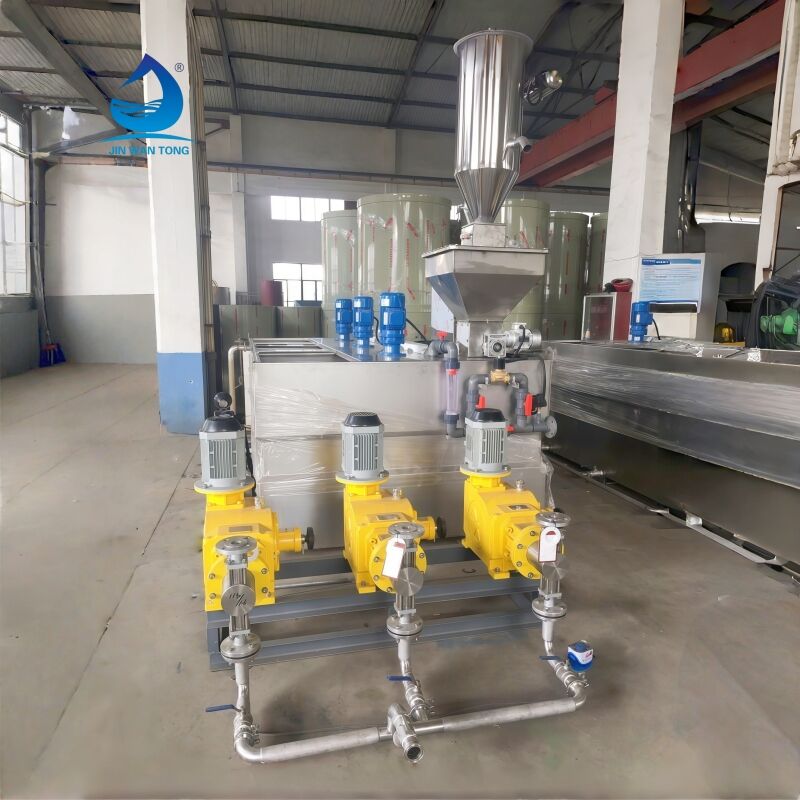
The fundamental mechanism behind how automatic dosing systems improve flocculation and treatment lies in their ability to maintain optimal chemical-to-contaminant ratios throughout varying operational conditions. Unlike manual dosing methods that rely on periodic adjustments and operator experience, automatic dosing systems continuously monitor process parameters and adjust chemical feed rates in real-time. This precision ensures that flocculation processes receive the exact amount of coagulants and flocculants needed to achieve maximum particle aggregation and removal efficiency.
Precision Chemical Feed Control Mechanisms
Real-Time Flow Proportional Dosing
Automatic dosing systems utilize advanced flow measurement technologies to establish precise flow proportional chemical dosing that directly correlates with incoming wastewater volumes. These systems integrate flow sensors with programmable logic controllers to calculate exact chemical requirements based on real-time flow data. The proportional dosing mechanism ensures that chemical addition rates automatically adjust to match fluctuating influent conditions, maintaining consistent treatment chemistry regardless of flow variations.
The flow proportional control feature prevents both underdosing and overdosing scenarios that commonly occur with manual systems. When influent flows increase during peak periods, automatic dosing systems immediately scale up chemical feed rates to maintain proper dosing ratios. Conversely, during low-flow periods, the systems reduce chemical consumption to prevent waste while maintaining treatment effectiveness.
Multi-Parameter Feedback Control
Advanced automatic dosing systems incorporate multiple sensor inputs including pH, turbidity, conductivity, and dissolved oxygen levels to create comprehensive feedback control loops. These multi-parameter systems analyze various water quality indicators simultaneously to determine optimal chemical dosing strategies. The integration of multiple measurement points allows the system to respond to complex water chemistry changes that single-parameter systems might miss.
The feedback control mechanism continuously compares actual measured values against predetermined setpoints and automatically adjusts chemical dosing rates to maintain optimal treatment conditions. This approach ensures that flocculation processes operate within ideal chemical environments that promote maximum particle aggregation and settling efficiency. The result is more consistent treatment performance across varying influent quality conditions.
Enhanced Flocculation Performance Through Automated Control
Optimized Coagulant Addition Timing
Automatic dosing systems significantly improve flocculation performance by precisely controlling coagulant addition timing and sequencing. These systems can coordinate multiple chemical additions in predetermined sequences that optimize particle destabilization and aggregation processes. The automated timing control ensures that primary coagulants are added at optimal contact points, followed by polymer flocculants at precisely calculated intervals to maximize floc formation.
The timing precision achieved through automatic dosing systems eliminates the variability associated with manual chemical addition methods. Consistent timing ensures that chemical reactions occur under optimal conditions, leading to more uniform floc characteristics and improved settling performance. This optimization directly translates to enhanced treatment efficiency and more reliable effluent quality.
Dynamic Dose Adjustment Based on Water Quality
Modern automatic dosing systems incorporate sophisticated algorithms that analyze incoming water quality parameters and automatically adjust chemical doses to accommodate varying contaminant loads. These systems can detect changes in suspended solids concentrations, organic loading, and other key parameters that affect flocculation requirements. The dynamic adjustment capability ensures that chemical dosing remains optimized even when influent characteristics change throughout the day or season.
The ability to dynamically adjust chemical doses based on real-time water quality data represents a significant advancement over fixed-dose manual systems. This adaptive capability ensures that automatic dosing systems maintain optimal treatment performance while minimizing chemical consumption during periods of lower contaminant loading. The result is both improved treatment efficiency and reduced operational costs.
Operational Efficiency and Cost Management Benefits
Reduced Chemical Consumption and Waste
Automatic dosing systems deliver substantial improvements in chemical utilization efficiency by eliminating the overdosing that commonly occurs with manual systems. Precise dosing control ensures that chemicals are added only in the exact quantities needed to achieve treatment objectives, reducing waste and lowering chemical costs. The systems prevent the conservative overdosing practices often employed with manual systems to ensure treatment reliability.
The reduction in chemical waste achieved through automatic dosing systems extends beyond immediate cost savings to include environmental benefits and reduced sludge production. Lower chemical consumption means less chemical residual in treated effluent and reduced sludge volumes requiring disposal. These benefits contribute to overall treatment plant sustainability and regulatory compliance.
Minimized Labor Requirements and Human Error
Implementation of automatic dosing systems significantly reduces the labor requirements associated with chemical dosing operations while eliminating the potential for human error in dose calculations and chemical additions. These systems operate continuously without requiring constant operator attention, freeing personnel to focus on other critical treatment plant operations. The automation eliminates the need for frequent manual adjustments and reduces the risk of dosing errors that can compromise treatment performance.
The labor reduction benefits of automatic dosing systems become particularly valuable during off-shift periods and weekends when minimal staff is available to monitor treatment processes. The systems maintain consistent treatment performance regardless of operator availability, ensuring continuous compliance with discharge requirements. This reliability reduces the operational stress associated with maintaining treatment performance during periods of reduced staffing.
Process Monitoring and Data Management Capabilities
Continuous Performance Tracking and Documentation
Automatic dosing systems provide comprehensive data logging and performance tracking capabilities that enable operators to monitor treatment efficiency trends and identify optimization opportunities. These systems continuously record chemical usage, flow rates, water quality parameters, and system performance metrics to create detailed operational databases. The data collection capabilities support regulatory compliance reporting requirements while providing insights into long-term treatment performance trends.
The documentation capabilities of automatic dosing systems prove invaluable for troubleshooting treatment problems and optimizing system performance. Historical data analysis helps operators identify correlations between influent characteristics, chemical dosing patterns, and treatment outcomes. This information supports evidence-based decision making for process optimization and helps establish best practices for varying operational conditions.
Alarm and Alert System Integration
Modern automatic dosing systems incorporate sophisticated alarm and alert capabilities that notify operators of system malfunctions, chemical supply issues, or treatment performance deviations. These systems can send alerts through various communication channels including phone, email, and text messaging to ensure rapid response to operational issues. The early warning capabilities help prevent treatment failures and minimize the impact of system problems on effluent quality.
The integration of alarm systems with automatic dosing systems creates multiple layers of operational safety that protect against treatment failures. Chemical supply level alarms prevent interruption of dosing operations, while performance deviation alerts enable proactive intervention before treatment objectives are compromised. This comprehensive monitoring approach ensures reliable treatment performance and regulatory compliance.
Integration with Advanced Treatment Technologies
Compatibility with SCADA and Control Systems
Automatic dosing systems are designed to integrate seamlessly with existing SCADA systems and plant-wide control networks, enabling centralized monitoring and control of chemical dosing operations. This integration allows operators to monitor and adjust dosing parameters from central control rooms while maintaining detailed records of system performance. The compatibility with modern control systems ensures that automatic dosing systems can be incorporated into comprehensive plant automation strategies.
The SCADA integration capabilities of automatic dosing systems extend beyond basic monitoring to include advanced process optimization features such as predictive control and adaptive tuning. These systems can receive input from multiple treatment process sensors to optimize chemical dosing based on overall plant performance objectives. The integration supports coordinated control strategies that optimize treatment efficiency across multiple unit processes.
Support for Advanced Water Treatment Applications
Automatic dosing systems provide the precision and reliability required for advanced water treatment applications including membrane bioreactor systems, advanced oxidation processes, and nutrient removal operations. These applications require extremely precise chemical dosing to maintain optimal operating conditions and prevent membrane fouling or process upsets. The automated control capabilities ensure that chemical additions remain within the narrow operating windows required for these advanced treatment technologies.
The adaptability of automatic dosing systems makes them suitable for various industrial treatment applications where process conditions may change rapidly or require complex chemical addition sequences. These systems can be programmed to execute multi-step chemical addition protocols that support specialized treatment objectives such as heavy metals removal, color reduction, or specific contaminant targeting. The flexibility ensures that treatment plants can adapt to changing influent characteristics or regulatory requirements.
FAQ
What types of chemicals can automatic dosing systems handle effectively?
Automatic dosing systems can effectively handle a wide range of treatment chemicals including liquid coagulants like aluminum sulfate and ferric chloride, polymer flocculants, pH adjustment chemicals, disinfectants, and specialty treatment additives. The systems are designed with chemical-compatible materials and can accommodate various viscosities and chemical concentrations. Most systems include features for handling both liquid and dry chemical preparations, with appropriate mixing and dilution capabilities to ensure proper chemical preparation and dosing accuracy.
How do automatic dosing systems maintain accuracy during varying flow conditions?
Automatic dosing systems maintain dosing accuracy during flow variations through flow-proportional control mechanisms that continuously adjust chemical feed rates based on real-time flow measurements. The systems use high-precision flow sensors and variable-speed chemical feed pumps to maintain consistent chemical-to-flow ratios regardless of influent volume changes. Advanced systems incorporate flow prediction algorithms that anticipate flow changes and pre-adjust chemical dosing to maintain optimal treatment conditions during transition periods.
What maintenance requirements are associated with automatic dosing systems?
Automatic dosing systems require routine maintenance including calibration of sensors and flow meters, inspection and cleaning of chemical feed lines and injection points, pump maintenance according to manufacturer specifications, and periodic verification of control system programming. Most systems include self-diagnostic features that identify maintenance needs and alert operators to potential issues before they affect treatment performance. Regular maintenance schedules typically include monthly sensor calibrations, quarterly pump inspections, and annual system performance verification to ensure continued accuracy and reliability.
Can automatic dosing systems be retrofitted to existing treatment plants?
Yes, automatic dosing systems can typically be retrofitted to existing treatment plants with minimal modifications to existing infrastructure. Most retrofit installations require the addition of flow sensors, chemical feed pumps, control panels, and chemical injection points, but can often utilize existing chemical storage and piping systems. The retrofit process involves assessment of existing systems, integration planning to ensure compatibility with current operations, and phased implementation to minimize disruption to ongoing treatment operations. Professional system design ensures optimal integration with existing treatment processes and control systems.
Table of Contents
- Precision Chemical Feed Control Mechanisms
- Enhanced Flocculation Performance Through Automated Control
- Operational Efficiency and Cost Management Benefits
- Process Monitoring and Data Management Capabilities
- Integration with Advanced Treatment Technologies
-
FAQ
- What types of chemicals can automatic dosing systems handle effectively?
- How do automatic dosing systems maintain accuracy during varying flow conditions?
- What maintenance requirements are associated with automatic dosing systems?
- Can automatic dosing systems be retrofitted to existing treatment plants?