 EN
EN
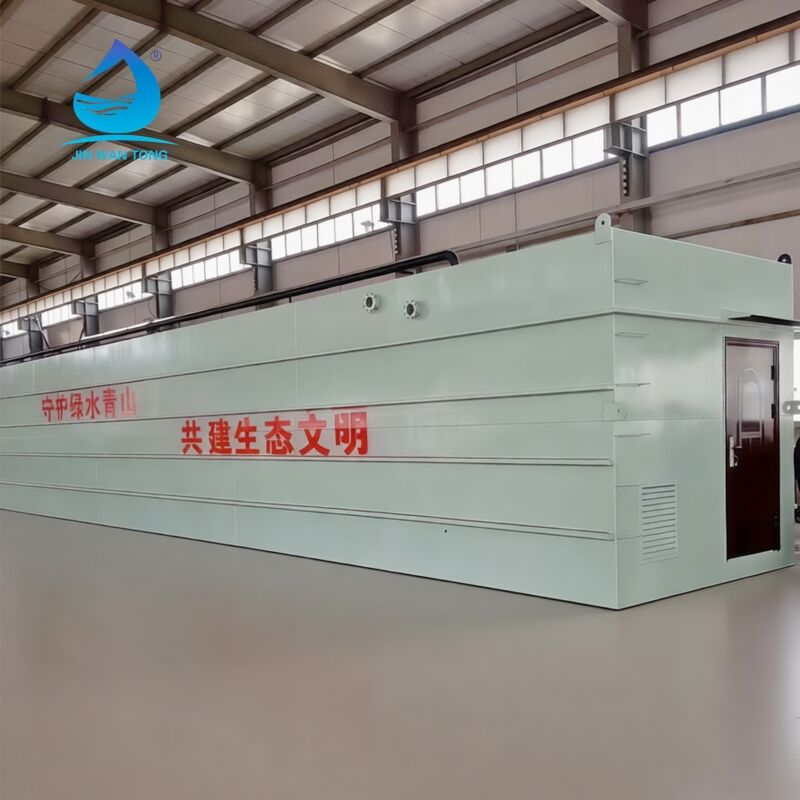
A modern wastewater treatment plant requires a comprehensive array of specialized equipment to ensure efficient contaminant removal and regulatory compliance. Understanding the complete WWTP equipment list is essential for plant operators, engineers, and facility managers who need to plan upgrades, maintenance schedules, or new installations. The complexity of today's treatment facilities demands sophisticated mechanical, electrical, and biological systems working in perfect harmony.
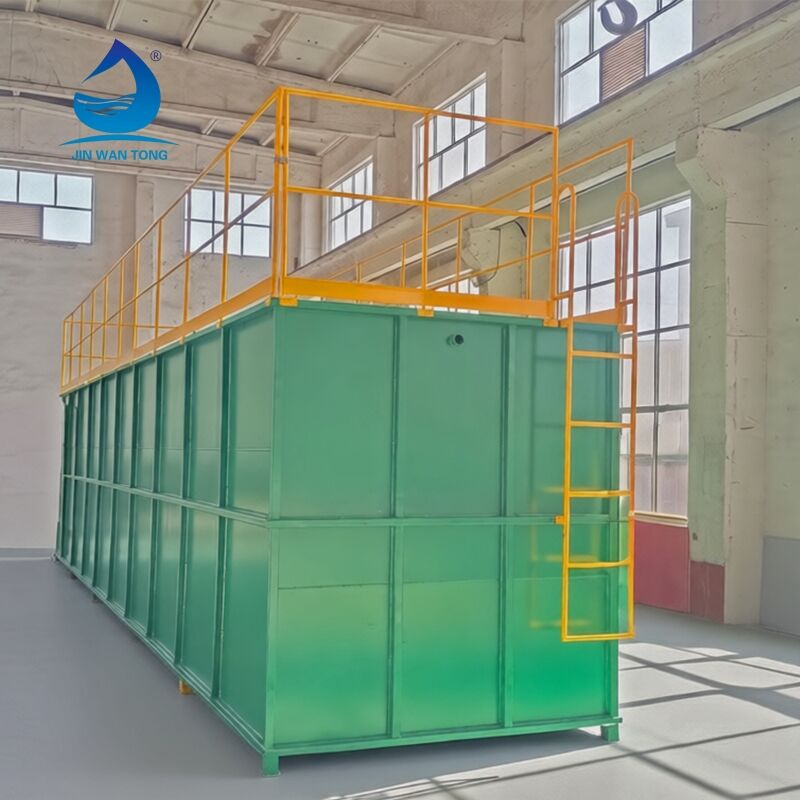
Every piece of equipment in a WWTP equipment list serves a specific function within the treatment process, from initial screening to final disinfection. Modern facilities integrate advanced automation systems, energy-efficient technologies, and robust monitoring equipment to optimize performance while minimizing operational costs. This comprehensive breakdown covers all major equipment categories required for municipal and industrial wastewater treatment operations.
Primary Treatment Equipment Components
Influent Screening and Pumping Systems
The first stage of any WWTP equipment list begins with robust influent handling systems designed to remove large debris and regulate flow rates. Bar screens, both manual and mechanical varieties, intercept objects like rags, sticks, and other coarse materials that could damage downstream equipment. These screening systems typically include fine screens with openings ranging from 6mm to 25mm, depending on the specific application requirements.
Lift stations and influent pumps form the backbone of the hydraulic system, ensuring consistent flow rates regardless of varying influent conditions. Submersible pumps, centrifugal pumps, and progressive cavity pumps each serve specific roles within the treatment process. Modern pump stations incorporate variable frequency drives to optimize energy consumption while maintaining precise flow control throughout the facility.
Grit removal systems protect downstream equipment from abrasive particles that could cause excessive wear. Aerated grit chambers, vortex grit removers, and classifier systems separate sand, gravel, and other heavy particles from the wastewater stream. These systems often include grit washing equipment to remove organic matter and prepare the separated material for proper disposal.
Primary Clarification Equipment
Primary clarifiers represent a critical component in every comprehensive WWTP equipment list, providing initial solids separation through gravitational settling. These circular or rectangular basins incorporate sophisticated sludge collection mechanisms, including rotating bridge systems, chain and flight collectors, and suction header assemblies. Modern clarifier designs emphasize energy efficiency while maximizing solids capture rates.
Scum removal systems work in conjunction with clarifiers to eliminate floating materials like oils, grease, and foam from the water surface. Rotating scum skimmers, traveling bridge systems, and beach collectors ensure continuous removal of these materials, preventing interference with biological treatment processes. Surface wash systems provide additional cleaning capability for optimal clarifier performance.
Sludge pumping and thickening equipment manages the concentrated solids removed from primary clarifiers. Positive displacement pumps, progressive cavity pumps, and centrifugal pumps transport sludge to downstream treatment processes. Gravity thickeners and dissolved air flotation systems further concentrate these solids, reducing the volume requiring secondary treatment.
Secondary Biological Treatment Systems
Activated Sludge Process Equipment
The biological treatment section represents the most complex portion of any modern WWTP equipment list, incorporating sophisticated aeration and mixing systems. Fine bubble diffusers, coarse bubble aerators, and mechanical surface aerators provide essential oxygen transfer for biological processes. Blower systems, including positive displacement and centrifugal types, deliver pressurized air to diffuser grids throughout the aeration basins.
Return activated sludge pumps maintain proper biomass concentrations within the biological reactors, ensuring optimal treatment performance. These pumping systems typically include variable speed drives to adjust return rates based on real-time process conditions. Waste activated sludge pumps remove excess biomass from the system, maintaining the proper food-to-microorganism ratio essential for effective treatment.
Modern facilities increasingly incorporate membrane bioreactor technology as part of their WWTP equipment list to achieve superior effluent quality. MBR systems combine biological treatment with membrane filtration, eliminating the need for separate secondary clarifiers while producing consistently high-quality effluent suitable for reuse applications.
Secondary Clarification and Filtration
Secondary clarifiers utilize similar equipment to primary clarifiers but operate under different loading conditions optimized for biological solids separation. These systems incorporate specialized sludge collection mechanisms designed to handle light, fluffy biological solids without causing excessive turbulence that could resuspend settled material.
Tertiary filtration equipment provides additional polishing for facilities requiring enhanced effluent quality. Sand filters, cloth media filters, and membrane filtration systems remove residual suspended solids and provide pathogen reduction. Backwash systems, including air scour and water wash capabilities, maintain filter performance through automated cleaning cycles.
Disinfection systems represent the final treatment stage in most WWTP equipment lists, utilizing chlorination, ultraviolet radiation, or ozonation to eliminate pathogenic organisms. UV disinfection systems include medium-pressure and low-pressure lamp configurations, with automatic cleaning systems to maintain lamp efficiency. Chlorination systems incorporate solution preparation, dosing pumps, and dechlorination equipment for facilities discharging to sensitive receiving waters.
Sludge Processing and Handling Equipment
Sludge Thickening and Dewatering Systems
Sludge management equipment forms a substantial portion of any comprehensive WWTP equipment list, beginning with thickening systems that reduce sludge volume before downstream processing. Gravity belt thickeners, rotary drum thickeners, and centrifugal thickeners each offer specific advantages depending on sludge characteristics and facility requirements. These systems typically achieve 4-6% solids concentrations from typical 0.5-1% feed sludge.
Dewatering equipment further concentrates sludge to 15-25% solids content, dramatically reducing disposal volumes and associated costs. Belt filter presses, centrifuges, and filter presses each provide different performance characteristics suited to specific sludge types and operational preferences. Modern dewatering systems incorporate automated polymer addition, wash water recycling, and advanced process controls to optimize performance.
Polymer preparation and feeding systems support both thickening and dewatering operations by conditioning sludge for improved solids separation. These systems include polymer storage tanks, makeup units, aging tanks, and precision dosing pumps. Automated dilution and mixing equipment ensures consistent polymer performance while minimizing chemical consumption through optimized dosing strategies.
Sludge Stabilization Equipment
Anaerobic digesters represent sophisticated biological reactors requiring specialized equipment for heating, mixing, and gas collection. Digester heating systems utilize heat exchangers, boilers, and circulation pumps to maintain optimal temperatures for anaerobic bacteria. Gas mixing systems provide gentle agitation without disrupting the biological process, while external mixing pumps offer additional circulation capability.
Biogas handling equipment captures and utilizes the methane-rich gas produced during anaerobic digestion. Gas collection systems, including foam control equipment and pressure relief systems, safely manage biogas production. Combined heat and power systems, boilers, and flares provide beneficial use or safe disposal of the collected biogas, often offsetting significant portions of facility energy requirements.
Alternative stabilization methods include aerobic digestion systems and lime stabilization equipment for facilities without anaerobic digestion capability. Aerobic digesters require aeration systems similar to those used in biological treatment, while lime stabilization utilizes chemical feed systems and mixing equipment to achieve pathogen reduction and odor control.
Automation and Control Systems Integration
Process Monitoring and Control Equipment
Modern WWTP equipment lists must include sophisticated instrumentation and control systems to optimize performance and ensure regulatory compliance. Dissolved oxygen meters, pH sensors, and turbidity analyzers provide real-time process feedback for automated control loops. Flow meters, level sensors, and pressure transmitters monitor hydraulic conditions throughout the facility, enabling responsive process adjustments.
Supervisory control and data acquisition systems integrate all facility monitoring and control functions through centralized operator interfaces. These SCADA systems incorporate programmable logic controllers, human-machine interfaces, and communication networks that enable remote monitoring and control capabilities. Advanced analytics and trending capabilities help operators identify process optimization opportunities and predict maintenance requirements.
Laboratory equipment supports process monitoring through detailed analytical testing of influent, process, and effluent samples. Spectrophotometers, titrators, and microscopes enable comprehensive water quality analysis, while automated samplers collect representative samples for regulatory compliance testing. Quality assurance equipment ensures accurate and reliable analytical results essential for process control decisions.
Electrical and Mechanical Support Systems
Electrical distribution systems provide reliable power to all WWTP equipment list components through sophisticated switchgear, motor control centers, and distribution panels. Emergency generators ensure continuous operation during power outages, while uninterruptible power supplies protect critical control systems from brief interruptions. Variable frequency drives optimize energy consumption across pumping and blower systems.
Mechanical support equipment includes cranes, hoists, and material handling systems essential for equipment maintenance and replacement. Machine shops, parts storage areas, and specialized tools enable on-site maintenance capabilities that minimize downtime and reduce operational costs. Compressed air systems provide pneumatic power for instrumentation and process equipment operation.
Safety and security systems protect both personnel and equipment through gas detection systems, emergency communication equipment, and access control systems. Fire suppression systems, emergency eyewash stations, and safety shower equipment ensure worker protection in potentially hazardous environments. Perimeter security and surveillance systems protect facilities from unauthorized access and potential sabotage.
FAQ
What are the most expensive pieces of equipment in a typical WWTP equipment list?
The most expensive equipment typically includes large mechanical systems such as primary and secondary clarifiers, major pump stations, aeration blowers, and anaerobic digesters. Electrical and instrumentation systems also represent significant capital investments, particularly advanced SCADA systems and emergency generators. The specific costs vary dramatically based on plant size and treatment requirements.
How often should major equipment in a WWTP equipment list be replaced?
Major mechanical equipment generally has design lives ranging from 15-25 years, while electrical and control systems typically require replacement every 10-15 years. However, actual replacement timing depends on maintenance quality, operating conditions, and technological advances. Proactive replacement planning based on condition assessments often proves more cost-effective than reactive emergency replacements.
What backup equipment should be included in a comprehensive WWTP equipment list?
Critical backup equipment includes redundant pumps for all major applications, spare blowers for aeration systems, backup power generation, and duplicate instrumentation for key process parameters. Most regulatory agencies require sufficient redundancy to maintain treatment performance during single equipment failures. The specific redundancy requirements depend on plant capacity and local regulations.
How do modern WWTP equipment lists differ from older facilities?
Modern facilities emphasize energy efficiency, automation, and advanced process control compared to older plants that relied heavily on manual operation. Current equipment lists include sophisticated monitoring systems, variable speed drives, and membrane technologies that were unavailable decades ago. Environmental regulations also drive inclusion of enhanced nutrient removal and disinfection equipment in contemporary designs.