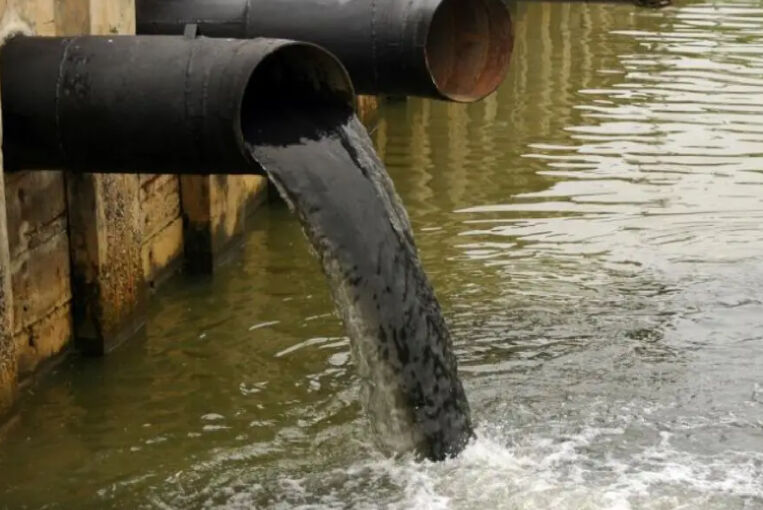
Industrial Wastewater Treatment Equipment - Advanced Solutions for Sustainable Water Management

All Categories

Get a Free Quote

Our representative will contact you soon.
Email
Name
Company Name
Message
0/1000

industrial wastewater treatment equipment

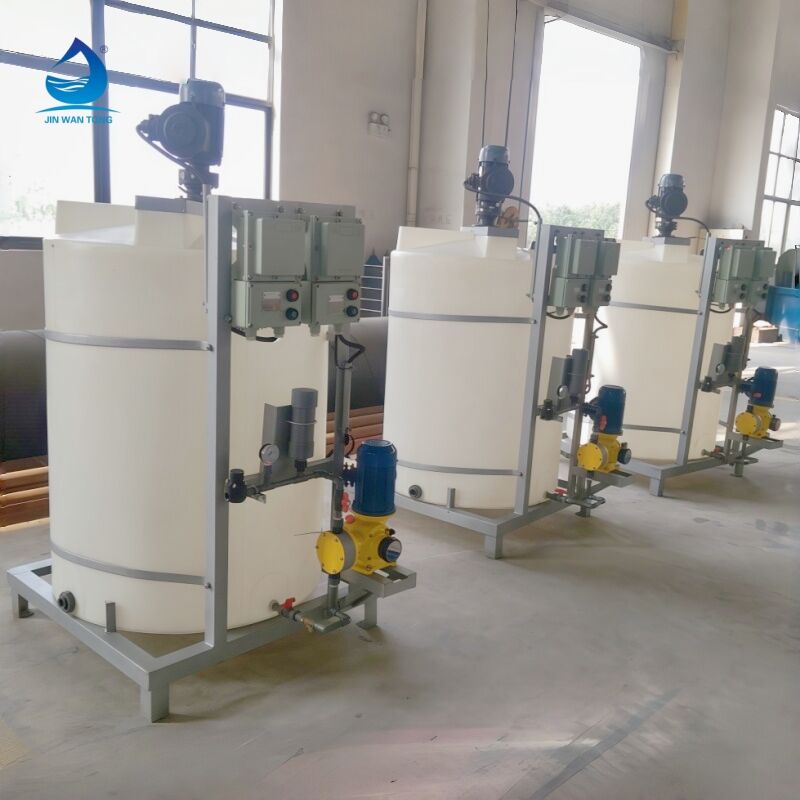
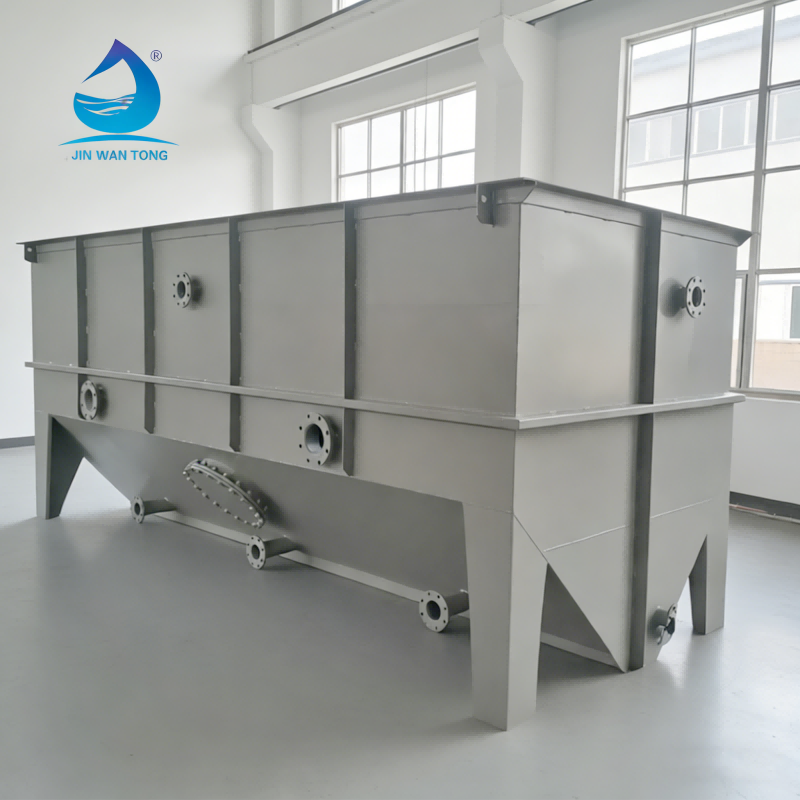
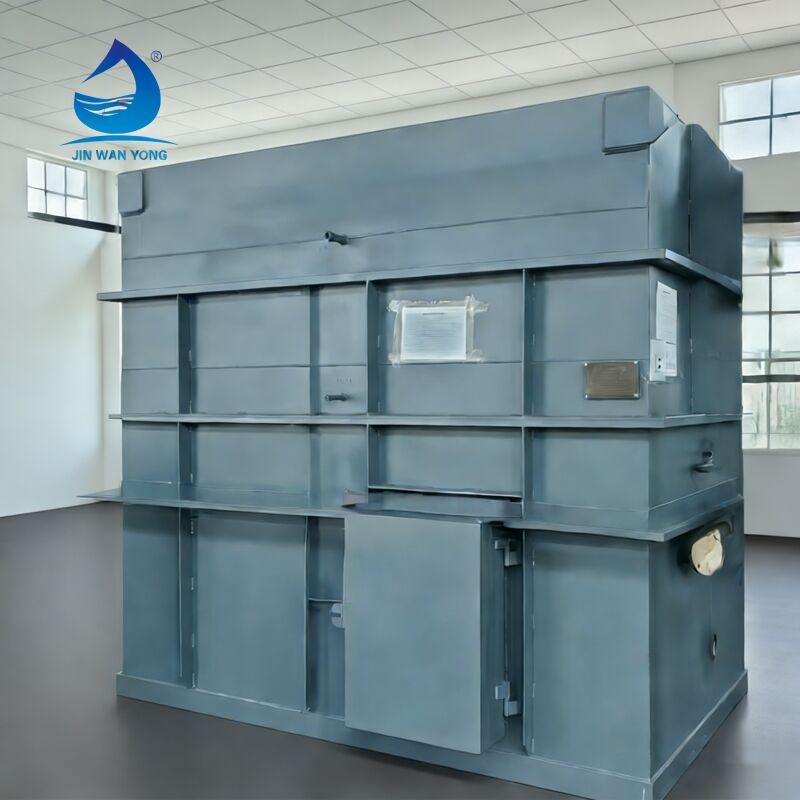
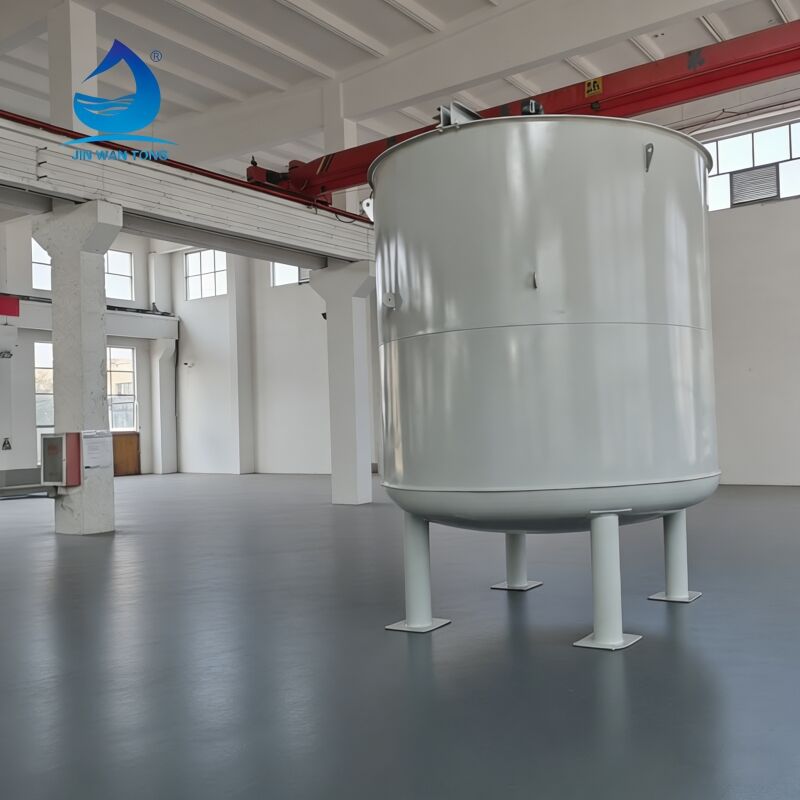
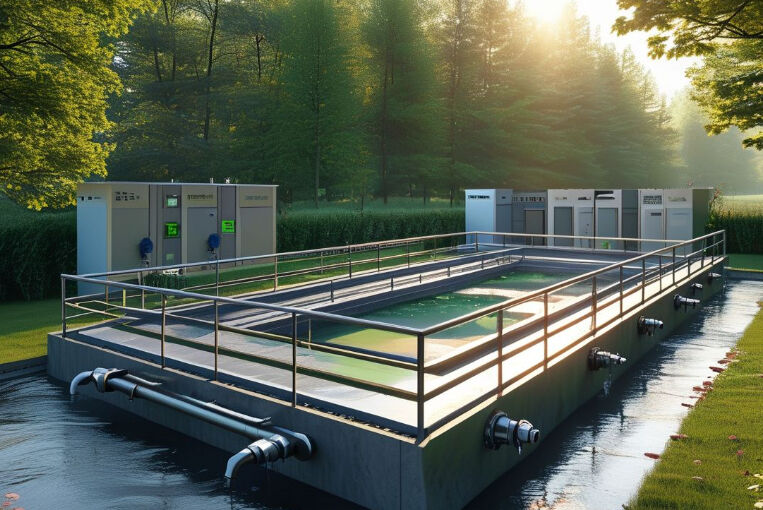
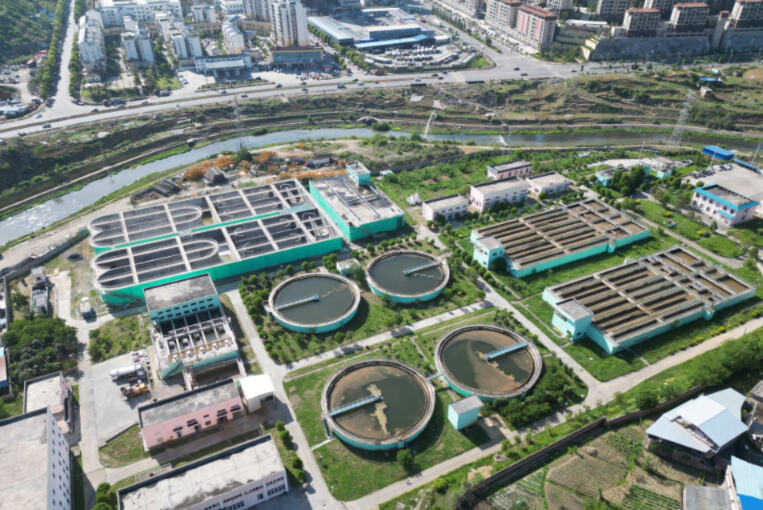
Industrial wastewater treatment equipment represents a critical infrastructure component designed to purify contaminated water from manufacturing facilities, chemical plants, and various industrial operations. These sophisticated systems remove harmful pollutants, toxic substances, and suspended particles from wastewater before discharge or reuse. Modern industrial wastewater treatment equipment employs multiple treatment stages including preliminary screening, primary sedimentation, secondary biological processes, and tertiary filtration to achieve optimal purification results. The equipment utilizes advanced technologies such as membrane bioreactors, reverse osmosis systems, activated sludge processes, and electrochemical treatment methods. Primary functions encompass removing heavy metals, organic compounds, oils, greases, and suspended solids from contaminated water streams. The technological features include automated monitoring systems, real-time water quality sensors, programmable logic controllers, and remote diagnostic capabilities that ensure consistent performance and regulatory compliance. These systems integrate seamlessly with existing plant infrastructure while providing scalable solutions for varying flow rates and contamination levels. Applications span across pharmaceutical manufacturing, food processing, petrochemical refineries, textile production, automotive assembly, electronics manufacturing, and mining operations. Each industry requires customized treatment protocols addressing specific contaminant profiles and discharge standards. The equipment handles diverse wastewater compositions including acidic solutions, alkaline effluents, oil-contaminated streams, and complex chemical mixtures. Advanced industrial wastewater treatment equipment incorporates energy-efficient pumps, corrosion-resistant materials, and modular designs that facilitate maintenance and upgrades. Modern systems feature automated backwashing cycles, self-cleaning mechanisms, and predictive maintenance algorithms that minimize operational downtime. The integration of artificial intelligence and machine learning algorithms optimizes treatment parameters based on influent characteristics and regulatory requirements, ensuring consistent effluent quality while maximizing operational efficiency and minimizing environmental impact.
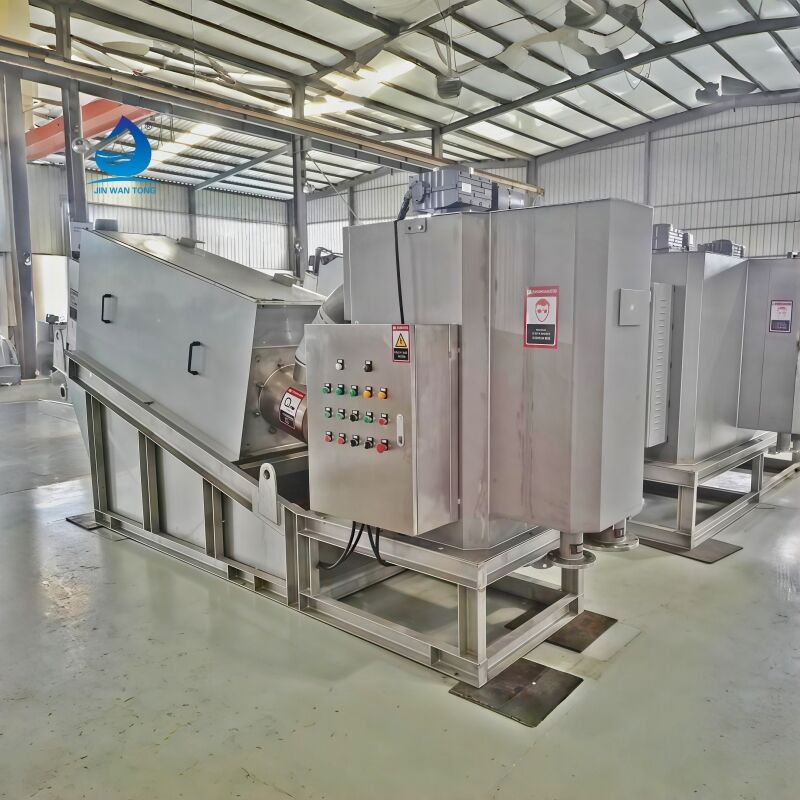
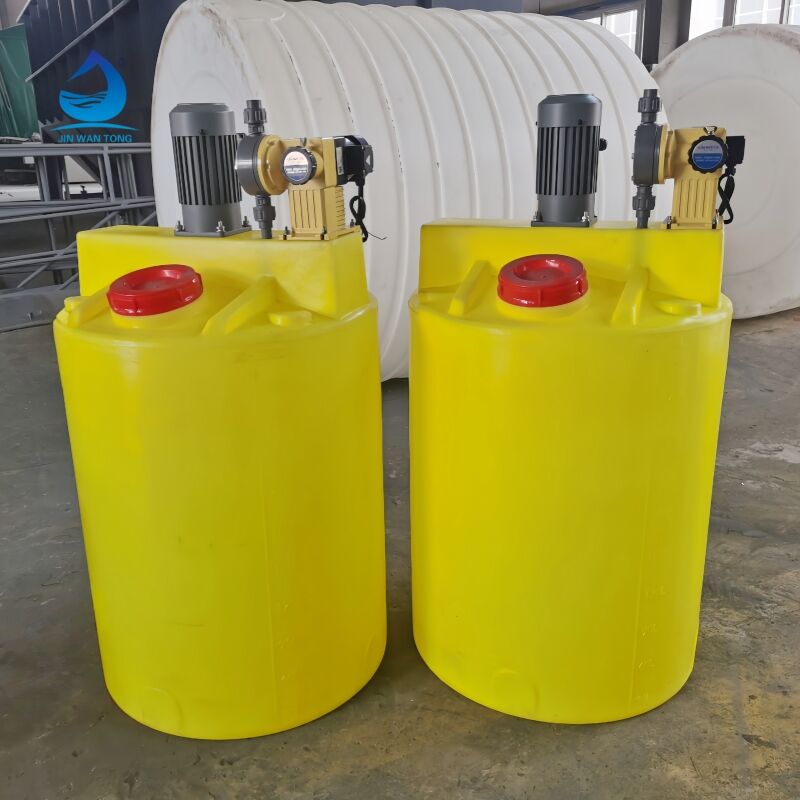
New Product Recommendations

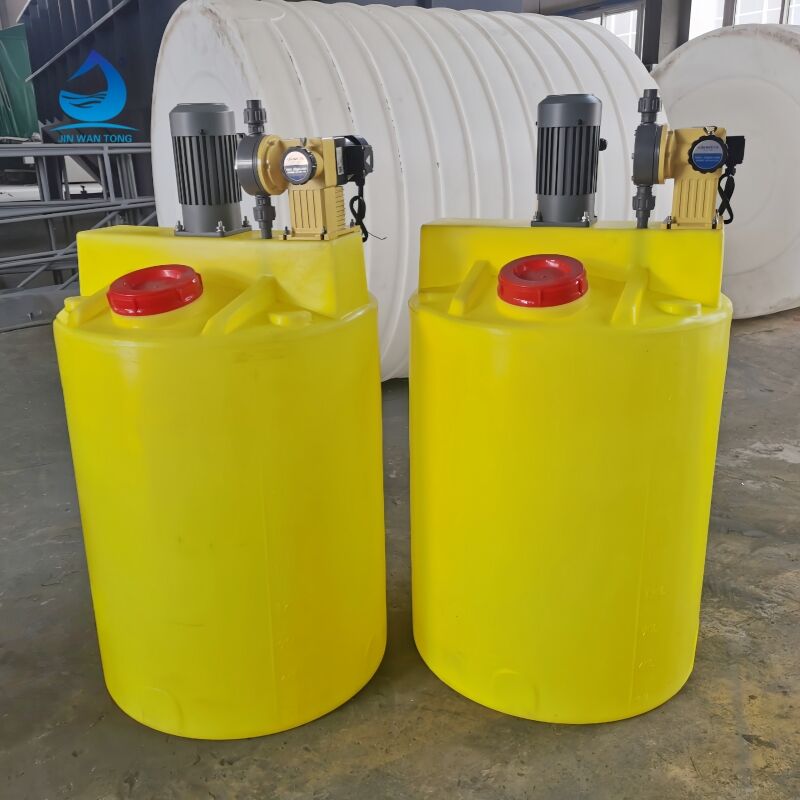
Industrial wastewater treatment equipment delivers substantial cost savings by enabling water recycling and reuse within manufacturing processes, dramatically reducing municipal water consumption and associated utility expenses. Companies achieve significant operational efficiency through automated systems that require minimal human intervention while maintaining consistent treatment performance around the clock. The equipment ensures regulatory compliance by meeting stringent environmental discharge standards, protecting businesses from costly fines, legal penalties, and potential facility shutdowns. Enhanced environmental protection represents a major advantage as these systems prevent contaminated water from entering natural water bodies, safeguarding local ecosystems and community health. Modern industrial wastewater treatment equipment generates valuable byproducts including recovered metals, purified water suitable for process reuse, and biogas from organic waste decomposition. The systems provide rapid return on investment through reduced disposal costs, lower fresh water purchases, and decreased environmental liability insurance premiums. Energy efficiency features including variable frequency drives, optimized aeration systems, and heat recovery mechanisms minimize power consumption while maintaining peak performance levels. Modular design architecture allows for easy system expansion or modification as production capacity increases or waste characteristics change over time. Advanced monitoring capabilities provide real-time data analytics enabling predictive maintenance scheduling, reducing unexpected downtime and extending equipment lifespan significantly. The technology improves corporate sustainability profiles by demonstrating environmental stewardship to stakeholders, customers, and regulatory agencies. Automated chemical dosing systems optimize treatment reagent consumption, reducing operating costs while ensuring optimal treatment effectiveness. Remote monitoring capabilities enable facility managers to oversee treatment operations from multiple locations, reducing staffing requirements and improving response times to system alerts. These systems enhance workplace safety by containing hazardous substances within controlled treatment environments, protecting workers from exposure to toxic chemicals and contaminated water. The equipment supports circular economy principles by transforming waste streams into reusable resources, contributing to sustainable manufacturing practices and reduced environmental footprint.

Latest News

Overview of the Agricultural Wastewater Treatment Market

17

Dec

Overview of the Agricultural Wastewater Treatment Market

View More
Global Real-Time Wastewater Treatment Update

17

Dec

Global Real-Time Wastewater Treatment Update

View More
Navigating the Waters: The Role of an Industrial Wastewater Treatment Plant

17

Dec

Navigating the Waters: The Role of an Industrial Wastewater Treatment Plant

View More

Get a Free Quote

Our representative will contact you soon.
Email
Name
Company Name
Message
0/1000

industrial wastewater treatment equipment

Advanced Membrane Technology Integration

Advanced Membrane Technology Integration

Industrial wastewater treatment equipment incorporates cutting-edge membrane filtration technology that revolutionizes contaminant removal efficiency and operational reliability. These sophisticated membrane systems utilize ultrafiltration, nanofiltration, and reverse osmosis processes to achieve superior purification results compared to conventional treatment methods. The membrane technology creates physical barriers at the molecular level, effectively separating contaminants based on size exclusion principles while maintaining high water recovery rates. Advanced membrane configurations include spiral wound modules, hollow fiber designs, and tubular arrangements optimized for specific industrial applications and wastewater characteristics. The integration features automated membrane cleaning protocols that extend service life and maintain consistent permeate quality throughout operational cycles. Smart monitoring systems continuously track transmembrane pressure, flux rates, and rejection efficiency to optimize performance parameters and predict maintenance requirements. The membrane technology demonstrates exceptional versatility in handling diverse contaminant profiles including dissolved organics, suspended solids, bacteria, viruses, and trace metals with removal efficiencies exceeding ninety-nine percent. Energy recovery devices capture hydraulic energy from concentrate streams, significantly reducing overall power consumption while maintaining treatment effectiveness. The modular membrane design enables flexible system configuration to accommodate varying flow rates, seasonal demand fluctuations, and future expansion requirements. Specialized membrane materials including polyamide, polyvinylidene fluoride, and ceramic compositions provide enhanced chemical resistance and extended operational lifespan in challenging industrial environments. The technology supports zero liquid discharge applications by concentrating waste streams to minimal volumes while producing high-quality treated water suitable for process reuse or safe environmental discharge, delivering maximum resource recovery and environmental protection.
Intelligent Process Control Systems

Intelligent Process Control Systems

Modern industrial wastewater treatment equipment features sophisticated intelligent process control systems that optimize treatment performance through real-time monitoring, data analysis, and automated adjustments. These advanced control platforms integrate artificial intelligence algorithms, machine learning capabilities, and predictive analytics to continuously improve treatment efficiency while minimizing operational costs. The intelligent systems monitor hundreds of process parameters including pH levels, dissolved oxygen concentrations, turbidity measurements, flow rates, temperature variations, and chemical dosing requirements across multiple treatment stages. Advanced sensors provide continuous feedback on water quality parameters, enabling immediate response to changing influent characteristics and maintaining consistent effluent standards. The control systems utilize programmable logic controllers, human-machine interfaces, and distributed control architectures that provide centralized monitoring and control capabilities for complex multi-stage treatment processes. Predictive maintenance algorithms analyze equipment performance data, vibration patterns, energy consumption trends, and operational history to forecast maintenance requirements before failures occur. The intelligent systems automatically adjust chemical dosing rates, aeration intensities, pump speeds, and treatment residence times based on real-time influent analysis and desired effluent quality targets. Remote monitoring capabilities enable facility managers to access system performance data, receive alarm notifications, and implement control changes from mobile devices or off-site locations. The technology incorporates adaptive learning mechanisms that continuously refine treatment algorithms based on historical performance data and changing operational conditions. Energy optimization features automatically adjust equipment operation schedules to minimize power consumption during peak rate periods while maintaining treatment effectiveness. The systems generate comprehensive reporting capabilities including regulatory compliance documentation, energy consumption analytics, maintenance scheduling, and operational efficiency metrics. Advanced cybersecurity protocols protect control systems from unauthorized access while ensuring reliable communication between field devices and central control platforms, providing secure and efficient industrial wastewater treatment equipment operation.
Sustainable Resource Recovery Capabilities

Sustainable Resource Recovery Capabilities

Industrial wastewater treatment equipment incorporates innovative resource recovery technologies that transform waste streams into valuable byproducts while achieving environmental compliance and operational cost reduction. These advanced systems implement circular economy principles by extracting useful materials from wastewater including precious metals, nutrients, energy, and high-quality reclaimed water suitable for various industrial applications. The resource recovery capabilities include electrochemical precipitation systems that selectively recover copper, nickel, chromium, and other valuable metals from plating and finishing operations with recovery efficiencies exceeding ninety-five percent. Anaerobic digestion processes convert organic waste components into biogas containing methane that provides renewable energy for facility operations or sale to utility companies. Nutrient recovery systems extract nitrogen and phosphorus compounds from wastewater streams, producing fertilizer-grade materials that generate additional revenue streams while reducing disposal costs. Advanced crystallization technologies recover salts and minerals in pure crystalline forms suitable for industrial reuse or commercial sale, minimizing waste disposal volumes and generating economic value from waste streams. The equipment features integrated heat recovery systems that capture thermal energy from treatment processes, reducing external heating requirements and improving overall energy efficiency. Water reclamation capabilities produce high-quality treated water meeting industrial process standards, reducing fresh water consumption and associated utility costs while supporting sustainable manufacturing practices. Sludge dewatering and stabilization processes minimize waste volumes while producing biosolids suitable for beneficial reuse applications including land application and construction materials. The systems incorporate automated material handling equipment that safely collects, processes, and prepares recovered materials for reuse or sale without manual intervention. Advanced separation technologies including magnetic separators, eddy current separators, and density separation equipment maximize material recovery rates while minimizing cross-contamination. The resource recovery capabilities support corporate sustainability goals by demonstrating environmental stewardship, reducing carbon footprints, and contributing to waste minimization objectives while generating measurable economic returns through recovered material sales and reduced disposal costs.
Industrial Wastewater Treatment Equipment - Advanced Solutions for Sustainable Water Management

Get a Free Quote

Our representative will contact you soon.
Email
Name
Company Name
Message
0/1000