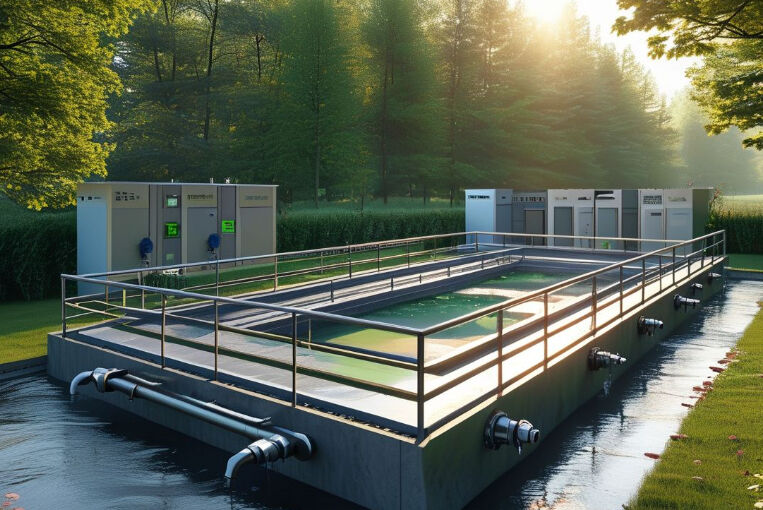
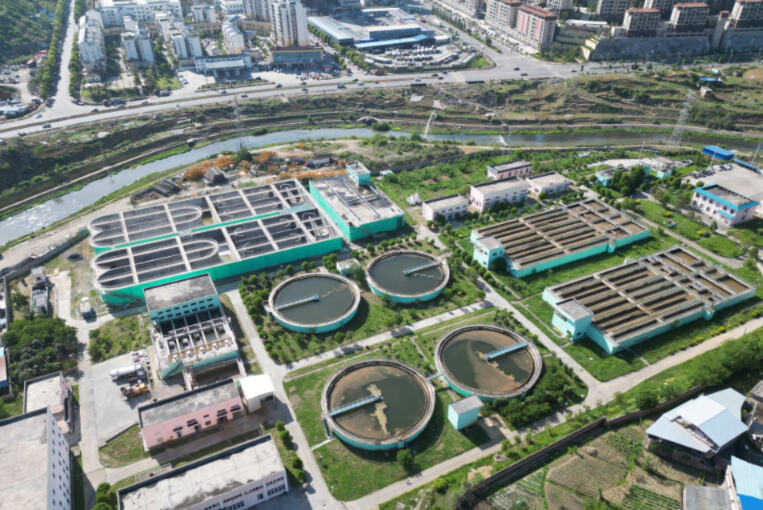
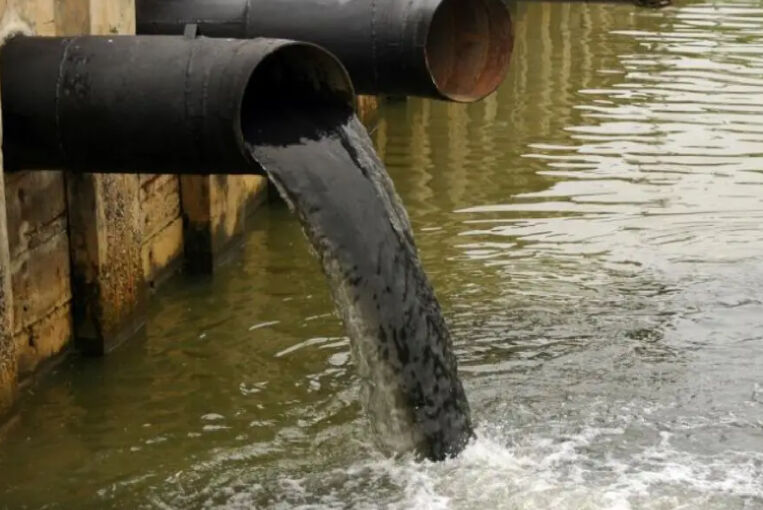
wastewater treatment plant equipment
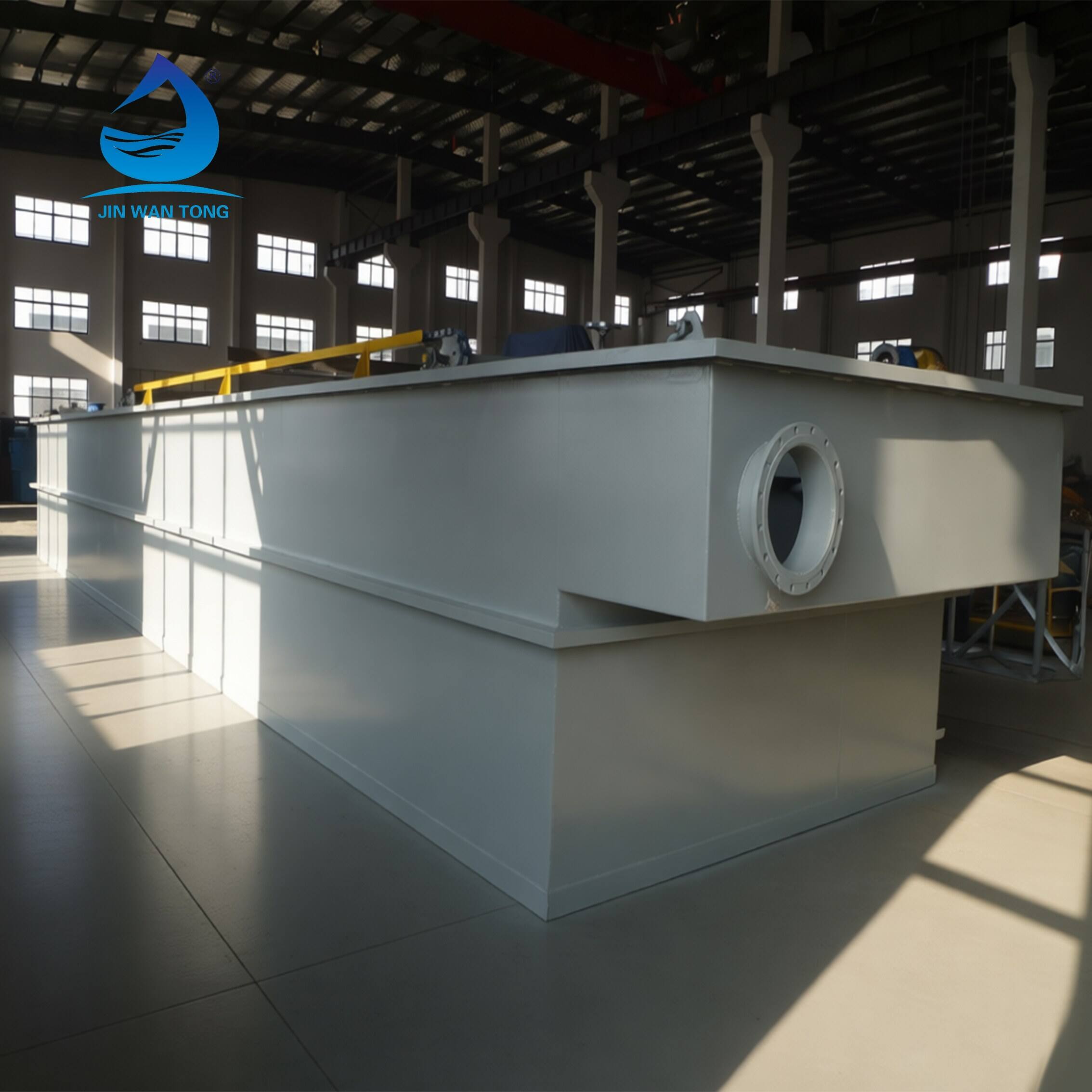
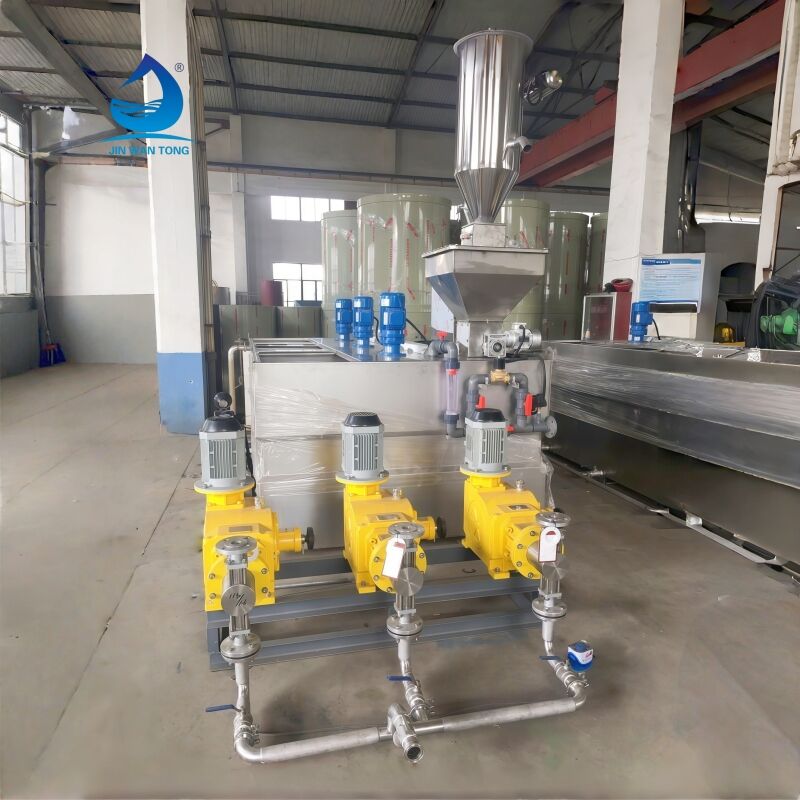
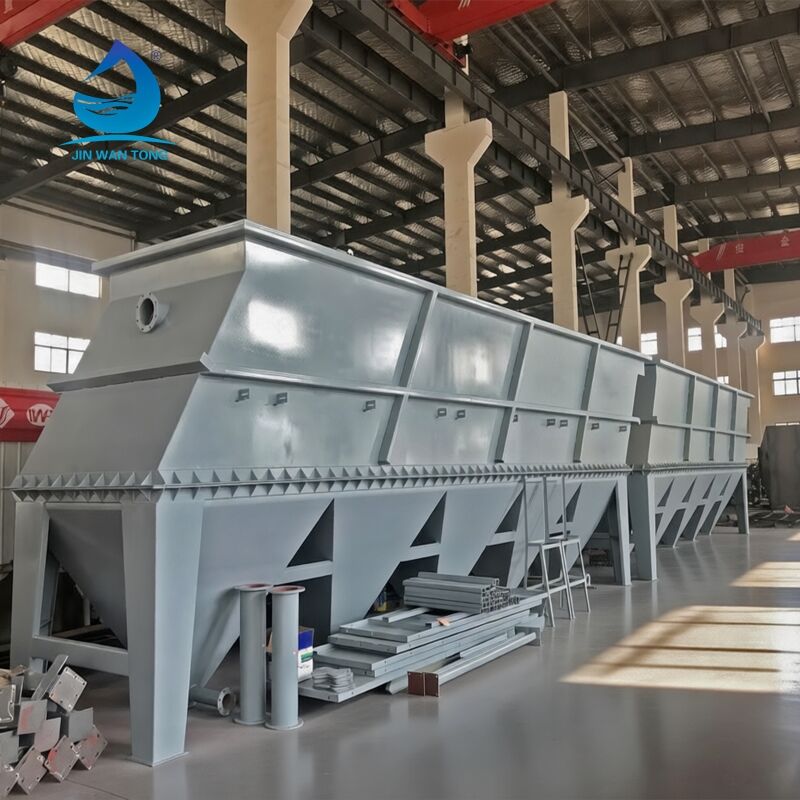
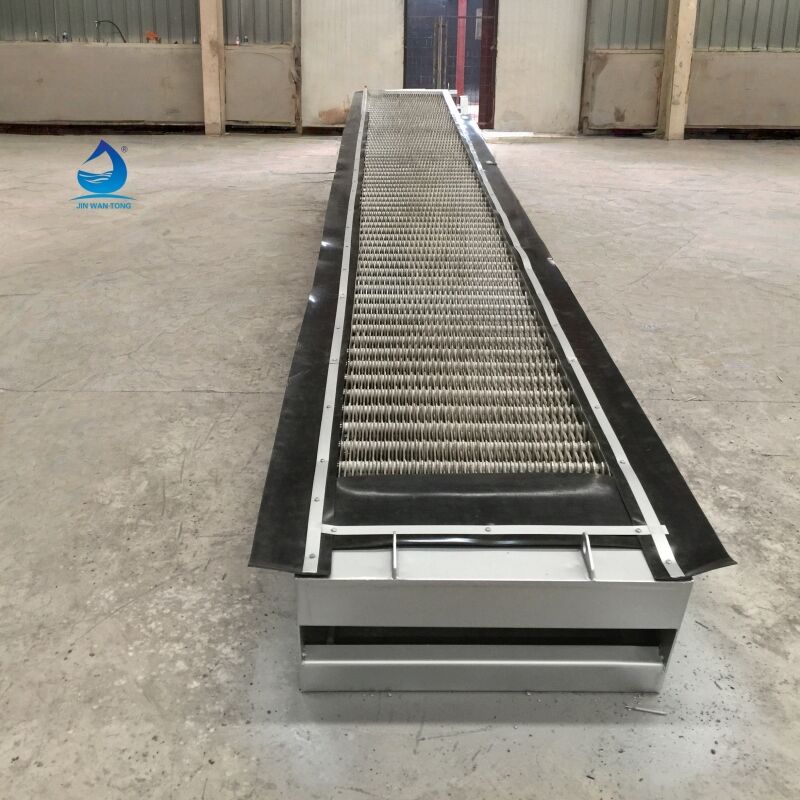
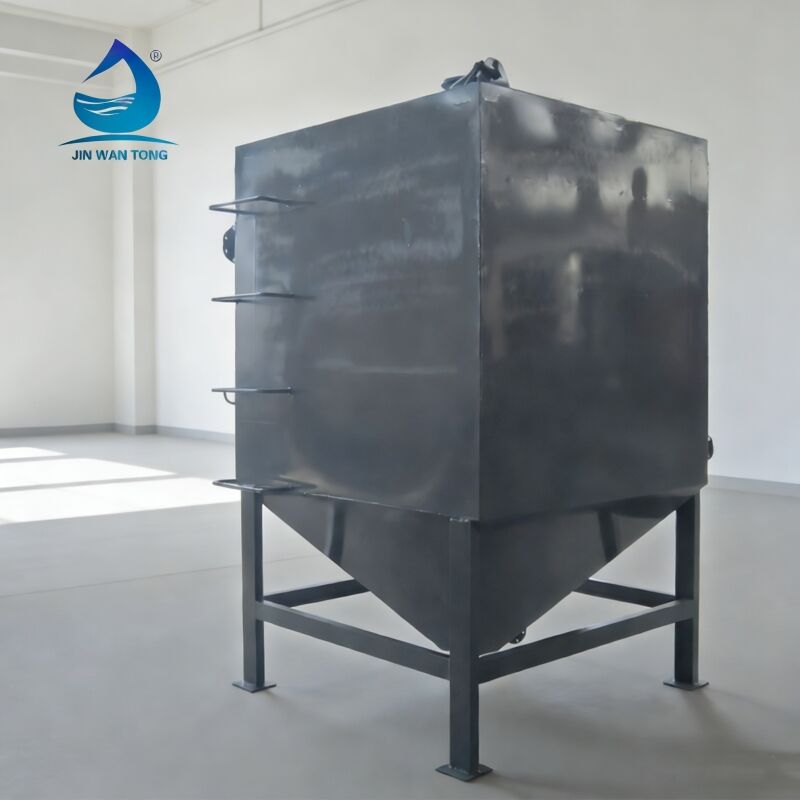
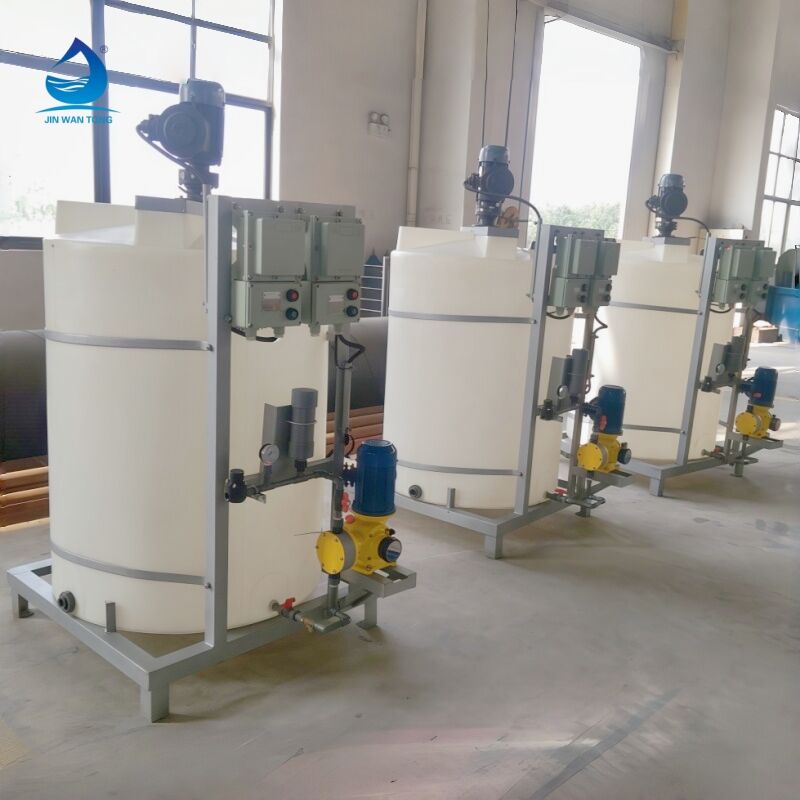
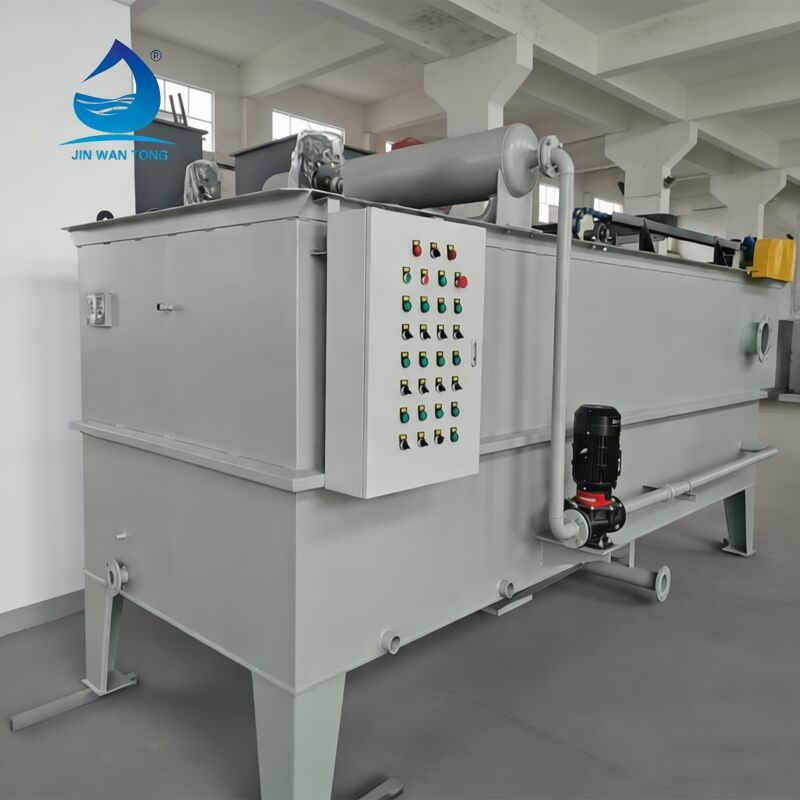
Wastewater treatment plant equipment represents a comprehensive collection of specialized machinery and systems designed to transform contaminated water into clean, safe effluent suitable for discharge or reuse. These sophisticated installations serve as the backbone of municipal and industrial water management infrastructure, ensuring environmental protection and public health safety. The primary function of wastewater treatment plant equipment involves removing physical, chemical, and biological contaminants through multiple treatment stages. The equipment encompasses preliminary treatment systems including bar screens, grit chambers, and flow equalization tanks that remove large debris and regulate incoming flow rates. Primary treatment components feature clarifiers, sedimentation tanks, and skimming devices that separate suspended solids and floating materials. Secondary treatment equipment utilizes biological processes through activated sludge systems, trickling filters, and membrane bioreactors to break down organic pollutants. Advanced tertiary treatment machinery includes sand filters, carbon adsorption units, and disinfection systems using ultraviolet light or chemical treatment. Modern wastewater treatment plant equipment incorporates cutting-edge technological features such as automated control systems, real-time monitoring sensors, and energy-efficient pumping mechanisms. These systems utilize programmable logic controllers and supervisory control and data acquisition platforms to optimize performance parameters continuously. The equipment applications span diverse sectors including municipal sewage treatment facilities, industrial manufacturing plants, food processing operations, pharmaceutical companies, and residential developments. Each application requires customized equipment configurations to address specific contamination challenges and discharge requirements. Energy recovery systems integrated within the equipment capture biogas from anaerobic digestion processes, converting waste into renewable energy. Smart monitoring capabilities enable predictive maintenance scheduling, reducing operational downtime and extending equipment lifespan while maintaining consistent treatment effectiveness throughout varying operational conditions.
 EN
EN