sludge filter press
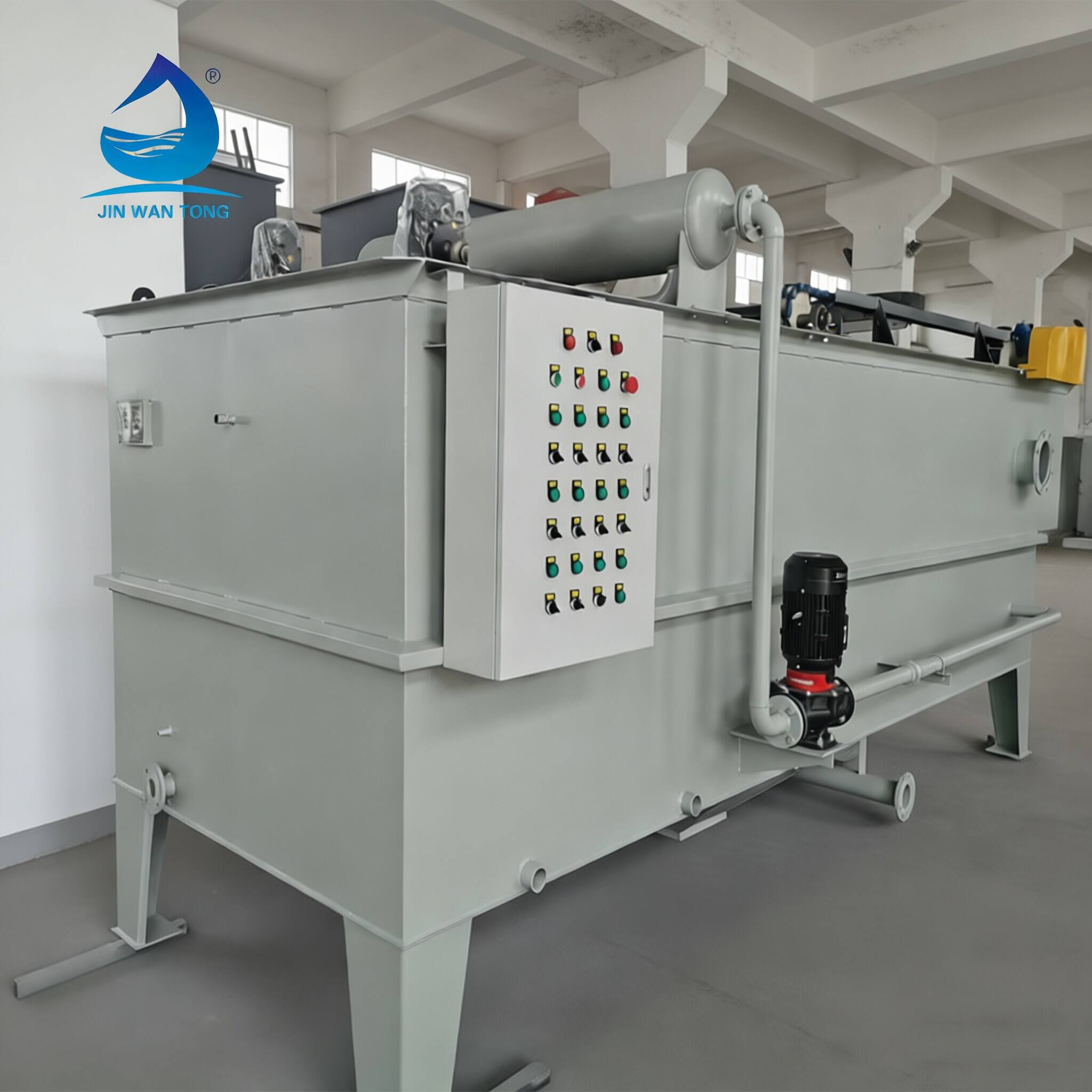
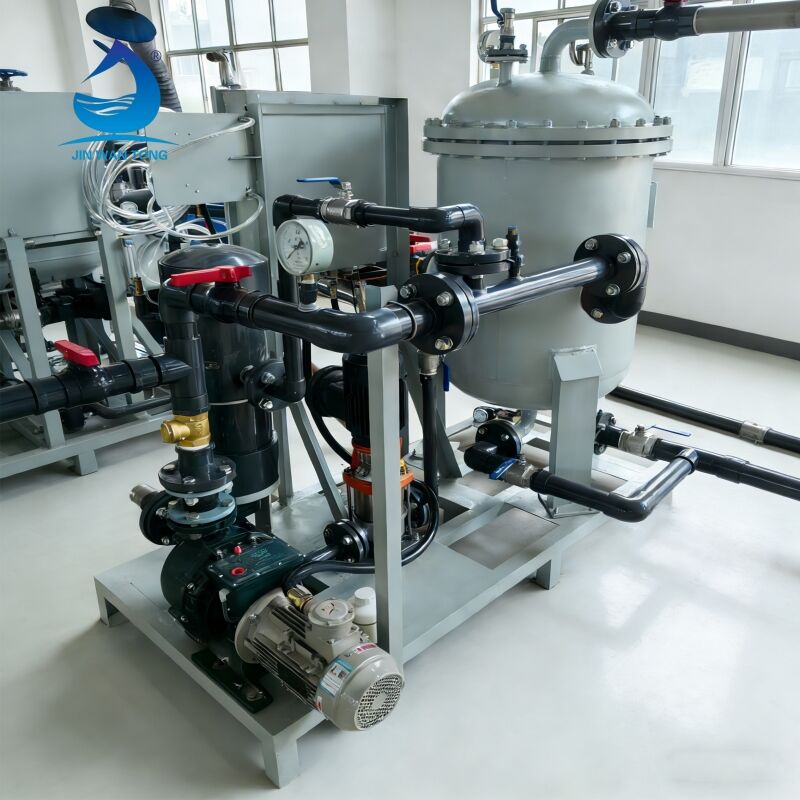
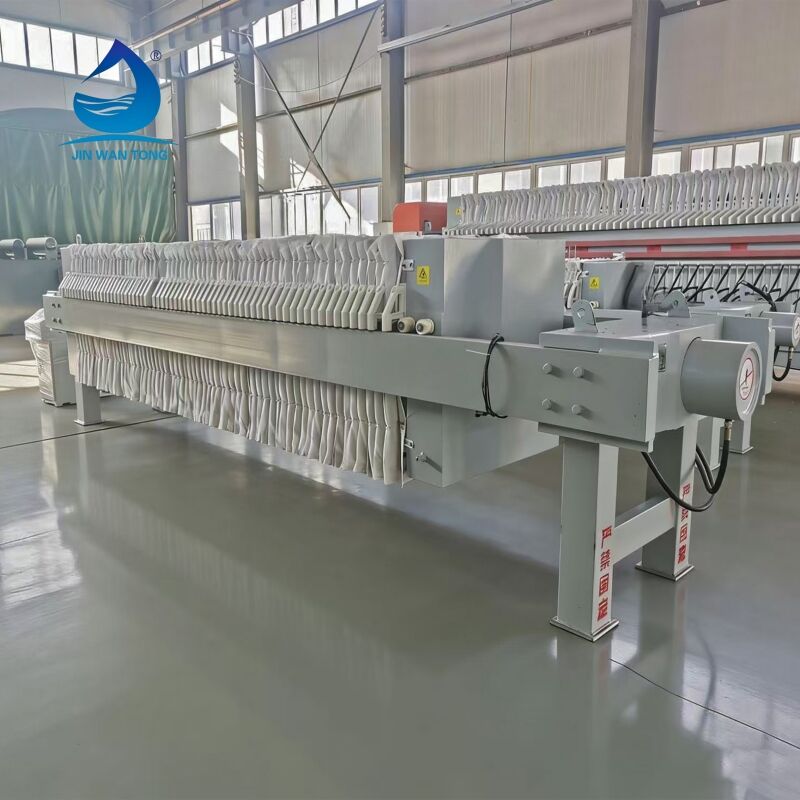
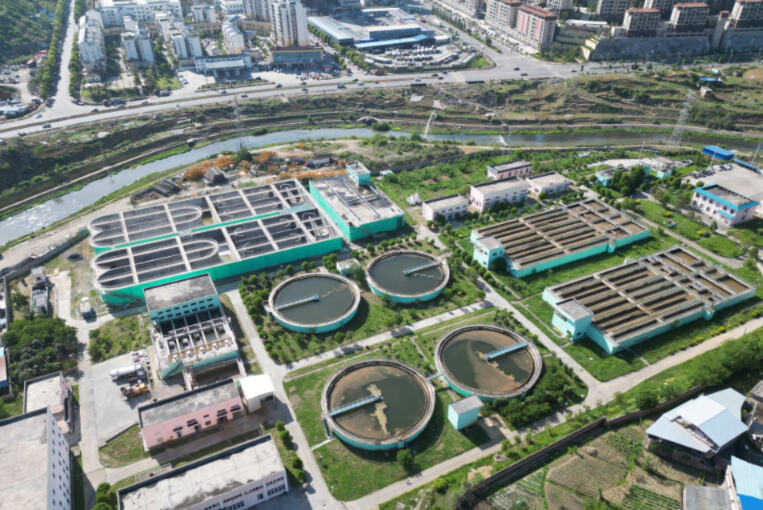
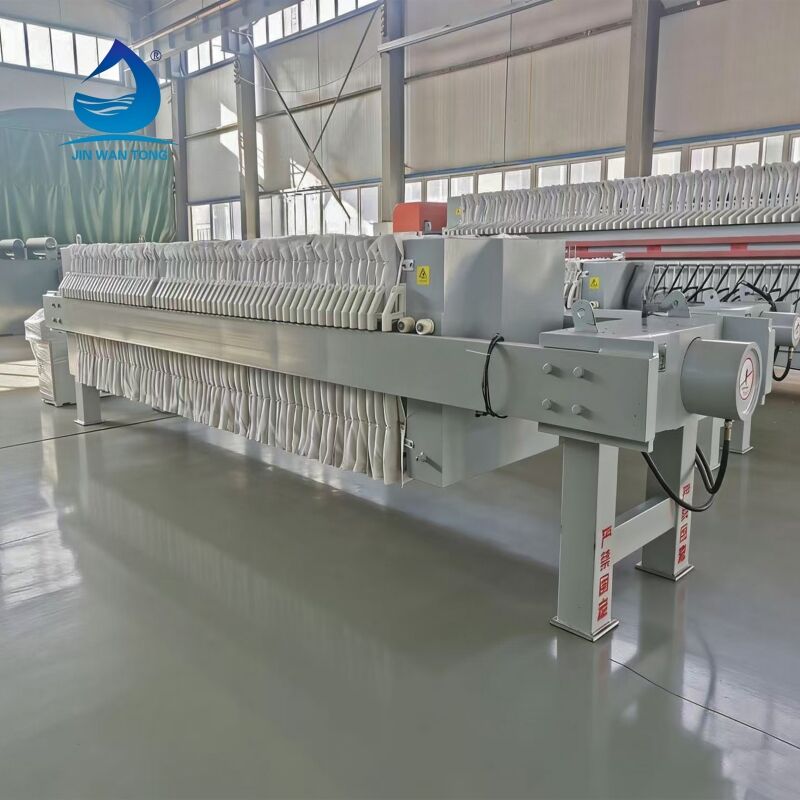
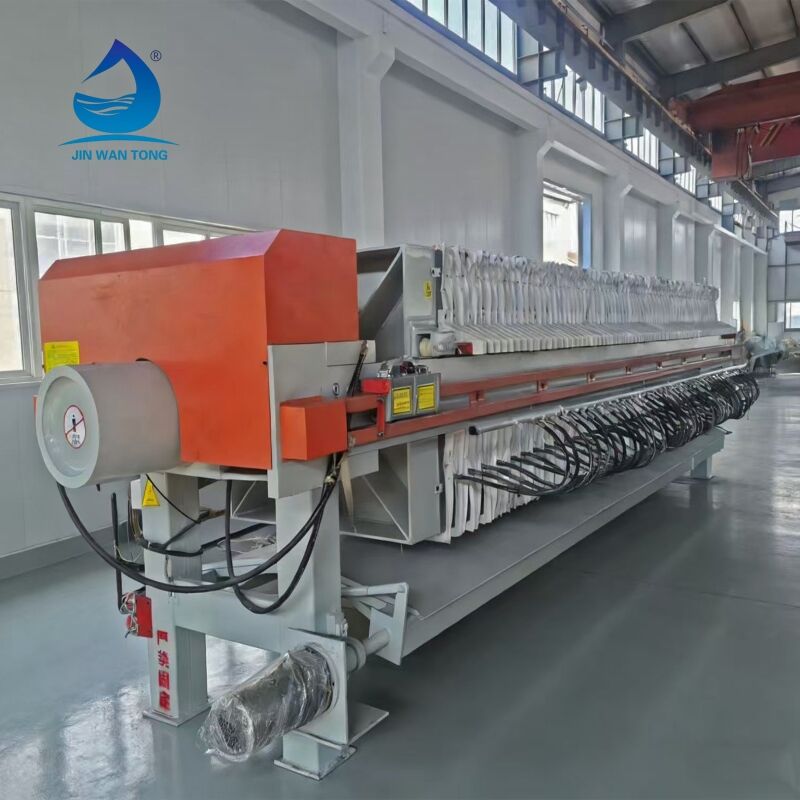
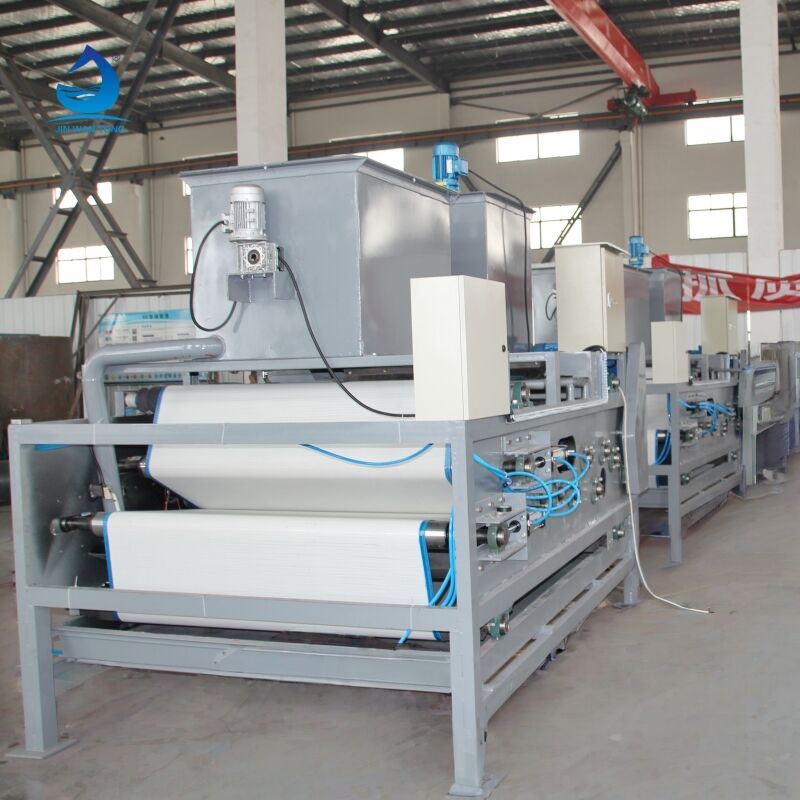
A sludge filter press represents an essential piece of industrial equipment designed to separate solid particles from liquid waste materials through mechanical dewatering processes. This sophisticated machinery operates by applying controlled pressure to force water through filter media while retaining solid waste components within designated chambers. The primary function of a sludge filter press involves transforming high-moisture content sludge into substantially drier cake materials, dramatically reducing volume and facilitating easier disposal or further processing. Modern sludge filter press systems incorporate advanced automation technologies that monitor pressure levels, cycle timing, and filtration efficiency to optimize performance outcomes. These units feature robust construction materials including corrosion-resistant metals and specialized polymer components that withstand harsh operating environments. The technological framework includes hydraulic systems for precise pressure control, programmable logic controllers for automated operation sequencing, and integrated safety mechanisms to protect operators and equipment. Filtration chambers utilize specialized filter cloths or plates designed to capture particles while allowing liquid passage. Applications span numerous industries including municipal wastewater treatment facilities, chemical processing plants, food manufacturing operations, pharmaceutical production, mining operations, and industrial manufacturing sectors. Municipal treatment plants rely on sludge filter press equipment to process biosolids generated during sewage treatment processes, converting wet sludge into manageable solid waste forms. Chemical industries utilize these systems to recover valuable materials from production waste streams while meeting environmental discharge requirements. Food processing facilities employ sludge filter press technology to handle organic waste materials and comply with regulatory standards. The versatility of modern sludge filter press designs accommodates various sludge types, from municipal biosolids to industrial waste materials containing different particle sizes and chemical compositions. Installation flexibility allows integration into existing treatment infrastructure with minimal disruption to ongoing operations.
 EN
EN