
 EN
EN
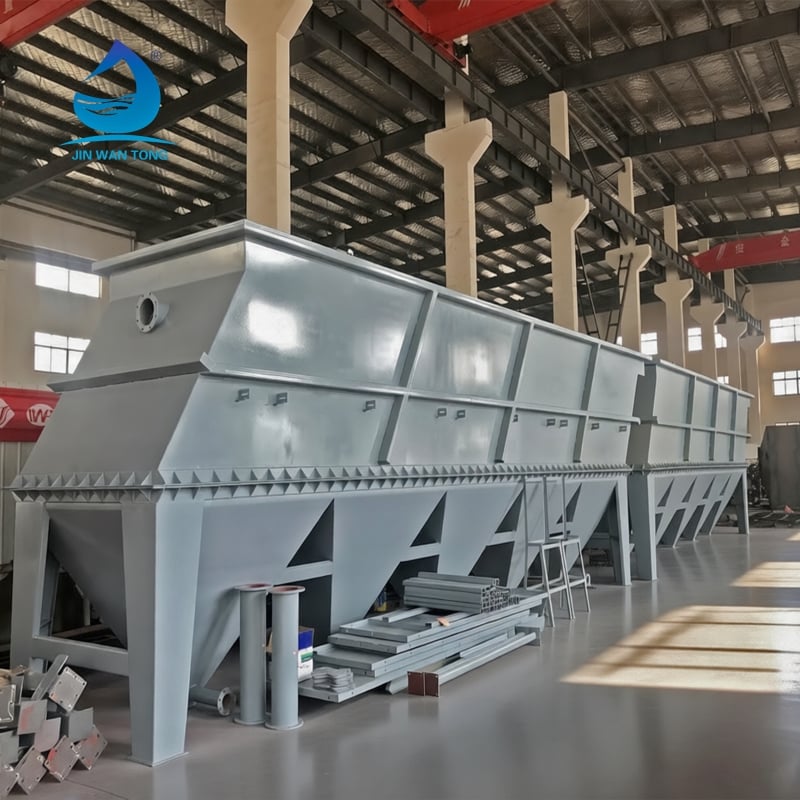
Decentralized wastewater treatment plants face unique operational challenges that differ significantly from centralized municipal facilities. Space constraints, limited technical expertise, and the need for rapid installation often make traditional clarification systems impractical. Packaged lamella clarifier units have emerged as a compelling solution designed specifically to address these constraints while maintaining high treatment performance. Understanding whether packaged lamella clarifier units are truly effective for decentralized operations requires examining their design principles, operational efficiency, and real-world suitability.
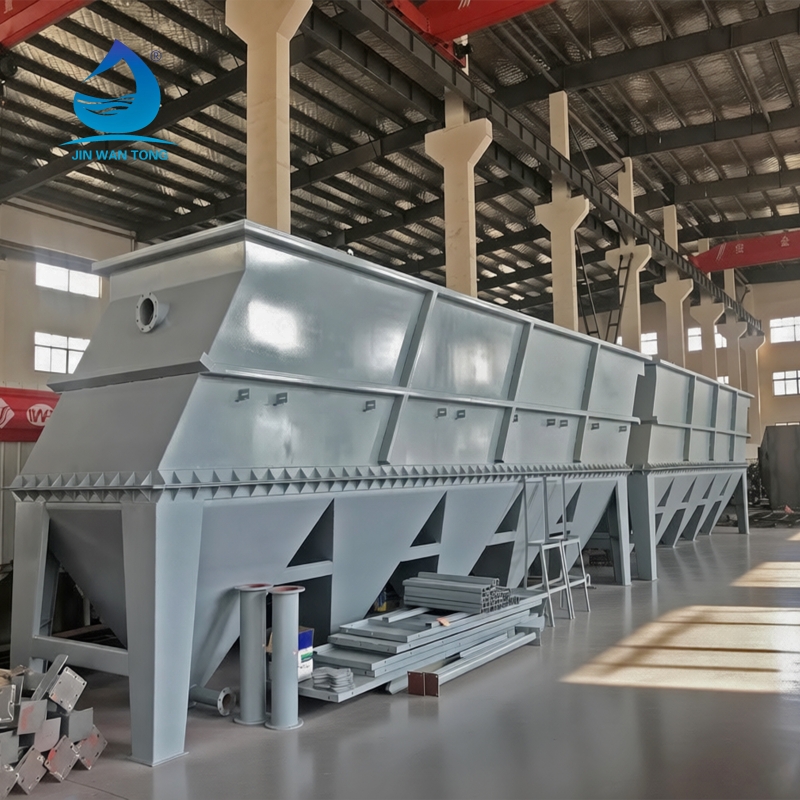
Packaged lamella clarifier units represent a paradigm shift in how decentralized treatment facilities approach solids separation. Unlike conventional clarifiers that require extensive excavation and on-site construction, packaged lamella clarifier units arrive ready for integration into existing infrastructure. Their compact footprint, modular design, and factory-tested performance make them an increasingly popular choice for treatment plants serving industrial zones, residential communities, and remote locations where space and installation speed are critical success factors.
Design Efficiency of Packaged Lamella Clarifier Units
Space Optimization Through Lamella Technology
The core advantage of packaged lamella clarifier units lies in their revolutionary use of closely-spaced parallel plates, known as lamellae, that dramatically increase clarification surface area within a minimal footprint. Traditional clarifiers rely on gravitational settling in large basins, but lamella clarifier units compress this settling process into a compact vertical stack. For decentralized plants where land availability is severely limited, packaged lamella clarifier units can achieve the same clarification performance as a conventional basin while occupying only 20 to 30 percent of the ground space. This spatial efficiency directly translates to lower installation costs and faster project deployment timelines.
Pre-Assembled Configuration and Factory Quality
Packaged lamella clarifier units are manufactured and quality-tested in controlled factory environments before shipment to the installation site. This pre-assembly approach ensures that all internal components, plate spacing, inlet distributors, and outlet mechanisms function correctly from day one. Decentralized plants benefit immensely from this factory-verified quality because they typically lack the engineering oversight and commissioning expertise available at large centralized facilities. When packaged lamella clarifier units arrive on-site, operators can begin operation within days rather than months, minimizing the project timeline and reducing commissioning risk.
Operational Performance and Treatment Effectiveness
Solids Removal Rates and Clarification Quality
Packaged lamella clarifier units achieve suspended solids removal rates typically ranging from 85 to 95 percent under standard operating conditions, depending on influent characteristics and flow rate stability. The lamella plate design forces incoming wastewater to flow horizontally across the angled plates, allowing suspended particles to settle rapidly onto the plate surface while clarified water rises through the stack. For decentralized plants treating municipal sewage, industrial effluent, or combined streams, packaged lamella clarifier units deliver consistent clarification performance that meets secondary treatment standards in most regulatory jurisdictions. The settling velocity reduction enabled by lamella clarifier units means that particles settling at 1 meter per hour in conventional basins can be removed in lamella clarifier units operating at 4 to 8 meters per hour, a dramatic efficiency gain.
Handling Variable and Peak Flows
Decentralized plants often experience highly variable influent flows driven by seasonal patterns, weather events, or production schedules. Packaged lamella clarifier units are inherently robust under these conditions because their modular design allows operators to run multiple units in parallel or operate them sequentially as flow demands change. Many packaged lamella clarifier units include equalization compartments or adjustable weir systems that buffer sudden flow surges. The depth and residence time within lamella clarifier units can be tuned through operational adjustments, allowing decentralized plant operators to maintain treatment quality even when flow patterns are unpredictable.
Installation and Maintenance Considerations
Rapid Deployment in Constrained Environments
Installation of packaged lamella clarifier units proceeds at a pace fundamentally different from conventional clarifier construction. Since lamella clarifier units arrive as pre-assembled or partially assembled modules, site preparation can be minimal. Concrete foundation work, utility connections, and final assembly typically take two to four weeks rather than three to six months. For decentralized plants facing regulatory pressure to begin operations or expand capacity quickly, packaged lamella clarifier units remove installation as a bottleneck. This speed advantage proves especially valuable when retrofitting existing facilities, where extended downtime is economically damaging and operationally disruptive.
Operational Simplicity and Maintenance Demands
Packaged lamella clarifier units are designed for operation by staff with moderate technical training, a critical attribute for many decentralized facilities. The lamella plate stack requires periodic cleaning to prevent biological film accumulation and channeling, but these maintenance activities are straightforward and can be performed during normal operating cycles. Air scouring systems integrated into many lamella clarifier units dislodge settled solids from the plates, returning them to the sludge hopper for withdrawal. Unlike conventional clarifiers that may require divers or specialized contractors for internal inspection and cleaning, packaged lamella clarifier units facilitate in-house maintenance that keeps labor costs controlled and reduces operational vulnerability. Decentralized plants with limited maintenance budgets appreciate this operational simplicity.
Assessing Suitability for Your Decentralized Operation
Factors Supporting Lamella Clarifier Unit Selection
Packaged lamella clarifier units excel in scenarios where space, installation timeline, and operational simplicity drive decision-making. If your decentralized plant operates on a compact site with existing buildings or infrastructure, lamella clarifier units deliver unmatched footprint efficiency. If regulatory timelines or business expansion schedules demand rapid capacity increases, packaged lamella clarifier units compress the deployment window dramatically. If your staff includes operators with moderate rather than advanced technical credentials, the intuitive design and maintenance simplicity of lamella clarifier units align well with your workforce capability. If your influent characteristics are moderately stable and peak flows are manageable through buffering, lamella clarifier units will perform reliably.
Scenarios Requiring Alternative or Hybrid Approaches
Packaged lamella clarifier units may face performance limitations in specific edge cases. If your decentralized plant treats influent with extremely high suspended solids concentrations, very low temperatures that impair settling velocity, or high oil and grease content, conventional clarifiers or specialized pretreatment ahead of lamella clarifier units may be necessary. If your operation requires final polish to very low turbidity levels or handles seasonal flows with extreme variability, a hybrid approach combining lamella clarifier units with sand filtration or ballasted flocculation might optimize results. Consulting with treatment specialists to evaluate your specific influent quality, flow patterns, and regulatory requirements ensures that packaged lamella clarifier units fit your application or that alternative configurations are identified early.
FAQ
What is the typical lifespan of packaged lamella clarifier units in a decentralized plant?
Packaged lamella clarifier units typically operate reliably for 15 to 20 years with routine maintenance including periodic plate cleaning, sludge withdrawal, and component inspection. The lamella plates themselves are usually constructed from polypropylene or stainless steel, materials that resist corrosion and biological degradation over extended periods. Decentralized plants that perform preventive maintenance on lamella clarifier units—such as seasonal air scouring and visual inspection—can extend service life toward the upper end of this range. Eventual replacement is typically driven by mechanical wear of moving components rather than plate degradation.
Can packaged lamella clarifier units handle biological or bulking sludge challenges?
Packaged lamella clarifier units can manage most biological settling challenges if the upstream process design includes adequate solids retention time and appropriate operating conditions. However, if your decentralized plant experiences persistent bulking sludge or filamentous organism proliferation upstream of the lamella clarifier units, the clarifier itself cannot solve this problem—the root cause must be addressed through process control or pretreatment modifications. Many decentralized plants add chemical coagulation ahead of lamella clarifier units to improve settling velocity and reduce biological upset impacts. Consulting with your equipment supplier about your specific sludge characteristics ensures that lamella clarifier units are configured appropriately for your operational conditions.
How do packaged lamella clarifier units compare to conventional clarifiers in terms of total cost of ownership?
The total cost of ownership for packaged lamella clarifier units is typically 30 to 50 percent lower than conventional clarifiers when evaluating capital equipment, installation labor, site preparation, and commissioning expenses. The footprint efficiency of lamella clarifier units often eliminates expensive land acquisition or facility expansion that conventional clarifiers would require. However, operational costs including sludge disposal, electricity for air scouring systems, and periodic plate replacement must be factored into long-term economics. For decentralized plants with space constraints or rapid deployment requirements, packaged lamella clarifier units deliver superior value; for facilities with abundant space and extended timelines, conventional clarifiers may offer lower marginal operating costs in specific scenarios.