 EN
EN
The Importance of Pretreatment in Waste Water Treatment: Screens, Grease Traps, and Equalization
When designing or operating an efficient waste water treatment facility, primary biological processes (such as MBBR or activated sludge) and advanced filtration often take center stage. However, any experienced water treatment engineer will tell you that the true key to long-term operational success lies at the very beginning of the process: Pretreatment.
Without effective physical pretreatment, downstream pumps clog, biological systems collapse under shock loads, and maintenance costs skyrocket. In this comprehensive guide, we will explore why pretreatment is the backbone of modern waste water treatment systems and break down the three most critical pretreatment components: Screens, Grease Traps, and Equalization Tanks.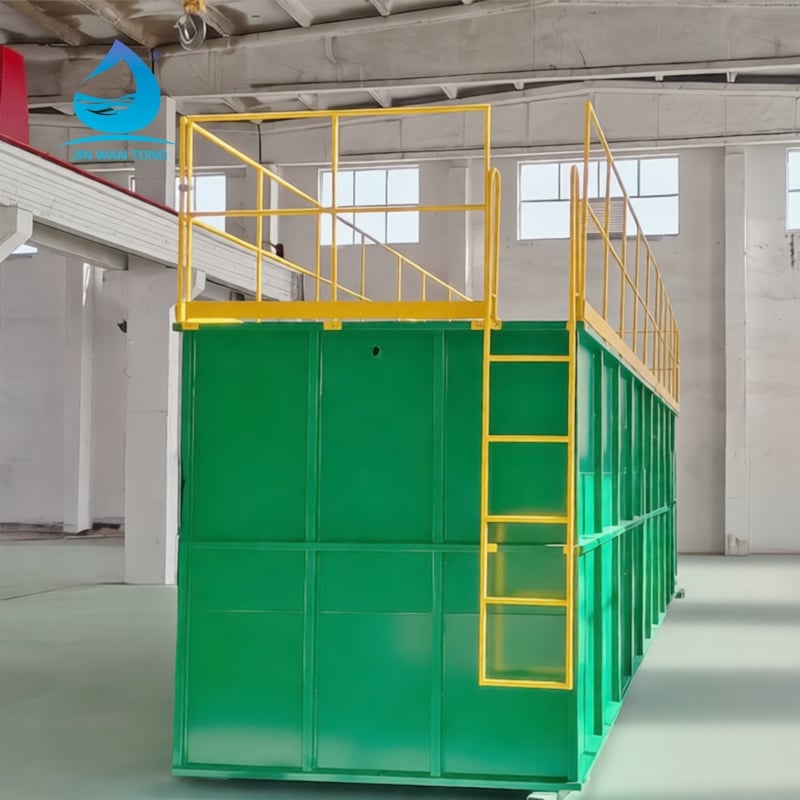
What is Pretreatment in Waste Water Treatment?
Pretreatment is the preliminary mechanical and physical stage in a waste water treatment plant. Its primary function is to remove large floating debris, coarse solids, fats, oils, grease (FOG), and equalize fluctuating flow rates before the effluent enters primary or secondary treatment stages.
By acting as a protective barrier, pretreatment ensures that delicate downstream equipment—such as Dissolved Air Flotation (DAF) units, membrane bioreactors (MBR), and high-efficiency pumps—operate smoothly without mechanical strain or biological overload.
3 Core Components of Effective Pretreatment
1. Mechanical Screens: Removing Large Coarse Solids
Influent wastewater often contains unpredictable debris, including plastic items, rags, wood fragments, and large organic matter. If left unchecked, these materials can cause catastrophic damage to downstream impellers and block piping networks.
Coarse Screens (Bar Screens): Installed at the main inlet to catch large solids (6mm to 50mm).
Fine Screens (Drum / Rotary Screens): Installed after coarse screening to capture smaller inorganic matter and suspended solids (0.25mm to 6mm).
Key Benefit: Mechanical screens reduce pump maintenance downtime by up to 70% and prevent physical obstructions throughout the entire waste water treatment process.
2. Grease Traps & Oil Interceptors: Eliminating FOG
Fats, Oils, and Grease (FOG)—commonly originated from food processing plants, slaughterhouses, and commercial kitchens—are among the most detrimental contaminants in liquid waste.
When FOG cools down in pipes, it solidifies, causing severe blockages. More importantly, excess grease forms an insoluble film over bacterial colonies in biological treatment tanks, suffocating the microorganisms and halting COD/BOD reduction.
How They Work: Grease traps utilize gravity differential. Since oil and grease are lighter than water, they float to the surface where they are mechanically skimmed or manually removed.
Industrial Application: For heavy industrial applications, combining grease traps with advanced physical-chemical systems like Dissolved Air Flotation (DAF) ensures maximum oil separation before biological processing.
3. Equalization Tanks (EQ Tanks): Balancing Flow and Loads
Industrial and municipal wastewater discharge is rarely constant. Peak hours during production shifts generate high volume and high concentration spikes, while night hours experience minimal flow.
Biological treatment systems thrive on stability. Sudden hydraulic surges or toxic concentration spikes can wash out active biomass, destroying system efficiency.
Functions of an Equalization Tank:
Hydraulic Equalization: Stores peak flows and discharges a continuous, uniform flow rate to downstream processes.
Load Equalization: Mixes incoming wastewater to damp out concentration spikes (pH, COD, ammonia).
Pre-Aeration: Optional gentle aeration in the EQ tank prevents anaerobic odor formation and settles heavy solids.
Benefits of Investing in High-Efficiency Pretreatment Equipment
Integrating high-performance pretreatment systems into your waste water treatment facility delivers measurable ROI across multiple areas:
Protects Capital Investments: Extends the operational lifespan of expensive downstream pumps, valves, and aerators.
Reduces Chemical & Energy Consumption: Removing heavy solids and FOG early decreases the chemical dosage required in coagulation and lowers energy consumption in aeration basins.
Ensures Regulatory Compliance: Preventing system shock ensures stable final effluent parameters that meet strict local discharge standards.
Minimizes System Downtime: Reduces emergency cleanouts, pipe flushing, and unexpected plant shutdowns.
Modern Pretreatment Solutions by Tsingtao JWT
At Tsingtao JWT, we specialize in engineering and manufacturing complete industrial waste water treatment equipment. From automatic mechanical bar screens and rotary drum filters to heavy-duty DAF systems and sludge dewatering machinery, our engineered solutions are designed to deliver reliable performance in the harshest environments.
Whether you are upgrading an existing effluent treatment plant (ETP) or constructing a new industrial facility, integrating customized pretreatment units ensures peak treatment efficiency and long-term cost savings.
Frequently Asked Questions (FAQ)
Q1: Why is pretreatment necessary in waste water treatment?
A: Pretreatment removes large debris, grit, and fats/oils before they reach sensitive pumps and biological systems. It prevents pipe clogging, protects expensive machinery, and ensures stable biological treatment performance.
Q2: What is the difference between a coarse screen and a fine screen?
A: Coarse screens (bar screens) typically filter out large items greater than 6mm (rags, trash, large solids). Fine screens filter out particles between 0.25mm and 6mm (hair, small fibers, micro-solids) to further protect fine-bubble diffusers and membrane systems.
Q3: Can an equalization tank reduce chemical consumption in wastewater treatment?
A: Yes. By homogenizing the incoming wastewater concentration and stabilizing pH levels, equalization tanks prevent sudden chemical over-dosing, allowing chemical dosing systems to operate efficiently at baseline levels.
Q4: How do I know if my facility needs a Grease Trap or a DAF system?
A: Standard grease traps are ideal for lower-flow applications with free-floating oils (e.g., small food preparation). For high-flow industrial facilities (e.g., dairy, poultry, slaughterhouses) containing emulsified oils, a Dissolved Air Flotation (DAF) system is recommended for deep grease and TSS removal.
Table of Contents
- The Importance of Pretreatment in Waste Water Treatment: Screens, Grease Traps, and Equalization
- What is Pretreatment in Waste Water Treatment?
- 3 Core Components of Effective Pretreatment
- Benefits of Investing in High-Efficiency Pretreatment Equipment
- Modern Pretreatment Solutions by Tsingtao JWT
- Frequently Asked Questions (FAQ)