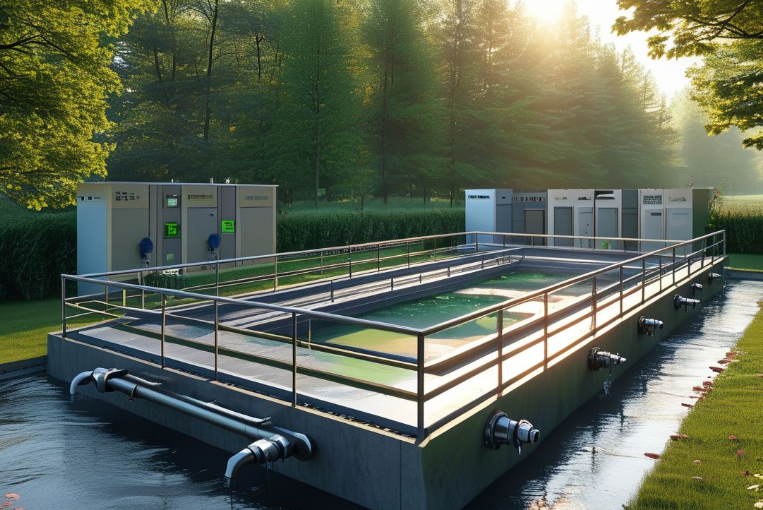
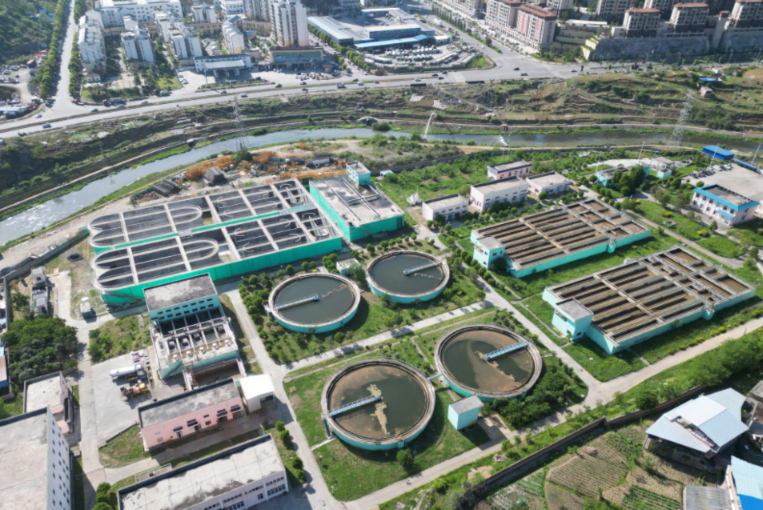
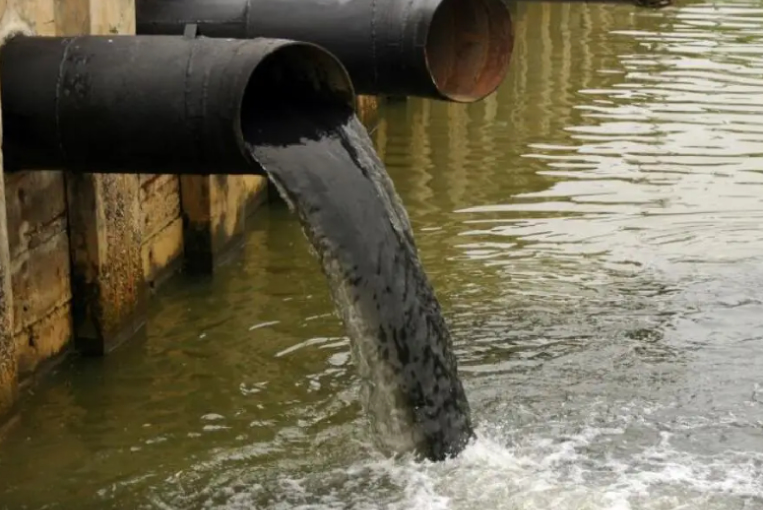
An activated carbon filter system is widely used in water treatment and wastewater polishing where adsorption is required to improve water quality. The system usually uses granular activated carbon, also called GAC, as the filter media. Activated carbon has a porous structure and large internal surface area, allowing it to adsorb residual chlorine, odor-causing substances, color, organic compounds and some trace pollutants from water.
In many wastewater treatment projects, activated carbon filtration is not the first treatment stage. It is more commonly used after primary treatment, chemical treatment, biological treatment, clarification or sand filtration. For example, wastewater may first pass through screening, equalization, DAF, MBBR or MBR treatment, and then enter an activated carbon filter for final polishing. This arrangement helps protect the carbon media from excessive suspended solids and extends service life.
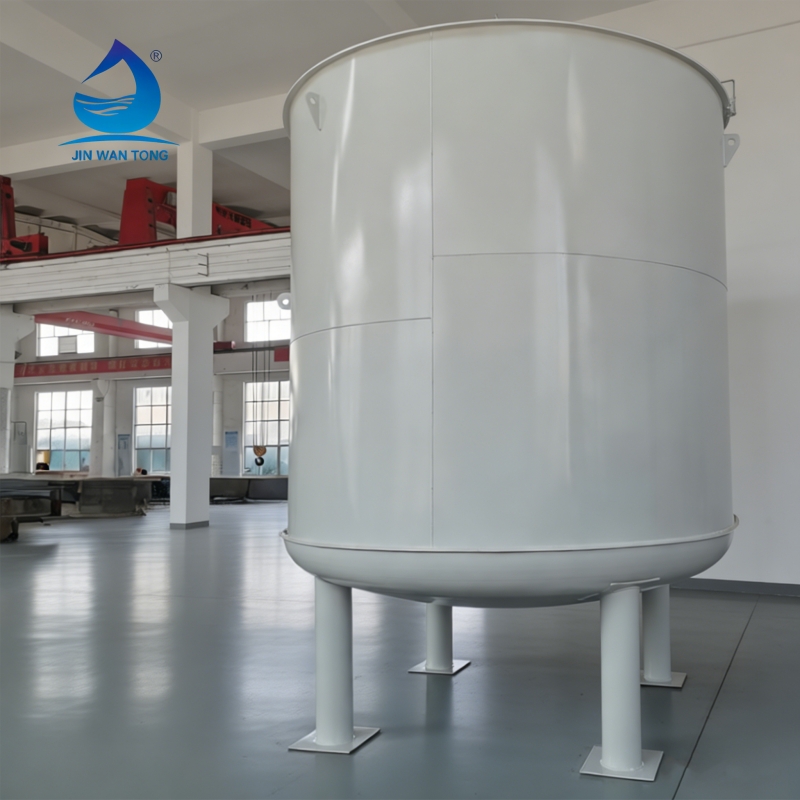
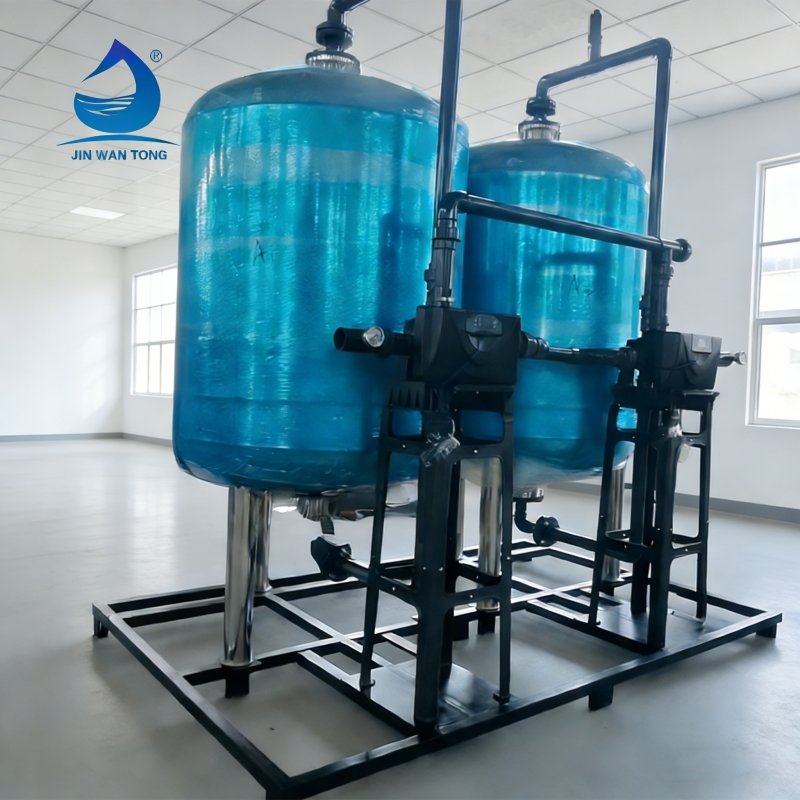
A typical activated carbon filter system includes a pressure filter vessel or tank, activated carbon media, water distribution system, support layer, inlet and outlet valves, backwash pipeline, drain connection, pressure gauge and optional automatic control system. Depending on project needs, the vessel can be made from carbon steel with anti-corrosion coating, stainless steel or FRP. The system may operate manually, semi-automatically or automatically.
The working process is straightforward. Water enters the filter vessel and flows through the activated carbon bed. During contact, pollutants are adsorbed onto the carbon surface. Treated water then exits from the outlet. Over time, suspended particles may accumulate and adsorption capacity will gradually decrease. Therefore, regular backwashing and timely carbon replacement or regeneration are important for stable performance.
For B2B buyers, system selection should not be based on flow rate alone. Important factors include inlet COD, BOD, turbidity, residual chlorine, color, odor, oil content, suspended solids, pH, temperature, required outlet quality, operation pressure and available installation space. If influent contains high SS or oil, pretreatment such as sedimentation, lamella clarification, sand filtration or DAF may be required before activated carbon filtration.
Activated carbon filters are suitable for wastewater reuse, industrial process water polishing, odor and color reduction, drinking water pretreatment, RO pretreatment and final polishing after sewage treatment. However, they are not designed to remove all contaminants. For high ammonia nitrogen, heavy metals, high salinity or strongly toxic wastewater, additional treatment processes may be required.
Qingdao Jinwantong can provide activated carbon filtration as part of a customized wastewater treatment solution. To receive a suitable configuration, buyers can share flow rate, inlet water quality, target pollutants, outlet standard, site layout and operating requirements.
Qingdao Jinwantong provides industrial sewage treatment equipment for global clients. Our MBR, DAF, STP, and oil-water separation systems ensure compliance with national discharge standards. Trusted across 6 continents. Contact us today.
43,Cangnan Road, Cangma Town, Qingdao, Shandong, China
Copyright © 2026 Qingdao Jinwantong Environmental Science And Technology Co., Ltd. All rights reserved. Privacy Policy
 EN
EN