Activated Carbon Filter Uses: Complete Guide to Applications, Benefits and Performance

All Categories

Get a Free Quote

Our representative will contact you soon.
Email
Name
Company Name
Message
0/1000

activated carbon filter uses

Activated carbon filter uses span across numerous industries and applications, making them one of the most versatile purification technologies available today. These sophisticated filtration systems harness the power of activated carbon's unique molecular structure to remove contaminants, odors, and impurities from air and water. The primary function of activated carbon filter uses centers on adsorption, where harmful substances adhere to the carbon's extensive surface area. This process effectively eliminates chlorine, volatile organic compounds, pesticides, and various chemical pollutants from water sources. In air purification applications, activated carbon filter uses target smoke, cooking odors, pet smells, and industrial emissions. The technological features of activated carbon filter uses include exceptional porosity, with surface areas reaching up to 1,500 square meters per gram of material. This enormous surface area enables maximum contact between contaminants and the carbon substrate. Activated carbon filter uses incorporate various forms including granular activated carbon, powdered carbon, and carbon block configurations. Each format serves specific filtration requirements and flow rates. The manufacturing process involves heating organic materials like coconut shells, wood, or coal at high temperatures in oxygen-free environments. This creates microscopic pores that trap contaminants through physical and chemical adsorption mechanisms. Modern activated carbon filter uses feature advanced impregnation techniques, where additional chemicals enhance removal of specific pollutants like hydrogen sulfide or ammonia. Applications range from residential water treatment systems to industrial wastewater processing plants. Municipal water treatment facilities rely heavily on activated carbon filter uses to ensure safe drinking water delivery. Indoor air quality improvement represents another significant application area, with HVAC systems incorporating activated carbon filter uses to maintain healthy environments in offices, hospitals, and manufacturing facilities.
New Product Recommendations

The advantages of activated carbon filter uses provide compelling reasons for consumers and businesses to invest in this proven technology. Cost-effectiveness stands as a primary benefit, as activated carbon filter uses deliver exceptional value compared to alternative purification methods. These systems require minimal energy consumption during operation, reducing utility costs while maintaining consistent performance levels. The longevity of activated carbon filter uses translates to fewer replacement cycles and lower maintenance expenses over time. Environmental sustainability represents another significant advantage, as activated carbon filter uses employ natural materials and generate no harmful byproducts during filtration processes. Many activated carbon materials originate from renewable sources like coconut shells, supporting eco-friendly manufacturing practices. The versatility of activated carbon filter uses allows single systems to address multiple contamination concerns simultaneously. Unlike specialized filters targeting specific pollutants, activated carbon filter uses handle broad spectrum removal of organic compounds, chemicals, and odors. Installation simplicity makes activated carbon filter uses accessible to homeowners and facility managers without extensive technical expertise. Most residential activated carbon filter uses integrate seamlessly into existing plumbing or HVAC systems through standard connections and mounting procedures. Commercial applications benefit from scalable designs that accommodate varying flow rates and capacity requirements. The reliability of activated carbon filter uses ensures consistent performance across diverse operating conditions and water quality variations. These systems maintain effectiveness regardless of seasonal changes or fluctuating contamination levels. Health protection advantages of activated carbon filter uses include removal of carcinogenic compounds, pesticide residues, and industrial chemicals that pose long-term health risks. Families utilizing activated carbon filter uses report improved taste and odor in drinking water, encouraging increased consumption and better hydration habits. The immediate effectiveness of activated carbon filter uses provides noticeable improvements in water clarity and air quality within hours of installation. Unlike biological treatment methods requiring weeks for optimization, activated carbon filter uses begin working instantly upon startup. Maintenance simplicity of activated carbon filter uses involves straightforward filter replacement procedures that most users can perform independently. Clear indicators signal when replacement becomes necessary, preventing system performance degradation. The chemical-free operation of activated carbon filter uses appeals to health-conscious consumers seeking natural purification methods without additives or treatment chemicals.

Practical Tips

Overview of the Agricultural Wastewater Treatment Market

17

Dec

Overview of the Agricultural Wastewater Treatment Market

View More
Global Real-Time Wastewater Treatment Update

17

Dec

Global Real-Time Wastewater Treatment Update

View More
Navigating the Waters: The Role of an Industrial Wastewater Treatment Plant

17

Dec

Navigating the Waters: The Role of an Industrial Wastewater Treatment Plant

View More

Get a Free Quote

Our representative will contact you soon.
Email
Name
Company Name
Message
0/1000

activated carbon filter uses

Superior Contaminant Removal Capability

Superior Contaminant Removal Capability

The exceptional contaminant removal capability of activated carbon filter uses stems from their unique molecular structure and advanced adsorption mechanisms. These systems excel at eliminating over 80 different types of organic compounds, including volatile organic compounds, pesticides, herbicides, and industrial chemicals that threaten water quality and air purity. The microscopic pore structure within activated carbon filter uses creates an enormous internal surface area, often exceeding 1,000 square meters per gram of carbon material. This extensive surface provides countless binding sites where contaminant molecules attach through van der Waals forces and chemical interactions. The effectiveness of activated carbon filter uses in removing chlorine deserves particular attention, as these systems can achieve 99% chlorine removal rates in municipal water applications. Chlorine elimination improves taste and odor while protecting downstream equipment and appliances from corrosive damage. Additionally, activated carbon filter uses demonstrate remarkable efficiency in capturing trihalomethanes, which form when chlorine reacts with organic matter in water treatment facilities. These potentially carcinogenic compounds pose serious health risks, making their removal through activated carbon filter uses essential for safe drinking water. The multi-layered filtration approach of activated carbon filter uses addresses both dissolved and suspended contaminants through different mechanisms. Large particles undergo physical straining, while smaller molecular contaminants undergo adsorption onto carbon surfaces. This comprehensive approach ensures activated carbon filter uses provide thorough purification without requiring multiple separate treatment stages. Industrial applications particularly benefit from the robust contaminant removal capabilities of activated carbon filter uses, where complex chemical mixtures and high pollutant concentrations challenge conventional filtration methods. Manufacturing facilities processing petrochemicals, pharmaceuticals, and food products rely on activated carbon filter uses to meet stringent environmental discharge requirements and workplace safety standards.
Long-lasting Performance and Economic Value

Long-lasting Performance and Economic Value

The long-lasting performance and economic value of activated carbon filter uses make them preferred choices for budget-conscious consumers and cost-sensitive industrial applications. Premium activated carbon filter uses typically provide 6-12 months of continuous operation before requiring replacement, depending on water quality conditions and usage patterns. This extended service life significantly reduces maintenance frequency and operational costs compared to alternative filtration technologies requiring monthly or weekly attention. The high-capacity design of activated carbon filter uses allows them to process thousands of gallons of water before reaching saturation points where replacement becomes necessary. Commercial-grade activated carbon filter uses often handle 10,000-50,000 gallons per filter cartridge, making them incredibly cost-effective for high-volume applications. The initial investment in activated carbon filter uses pays dividends through reduced bottled water purchases, lower plumbing maintenance costs, and decreased appliance replacement frequency. Chlorine and chemical removal extends the lifespan of water heaters, washing machines, and other water-using appliances by preventing corrosive damage. Energy efficiency of activated carbon filter uses contributes substantially to their economic appeal, as these passive filtration systems require no electricity or external power sources for operation. Gravity-fed and pressure-driven activated carbon filter uses function reliably without increasing utility bills or requiring backup power systems. The regeneration potential of certain activated carbon filter uses provides additional economic benefits, as spent carbon can undergo reactivation processes that restore filtration capacity. Industrial users frequently employ on-site regeneration systems that extend activated carbon filter uses lifecycles while reducing disposal costs and environmental impact. Bulk purchasing options for replacement cartridges further enhance the economic advantages of activated carbon filter uses, with volume discounts reducing per-unit costs significantly. Many manufacturers offer subscription services that automatically deliver replacement filters at optimal intervals, ensuring peak performance while maximizing cost savings. The prevention of expensive water damage through effective contaminant removal represents an often-overlooked economic benefit of activated carbon filter uses, as these systems protect valuable equipment and infrastructure from chemical corrosion and scaling.
Versatile Applications Across Industries

Versatile Applications Across Industries

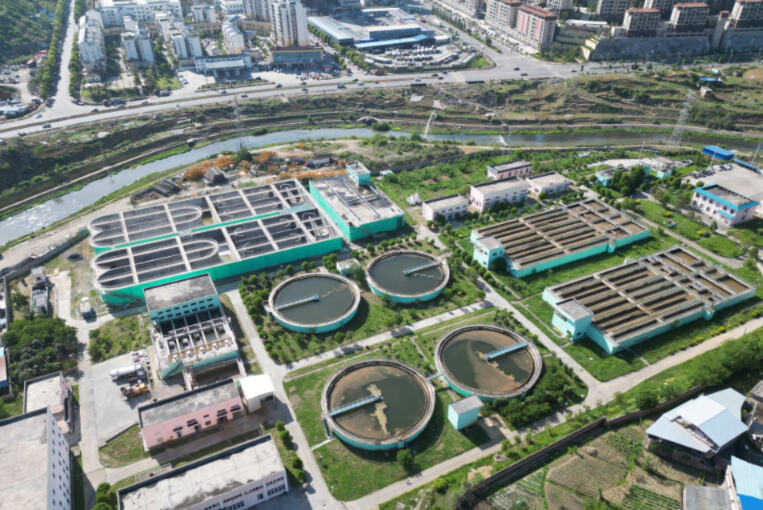
The versatile applications of activated carbon filter uses span virtually every industry requiring water or air purification, demonstrating their adaptability and universal effectiveness. Residential applications of activated carbon filter uses include whole-house water treatment systems, under-sink drinking water filters, refrigerator filters, and shower filtration units. Each configuration addresses specific household needs while providing consistent purification performance across diverse water sources and quality conditions. Food and beverage industries extensively utilize activated carbon filter uses to ensure product quality and taste consistency. Restaurants, breweries, and bottling facilities depend on activated carbon filter uses to remove chlorine and organic compounds that could negatively impact flavor profiles or compromise food safety standards. The pharmaceutical industry represents another critical application area where activated carbon filter uses maintain ultra-pure water standards essential for drug manufacturing and research applications. These systems remove trace organic contaminants that could interfere with sensitive chemical processes or contaminate final products. Healthcare facilities deploy activated carbon filter uses in dialysis equipment, laboratory water systems, and emergency backup water supplies. The reliability and purity standards achieved through activated carbon filter uses protect patient safety while ensuring accurate diagnostic test results. Manufacturing industries employ activated carbon filter uses for process water treatment, cooling tower water conditioning, and wastewater pre-treatment before discharge. Electronics manufacturers particularly value activated carbon filter uses for producing deionized water used in semiconductor fabrication and circuit board cleaning processes. Agricultural applications of activated carbon filter uses include irrigation water treatment, livestock drinking water systems, and greenhouse hydroponic solutions. These applications protect crops and animals from harmful chemicals while optimizing growing conditions for maximum productivity. Swimming pool and spa industries utilize specialized activated carbon filter uses designed for chloramine removal and water clarity improvement. These systems enhance bather comfort while reducing chemical consumption and maintenance requirements. Municipal water treatment plants incorporate large-scale activated carbon filter uses as tertiary treatment stages that polish water quality before distribution to consumers. These installations demonstrate the scalability and reliability of activated carbon filter uses in critical infrastructure applications serving millions of people daily.
Activated Carbon Filter Uses: Complete Guide to Applications, Benefits and Performance

Get a Free Quote

Our representative will contact you soon.
Email
Name
Company Name
Message
0/1000