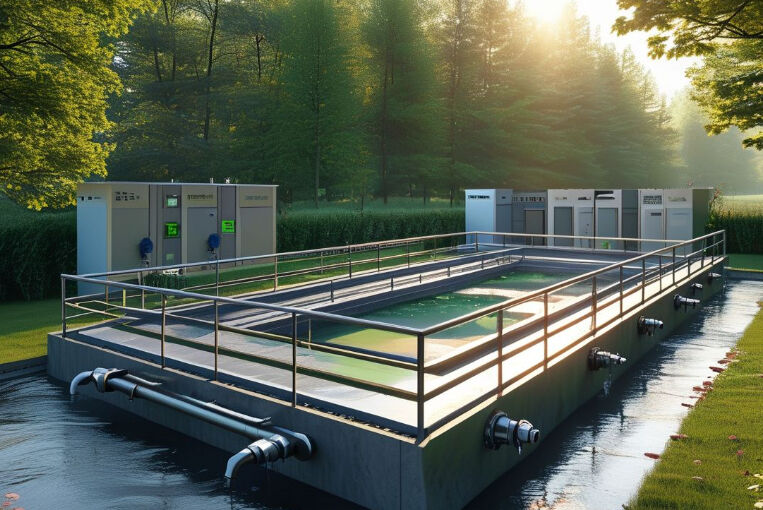
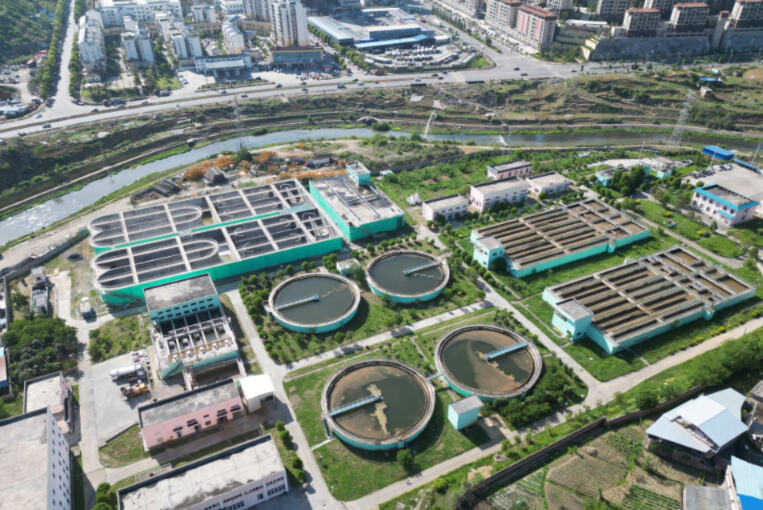
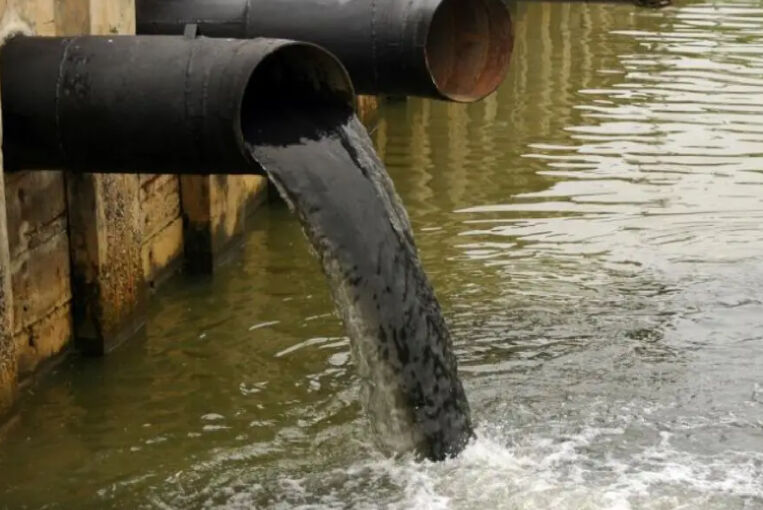
dissolved air flotation wastewater treatment
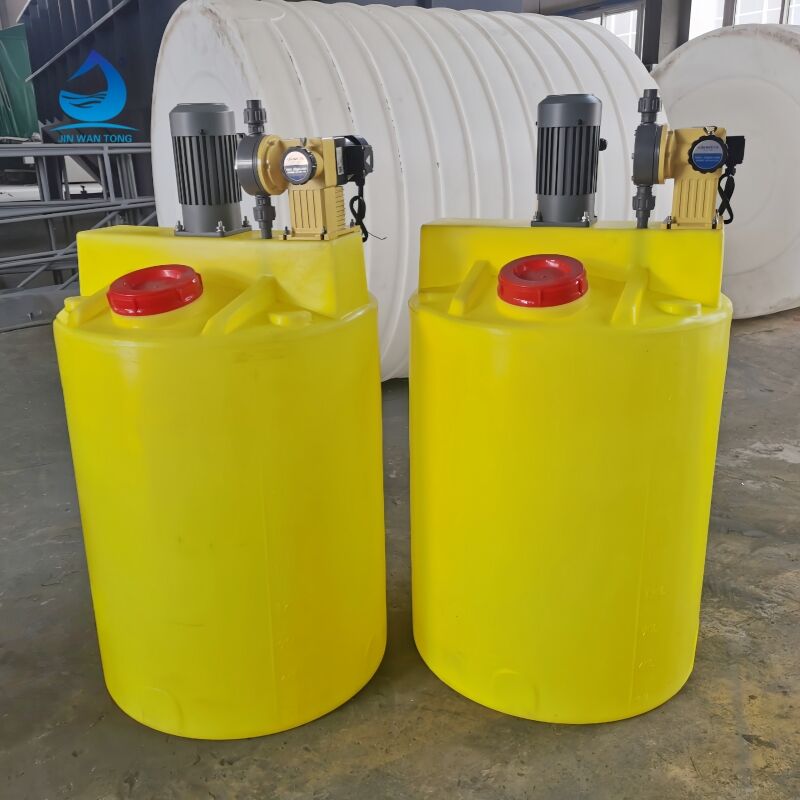
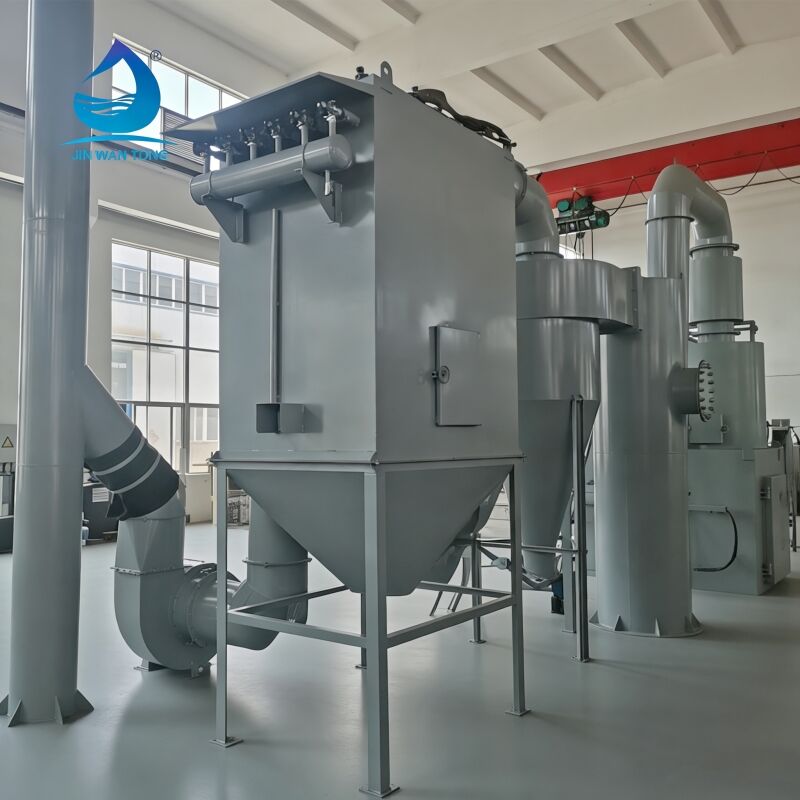
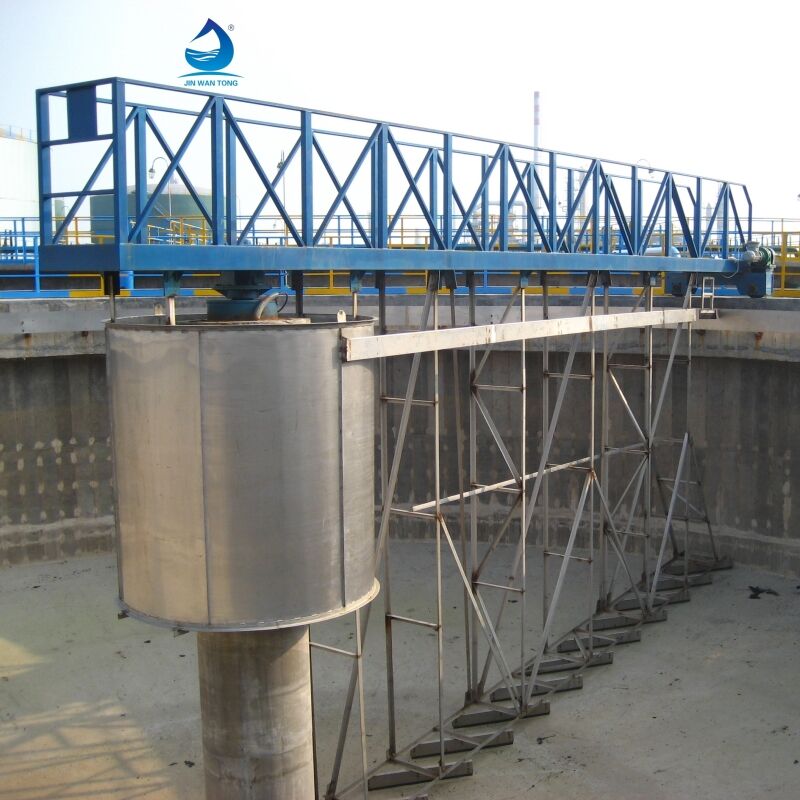
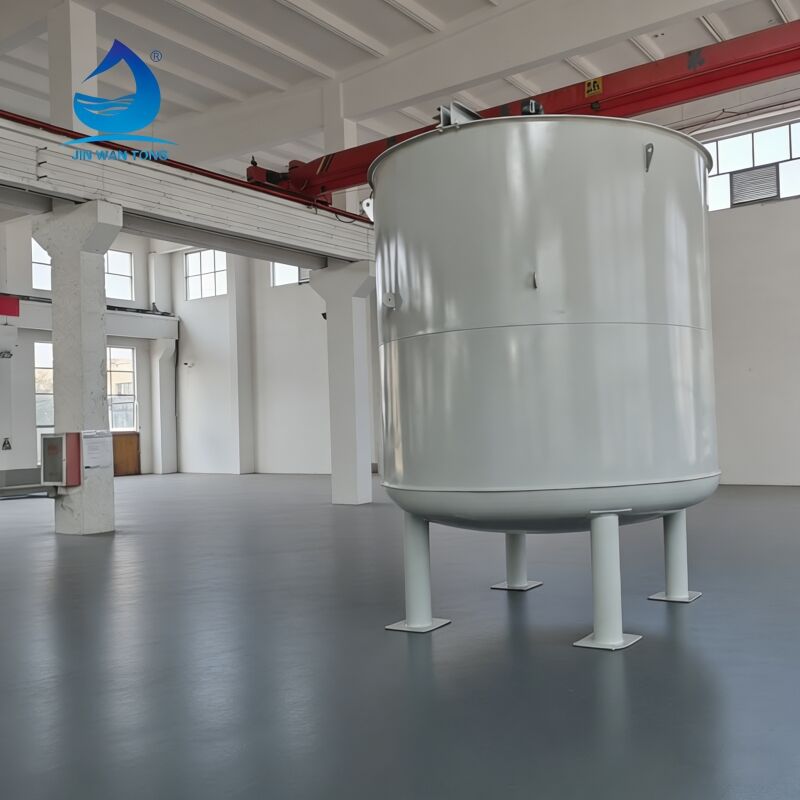
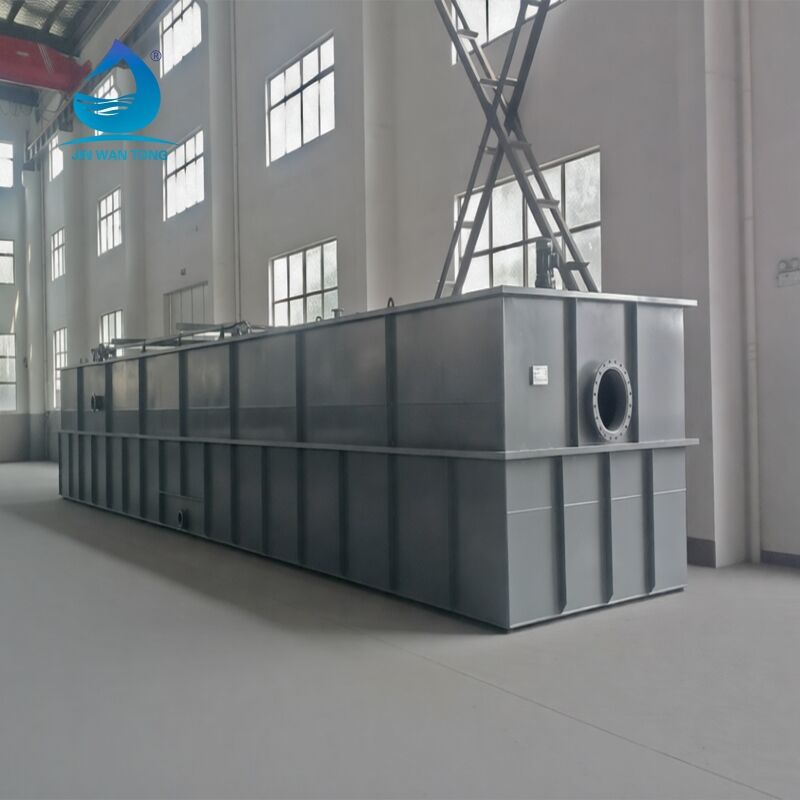
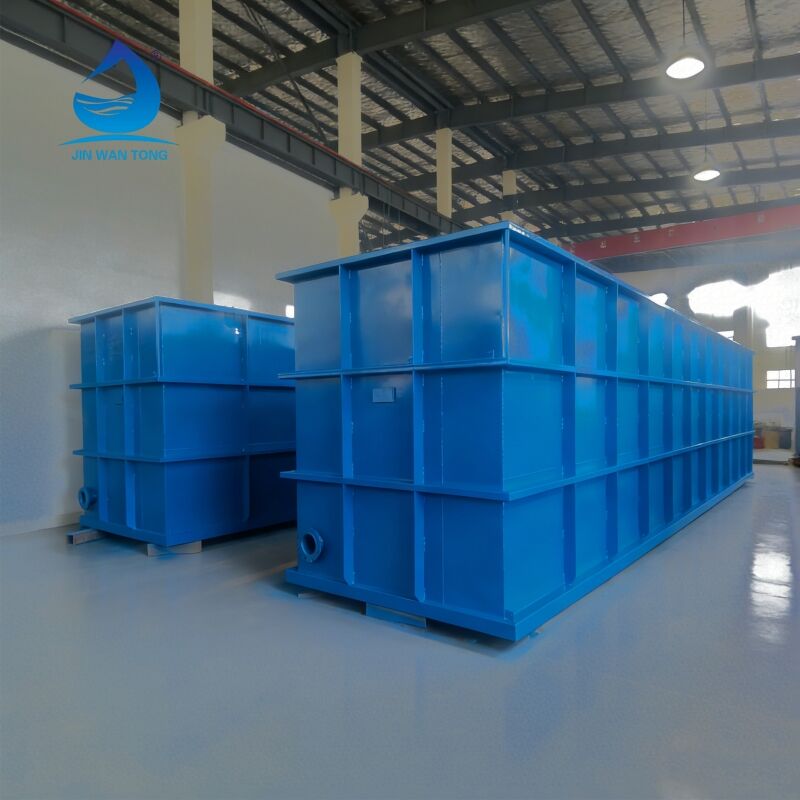
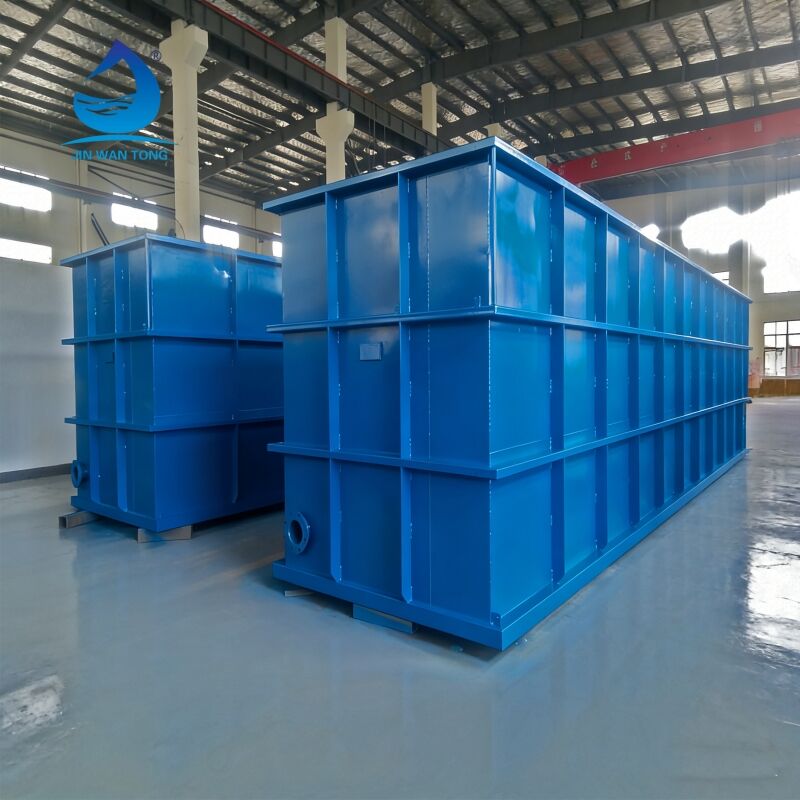
Dissolved air flotation wastewater treatment represents a highly effective physical-chemical separation process that removes suspended solids, oils, greases, and other contaminants from industrial and municipal wastewater streams. This advanced technology operates by dissolving air under pressure in a portion of the clarified effluent, then releasing this pressurized water into the flotation tank at atmospheric pressure. The sudden pressure reduction causes microscopic air bubbles to form, which attach to suspended particles and contaminants, creating a buoyant mass that rises to the surface for easy removal. The dissolved air flotation wastewater treatment system consists of several key components including a pressurization tank, air compressor, recycle pump, flotation chamber, and surface skimming mechanism. The main functions encompass primary clarification, sludge thickening, and tertiary treatment applications. Technologically, this process features precise control over air-to-solids ratios, hydraulic loading rates, and retention times, ensuring optimal performance across varying influent conditions. The system operates continuously with minimal operator intervention, making it suitable for facilities requiring consistent treatment performance. Applications span numerous industries including petrochemical processing, food and beverage manufacturing, pulp and paper production, municipal water treatment plants, and industrial pretreatment facilities. The dissolved air flotation wastewater treatment technology excels particularly in removing low-density particles that conventional sedimentation cannot effectively capture. Its compact design requires significantly less space compared to traditional clarification methods, while delivering superior effluent quality. The process handles flow variations efficiently and adapts to changing waste characteristics through adjustable operational parameters. Modern dissolved air flotation wastewater treatment systems incorporate automated controls, remote monitoring capabilities, and energy-efficient components, making them ideal for contemporary environmental compliance requirements and sustainability goals in wastewater management applications.
 EN
EN