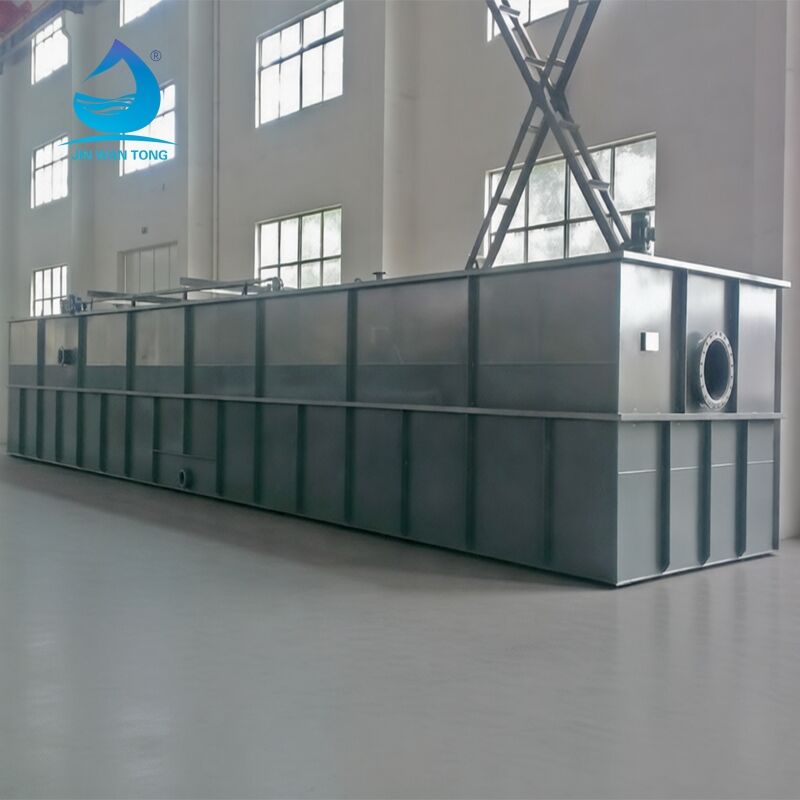
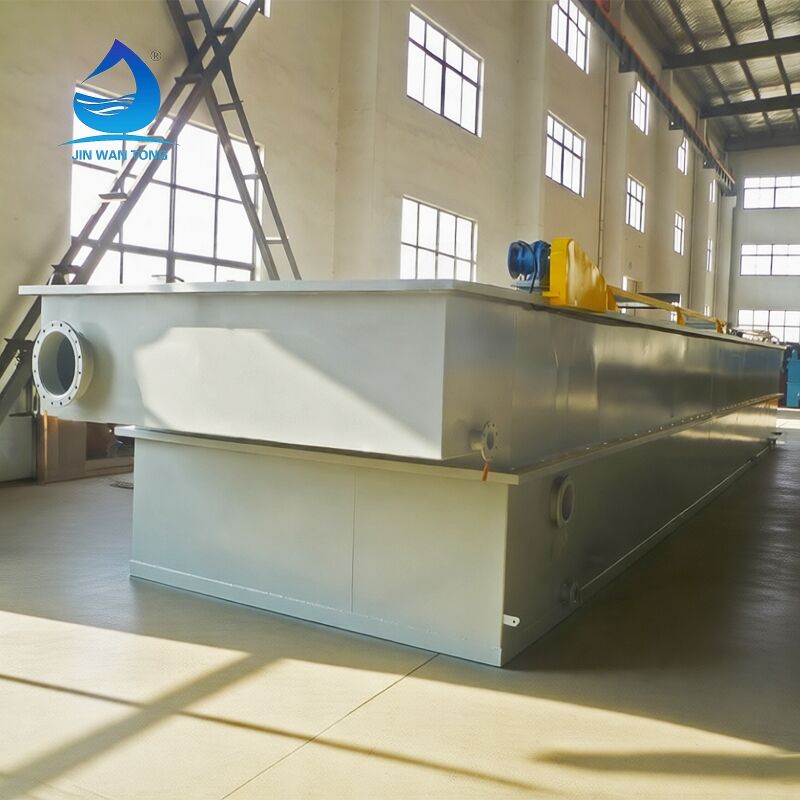
dissolved air flotation unit
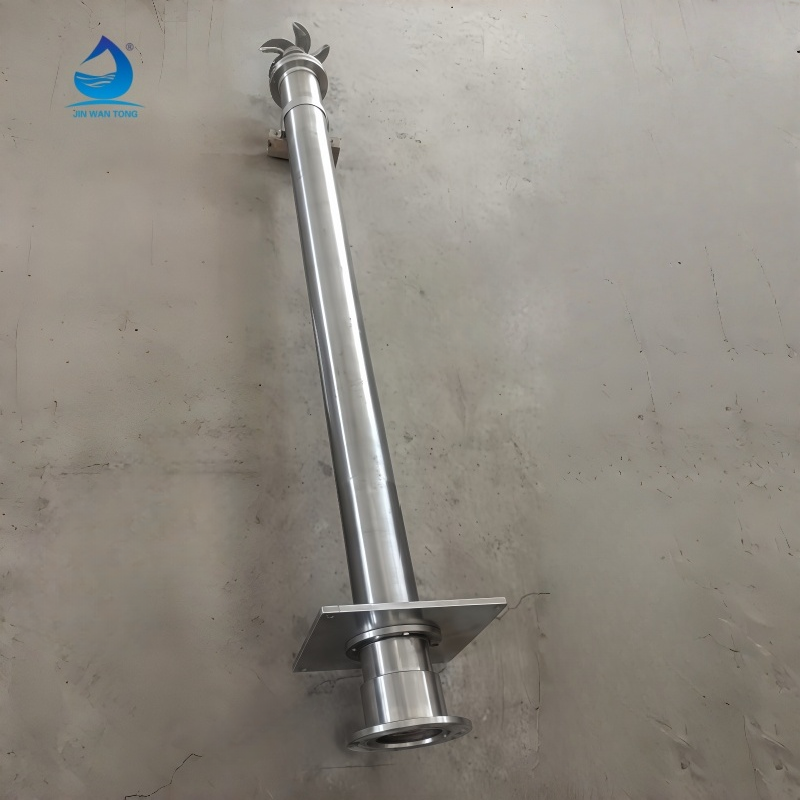
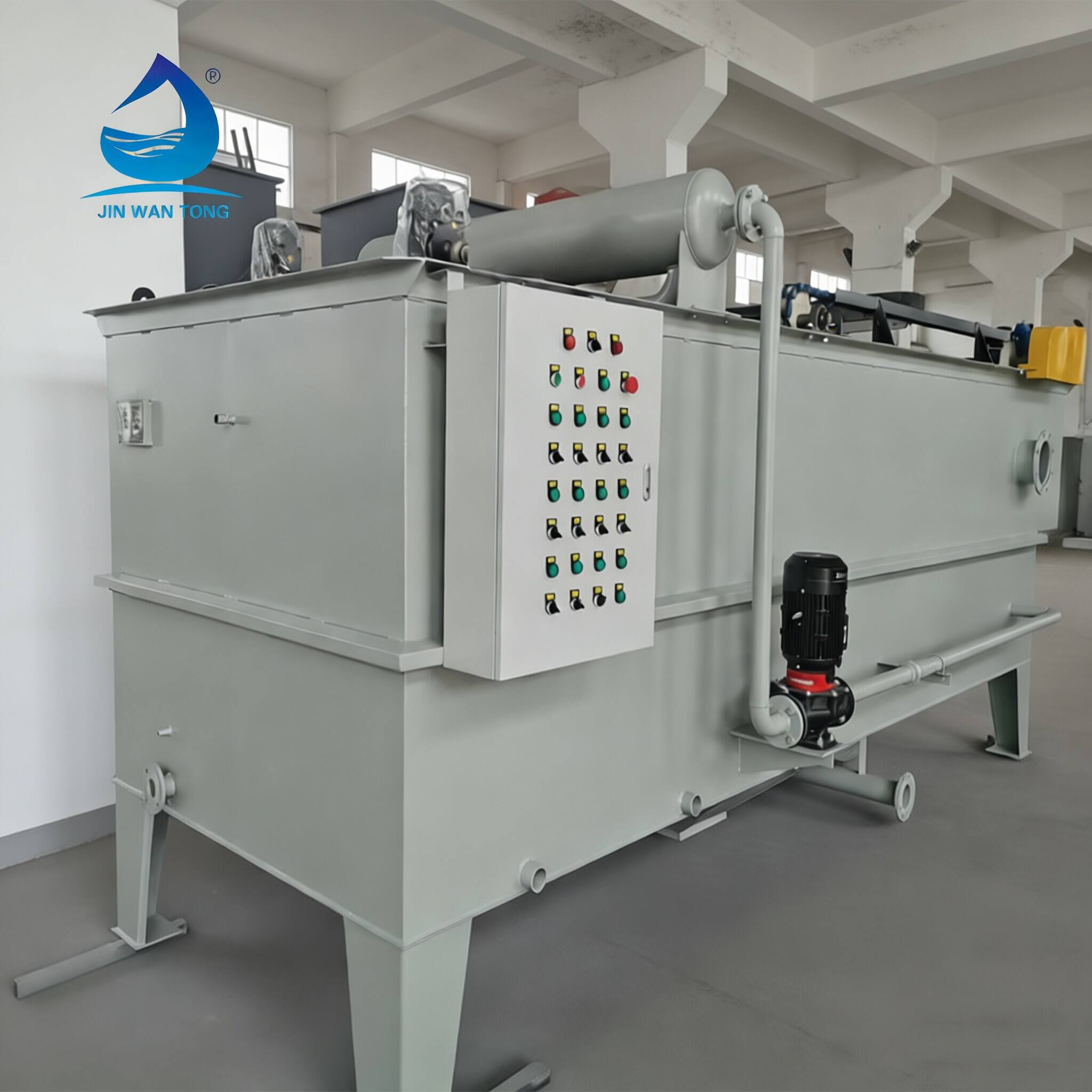
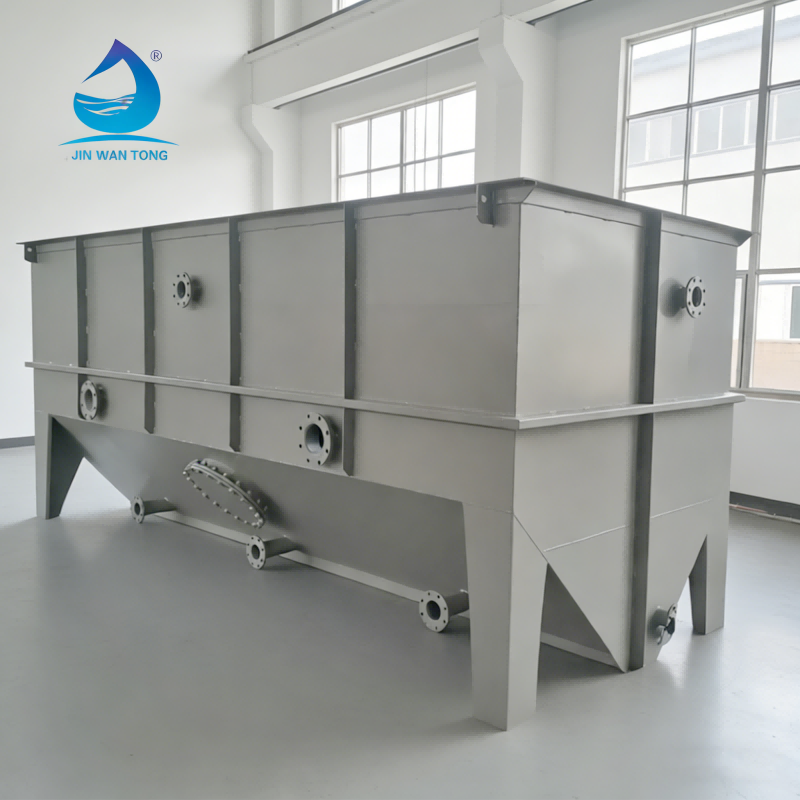
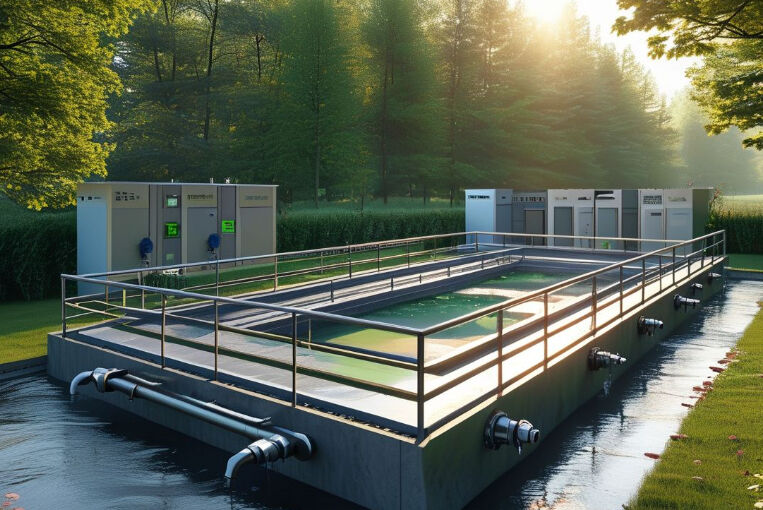
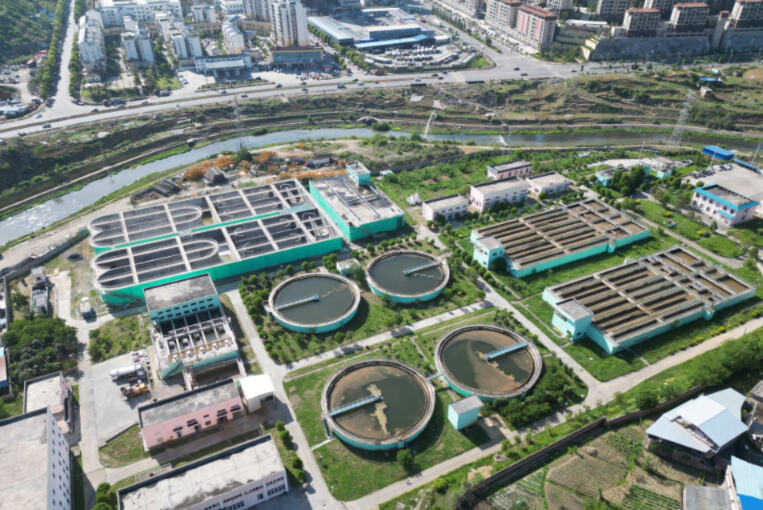
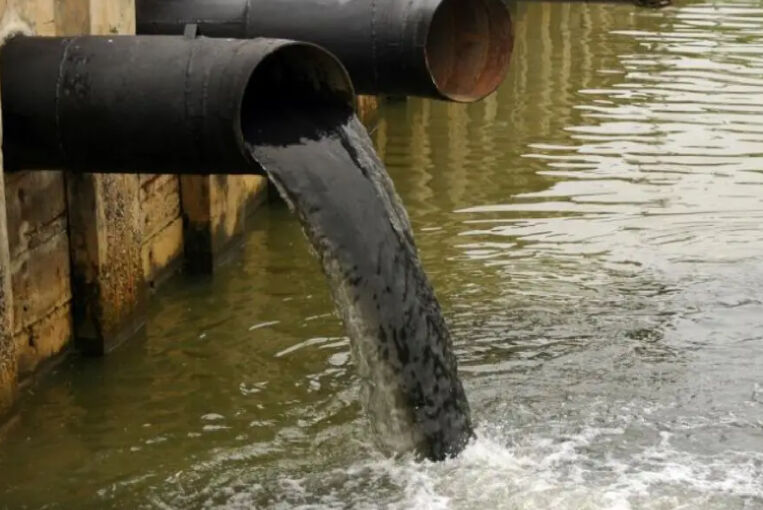
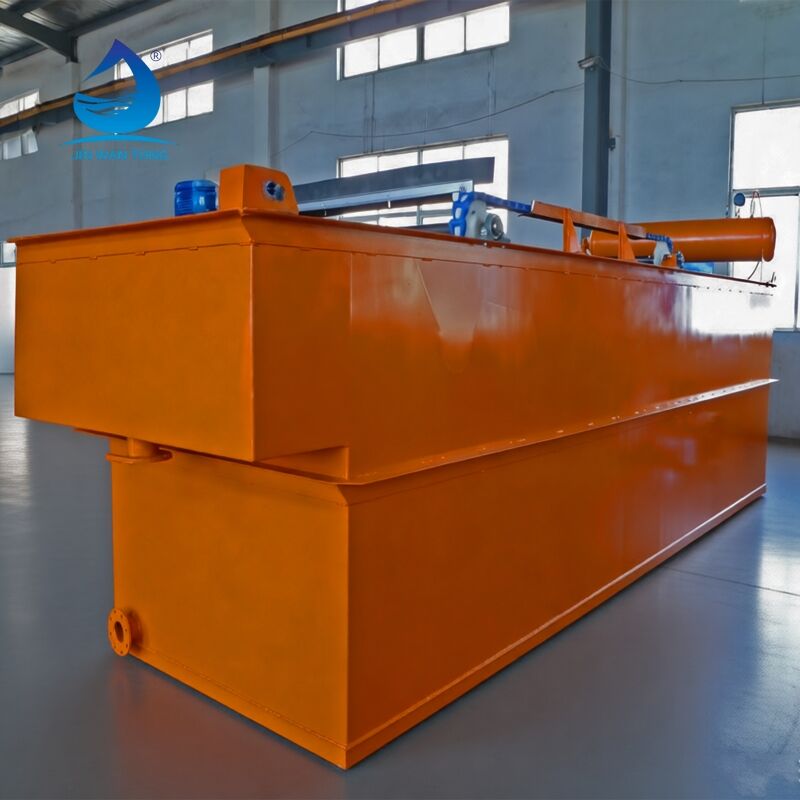
The dissolved air flotation unit represents a sophisticated water treatment technology that efficiently removes suspended solids, oils, greases, and other contaminants from industrial and municipal wastewater. This advanced system operates on the principle of dissolved air flotation, where microscopic air bubbles attach to particles and contaminants, causing them to rise to the surface for easy removal. The dissolved air flotation unit consists of several key components including a pressurization tank, air compressor, recycle pump, flotation tank, and surface skimming mechanism. The process begins when water is pressurized with air in a saturation tank, creating a supersaturated solution. When this pressurized water is released into the flotation chamber, it forms countless tiny bubbles that adhere to suspended particles through physical and chemical attraction. These bubble-particle complexes become buoyant and float to the surface, forming a concentrated sludge layer that can be mechanically removed. The dissolved air flotation unit excels in treating various waste streams including industrial process water, oily wastewater, paper mill effluents, food processing discharge, and municipal sewage. Its technological features include automated controls for optimal air-to-solids ratios, variable speed drives for precise flow control, and integrated chemical dosing systems for enhanced particle coagulation. The unit's compact design allows for easy installation in existing treatment facilities while maintaining high processing capacities. Modern dissolved air flotation units incorporate advanced sensors and monitoring systems that continuously track water quality parameters, ensuring consistent performance and regulatory compliance. The technology proves particularly effective for removing particles with specific gravities close to water, making it superior to conventional sedimentation methods for certain applications.

 EN
EN