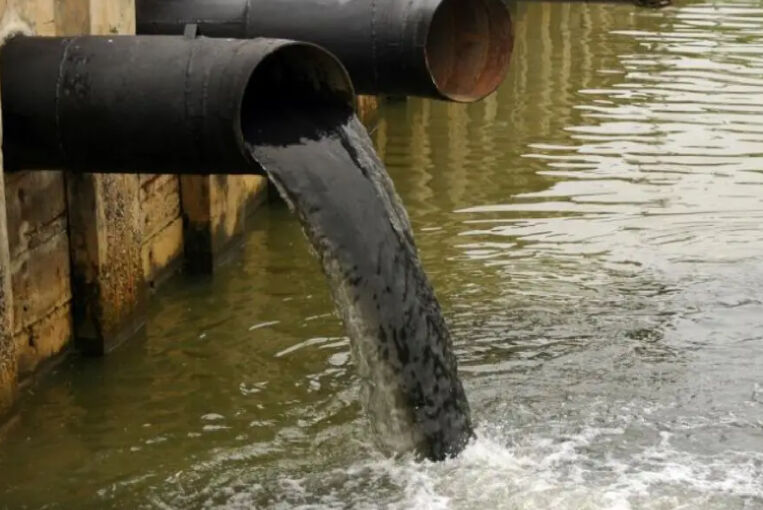
Dissolved Air Flotation Water Treatment Systems: Advanced Technology for Superior Contaminant Removal

All Categories

Get a Free Quote

Our representative will contact you soon.
Email
Name
Company Name
Message
0/1000

dissolved air flotation in water treatment

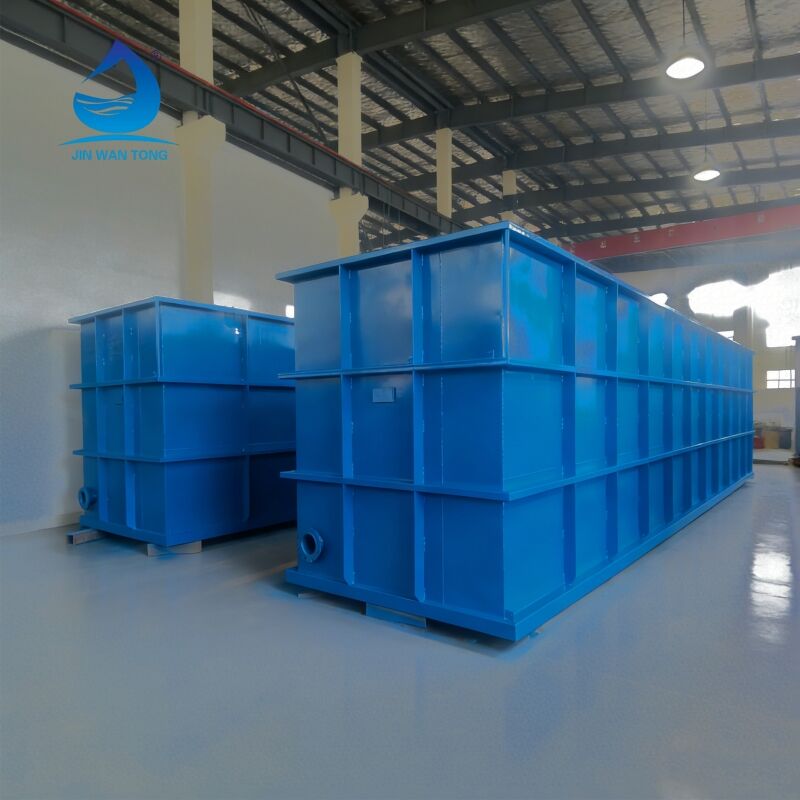
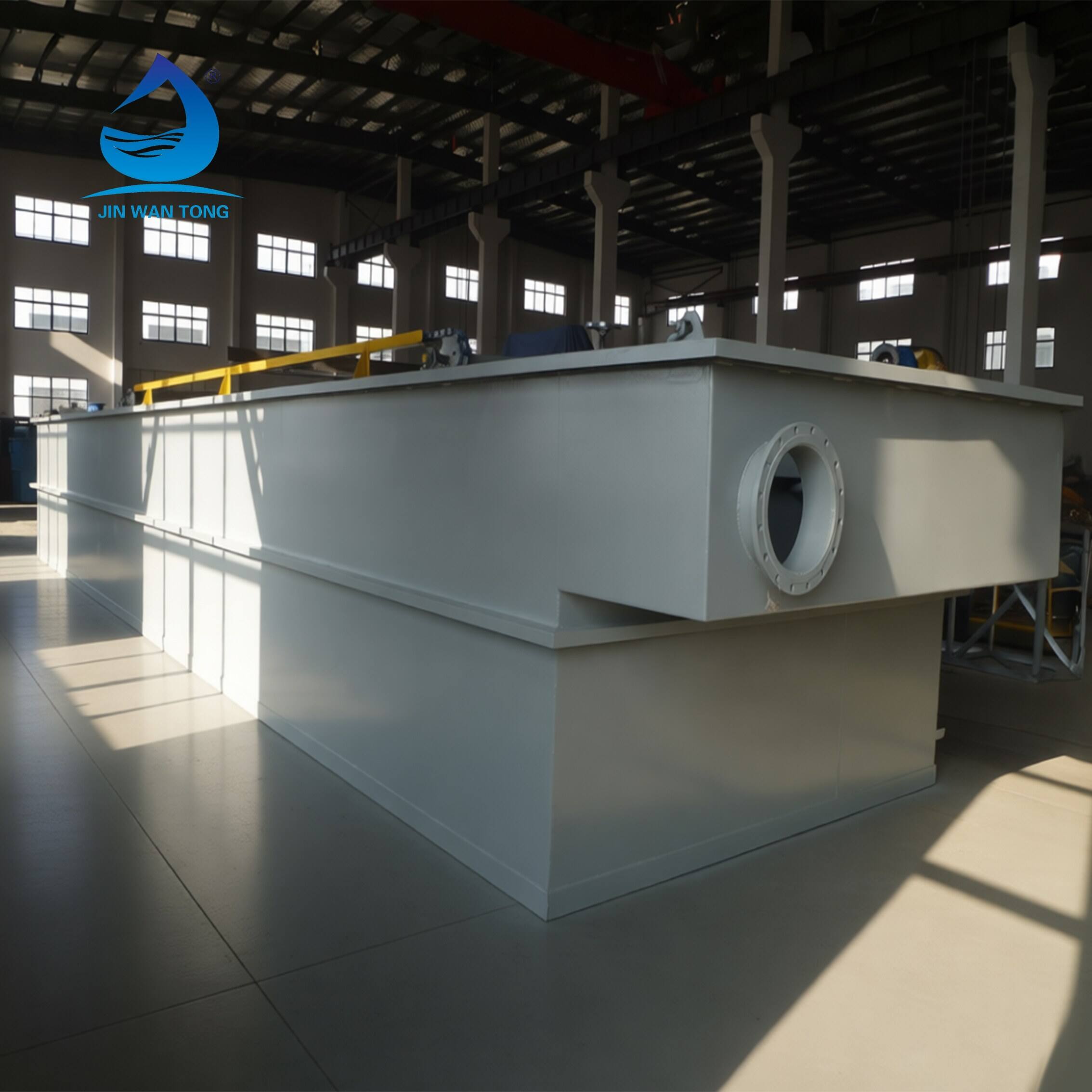
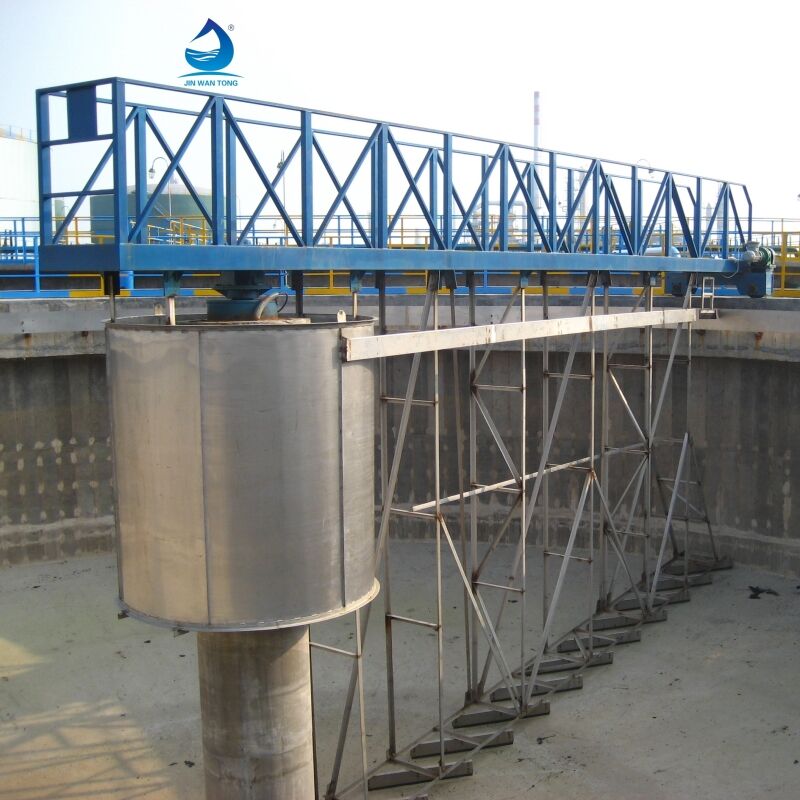
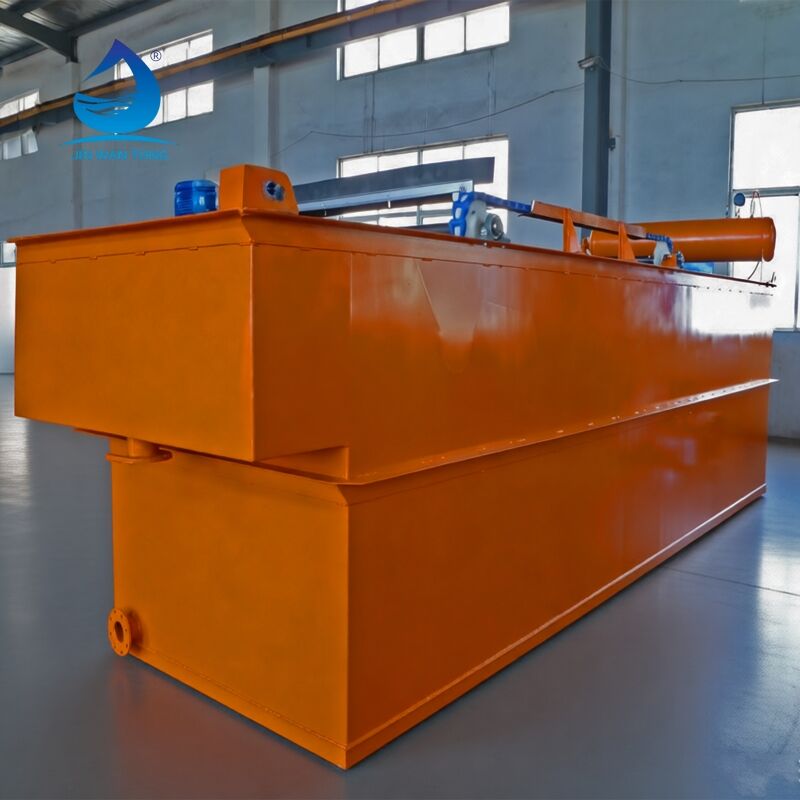
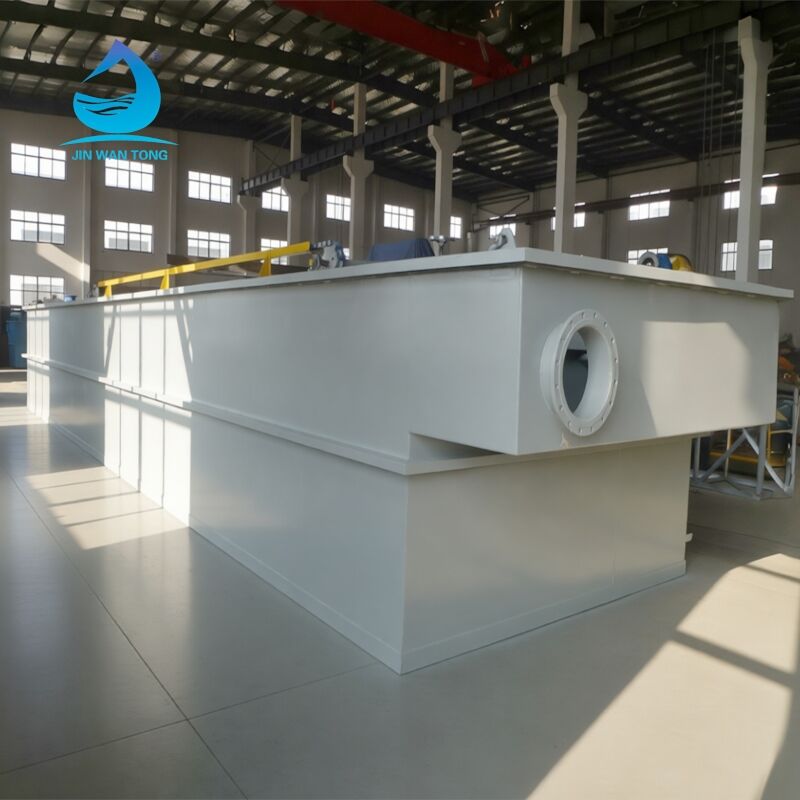
Dissolved air flotation in water treatment represents a crucial separation technology that effectively removes suspended solids, oils, greases, and various contaminants from wastewater and drinking water. This innovative process operates by dissolving air under pressure in a portion of the treated water, creating a supersaturated solution. When this pressurized water is released into the flotation tank at atmospheric pressure, microscopic air bubbles form and attach to contaminant particles, causing them to float to the surface for easy removal. The dissolved air flotation in water treatment system consists of several key components including a pressure vessel, air compressor, recycle pump, flotation tank, and surface skimming equipment. The main functions encompass primary clarification, thickening of biological sludge, and polishing of secondary effluent. Technological features include precise control of air-to-solids ratio, adjustable detention times, and automated surface removal systems. The process achieves remarkable removal efficiencies, typically eliminating 85-95% of suspended solids and 90-99% of oil and grease. Applications span across municipal water treatment facilities, industrial wastewater treatment, food processing plants, petrochemical facilities, and paper manufacturing operations. The dissolved air flotation in water treatment technology proves particularly effective for treating low-density particles that settle poorly in conventional sedimentation tanks. Modern systems incorporate advanced automation controls, enabling operators to optimize performance parameters such as pressure levels, recycle ratios, and chemical dosing rates. This technology offers superior performance compared to traditional settling methods when dealing with algae-laden water, emulsified oils, and fine suspended particles. The compact design of dissolved air flotation in water treatment systems makes them ideal for facilities with limited space constraints while maintaining high treatment efficiency standards.
New Products

The dissolved air flotation in water treatment offers numerous practical benefits that make it an exceptional choice for facilities seeking reliable and efficient water treatment solutions. First, this technology delivers outstanding removal efficiency rates, consistently achieving 90-99% removal of oil and grease while eliminating 85-95% of suspended solids from wastewater streams. These impressive performance metrics translate directly into cleaner effluent discharge and compliance with stringent environmental regulations. The dissolved air flotation in water treatment system operates with remarkable speed, requiring significantly shorter detention times compared to conventional settling processes. While traditional sedimentation may require several hours, flotation systems complete the separation process within 10-20 minutes, dramatically increasing treatment capacity and reducing overall facility footprint requirements. This rapid processing capability enables facilities to handle higher flow rates without expanding their treatment infrastructure. Energy efficiency represents another compelling advantage of dissolved air flotation in water treatment systems. The technology consumes minimal energy for air compression and pumping operations, resulting in lower operational costs compared to alternative treatment methods. Additionally, the recovered materials from the flotation process often possess higher solid content, reducing disposal volumes and associated hauling costs. The versatility of dissolved air flotation in water treatment makes it suitable for treating diverse waste streams, from municipal sewage to industrial process water containing oils, greases, suspended solids, and other contaminants. This adaptability eliminates the need for multiple treatment technologies, simplifying operations and reducing maintenance requirements. The technology excels in handling variable influent conditions, maintaining consistent performance despite fluctuations in contaminant concentrations or flow rates. Operators appreciate the user-friendly nature of dissolved air flotation in water treatment systems, which feature automated controls and require minimal manual intervention. The technology produces less odor compared to biological treatment processes, making it suitable for installations near populated areas. Furthermore, the clarified water quality consistently meets or exceeds discharge standards, reducing the risk of regulatory violations and associated penalties. The dissolved air flotation in water treatment process generates concentrated sludge that dewaters easily, minimizing disposal costs and environmental impact. This concentrated waste stream can often be processed further for resource recovery or beneficial reuse applications.

Practical Tips

Overview of the Agricultural Wastewater Treatment Market

17

Dec

Overview of the Agricultural Wastewater Treatment Market

View More
Global Real-Time Wastewater Treatment Update

17

Dec

Global Real-Time Wastewater Treatment Update

View More
Navigating the Waters: The Role of an Industrial Wastewater Treatment Plant

17

Dec

Navigating the Waters: The Role of an Industrial Wastewater Treatment Plant

View More

Get a Free Quote

Our representative will contact you soon.
Email
Name
Company Name
Message
0/1000

dissolved air flotation in water treatment

Superior Contaminant Removal Performance

Superior Contaminant Removal Performance

The dissolved air flotation in water treatment technology stands out for its exceptional ability to remove a wide range of contaminants with unmatched efficiency and consistency. This advanced separation process achieves remarkable removal rates that consistently exceed those of conventional treatment methods, making it the preferred choice for facilities demanding high-quality effluent standards. The system excels particularly in removing suspended solids, achieving 85-95% removal efficiency even for fine particles that prove challenging for traditional sedimentation processes. Oil and grease removal capabilities reach an impressive 90-99% efficiency, making dissolved air flotation in water treatment ideal for industrial applications where hydrocarbon contamination presents significant challenges. The technology's effectiveness extends to removing algae, biological solids, and various organic compounds that can impact water quality and treatment plant performance. The secret behind this superior performance lies in the precise control of microscopic bubble formation and attachment mechanisms. When pressurized water containing dissolved air is released into the flotation tank, countless tiny bubbles form and selectively attach to contaminant particles based on surface characteristics and density differentials. This selective attachment process ensures that target contaminants rise to the surface while clean water remains below, creating a clear separation interface that facilitates efficient removal. The dissolved air flotation in water treatment system maintains consistent performance across varying influent conditions, adapting automatically to changes in contaminant concentrations, particle sizes, and flow rates. This reliability proves crucial for facilities operating under strict discharge permits where consistent compliance is non-negotiable. The technology's ability to handle shock loads and sudden changes in water quality makes it particularly valuable for industrial applications where process upsets can dramatically alter wastewater characteristics. Advanced process controls monitor key parameters continuously, adjusting air dissolution rates, chemical addition, and hydraulic loading to optimize removal efficiency under all operating conditions.
Compact Design with Maximum Space Efficiency

Compact Design with Maximum Space Efficiency

The dissolved air flotation in water treatment technology offers an exceptional space-efficient design that maximizes treatment capacity while minimizing facility footprint requirements. This compact configuration proves particularly valuable for urban installations, industrial facilities with limited available land, and retrofit applications where space constraints pose significant challenges. Traditional settling tanks require extensive surface areas and lengthy detention times to achieve adequate separation, often demanding several acres for large-scale applications. In contrast, dissolved air flotation in water treatment systems achieve superior results in significantly smaller vessels, typically requiring only 25-40% of the footprint needed for conventional clarification processes. This space efficiency translates into substantial capital cost savings for new installations and makes previously impossible retrofit projects feasible within existing facility boundaries. The vertical orientation of the flotation process allows for multi-level installations, further maximizing treatment capacity within limited horizontal space. Modern dissolved air flotation in water treatment systems incorporate innovative design features such as circular or rectangular tanks with optimized flow patterns that minimize hydraulic short-circuiting while maintaining uniform bubble distribution throughout the treatment zone. The compact design extends beyond the flotation tank itself to encompass the entire treatment train, including smaller pumping stations, reduced piping requirements, and consolidated control systems. This integration results in lower construction costs, simplified installation procedures, and reduced ongoing maintenance requirements. The modular nature of dissolved air flotation in water treatment systems enables facilities to implement phased construction approaches, starting with smaller capacity units and expanding as treatment demands increase. This scalability proves particularly beneficial for growing communities or expanding industrial operations that need to match treatment capacity with development patterns. The compact design also facilitates easier access for maintenance activities, with strategically positioned walkways, platforms, and equipment access points that ensure safe and efficient operation. Automated systems can be housed in smaller control buildings, reducing overall facility infrastructure requirements while maintaining comprehensive process monitoring and control capabilities.
Cost-Effective Operation with Rapid Return on Investment

Cost-Effective Operation with Rapid Return on Investment

The dissolved air flotation in water treatment technology delivers outstanding economic value through reduced operational costs, minimal maintenance requirements, and rapid processing capabilities that maximize treatment plant efficiency. This cost-effectiveness becomes apparent immediately upon system startup and continues throughout the equipment's extended operational life. Energy consumption represents a primary advantage, as dissolved air flotation in water treatment systems require significantly less power compared to alternative treatment technologies. The air compression and pumping requirements consume modest amounts of electricity, while the elimination of lengthy aeration periods and mechanical mixing reduces overall energy demands substantially. Many facilities report 30-50% reductions in energy costs when transitioning from conventional treatment methods to dissolved air flotation in water treatment systems. The rapid processing capabilities contribute directly to operational savings by enabling higher throughput rates without proportional increases in labor costs or facility overhead expenses. Treatment cycles measuring 10-20 minutes compared to several hours for traditional settling processes mean that dissolved air flotation in water treatment systems can handle significantly more volume within the same operational period. This increased capacity often eliminates the need for additional treatment trains or facility expansions, representing substantial capital cost avoidance. Maintenance requirements remain minimal due to the robust design and reduced mechanical complexity of dissolved air flotation in water treatment systems. Fewer moving parts translate into lower wear rates, reduced spare parts inventory, and decreased maintenance labor requirements. The automated nature of modern systems further reduces operational labor needs while improving process consistency and reliability. Sludge handling costs decrease significantly due to the concentrated nature of floated solids, which typically contain 4-6% solids compared to 1-2% for conventional settling processes. This higher solids concentration reduces transportation costs, disposal fees, and dewatering requirements, creating ongoing operational savings that compound over time. The dissolved air flotation in water treatment process generates cleaner effluent that often eliminates the need for additional polishing steps, reducing chemical consumption and associated treatment costs. Many facilities achieve complete regulatory compliance with dissolved air flotation as the primary treatment technology, avoiding expensive tertiary treatment additions. Return on investment calculations consistently demonstrate payback periods of 2-4 years for dissolved air flotation in water treatment installations, making them attractive capital investments that deliver long-term economic benefits while ensuring environmental compliance and operational reliability.
Dissolved Air Flotation Water Treatment Systems: Advanced Technology for Superior Contaminant Removal

Get a Free Quote

Our representative will contact you soon.
Email
Name
Company Name
Message
0/1000