dissolved air flotation equipment
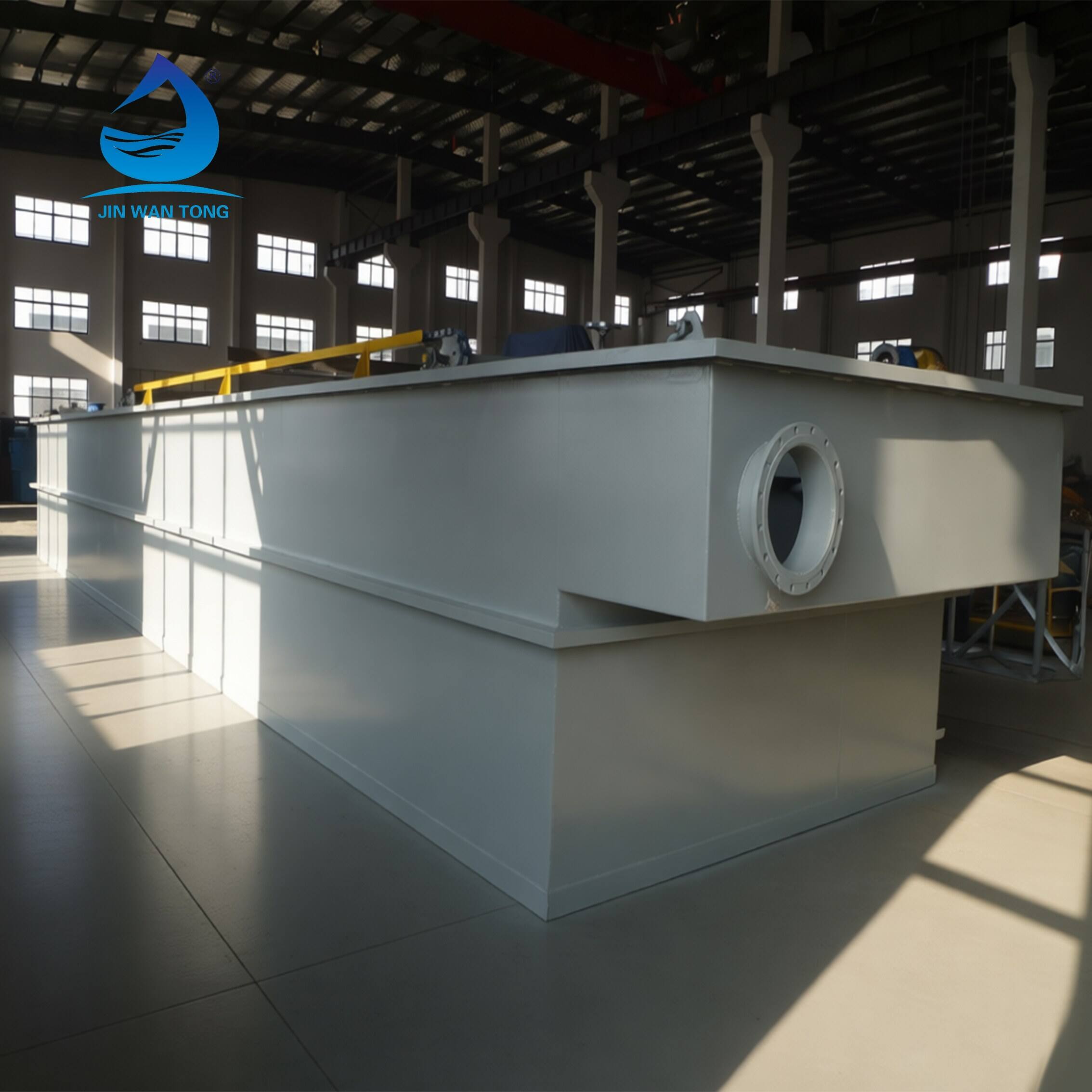
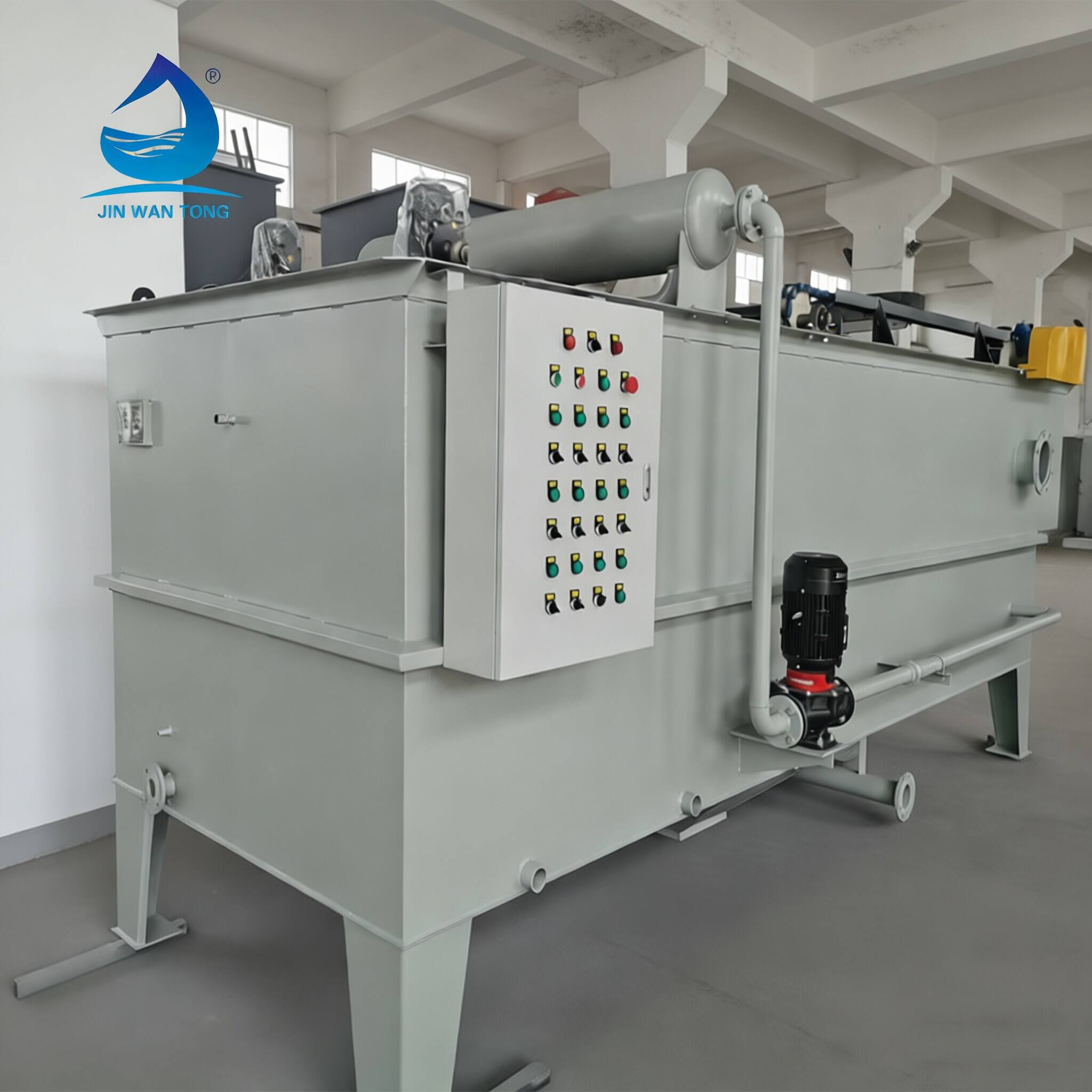
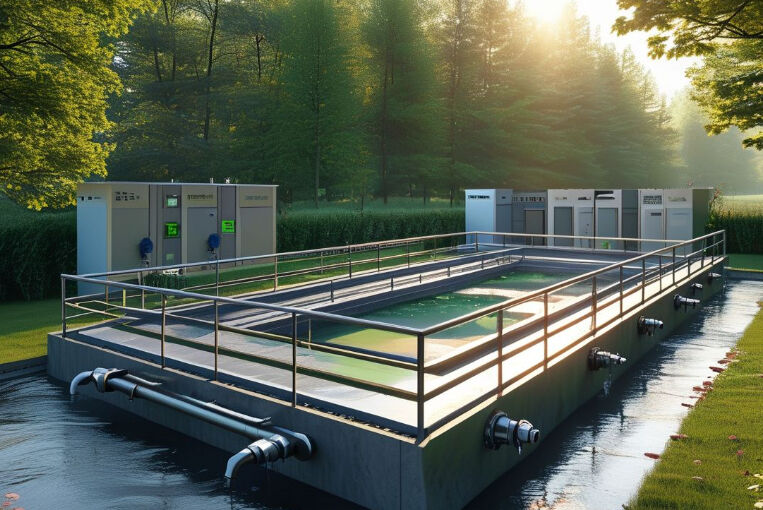
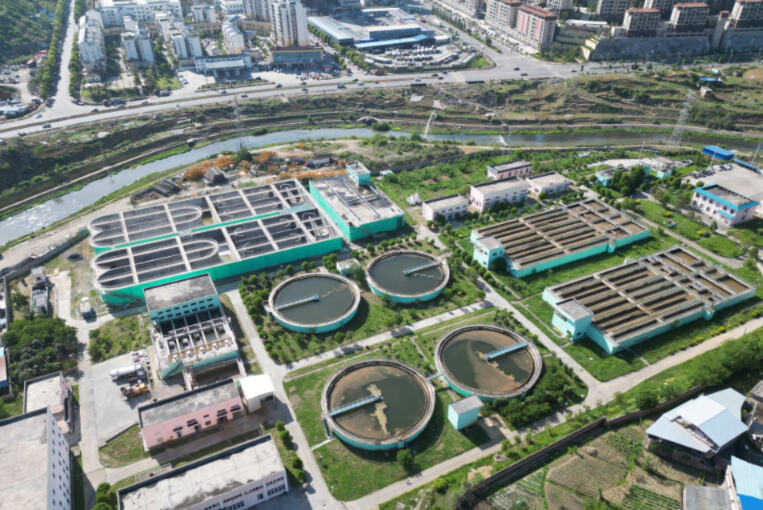
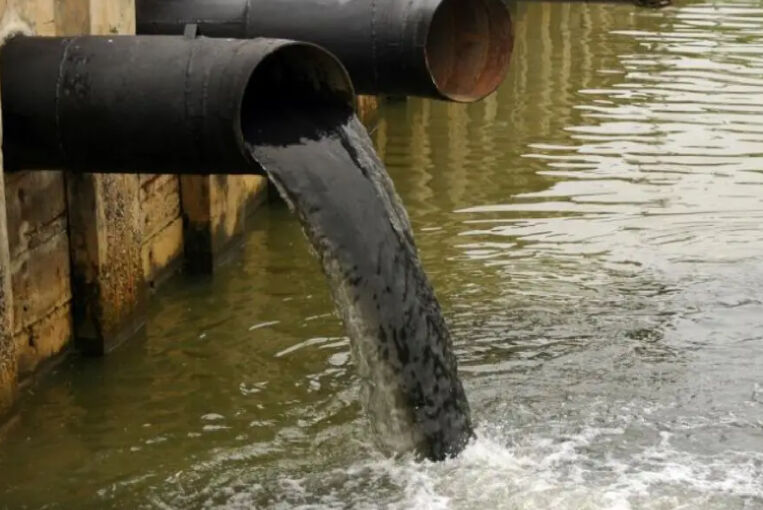
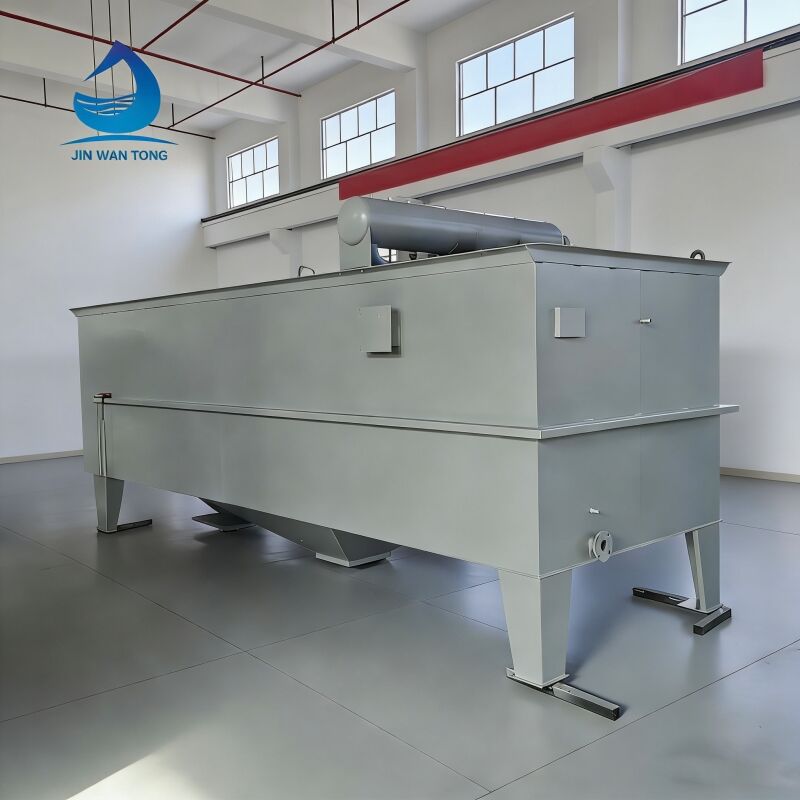
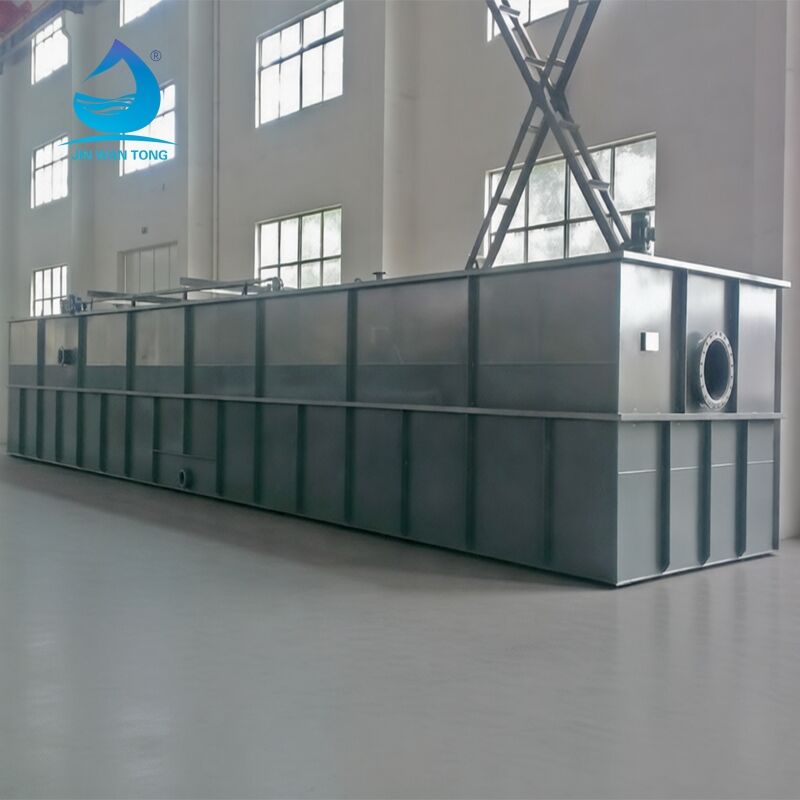
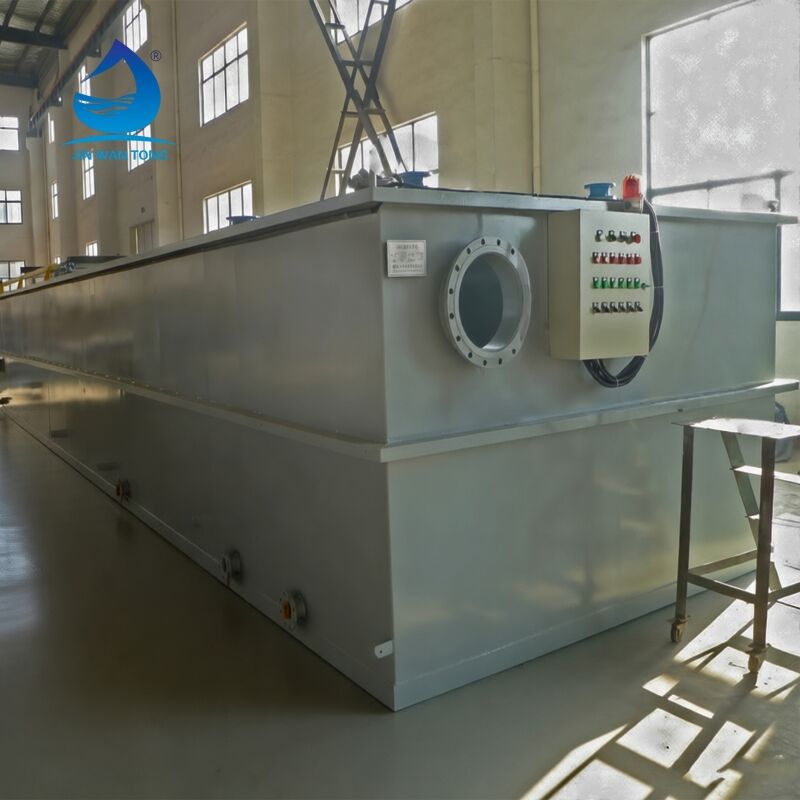
Dissolved air flotation equipment represents a sophisticated water treatment technology that efficiently removes suspended solids, oils, greases, and other contaminants from various wastewater streams. This advanced system operates on the principle of introducing microscopic air bubbles into contaminated water, which attach to particles and cause them to float to the surface for easy removal. The dissolved air flotation equipment consists of several key components including a saturation tank, flotation chamber, skimming mechanism, and sludge removal system. The main function of dissolved air flotation equipment centers on clarifying water by creating optimal conditions for particle separation. The technological framework involves pressurizing water with air in the saturation tank, then releasing this air-saturated water into the flotation chamber where pressure reduction creates countless tiny bubbles. These bubbles, typically measuring 10 to 100 microns in diameter, demonstrate exceptional efficiency in attaching to suspended particles, forming larger aggregates that rise rapidly to the surface. Modern dissolved air flotation equipment incorporates automated control systems that monitor and adjust operational parameters such as air-to-solids ratio, detention time, and chemical dosing rates. The applications of dissolved air flotation equipment span numerous industries including municipal wastewater treatment, food processing, petrochemical refining, paper manufacturing, and industrial cleaning operations. In municipal settings, dissolved air flotation equipment effectively removes algae, suspended solids, and organic matter from drinking water sources. Industrial facilities utilize this technology to treat process water, recover valuable materials, and meet stringent discharge requirements. The versatility of dissolved air flotation equipment makes it particularly valuable for treating low-density particles that traditional sedimentation methods struggle to handle effectively, ensuring consistent water quality improvements across diverse operational environments.
 EN
EN