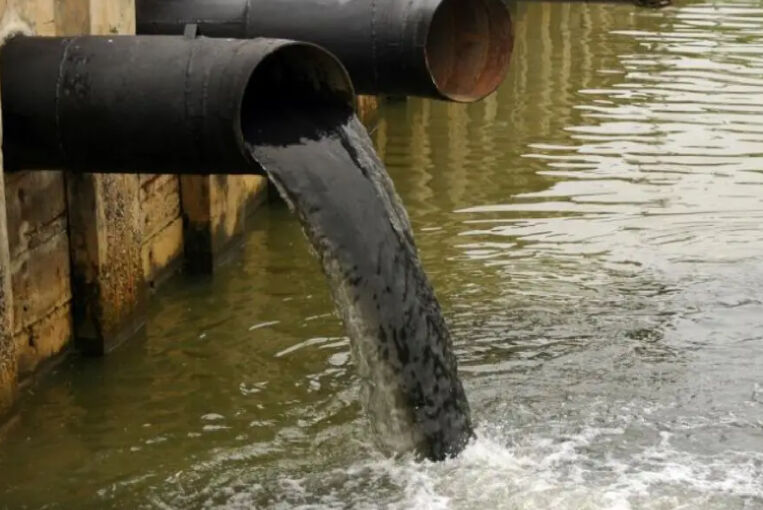
MBBR Sewage Treatment Plant: Advanced Wastewater Solutions for Efficient Treatment

All Categories

Get a Free Quote

Our representative will contact you soon.
Email
Name
Company Name
Message
0/1000

mbbr sewage treatment plant

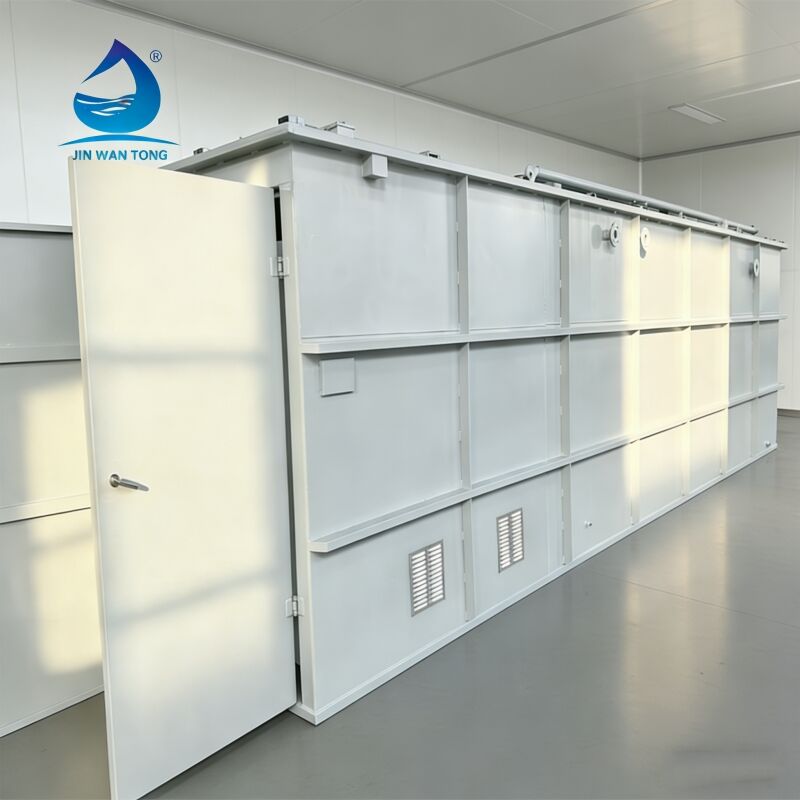
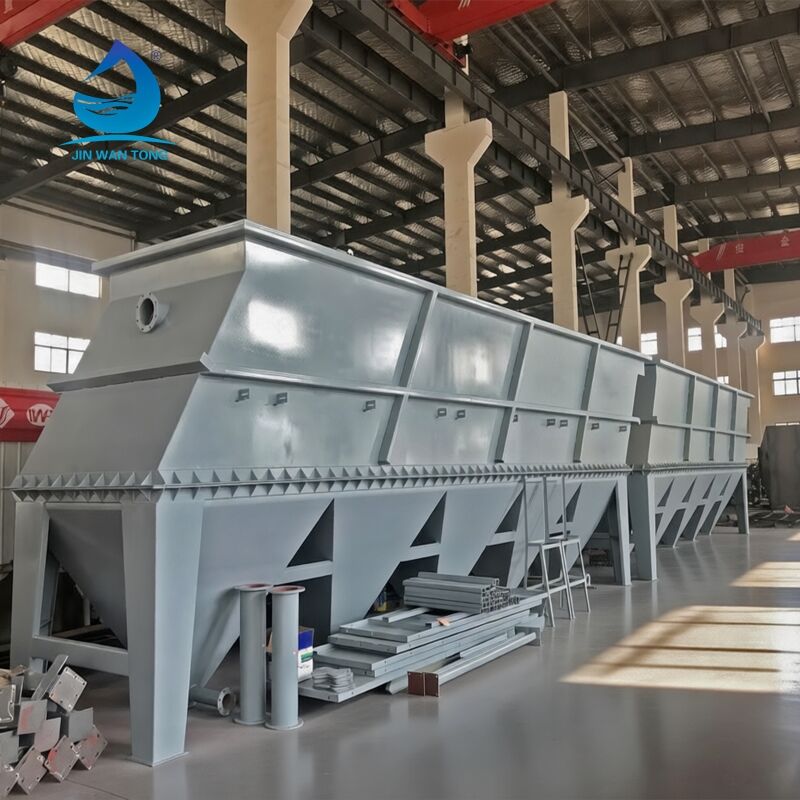
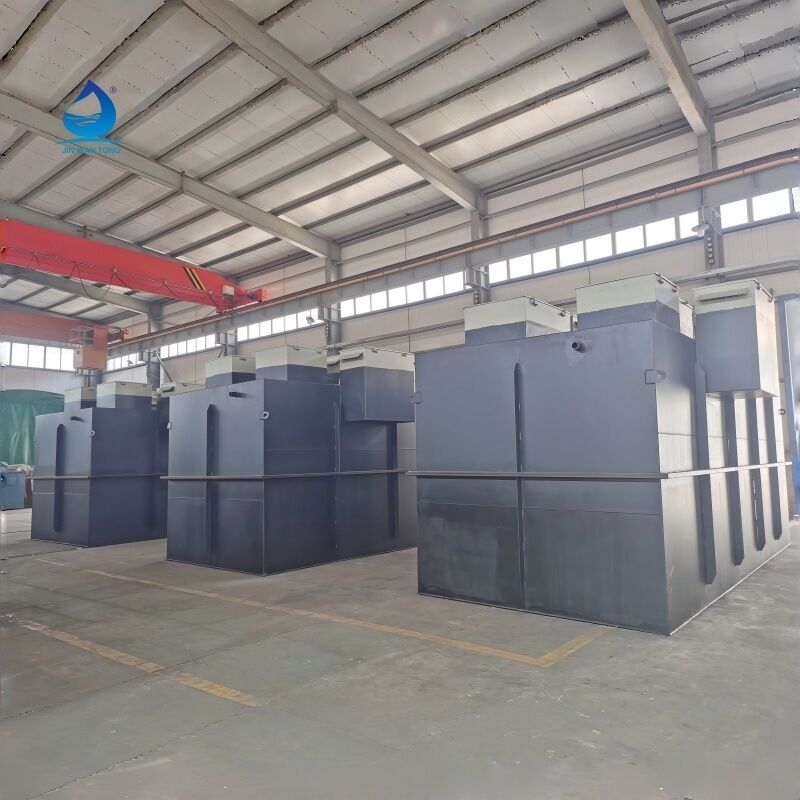
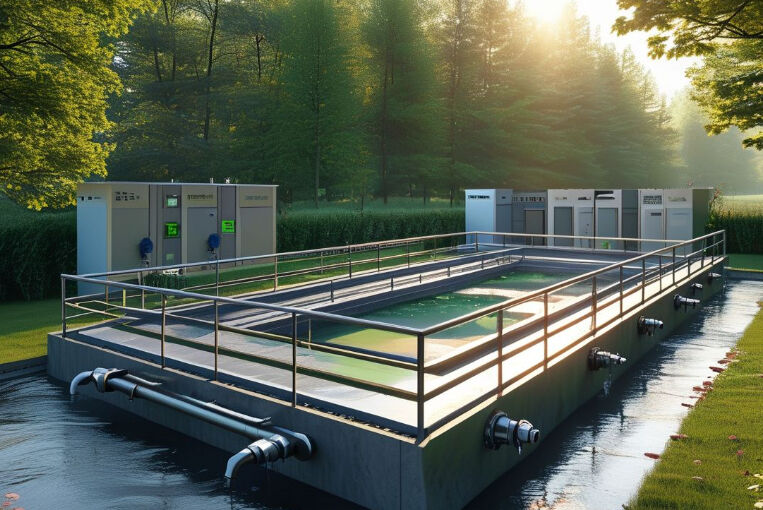
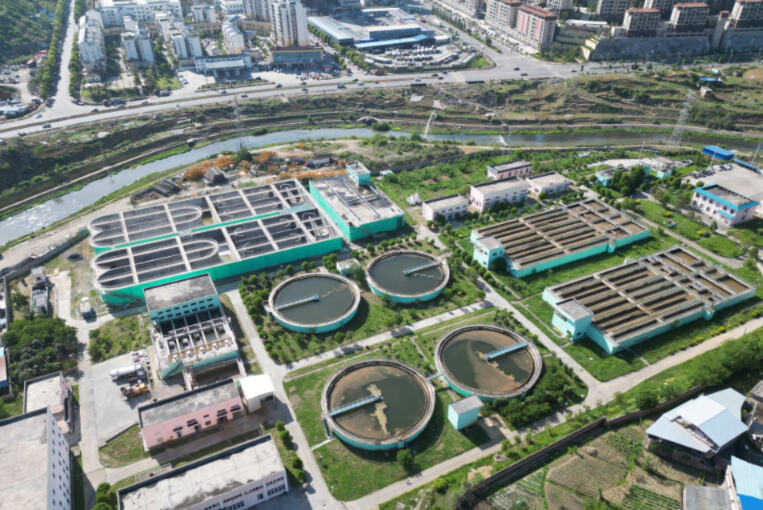
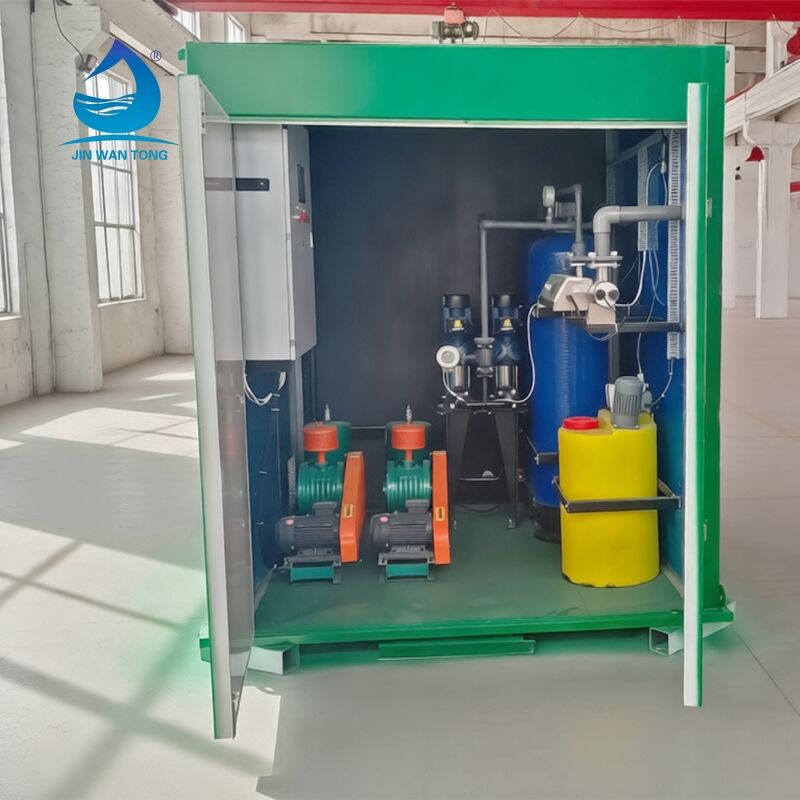
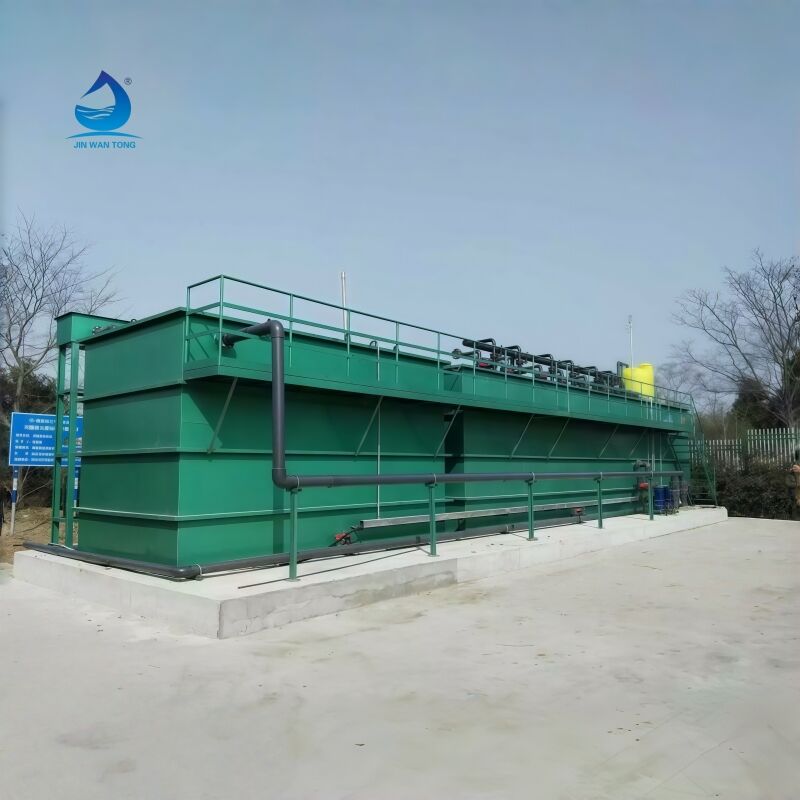
The MBBR sewage treatment plant represents a revolutionary approach to wastewater management, combining biological treatment principles with innovative media technology. Moving Bed Biofilm Reactor technology utilizes specially designed plastic carriers that provide surface area for beneficial microorganisms to attach and grow. These carriers move freely within the reactor tank, creating a dynamic biological environment that efficiently removes contaminants from wastewater. The MBBR sewage treatment plant operates through a continuous process where wastewater enters the reactor chamber containing thousands of small plastic media elements. These biofilm carriers host diverse microbial communities that break down organic pollutants, nitrogen compounds, and phosphorus. The constant movement of carriers ensures optimal contact between microorganisms and wastewater, maximizing treatment efficiency. Aeration systems supply oxygen to support aerobic biological processes, while the media provides protected spaces for anaerobic activity. This dual-zone environment enables comprehensive nutrient removal and organic matter degradation. The MBBR sewage treatment plant features modular design capabilities, allowing facilities to expand treatment capacity by adding reactor stages or increasing media volume. Advanced control systems monitor dissolved oxygen levels, pH, and nutrient concentrations to optimize performance automatically. These plants handle various wastewater types including municipal sewage, industrial effluent, and combined storm water systems. Applications range from small community facilities processing 10,000 gallons daily to large metropolitan installations treating millions of gallons. The technology proves particularly effective for facilities requiring nitrogen removal, phosphorus reduction, or enhanced biological oxygen demand elimination. Retrofit applications allow existing treatment plants to upgrade performance without complete reconstruction, making MBBR sewage treatment plants cost-effective solutions for aging infrastructure modernization.
Popular Products

The MBBR sewage treatment plant delivers exceptional performance benefits that directly impact operational costs and environmental compliance. Unlike traditional activated sludge systems, this technology requires minimal maintenance because the biofilm carriers self-regulate biological activity without manual intervention. Operators save significant time and labor costs since the system automatically adjusts to varying influent loads and seasonal fluctuations. Energy consumption remains consistently lower compared to conventional treatment methods because the efficient biological processes require less aeration and pumping power. The compact footprint design means facilities need less land area, reducing property costs and enabling installation in urban environments where space is premium. Treatment efficiency stays remarkably stable even during peak flow periods or sudden organic loading increases, ensuring consistent effluent quality that meets stringent discharge regulations. The MBBR sewage treatment plant produces less excess sludge than alternative technologies, cutting disposal costs and reducing environmental impact from waste management. Start-up times are exceptionally fast, with new installations reaching full biological capacity within weeks rather than months required by other systems. The technology handles shock loads effectively without system upset, maintaining treatment performance during industrial discharge events or storm water surges. Operational flexibility allows facilities to modify treatment objectives by adjusting aeration patterns or media concentrations without major infrastructure changes. The MBBR sewage treatment plant requires no chemical additions for normal operation, eliminating ongoing reagent costs and simplifying process management. Equipment durability extends service life because mechanical components experience less stress than high-maintenance alternatives like membrane bioreactors or rotating biological contactors. The system operates effectively in extreme temperatures, maintaining biological activity during winter conditions that compromise other treatment technologies. Skilled operator requirements are minimal since the robust biological processes forgive operational errors that would severely impact conventional activated sludge plants.

Latest News

Overview of the Agricultural Wastewater Treatment Market

17

Dec

Overview of the Agricultural Wastewater Treatment Market

View More
Global Real-Time Wastewater Treatment Update

17

Dec

Global Real-Time Wastewater Treatment Update

View More
Navigating the Waters: The Role of an Industrial Wastewater Treatment Plant

17

Dec

Navigating the Waters: The Role of an Industrial Wastewater Treatment Plant

View More

Get a Free Quote

Our representative will contact you soon.
Email
Name
Company Name
Message
0/1000

mbbr sewage treatment plant

Superior Biological Treatment Capacity

Superior Biological Treatment Capacity

The MBBR sewage treatment plant achieves remarkable biological treatment performance through its innovative biofilm carrier technology that maximizes microbial activity within a compact reactor volume. Each plastic carrier element provides extensive surface area where beneficial bacteria, fungi, and other microorganisms establish stable biofilm communities. These biological films create highly efficient ecosystems that rapidly process organic pollutants, converting complex waste compounds into harmless end products. The three-dimensional biofilm structure enables different microbial species to occupy specific niches, with aerobic organisms thriving on outer surfaces while anaerobic bacteria work in deeper layers. This stratified biological environment simultaneously removes carbonaceous biochemical oxygen demand, nitrifies ammonia to nitrates, and denitrifies nitrogen compounds back to harmless nitrogen gas. The MBBR sewage treatment plant maintains exceptionally high biomass concentrations within the reactor because microorganisms attach securely to carrier surfaces rather than remaining suspended in mixed liquor. This attached growth system prevents biomass washout during high flow conditions and enables shorter hydraulic retention times without compromising treatment quality. The technology achieves over 95 percent BOD removal efficiency and can reduce total nitrogen levels by 80 percent or more, depending on configuration and operational parameters. Phosphorus removal occurs through both biological uptake and chemical precipitation processes within the biofilm matrix. The carrier movement ensures continuous biofilm renewal as older biological material sloughs off and fresh microbial growth replaces it, maintaining optimal biological activity throughout the system lifecycle. Temperature variations, pH fluctuations, and toxic shock loads have minimal impact on treatment performance because the protected biofilm environment shields microorganisms from adverse conditions that would severely damage suspended growth systems.
Cost-Effective Operation and Maintenance

Cost-Effective Operation and Maintenance

The MBBR sewage treatment plant delivers substantial economic advantages through reduced operational expenses and simplified maintenance requirements that significantly lower total cost of ownership over the system lifecycle. Energy consumption stays consistently below conventional activated sludge plants because the efficient biological processes require less intensive aeration to maintain adequate dissolved oxygen levels throughout the reactor volume. The moving bed design creates natural mixing action that reduces pumping requirements while the high-density biofilm eliminates energy-intensive return activated sludge pumping systems. Maintenance costs decrease dramatically since the system contains no complex mechanical equipment like rotating biological contactors, membrane modules, or clarifier mechanisms that require frequent servicing and component replacement. The plastic carriers demonstrate exceptional durability with service lives exceeding 15 years under normal operating conditions, and replacement costs remain minimal compared to membrane or media replacement in alternative technologies. Labor requirements are substantially reduced because the MBBR sewage treatment plant operates with minimal operator intervention, allowing existing staff to manage multiple treatment processes simultaneously. The system's inherent stability means operators spend less time troubleshooting process upsets, adjusting chemical feeds, or managing sludge handling equipment that frequently malfunctions in conventional plants. Sludge production rates are typically 30-50 percent lower than activated sludge systems, reducing dewatering equipment operating costs, disposal fees, and transportation expenses associated with biosolids management. The technology requires no chemical additives for biological nutrient removal, eliminating ongoing reagent costs for methanol, alum, or polymer feeds commonly needed in competing treatment processes. Retrofit installations often utilize existing tankage and infrastructure, minimizing capital investment while achieving superior treatment performance compared to original design capabilities.
Flexible Design and Scalability Options

Flexible Design and Scalability Options

The MBBR sewage treatment plant offers unparalleled design flexibility and scalability that adapts to changing treatment requirements, population growth, and regulatory standards without requiring complete system reconstruction. Modular reactor configuration allows facilities to start with basic treatment capacity and expand incrementally by adding reactor stages, increasing media volume, or incorporating specialized process zones for enhanced nutrient removal. The technology integrates seamlessly with existing treatment infrastructure, enabling facilities to upgrade performance while maintaining continuous operation throughout construction phases. Design engineers can customize reactor geometry, media selection, and aeration patterns to optimize treatment for specific wastewater characteristics, whether treating high-strength industrial waste, combined sewer overflows, or temperature-sensitive applications. The MBBR sewage treatment plant accommodates dramatic flow variations without performance degradation, making it ideal for communities experiencing seasonal population fluctuations or industrial facilities with variable discharge patterns. Process intensification capabilities allow existing plants to double or triple treatment capacity within the same footprint by converting conventional activated sludge tanks to MBBR configuration with appropriate media loading and aeration modifications. The system supports advanced treatment objectives including stringent nitrogen limits, phosphorus removal, or emerging contaminant reduction through specialized media selection and multi-stage reactor arrangements. Operational flexibility enables facilities to switch between different treatment modes depending on seasonal requirements, regulatory changes, or wastewater characteristic variations without major equipment modifications. The technology scales efficiently from small package plants treating 5,000 gallons per day to major municipal facilities processing over 100 million gallons daily, maintaining consistent performance across all capacity ranges. Future expansion planning becomes simplified because additional treatment capacity requires only additional reactor volume and media rather than complex equipment installations or major infrastructure modifications that characterize alternative treatment technologies.
MBBR Sewage Treatment Plant: Advanced Wastewater Solutions for Efficient Treatment

Get a Free Quote

Our representative will contact you soon.
Email
Name
Company Name
Message
0/1000