MBBR Technology Sewage Treatment Plant - Advanced Wastewater Solutions

All Categories

Get a Free Quote

Our representative will contact you soon.
Email
Name
Company Name
Message
0/1000

mbbr technology sewage treatment plant

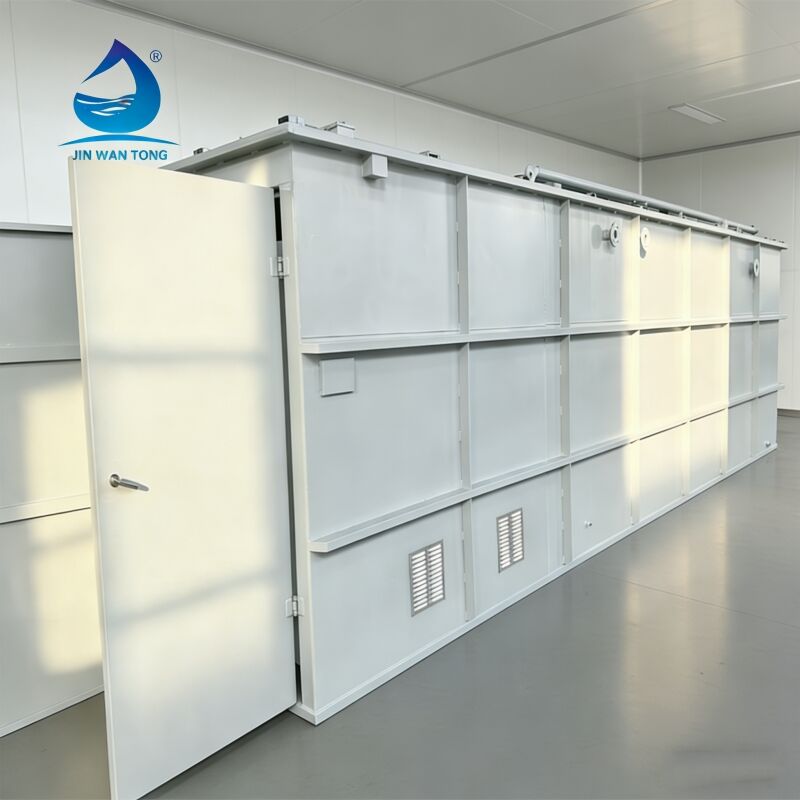
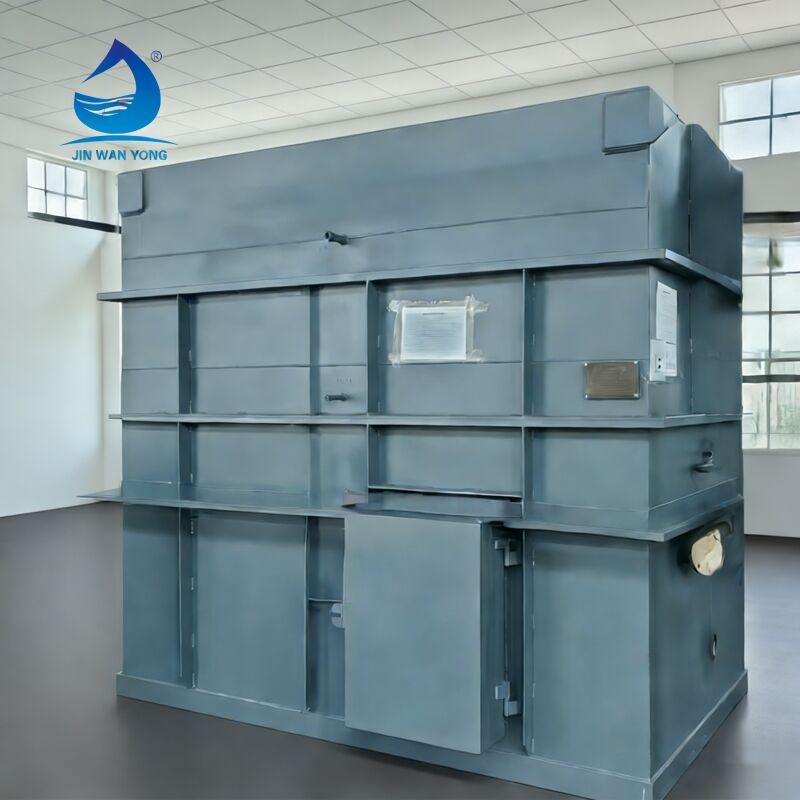
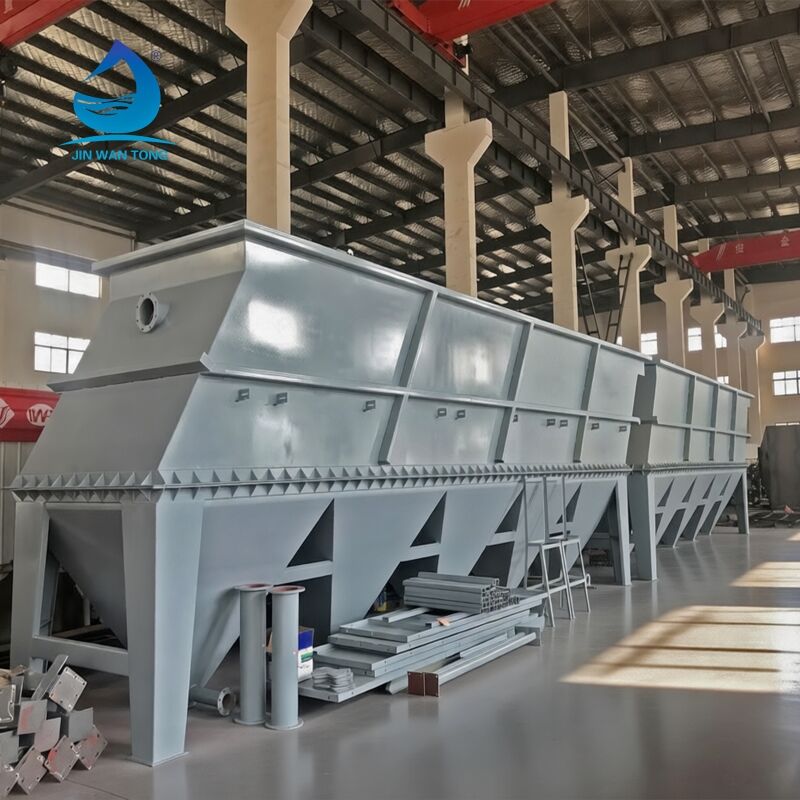
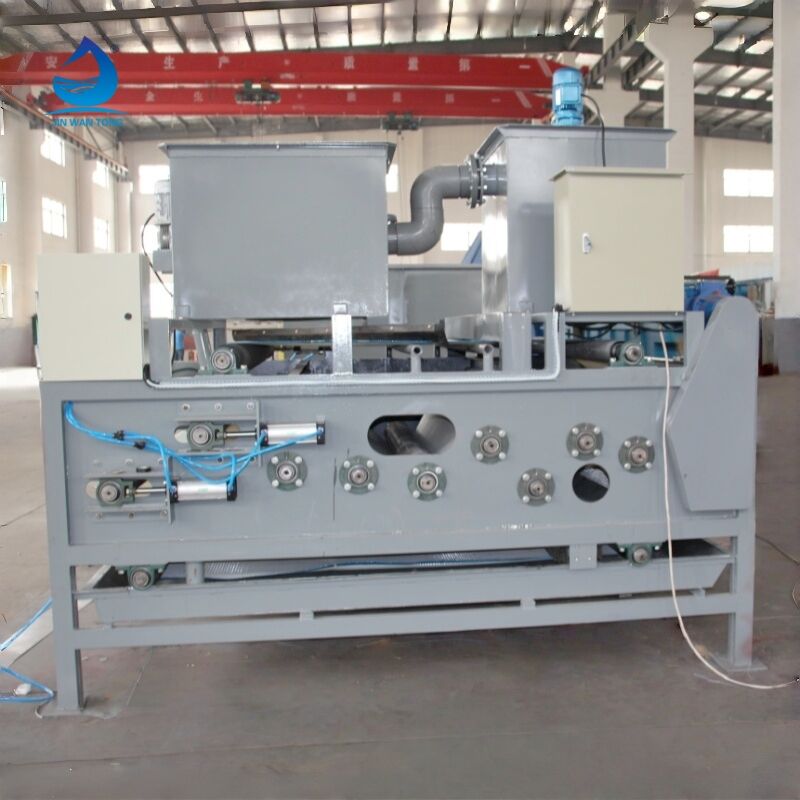
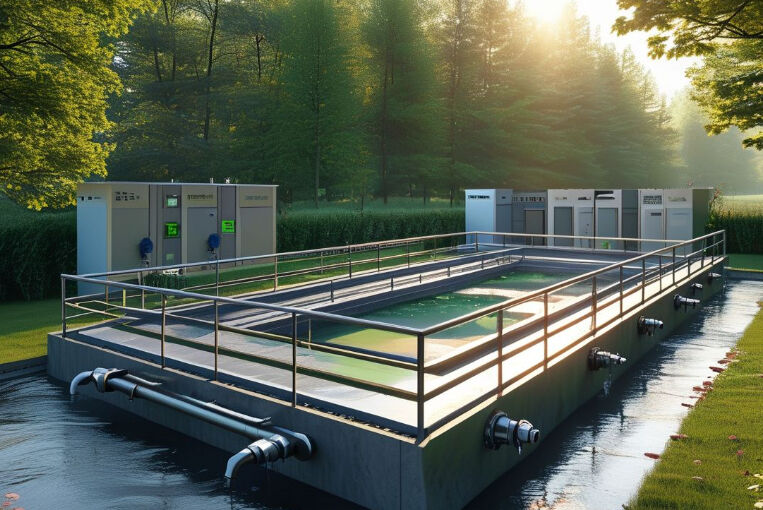
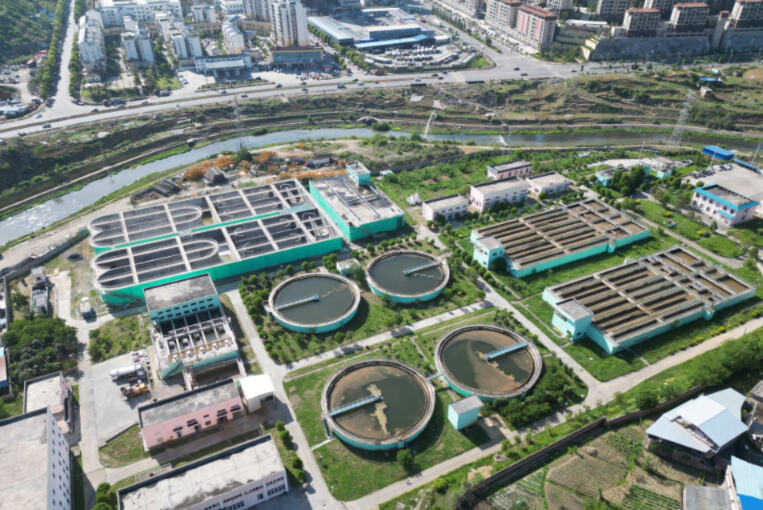
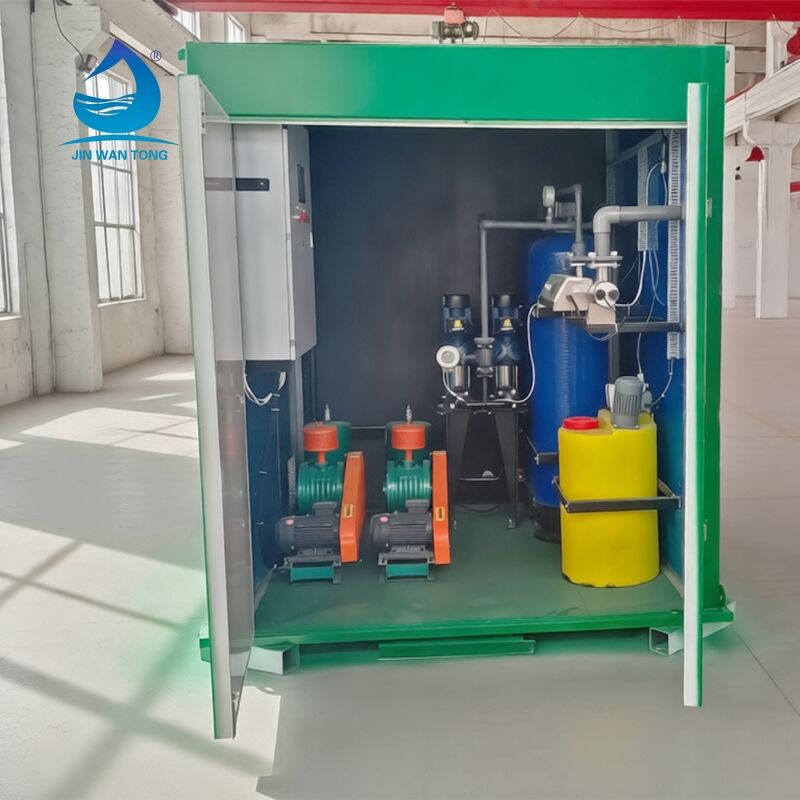
The MBBR technology sewage treatment plant represents a revolutionary approach to wastewater management that combines biological treatment processes with innovative carrier media systems. Moving Bed Biofilm Reactor technology utilizes specially designed plastic carriers that provide surface area for beneficial microorganisms to grow and thrive. These carriers move freely within the reactor tanks, creating optimal conditions for biological treatment processes. The main functions of an MBBR technology sewage treatment plant include removing organic pollutants, nitrogen compounds, and suspended solids from wastewater streams. The system operates through aerobic and anoxic zones where different biological processes occur simultaneously. Primary treatment removes large debris and settles heavy particles, while secondary biological treatment employs the MBBR process to break down organic matter and nutrients. The technological features of MBBR systems include high-density polyethylene carriers with specific gravity close to water, allowing continuous movement and mixing. These carriers feature internal and external surfaces that maximize biofilm growth area. Advanced aeration systems provide controlled oxygen levels throughout different treatment zones. Automated control systems monitor pH levels, dissolved oxygen, and nutrient concentrations. The compact design requires significantly less space compared to conventional activated sludge systems. MBBR technology sewage treatment plants find applications in municipal wastewater treatment, industrial effluent processing, and decentralized treatment systems. They effectively handle varying flow rates and loading conditions, making them suitable for communities, hotels, hospitals, and manufacturing facilities. The technology excels in treating high-strength wastewater and can be integrated into existing treatment infrastructure. Retrofit applications allow upgrading older facilities without major structural modifications. The modular design enables phased construction and future expansion capabilities.
New Product Releases

The MBBR technology sewage treatment plant delivers exceptional performance advantages that translate into significant benefits for facility operators and communities. Superior treatment efficiency stands as the primary advantage, with removal rates exceeding 95 percent for biochemical oxygen demand and suspended solids. This high efficiency ensures consistent compliance with environmental regulations and discharge standards. Operational stability represents another crucial benefit, as the biofilm carriers maintain active microbial populations even during periods of reduced loading or temporary shutdowns. This resilience eliminates the lengthy startup periods associated with conventional systems. Space efficiency provides tremendous value, especially in urban environments where land costs are premium. MBBR systems require up to 50 percent less footprint compared to traditional activated sludge plants while maintaining equivalent treatment capacity. Lower energy consumption reduces operating costs significantly through optimized aeration requirements and elimination of sludge recirculation systems. The carriers create natural mixing action that reduces mechanical mixing energy needs. Minimal sludge production decreases disposal costs and environmental impact. The attached growth process generates less excess biomass, reducing sludge handling requirements by up to 30 percent. Simplified operation and maintenance procedures reduce staffing requirements and specialized training needs. Automated control systems minimize manual intervention while providing real-time monitoring capabilities. Equipment durability ensures long-term reliability with minimal replacement parts needed. The plastic carriers last over 15 years under normal operating conditions. Flexible design accommodates seasonal flow variations and future capacity expansions without major modifications. Process upgrades can be implemented gradually by adjusting carrier quantities or adding treatment stages. Cost-effectiveness combines lower capital investment with reduced operational expenses. Construction timelines are shorter due to standardized components and simplified installation procedures. The technology handles shock loads effectively, maintaining treatment quality during peak demand periods or industrial discharge events. Environmental benefits include reduced chemical usage, lower carbon footprint, and minimal noise generation. These advantages position MBBR technology as the optimal solution for modern wastewater treatment challenges.

Practical Tips

Overview of the Agricultural Wastewater Treatment Market

17

Dec

Overview of the Agricultural Wastewater Treatment Market

View More
Global Real-Time Wastewater Treatment Update

17

Dec

Global Real-Time Wastewater Treatment Update

View More
Navigating the Waters: The Role of an Industrial Wastewater Treatment Plant

17

Dec

Navigating the Waters: The Role of an Industrial Wastewater Treatment Plant

View More

Get a Free Quote

Our representative will contact you soon.
Email
Name
Company Name
Message
0/1000

mbbr technology sewage treatment plant

Advanced Biofilm Carrier Technology Maximizes Treatment Efficiency

Advanced Biofilm Carrier Technology Maximizes Treatment Efficiency

The cornerstone of MBBR technology sewage treatment plant success lies in its innovative biofilm carrier system that revolutionizes biological wastewater treatment processes. These specially engineered carriers consist of high-density polyethylene material designed with precise specific gravity that allows them to remain suspended throughout the reactor volume. Each carrier features a unique geometric design with internal and external surfaces that provide maximum surface area for biofilm development. The carriers measure approximately 10-15 millimeters in diameter and contain multiple internal chambers that protect biofilm from shearing forces while maintaining optimal mass transfer conditions. This design creates an ideal environment where beneficial microorganisms can establish robust biofilm communities that efficiently remove organic pollutants and nutrients from wastewater. The continuous movement of carriers ensures uniform distribution of microorganisms throughout the reactor, eliminating dead zones commonly found in fixed-media systems. This movement also provides natural scouring action that maintains biofilm thickness at optimal levels, preventing clogging issues that plague other biological treatment systems. The protected internal surfaces allow sensitive slow-growing bacteria, including nitrifying organisms, to establish stable populations that enhance nitrogen removal capabilities. The carrier technology enables simultaneous aerobic and anoxic processes within the same reactor, maximizing treatment efficiency while minimizing space requirements. Independent research studies demonstrate that MBBR systems achieve higher organic removal rates per unit volume compared to conventional activated sludge processes. The carriers maintain active biofilm populations during low-load periods, ensuring rapid response to increased loading conditions without performance degradation. This stability translates into consistent effluent quality regardless of influent variations. The long service life of these carriers, typically exceeding 15 years, provides exceptional return on investment while maintaining treatment performance throughout their operational lifetime.
Compact Modular Design Reduces Infrastructure Requirements

Compact Modular Design Reduces Infrastructure Requirements

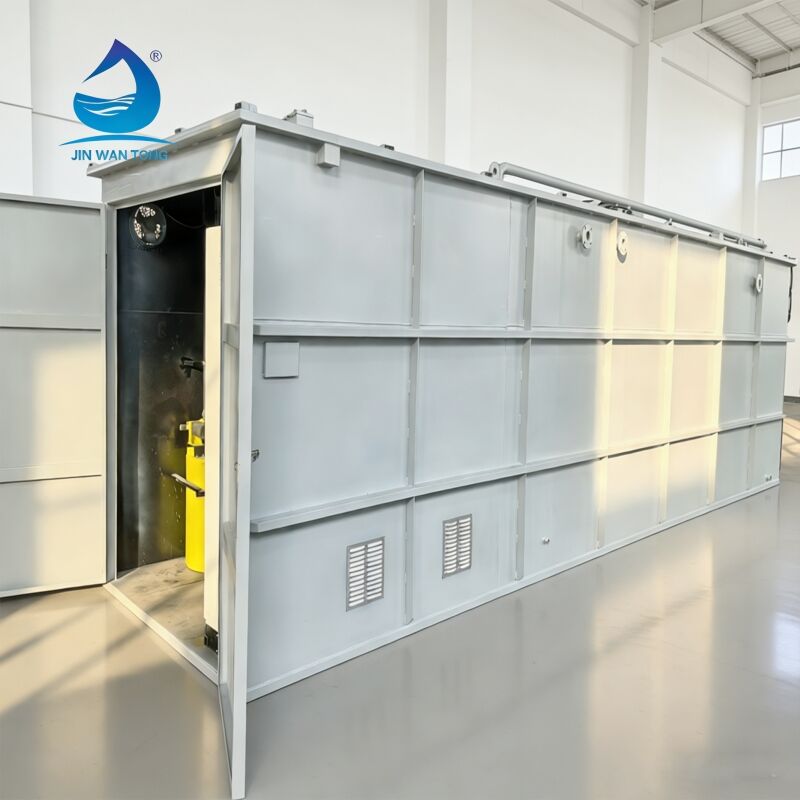
The modular design philosophy of MBBR technology sewage treatment plants delivers unparalleled flexibility and cost-effectiveness for wastewater treatment projects across diverse applications and scales. This innovative approach breaks down treatment processes into standardized modules that can be configured to meet specific capacity requirements and site constraints. Each module functions as a complete treatment unit containing all necessary components including aeration systems, biofilm carriers, and control equipment. The compact footprint achieved through this design reduces land requirements by up to 60 percent compared to conventional treatment technologies, making MBBR systems ideal for urban locations where space is limited and expensive. The vertical reactor configuration maximizes treatment capacity within minimal ground area, allowing installation in constrained sites that cannot accommodate traditional horizontal treatment systems. Prefabricated modules undergo rigorous quality control testing in manufacturing facilities before shipment, ensuring consistent performance and reducing on-site construction time. The standardized design eliminates custom engineering requirements for routine installations, significantly reducing project development costs and timelines. Site preparation requirements are minimized due to the self-contained nature of each module and reduced structural load requirements. Transportation advantages include the ability to ship complete modules to remote locations where local construction capabilities may be limited. Installation procedures are streamlined through standardized connections and interfaces between modules, reducing field labor requirements and potential construction errors. The modular approach enables phased implementation for projects with budget constraints or uncertain future capacity needs. Additional modules can be integrated seamlessly as demand grows, protecting initial investment while providing future expansion capabilities. Maintenance operations benefit from module-specific access and isolation capabilities that allow servicing individual units without disrupting overall plant operations. Redundancy can be built into the system design by installing multiple parallel modules, ensuring continuous operation even during maintenance periods or equipment failures. This design flexibility accommodates varying influent characteristics and discharge requirements through module-specific optimization.
Proven Process Reliability Ensures Consistent Performance Standards

Proven Process Reliability Ensures Consistent Performance Standards

The proven track record of MBBR technology sewage treatment plants demonstrates exceptional process reliability that ensures consistent treatment performance under varying operational conditions. This reliability stems from the inherent stability of attached growth biological processes combined with advanced process control systems that maintain optimal operating parameters. The biofilm-based treatment process exhibits superior resilience to shock loads, toxic substances, and environmental fluctuations that commonly disrupt conventional suspended growth systems. Established biofilm communities on carrier surfaces provide buffering capacity that absorbs sudden changes in influent characteristics without compromising treatment efficiency. The diverse microbial populations within mature biofilms create redundant pathways for pollutant removal, ensuring continued performance even if specific bacterial groups are temporarily affected. Process monitoring systems continuously track key parameters including dissolved oxygen levels, pH, temperature, and nutrient concentrations, enabling proactive adjustments that maintain optimal treatment conditions. Automated control systems respond rapidly to changing conditions by adjusting aeration rates, flow patterns, and chemical dosing to maintain process stability. Historical performance data from thousands of operating facilities worldwide confirms the technology's ability to consistently meet discharge standards across diverse applications and climates. Long-term studies demonstrate sustained treatment efficiency over decades of operation with minimal performance degradation. The robust nature of the treatment process reduces the frequency of operational upsets and eliminates the extensive recovery periods associated with biological system failures. Equipment reliability is enhanced through the use of proven components and conservative design margins that account for varying operating conditions. Mechanical systems within MBBR plants feature fewer moving parts compared to conventional technologies, reducing maintenance requirements and potential failure points. The absence of complex sludge recirculation systems eliminates pumping equipment that commonly requires frequent maintenance in activated sludge facilities. Process redundancy can be incorporated through multiple parallel treatment trains that ensure continued operation during maintenance activities or unexpected equipment issues. Comprehensive training programs and technical support services help operators maintain optimal performance while building local expertise for long-term sustainability.
MBBR Technology Sewage Treatment Plant - Advanced Wastewater Solutions

Get a Free Quote

Our representative will contact you soon.
Email
Name
Company Name
Message
0/1000