mbbr wastewater treatment
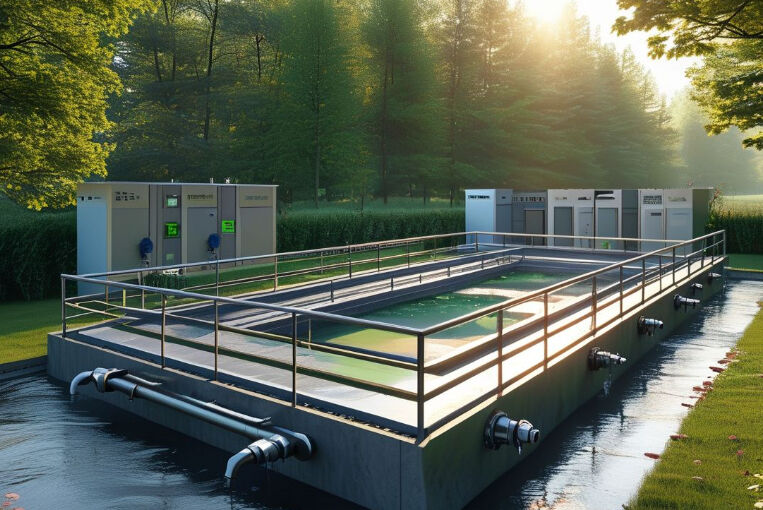
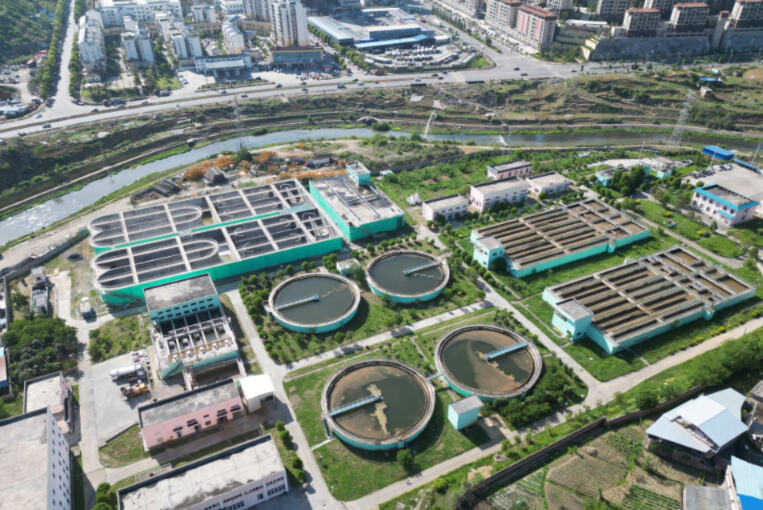
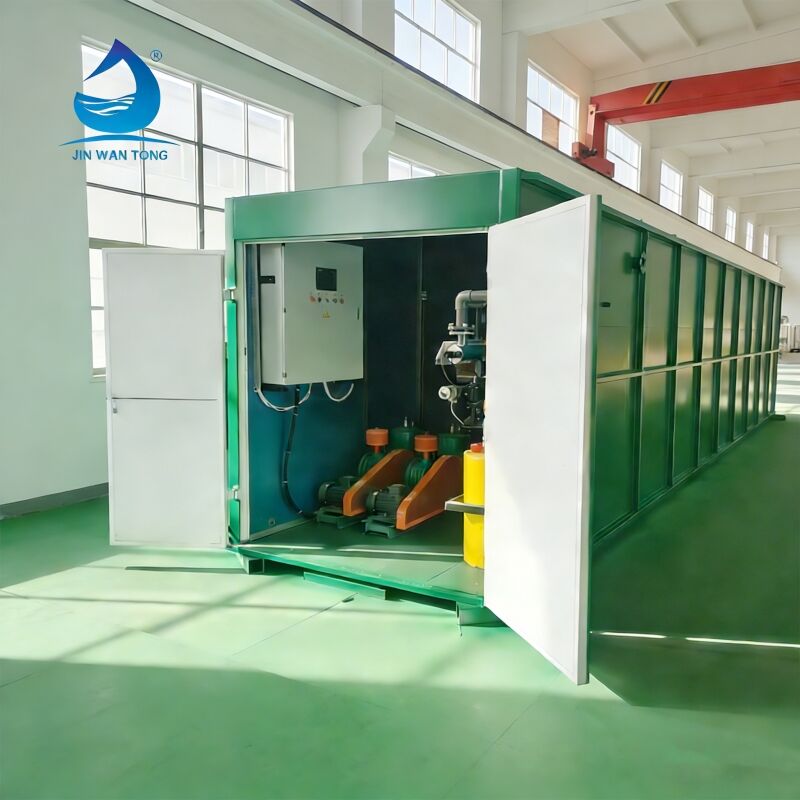
MBBR wastewater treatment represents a revolutionary approach to biological water purification that combines the best aspects of traditional activated sludge systems with innovative biofilm technology. This Moving Bed Biofilm Reactor system utilizes specially designed plastic carriers that provide extensive surface area for beneficial bacteria to grow and thrive within treatment tanks. The MBBR wastewater treatment process creates an optimal environment where microorganisms attach to these mobile carriers, forming dense biofilms that efficiently break down organic pollutants and nutrients. The main functions of MBBR wastewater treatment include biological oxygen demand reduction, nitrogen removal through nitrification and denitrification processes, and phosphorus elimination. The system operates by continuously circulating plastic media throughout aerated basins, allowing bacteria colonies to develop on carrier surfaces while maintaining excellent mixing and oxygen transfer rates. Key technological features distinguish MBBR wastewater treatment from conventional methods, including its compact footprint, reduced sludge production, and ability to handle varying load conditions without performance degradation. The plastic carriers typically fill 30-70 percent of reactor volume, creating massive biological surface area within limited space. Advanced aeration systems ensure optimal dissolved oxygen levels while promoting carrier movement throughout treatment zones. MBBR wastewater treatment applications span municipal sewage facilities, industrial discharge treatment, food processing operations, pharmaceutical manufacturing, and agricultural runoff management. The technology proves particularly valuable for facility upgrades where space constraints limit expansion options. Many existing treatment plants integrate MBBR wastewater treatment components to boost capacity without constructing additional infrastructure. The system handles both carbonaceous pollution and nutrient removal requirements effectively, making it suitable for stringent discharge standards. Temperature fluctuations, shock loads, and seasonal variations pose minimal challenges to properly designed MBBR wastewater treatment installations, ensuring consistent performance across diverse operating conditions.
 EN
EN