Advanced MBBR System Technology: Efficient Biological Wastewater Treatment Solutions

All Categories

Get a Free Quote

Our representative will contact you soon.
Email
Name
Company Name
Message
0/1000

mbbr system

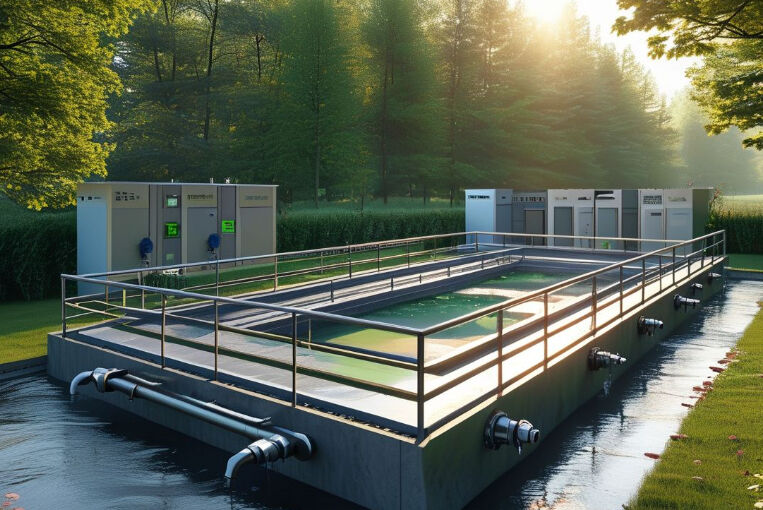
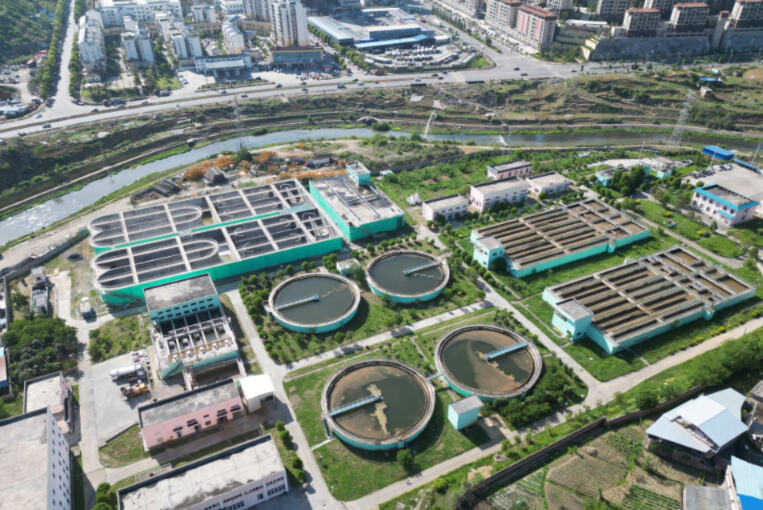
The MBBR system, or Moving Bed Biofilm Reactor system, represents a cutting-edge biological wastewater treatment technology that combines the benefits of traditional activated sludge processes with innovative biofilm cultivation methods. This advanced treatment solution utilizes specialized plastic carrier media that moves freely within the reactor tank, creating an optimal environment for beneficial microorganisms to attach and grow. The MBBR system operates on the principle of providing a large surface area for biofilm development while maintaining excellent mixing conditions through continuous aeration. The core functionality of the MBBR system revolves around its unique carrier elements, typically made from high-density polyethylene with a specific gravity close to water. These carriers feature intricate internal structures that maximize surface area while ensuring proper water circulation. As wastewater flows through the reactor, organic pollutants are consumed by the biofilm that develops on these moving carriers. The constant motion prevents biofilm thickness from becoming excessive, maintaining optimal treatment efficiency. Key technological features of the MBBR system include its self-regulating biofilm thickness, high biomass concentration, and excellent resistance to shock loads. The system requires minimal maintenance compared to conventional treatment methods, as the biofilm naturally sheds excess growth. This self-cleaning mechanism eliminates the need for backwashing or regular media replacement. The MBBR system finds extensive applications across municipal wastewater treatment plants, industrial effluent processing facilities, and aquaculture operations. Its versatility allows for both new installations and retrofitting existing treatment infrastructure. The technology proves particularly effective for nitrogen removal, carbon oxidation, and treating high-strength organic wastewater. The compact design of the MBBR system makes it suitable for installations with limited space constraints while delivering consistent treatment performance.

New Product Recommendations

The MBBR system delivers exceptional performance advantages that translate directly into operational cost savings and improved treatment reliability for facility operators. Unlike traditional activated sludge systems, the MBBR system maintains stable biomass concentrations without requiring complex sludge return mechanisms or extensive operator intervention. This stability means your facility can handle varying influent loads without performance degradation, ensuring consistent effluent quality regardless of seasonal fluctuations or unexpected discharge events. The self-regulating nature of the biofilm eliminates the risk of sludge bulking, a common problem that plagues conventional treatment systems and leads to costly operational disruptions. Energy efficiency represents another significant advantage of the MBBR system, as the technology requires lower aeration rates compared to conventional activated sludge processes. The attached growth configuration allows for higher biomass concentrations within the same reactor volume, reducing the overall footprint required for treatment. This space efficiency becomes particularly valuable for urban facilities where land costs are prohibitive or existing plants need capacity expansion without extensive construction. The MBBR system demonstrates superior resilience to toxic shock loads and pH variations, protecting your investment from unexpected industrial discharges that could devastate conventional biological systems. Recovery times following upset conditions are significantly shorter, minimizing the impact on overall plant performance and regulatory compliance. Maintenance requirements for the MBBR system are substantially reduced compared to alternative technologies. The carriers require no replacement during normal operation, and the absence of complex mechanical components means fewer parts to service or repair. This translates to lower maintenance costs and reduced downtime for your facility. The MBBR system also excels in cold weather operation, maintaining biological activity at temperatures that would severely impact conventional systems. The protected biofilm environment provides thermal insulation for microorganisms, ensuring consistent treatment performance throughout seasonal temperature variations. Additionally, the technology offers excellent flexibility for process modifications or capacity increases, allowing your facility to adapt to changing requirements without major infrastructure investments.

Tips And Tricks

Overview of the Agricultural Wastewater Treatment Market

17

Dec

Overview of the Agricultural Wastewater Treatment Market

View More
Global Real-Time Wastewater Treatment Update

17

Dec

Global Real-Time Wastewater Treatment Update

View More
Navigating the Waters: The Role of an Industrial Wastewater Treatment Plant

17

Dec

Navigating the Waters: The Role of an Industrial Wastewater Treatment Plant

View More

Get a Free Quote

Our representative will contact you soon.
Email
Name
Company Name
Message
0/1000

mbbr system

Superior Biological Treatment Efficiency Through Advanced Biofilm Technology

Superior Biological Treatment Efficiency Through Advanced Biofilm Technology

The MBBR system achieves unparalleled biological treatment efficiency through its innovative biofilm cultivation approach, delivering consistent results that outperform traditional wastewater treatment methods. The specialized carrier media within the MBBR system provides an enormous surface area for beneficial microorganisms to colonize, creating a thriving biological ecosystem that effectively removes organic pollutants, nitrogen compounds, and other contaminants from wastewater streams. This biofilm-based approach offers several critical advantages over suspended growth systems, including higher biomass concentrations and improved resistance to environmental fluctuations. The biofilm structure naturally develops in multiple layers, with each layer specialized for different treatment functions, creating an highly efficient biological treatment environment. The outer biofilm layers primarily handle carbon oxidation, while inner layers focus on nitrogen removal through nitrification and denitrification processes. This stratified biological activity occurs simultaneously within the same reactor, eliminating the need for separate treatment stages and reducing overall system complexity. The MBBR system maintains optimal biofilm thickness through natural hydraulic shearing, preventing excessive growth that could lead to oxygen transfer limitations or dead zones within the biomass. This self-regulating mechanism ensures consistent treatment performance without operator intervention, reducing labor requirements and operational costs. The protected environment within the biofilm also enables the cultivation of slow-growing specialized bacteria that are essential for complete nitrogen removal but difficult to maintain in conventional activated sludge systems. These microorganisms include nitrifying bacteria and anammox bacteria, which are crucial for achieving stringent effluent nitrogen limits. The result is a robust biological treatment process that consistently achieves high removal efficiencies for BOD, COD, TSS, ammonia-nitrogen, and total nitrogen, regardless of influent variations or environmental conditions.
Minimal Maintenance Requirements and Exceptional Operational Reliability

Minimal Maintenance Requirements and Exceptional Operational Reliability

The MBBR system stands out in the wastewater treatment industry for its remarkably low maintenance requirements and exceptional operational reliability, making it an ideal choice for facilities seeking to minimize operational expenses while maximizing system uptime. Unlike conventional activated sludge systems that require continuous monitoring of sludge settling characteristics, return activated sludge rates, and waste activated sludge production, the MBBR system operates with minimal operator intervention and oversight. The carrier media within the MBBR system is designed to last the entire operational lifetime of the treatment facility, typically 20-25 years, without requiring replacement or regeneration. This durability stems from the high-quality polyethylene construction that resists chemical degradation, biological attack, and mechanical wear even under continuous operation. The absence of media replacement requirements eliminates a significant ongoing operational cost while ensuring consistent treatment performance throughout the system's operational life. The self-regulating biofilm growth mechanism inherent in the MBBR system prevents the accumulation of excess biomass that could lead to clogging or reduced oxygen transfer efficiency. As the biofilm reaches optimal thickness, natural hydraulic and mechanical forces cause excess growth to slough off and exit the system as part of the normal effluent flow. This automatic biomass control eliminates the need for backwashing cycles, chemical cleaning procedures, or manual biofilm harvesting that characterize other attached growth technologies. The MBBR system requires no complex mechanical components such as rotating biological contactors, reciprocating mechanisms, or precise flow control devices that are prone to failure and require regular maintenance. The simple design philosophy extends to the aeration system, which operates continuously without the need for complex control sequences or variable speed drives. This mechanical simplicity translates directly into reduced maintenance costs, fewer spare parts requirements, and minimal risk of unexpected system failures that could compromise treatment performance or regulatory compliance.
Flexible Design Adaptability for Diverse Treatment Applications

Flexible Design Adaptability for Diverse Treatment Applications

The MBBR system offers unmatched flexibility in design configuration and application, making it the preferred choice for engineers and facility owners who need versatile treatment solutions that can adapt to changing requirements and diverse wastewater characteristics. This adaptability begins with the modular nature of the MBBR system, which allows for easy capacity expansion, process modification, and integration with existing treatment infrastructure without major reconstruction or system shutdown. The technology can be configured for various treatment objectives, including carbon oxidation, nitrification, denitrification, or combined processes within the same reactor vessel. The MBBR system excels in retrofit applications where existing treatment facilities need capacity increases or performance improvements within space constraints. The high biomass concentration achievable with the biofilm technology allows existing tankage to handle significantly higher organic and hydraulic loads without structural modifications. This retrofit capability provides substantial cost savings compared to constructing new treatment facilities while delivering improved treatment performance. The system adapts seamlessly to both municipal and industrial applications, handling diverse wastewater characteristics ranging from domestic sewage to high-strength industrial effluents. For industrial applications, the MBBR system can be customized with specialized microbial populations that target specific contaminants such as petroleum hydrocarbons, pharmaceutical compounds, or specialty chemicals. The robust biofilm environment protects these specialized microorganisms from shock loads and toxic substances that would eliminate them in suspended growth systems. Temperature variations that significantly impact conventional biological systems have minimal effect on MBBR system performance due to the thermal buffering provided by the biofilm matrix. This temperature resilience makes the technology suitable for outdoor installations in varying climates and seasonal conditions. The MBBR system also demonstrates exceptional scalability, from small package plants serving individual facilities to large municipal treatment works processing millions of gallons daily. The carrier media concentration can be adjusted to optimize treatment performance for specific loading conditions, and multiple reactor stages can be configured in series or parallel to achieve targeted effluent quality standards. This operational flexibility ensures that the MBBR system can be tailored to meet stringent discharge requirements while maintaining cost-effective operation throughout changing regulatory landscapes.
Advanced MBBR System Technology: Efficient Biological Wastewater Treatment Solutions

Get a Free Quote

Our representative will contact you soon.
Email
Name
Company Name
Message
0/1000