High-Efficiency MBBR Wastewater Treatment: Advanced Biofilm Technology for Superior Water Treatment Solutions

All Categories

Get a Free Quote

Our representative will contact you soon.
Email
Name
Company Name
Message
0/1000

high-efficiency mbbr wastewater treatment

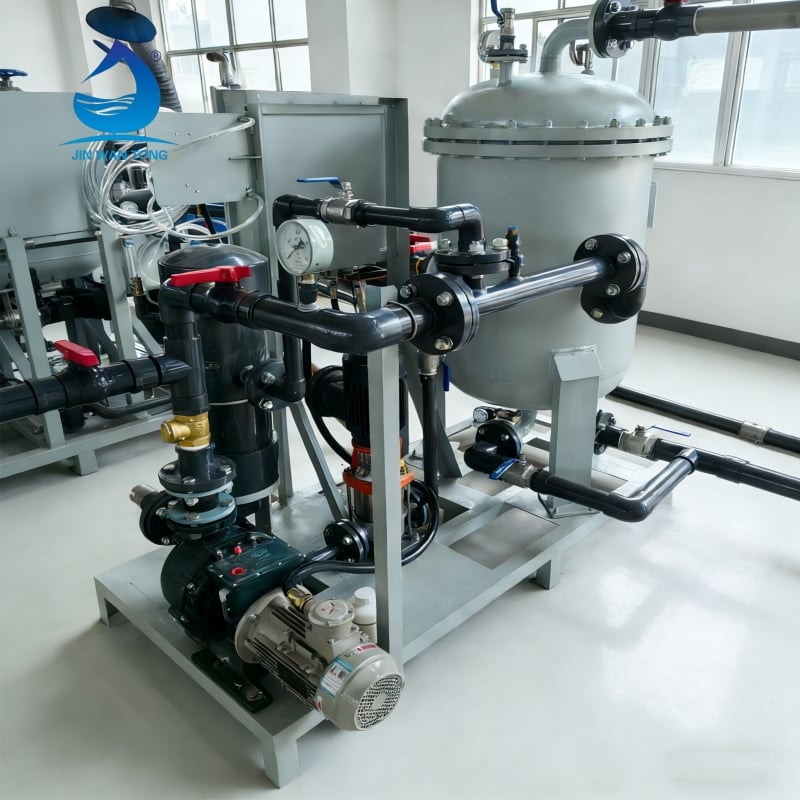
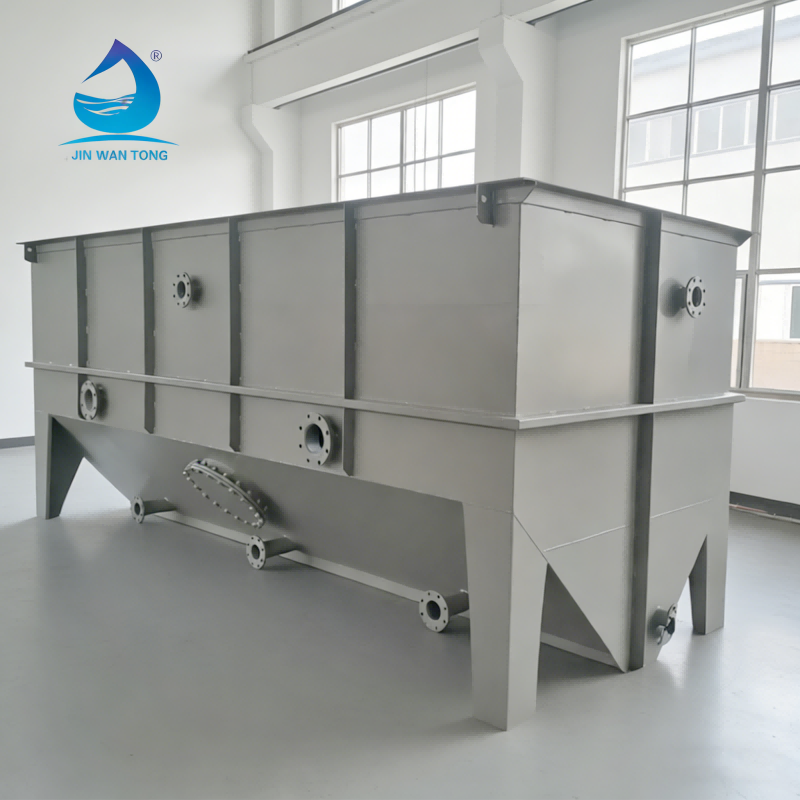
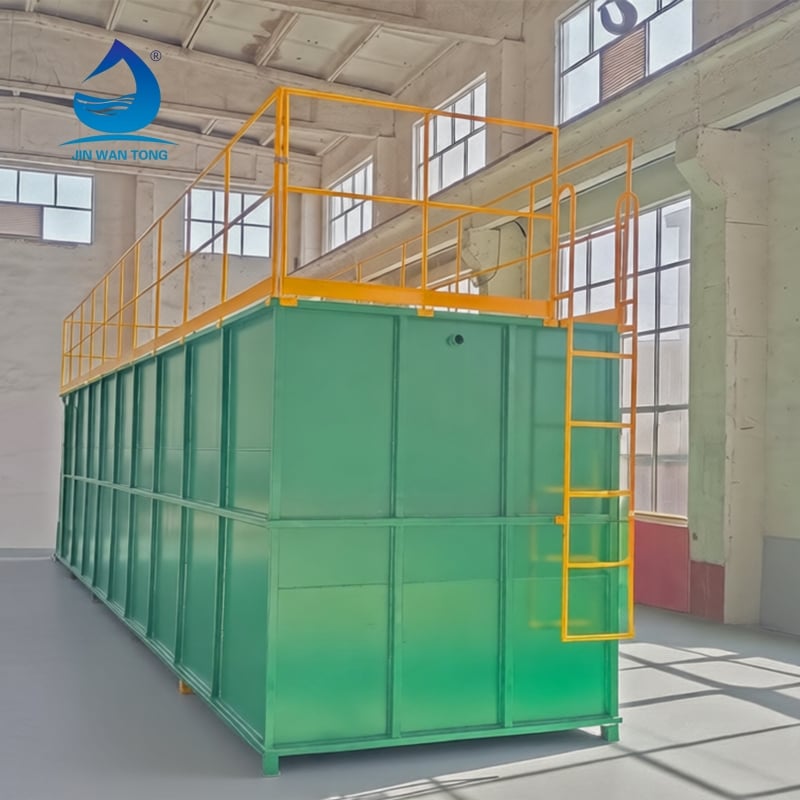
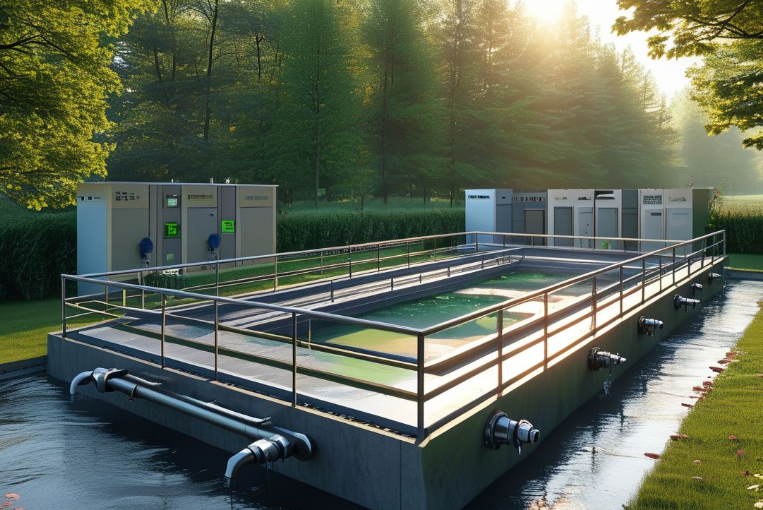
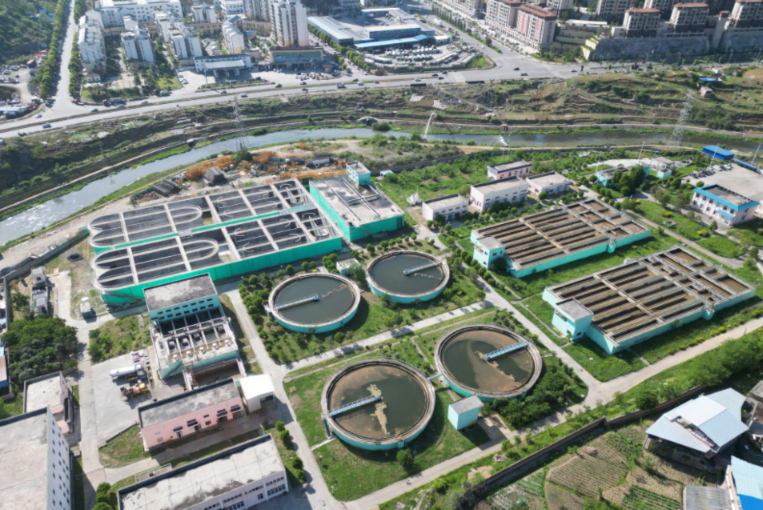
High-efficiency MBBR wastewater treatment represents a revolutionary approach to biological wastewater processing that combines the benefits of attached growth and suspended growth systems. MBBR, which stands for Moving Bed Biofilm Reactor, utilizes specially designed plastic carriers that provide surface area for biofilm formation while remaining in constant motion throughout the treatment process. This high-efficiency MBBR wastewater treatment technology operates by creating an optimal environment where microorganisms attach to and grow on the surface of these carriers, forming a dense biofilm that effectively removes organic pollutants, nitrogen compounds, and other contaminants from wastewater streams. The main functions of high-efficiency MBBR wastewater treatment include biological oxygen demand reduction, nitrification and denitrification processes, suspended solids removal, and pathogen reduction. The technological features that distinguish this high-efficiency MBBR wastewater treatment system include its self-regulating biofilm thickness, excellent oxygen transfer efficiency, and superior resistance to shock loads and toxic substances. The carriers used in high-efficiency MBBR wastewater treatment are typically made from high-density polyethylene with specific gravity close to water, ensuring optimal mixing and aeration efficiency. Applications for high-efficiency MBBR wastewater treatment span across municipal sewage treatment plants, industrial wastewater facilities, food processing plants, pharmaceutical manufacturing, petrochemical industries, and small-scale decentralized treatment systems. The versatility of high-efficiency MBBR wastewater treatment makes it suitable for both new installations and upgrades of existing conventional activated sludge systems, providing enhanced treatment capacity without requiring significant infrastructure modifications.

New Products

The advantages of high-efficiency MBBR wastewater treatment make it an exceptional choice for organizations seeking reliable and cost-effective water treatment solutions. This technology delivers consistent treatment performance regardless of seasonal variations or fluctuating influent conditions, ensuring stable effluent quality throughout the year. High-efficiency MBBR wastewater treatment requires significantly less space compared to conventional treatment methods, making it ideal for facilities with limited land availability or urban settings where space comes at a premium. The system operates with minimal operator intervention, reducing labor costs and eliminating the need for specialized technical expertise that other treatment technologies often require. Energy consumption remains remarkably low in high-efficiency MBBR wastewater treatment systems due to efficient oxygen transfer mechanisms and reduced aeration requirements, translating directly into lower operational expenses for facility owners. The technology demonstrates exceptional resilience against process upsets, toxic shock loads, and operational variations that would typically disrupt conventional biological treatment systems. High-efficiency MBBR wastewater treatment eliminates the need for sludge recycling, reducing mechanical complexity and maintenance requirements while improving overall system reliability. Installation and startup times are considerably shorter compared to alternative treatment technologies, allowing organizations to begin operations quickly and start realizing treatment benefits sooner. The modular design of high-efficiency MBBR wastewater treatment systems enables easy capacity expansion as treatment demands grow, providing excellent scalability for growing businesses or municipalities. Maintenance requirements remain minimal throughout the operational life of high-efficiency MBBR wastewater treatment systems, with carriers designed to last for decades without replacement. The technology produces high-quality effluent that consistently meets or exceeds regulatory discharge standards, helping organizations maintain compliance and avoid potential penalties. High-efficiency MBBR wastewater treatment systems can be easily integrated with existing treatment infrastructure, making upgrades straightforward and cost-effective for facilities looking to improve their treatment capabilities.

Practical Tips

Overview of the Agricultural Wastewater Treatment Market

17

Dec

Overview of the Agricultural Wastewater Treatment Market

View More
Global Real-Time Wastewater Treatment Update

17

Dec

Global Real-Time Wastewater Treatment Update

View More
Navigating the Waters: The Role of an Industrial Wastewater Treatment Plant

17

Dec

Navigating the Waters: The Role of an Industrial Wastewater Treatment Plant

View More

Get a Free Quote

Our representative will contact you soon.
Email
Name
Company Name
Message
0/1000

high-efficiency mbbr wastewater treatment

Superior Biofilm Technology for Unmatched Treatment Efficiency

Superior Biofilm Technology for Unmatched Treatment Efficiency

The cornerstone of high-efficiency MBBR wastewater treatment lies in its advanced biofilm technology that creates an optimal environment for microbial communities to thrive and effectively remove contaminants. Unlike conventional suspended growth systems where microorganisms float freely in the treatment tank, high-efficiency MBBR wastewater treatment utilizes specially engineered plastic carriers that provide protected surfaces for biofilm development. These carriers feature intricate internal geometries designed to maximize surface area while promoting optimal flow patterns that ensure adequate nutrient and oxygen supply to the biofilm. The biofilm formed on these carriers in high-efficiency MBBR wastewater treatment systems develops multiple layers of different microbial species, each specialized for specific contaminant removal processes. The outer layers primarily handle organic matter degradation, while inner layers focus on nitrification processes, creating a highly efficient biological treatment environment. This stratified biofilm structure in high-efficiency MBBR wastewater treatment allows for simultaneous organic removal and nitrogen conversion processes that would typically require separate treatment stages in conventional systems. The constant movement of carriers ensures that the biofilm maintains optimal thickness automatically, preventing the development of thick, oxygen-limited layers that can reduce treatment efficiency. This self-regulating mechanism in high-efficiency MBBR wastewater treatment eliminates the need for manual biofilm control and ensures consistent performance over extended periods. The protected environment within the carriers shields sensitive microorganisms from harsh conditions and toxic substances, allowing high-efficiency MBBR wastewater treatment systems to maintain biological activity even during challenging operational conditions. This resilience translates into more reliable treatment performance and reduced risk of system failure, providing peace of mind for facility operators and ensuring continuous compliance with discharge regulations.
Exceptional Operational Flexibility and Adaptability

Exceptional Operational Flexibility and Adaptability

High-efficiency MBBR wastewater treatment systems offer unparalleled operational flexibility that allows them to adapt to changing treatment demands and varying influent characteristics without compromising performance quality. This adaptability stems from the unique design of high-efficiency MBBR wastewater treatment technology, where the biological treatment capacity can be adjusted simply by modifying the carrier fill ratio within the reactor. Facility operators can easily increase treatment capacity by adding more carriers or reduce it by removing carriers, providing immediate response capabilities to changing treatment requirements. The high-efficiency MBBR wastewater treatment process maintains stable operation across wide ranges of organic loading rates, hydraulic retention times, and temperature variations that would typically destabilize conventional biological treatment systems. This operational robustness makes high-efficiency MBBR wastewater treatment particularly valuable for industries with variable production schedules or seasonal fluctuations in wastewater generation. The technology handles shock loads exceptionally well, with the biofilm structure providing buffer capacity that absorbs sudden increases in contaminant concentrations without system upset. High-efficiency MBBR wastewater treatment systems can be operated in various configurations including completely mixed, plug flow, or staged arrangements depending on specific treatment objectives and site constraints. The process readily accommodates different aeration strategies, from fine bubble diffusion to mechanical aerators, allowing optimization for specific site conditions and energy efficiency requirements. Temperature variations that would significantly impact other biological treatment processes have minimal effect on high-efficiency MBBR wastewater treatment performance due to the protective environment provided by the carrier biofilm. The system can be easily modified to achieve specific treatment goals such as enhanced nitrogen removal, phosphorus reduction, or improved pathogen elimination by adjusting operational parameters or adding specialized carriers. This flexibility makes high-efficiency MBBR wastewater treatment an excellent long-term investment that can evolve with changing regulatory requirements and treatment objectives without requiring major system modifications.
Cost-Effective Solution with Minimal Infrastructure Requirements

Cost-Effective Solution with Minimal Infrastructure Requirements

High-efficiency MBBR wastewater treatment delivers exceptional economic value through its minimal infrastructure requirements and low total cost of ownership compared to conventional treatment alternatives. The compact design of high-efficiency MBBR wastewater treatment systems requires significantly less land area than traditional activated sludge processes, reducing site preparation costs and making the technology feasible for space-constrained locations. Construction requirements for high-efficiency MBBR wastewater treatment facilities are simplified due to the elimination of secondary clarifiers, sludge return systems, and complex mechanical equipment typically associated with conventional treatment plants. This streamlined infrastructure approach reduces initial capital investment while simplifying construction timelines and reducing project complexity. The high-efficiency MBBR wastewater treatment process operates without the need for sludge recycling pumps, waste activated sludge handling systems, or elaborate process control equipment, further reducing both initial costs and ongoing operational expenses. Energy consumption in high-efficiency MBBR wastewater treatment systems remains consistently lower than comparable treatment technologies due to efficient oxygen transfer characteristics and reduced aeration requirements. The absence of sludge recycling eliminates associated pumping costs while reducing wear and tear on mechanical equipment, extending system lifespan and reducing maintenance expenses. High-efficiency MBBR wastewater treatment systems require minimal chemical additions compared to other biological treatment processes, reducing ongoing operational costs and simplifying chemical storage and handling requirements. The robust nature of the biofilm in high-efficiency MBBR wastewater treatment systems eliminates the need for expensive process monitoring and control systems required to maintain optimal conditions in more sensitive treatment technologies. Maintenance activities for high-efficiency MBBR wastewater treatment primarily involve routine aeration equipment servicing and periodic carrier inspection, both of which can be performed by standard maintenance personnel without specialized training. The longevity of carriers used in high-efficiency MBBR wastewater treatment systems, typically lasting 15-20 years or more, eliminates recurring replacement costs associated with other treatment media. Facility operators can expect decades of reliable service from high-efficiency MBBR wastewater treatment systems with minimal major maintenance requirements, making it an excellent long-term investment for sustainable wastewater management.
High-Efficiency MBBR Wastewater Treatment: Advanced Biofilm Technology for Superior Water Treatment Solutions

Get a Free Quote

Our representative will contact you soon.
Email
Name
Company Name
Message
0/1000