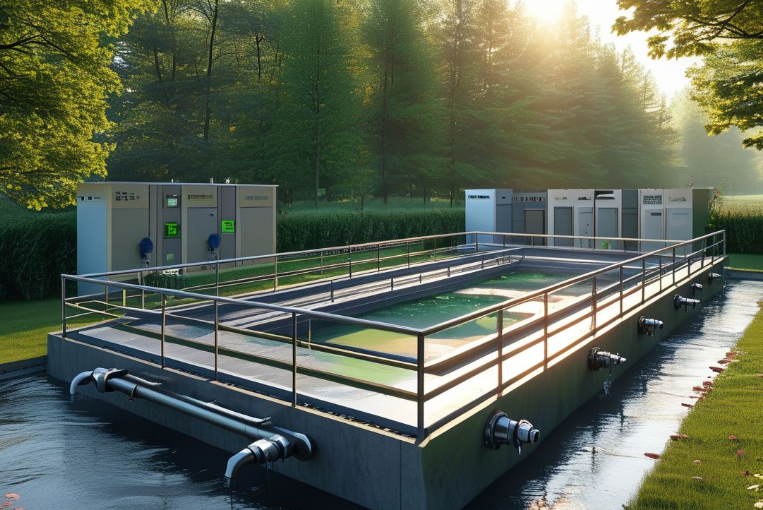
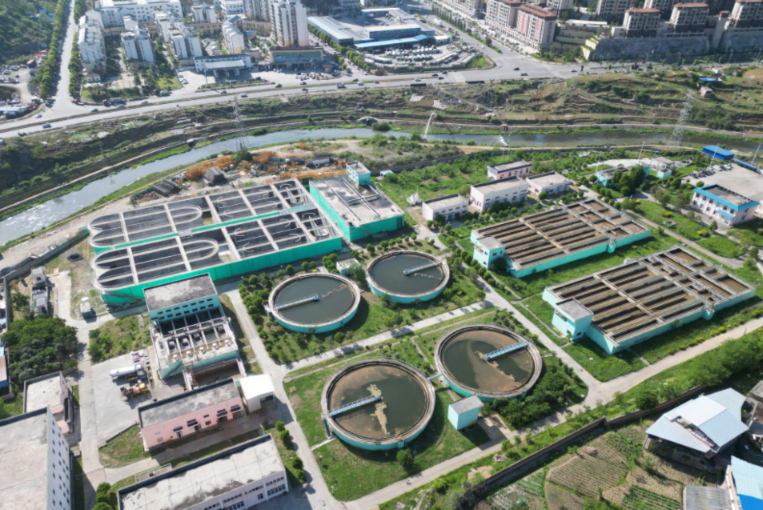
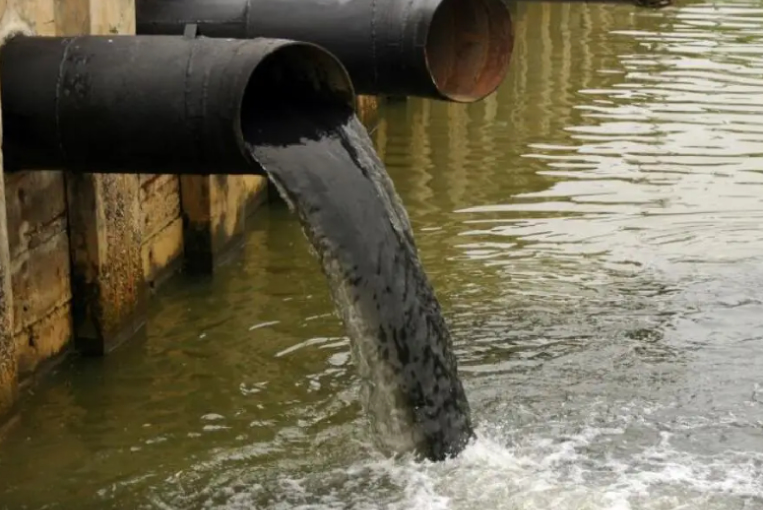
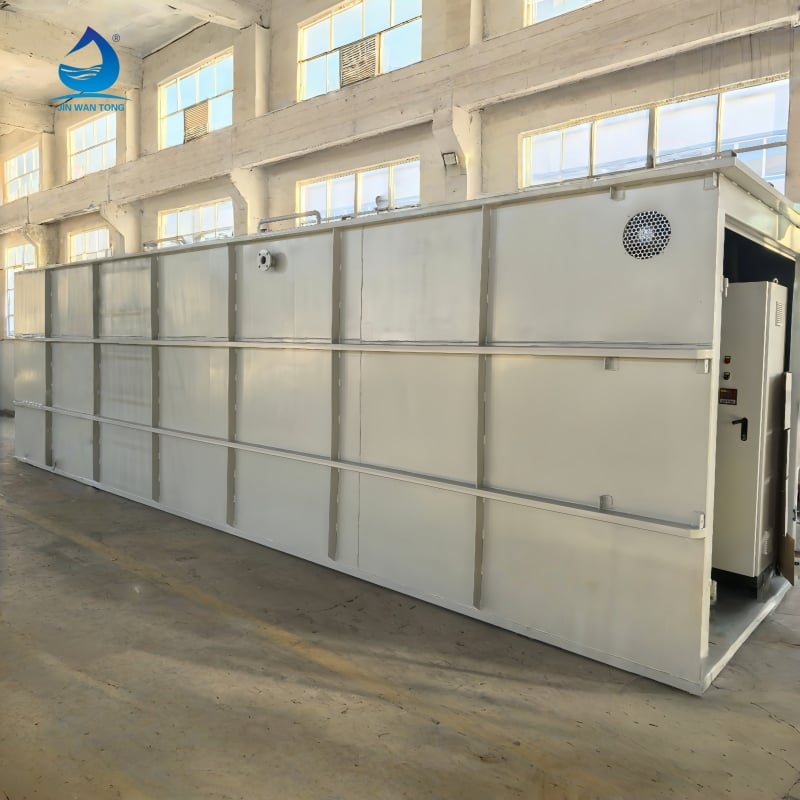
MBBR wastewater treatment equipment is a compact and efficient biological treatment system used to treat domestic sewage, municipal wastewater and certain types of industrial effluent. MBBR stands for Moving Bed Biofilm Reactor. The core of the system is the suspended biofilm carrier, which provides a large surface area for microorganisms to grow. Under continuous aeration, the carriers move inside the reactor, allowing the biofilm to contact wastewater and degrade pollutants.
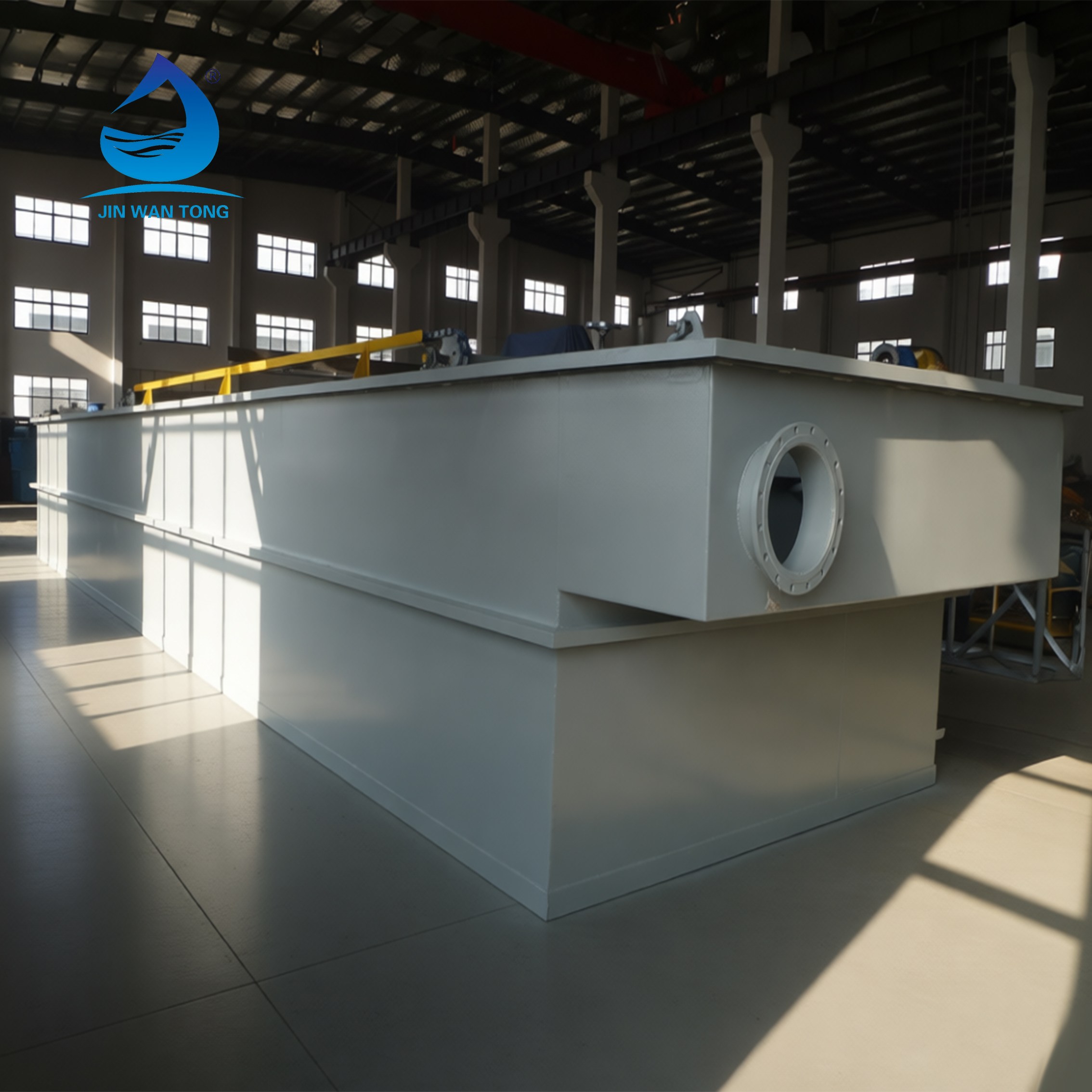
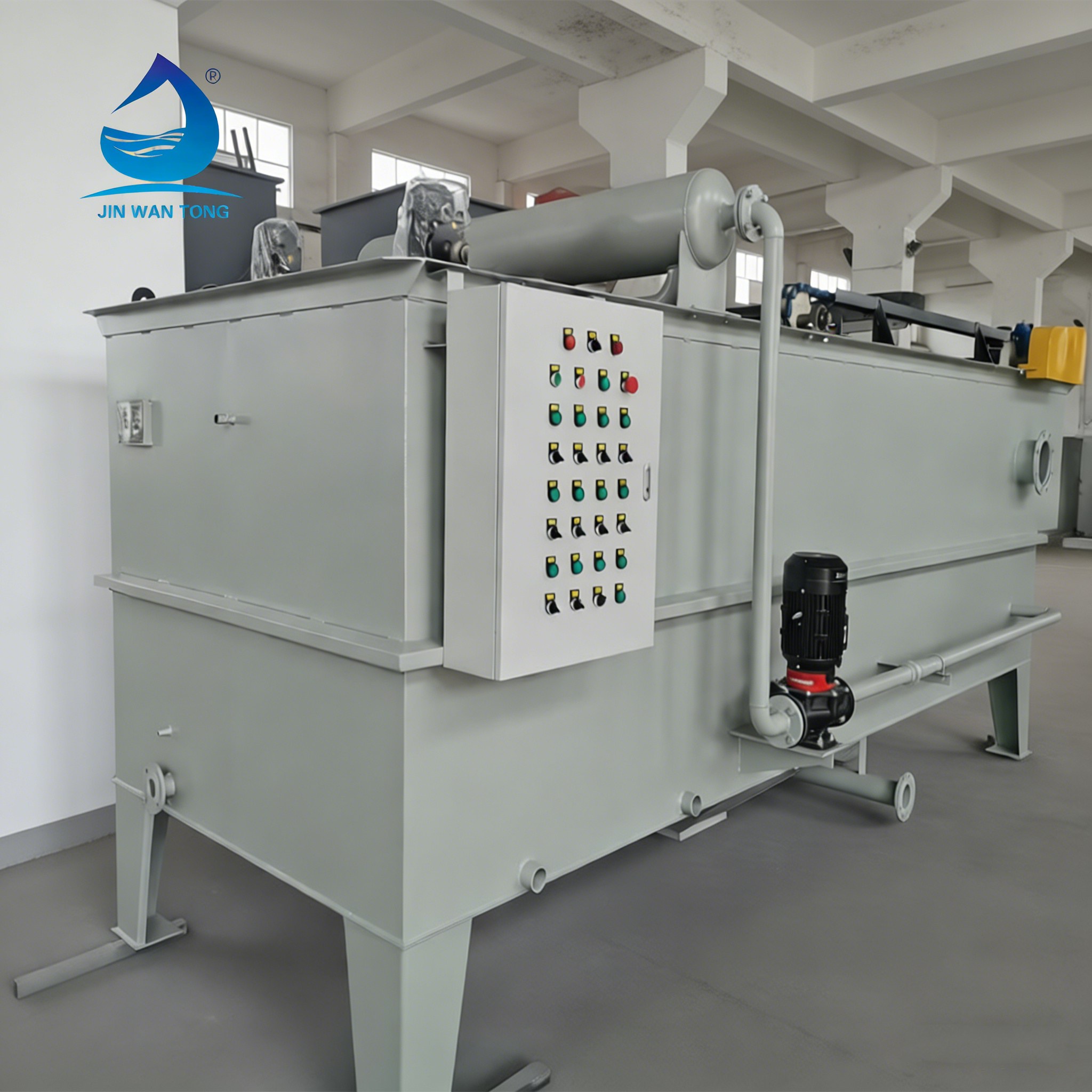
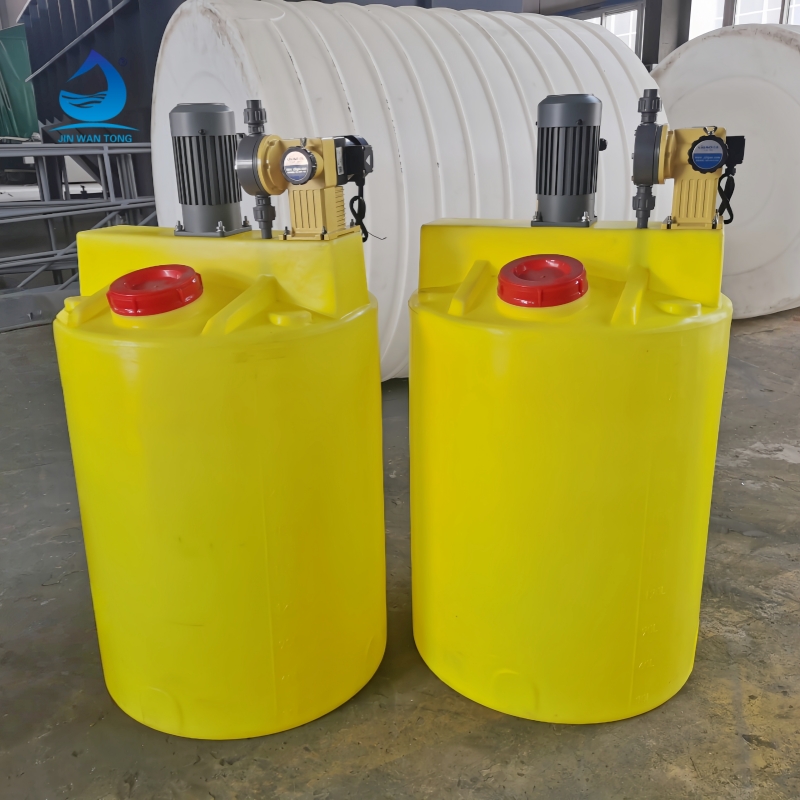
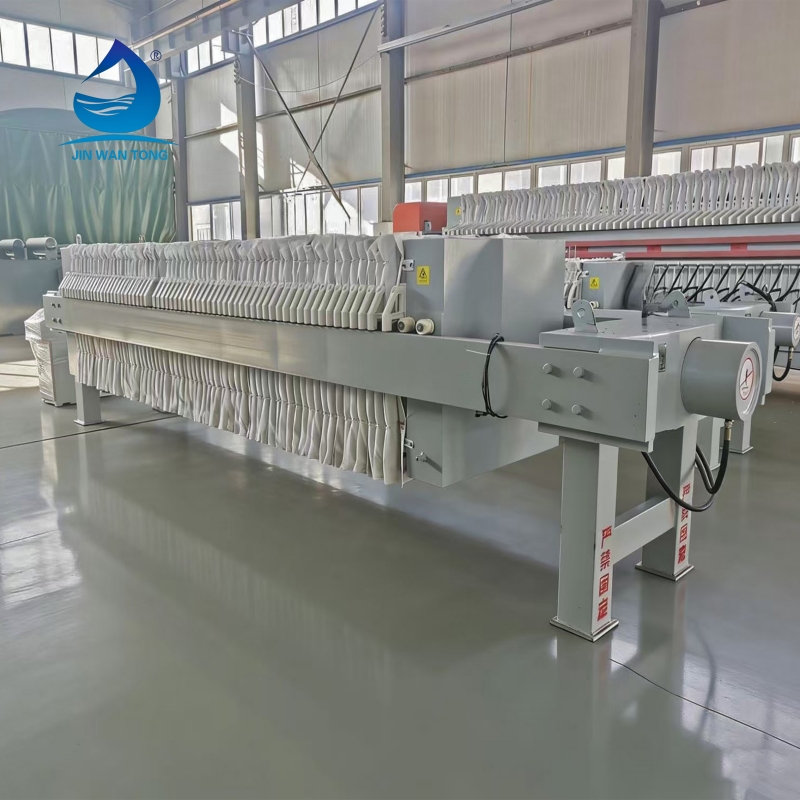
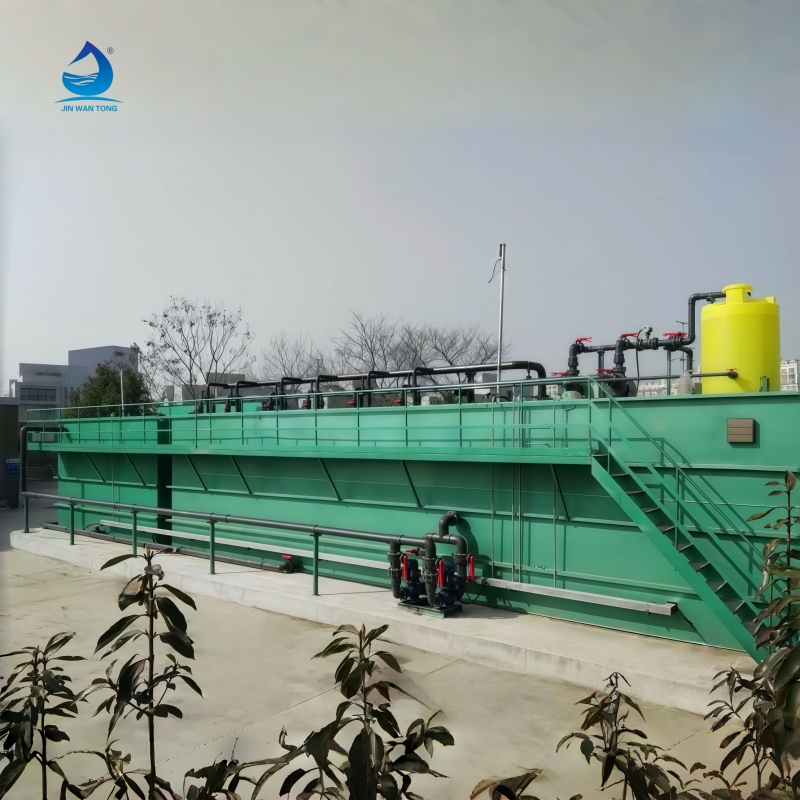
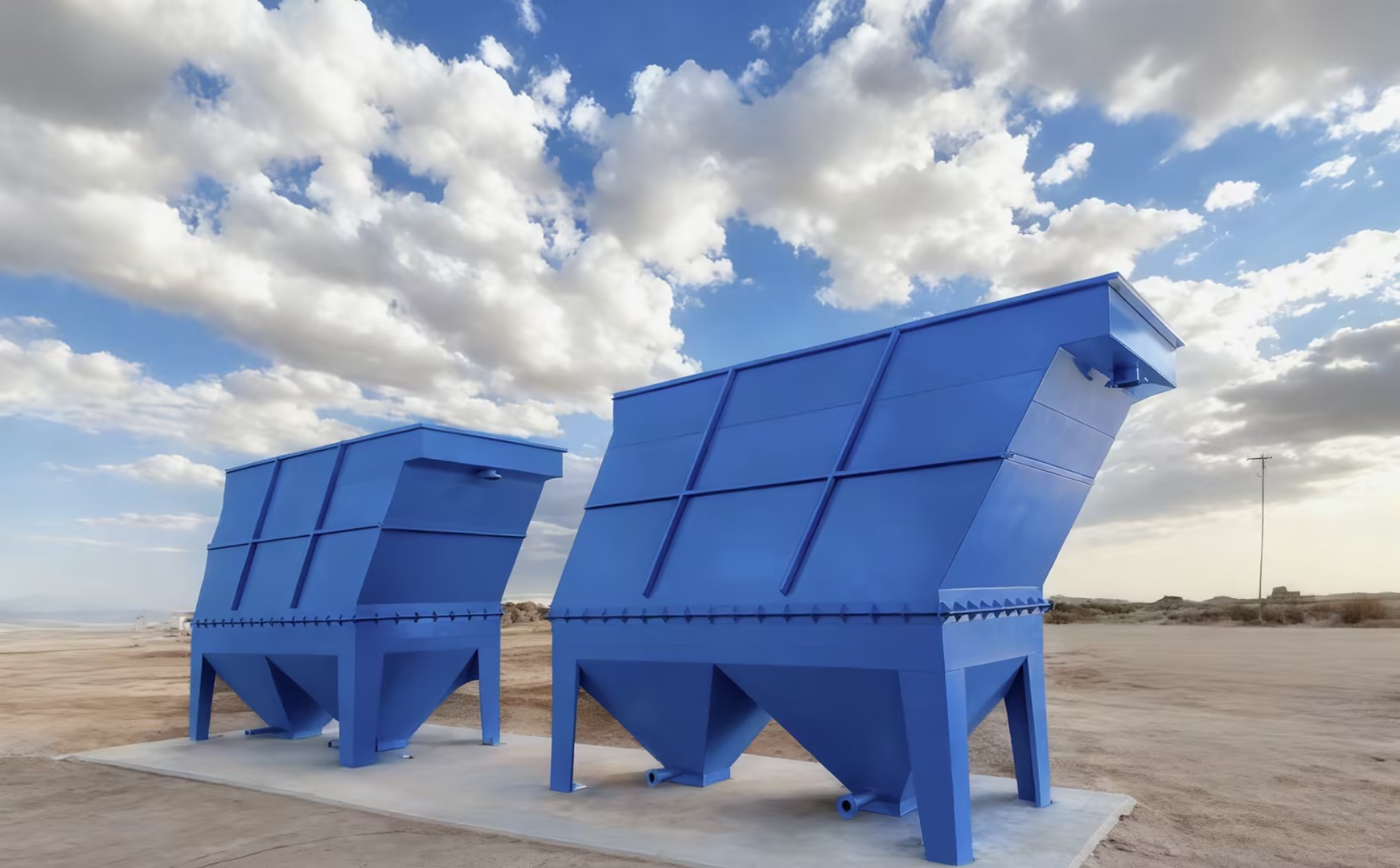
A typical MBBR sewage treatment system may include a mechanical grille or screen, equalization tank, MBBR biological reactor, suspended biofilm media, aeration pipes or diffusers, blower, sedimentation tank or clarifier, sludge discharge system, disinfection unit and control cabinet. Depending on the project, it can also be combined with an automatic dosing system, lamella clarifier, DAF dissolved air flotation machine or sludge dewatering equipment.
The general process is simple and reliable. Wastewater first enters the pretreatment stage, where large solids and floating matter are removed. Then it flows into the equalization tank to balance water quality and flow. In the MBBR reactor, microorganisms attached to the carriers break down organic pollutants such as BOD and COD, and can also support ammonia nitrogen removal when the system is properly designed. After biological treatment, the mixed liquid enters a sedimentation or separation unit to remove suspended solids. Finally, disinfection or further treatment may be added to meet the required discharge standard.
Compared with some traditional activated sludge systems, MBBR equipment has several practical advantages. It has a high biomass concentration, strong resistance to load fluctuation and a relatively compact footprint. It is suitable for both new sewage treatment plants and upgrading existing wastewater systems where treatment capacity needs to be improved without greatly expanding the site.
For equipment selection, buyers should provide key information such as daily flow rate, peak flow, inlet COD, BOD, SS, ammonia nitrogen, oil content, discharge standard, site layout, temperature conditions and required automation level. Material selection is also important. Depending on the project, tanks and structures may use carbon steel, stainless steel, FRP or concrete-based configurations.
However, MBBR is not a universal single-step solution for all wastewater. For oily wastewater, high-concentration industrial effluent, toxic wastewater or wastewater with strong fluctuations, pretreatment may be required before the biological reactor. For stricter discharge standards, MBBR may need to work together with clarification, filtration, disinfection, chemical dosing or advanced treatment units.
Qingdao Jinwantong Environmental Science And Technology Co., Ltd. provides customized MBBR sewage treatment equipment and packaged wastewater treatment systems for global B2B customers. Tell us your wastewater source, flow rate, inlet water quality and discharge target, and our team can help you select a practical treatment configuration.
 EN
EN