Rotary Bar Screen Solutions: Advanced Water Treatment Screening Technology

All Categories

Get a Free Quote

Our representative will contact you soon.
Email
Name
Company Name
Message
0/1000

rotary bar screen

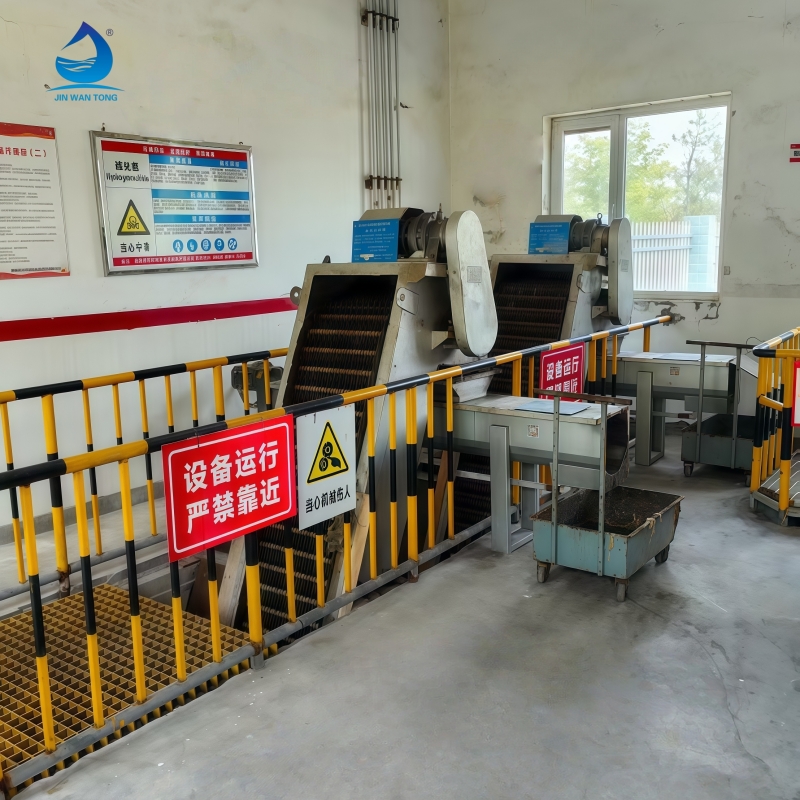
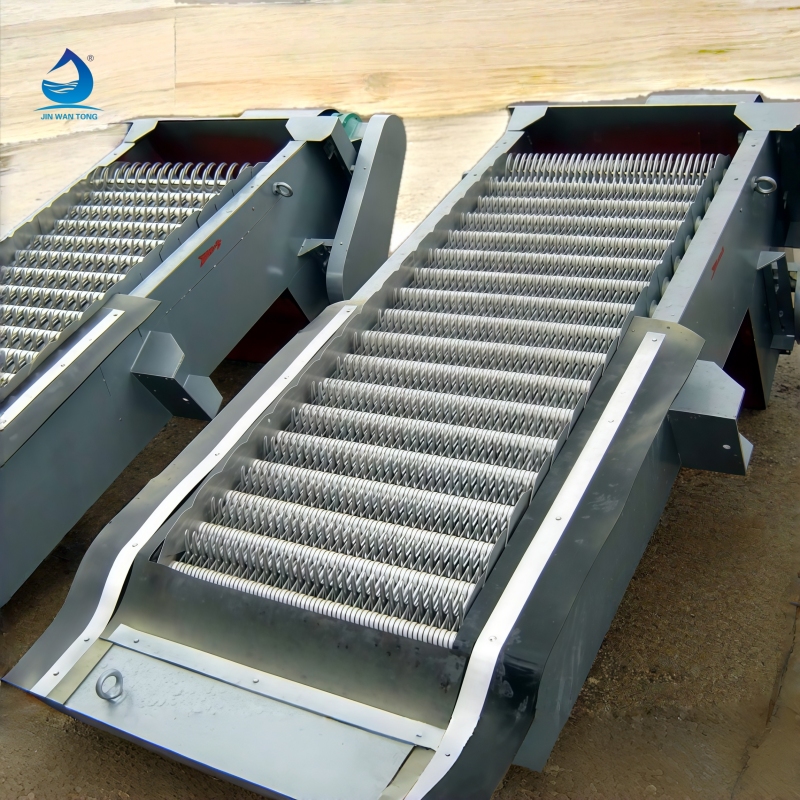
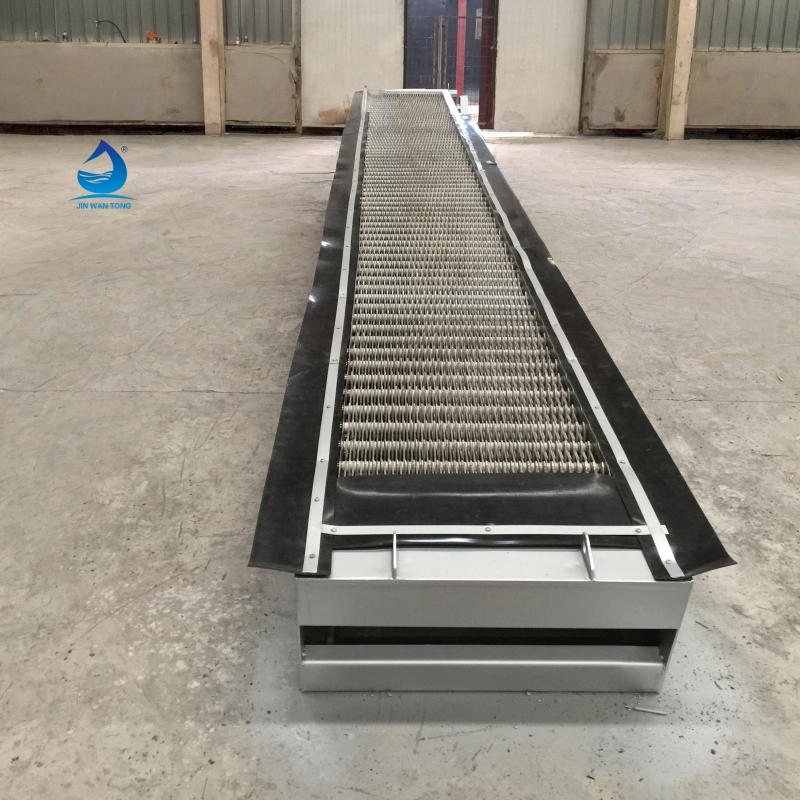
The rotary bar screen represents a sophisticated mechanical filtration system designed to remove debris, solids, and contaminants from water streams in municipal and industrial applications. This robust equipment operates through a continuously rotating cylindrical screen mechanism that captures unwanted materials while allowing clean water to pass through efficiently. The rotary bar screen functions as a primary treatment component in wastewater treatment facilities, water intake systems, and industrial processing plants where effective solid-liquid separation is essential. The technology employs a series of parallel bars arranged in a cylindrical configuration, creating precise spacing that determines the size of particles filtered from the incoming water flow. As water enters the rotary bar screen system, the rotating motion ensures consistent cleaning action and prevents clogging that commonly affects stationary screening equipment. The captured debris travels along the screen surface until it reaches the discharge point, where it is automatically removed from the system. Modern rotary bar screen designs incorporate advanced materials such as stainless steel construction, corrosion-resistant coatings, and precision-engineered components that ensure long-term reliability in challenging operating environments. The screening process occurs continuously without interruption to water flow, making this technology ideal for applications requiring consistent treatment capacity. Variable speed controls allow operators to adjust rotation rates based on debris load conditions and specific treatment requirements. Automated cleaning mechanisms integrated into the rotary bar screen design minimize maintenance requirements while maximizing operational efficiency. The system includes monitoring capabilities that track performance metrics, debris removal rates, and potential maintenance needs. Installation flexibility accommodates various channel configurations and flow rates, from small municipal treatment plants to large industrial facilities. The rotary bar screen technology delivers superior performance compared to traditional screening methods through its self-cleaning properties and consistent debris removal capabilities.

New Products

The rotary bar screen offers substantial operational benefits that make it an excellent investment for water treatment facilities seeking reliable and efficient screening solutions. This advanced technology significantly reduces maintenance costs compared to conventional screening equipment because its self-cleaning mechanism prevents debris accumulation that typically requires manual intervention. The continuous rotation action ensures optimal screening performance throughout operation cycles, eliminating downtime associated with cleaning procedures common in static screen systems. Water treatment facilities experience improved flow capacity when using rotary bar screen technology because the rotating mechanism prevents blockages that restrict water passage in traditional screening methods. The automated debris removal feature streamlines operations by eliminating manual raking and cleaning tasks, reducing labor costs and improving workplace safety conditions. Energy efficiency represents another major advantage of the rotary bar screen system, as its optimized design requires minimal power consumption while delivering maximum screening effectiveness. The precise bar spacing configuration allows operators to achieve specific particle removal targets, ensuring compliance with regulatory discharge requirements and environmental protection standards. Durability stands out as a key benefit, with stainless steel construction and corrosion-resistant materials ensuring years of reliable operation in harsh water treatment environments. The rotary bar screen handles varying debris loads automatically, adjusting its cleaning action based on actual conditions rather than predetermined schedules. This adaptive capability results in consistent screening performance regardless of seasonal changes or fluctuating waste streams. Installation versatility allows the rotary bar screen to integrate seamlessly into existing treatment infrastructure without requiring extensive modifications to channel designs or flow patterns. The technology accommodates wide flow rate ranges, making it suitable for both small community treatment plants and large municipal facilities. Operational simplicity means that facility operators require minimal training to manage rotary bar screen systems effectively, reducing the complexity associated with staff development and system management. Remote monitoring capabilities enable real-time performance tracking and predictive maintenance scheduling, helping facilities optimize their screening operations while preventing unexpected equipment failures. The rotary bar screen provides excellent return on investment through reduced operating costs, improved screening efficiency, and extended equipment lifespan compared to alternative screening technologies.

Practical Tips

Overview of the Agricultural Wastewater Treatment Market

17

Dec

Overview of the Agricultural Wastewater Treatment Market

View More
Global Real-Time Wastewater Treatment Update

17

Dec

Global Real-Time Wastewater Treatment Update

View More
Navigating the Waters: The Role of an Industrial Wastewater Treatment Plant

17

Dec

Navigating the Waters: The Role of an Industrial Wastewater Treatment Plant

View More

Get a Free Quote

Our representative will contact you soon.
Email
Name
Company Name
Message
0/1000

rotary bar screen

Superior Self-Cleaning Technology

Superior Self-Cleaning Technology

The rotary bar screen incorporates advanced self-cleaning technology that revolutionizes debris removal in water treatment applications, providing continuous operation without the maintenance burdens associated with conventional screening systems. This innovative cleaning mechanism operates through the natural rotation of the cylindrical screen, which creates a brushing action that prevents debris accumulation on the bar surfaces. Unlike traditional bar screens that require frequent manual cleaning or expensive automated cleaning systems, the rotary bar screen maintains optimal screening efficiency through its inherent design characteristics. The self-cleaning action occurs continuously as the screen rotates, ensuring that captured debris moves steadily toward the discharge point without creating blockages or reducing screening effectiveness. This technology eliminates the need for backwashing procedures, compressed air cleaning systems, or manual intervention that interrupts normal treatment operations. The rotating motion creates hydraulic conditions that naturally dislodge particles that might otherwise adhere to screening surfaces, maintaining consistent openings for water flow. Water treatment facilities benefit from reduced labor costs because operators no longer need to perform routine cleaning maintenance that typically consumes significant staff time and resources. The self-cleaning capability proves especially valuable during high debris load conditions, such as storm events or seasonal leaf fall periods, when conventional screens often become overwhelmed and require frequent attention. The rotary bar screen continues operating effectively under these challenging conditions, automatically adjusting its cleaning action to handle increased debris volumes. This reliable performance ensures treatment facilities maintain compliance with discharge permits and operational requirements regardless of varying influent conditions. The technology reduces chemical consumption because facilities no longer need cleaning agents or descaling compounds typically required for maintaining conventional screening equipment. Environmental benefits include reduced waste generation from cleaning operations and decreased energy consumption compared to systems requiring separate cleaning mechanisms. The self-cleaning feature extends equipment lifespan by preventing the buildup of corrosive materials and reducing wear patterns associated with manual cleaning procedures.
Exceptional Debris Handling Capacity

Exceptional Debris Handling Capacity

The rotary bar screen demonstrates exceptional debris handling capacity that surpasses conventional screening technologies through its innovative design and operational characteristics, making it the ideal solution for facilities processing high-volume waste streams with varying debris loads. This superior handling capability stems from the large screening surface area created by the cylindrical configuration, which provides significantly more contact area compared to flat plate screens of similar dimensions. The continuous rotation ensures that the entire screening surface remains active throughout the operation cycle, preventing dead zones where debris might accumulate and reduce overall system capacity. The rotary bar screen effectively processes diverse debris types, from fine organic materials to large manufactured objects, without compromising screening performance or requiring operational adjustments. This versatility proves invaluable for municipal treatment facilities that must handle unpredictable waste streams containing everything from leaves and branches to plastic containers and textile materials. The screening system automatically conveys captured debris toward the discharge point, eliminating bottlenecks that commonly occur in conventional screens when debris accumulates faster than removal mechanisms can handle. High-capacity installations can process thousands of gallons per minute while maintaining consistent debris removal rates, making the rotary bar screen suitable for the largest municipal and industrial treatment facilities. The technology handles seasonal variations in debris loads without requiring operational modifications, automatically adjusting its performance to match actual conditions. During peak loading periods, the rotary bar screen maintains screening effectiveness by increasing the surface area utilization and optimizing debris transport characteristics. The robust construction withstands impact from large debris objects that might damage conventional screening equipment, reducing the risk of operational disruptions and costly repairs. Facilities experience improved overall treatment capacity because the rotary bar screen prevents downstream equipment damage that could result from inadequate screening. The consistent debris removal prevents accumulation in treatment processes, maintaining optimal conditions for biological treatment, clarification, and disinfection operations. This comprehensive debris handling capability translates into improved treatment plant reliability and reduced operational costs associated with equipment damage and process disruptions.
Advanced Monitoring and Control Integration

Advanced Monitoring and Control Integration

The rotary bar screen features advanced monitoring and control integration capabilities that provide unprecedented operational visibility and management flexibility for modern water treatment facilities. These sophisticated monitoring systems continuously track key performance indicators including rotation speed, debris load, differential pressure, motor current, and vibration levels to ensure optimal screening performance and predict maintenance requirements. Real-time data collection enables facility operators to make informed decisions about system adjustments, maintenance scheduling, and operational optimization based on actual performance metrics rather than estimated parameters. The integrated control systems allow remote operation and monitoring capabilities, enabling centralized management of multiple rotary bar screen installations from a single control room location. This centralized approach reduces staffing requirements while improving response times to operational changes or potential equipment issues. The monitoring technology includes alarm systems that alert operators to conditions requiring attention, such as unusual debris loads, equipment malfunctions, or maintenance needs, preventing minor issues from developing into costly failures. Variable frequency drives integrated with the control systems enable precise adjustment of rotation speeds to match actual debris conditions, optimizing energy consumption while maintaining screening effectiveness. Data logging capabilities provide historical performance records that support regulatory compliance reporting and help identify operational trends that influence treatment plant efficiency. The control integration supports automated responses to changing conditions, such as increasing rotation speed during high debris load periods or adjusting operation cycles based on flow rate variations. Predictive maintenance algorithms analyze performance data to identify potential equipment issues before they cause operational disruptions, reducing unplanned downtime and maintenance costs. The monitoring systems interface seamlessly with existing plant control systems and SCADA networks, providing comprehensive integration with overall treatment plant operations. Touch-screen interfaces and user-friendly control panels simplify operator interaction while providing access to detailed performance information and diagnostic tools. Remote diagnostic capabilities enable equipment manufacturers to provide technical support and troubleshooting assistance without requiring on-site visits, reducing service costs and response times. The advanced control features support energy management programs by optimizing operation schedules and power consumption patterns based on treatment plant requirements and utility rate structures.
Rotary Bar Screen Solutions: Advanced Water Treatment Screening Technology

Get a Free Quote

Our representative will contact you soon.
Email
Name
Company Name
Message
0/1000