sewage bar screen
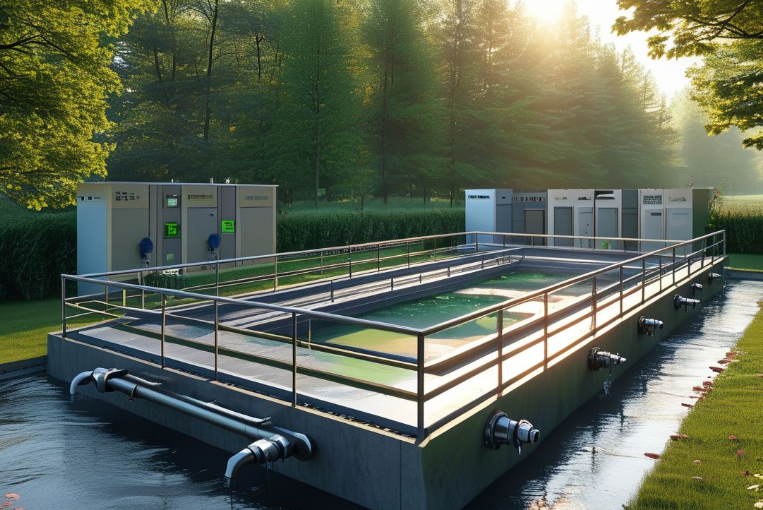
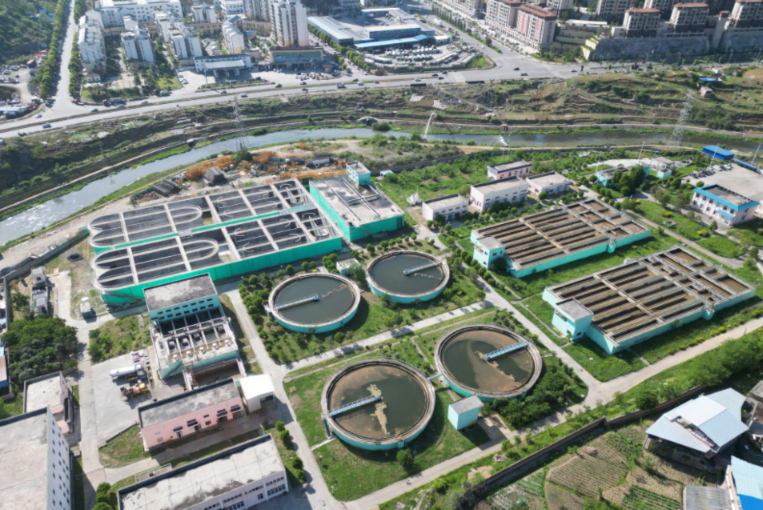
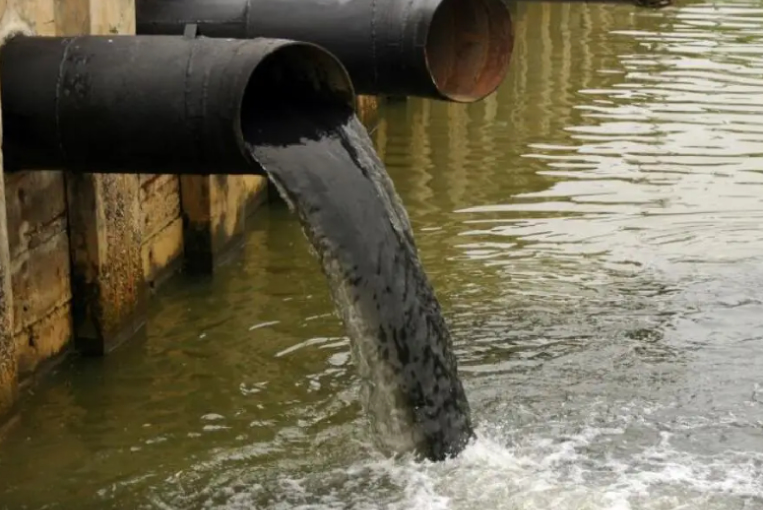
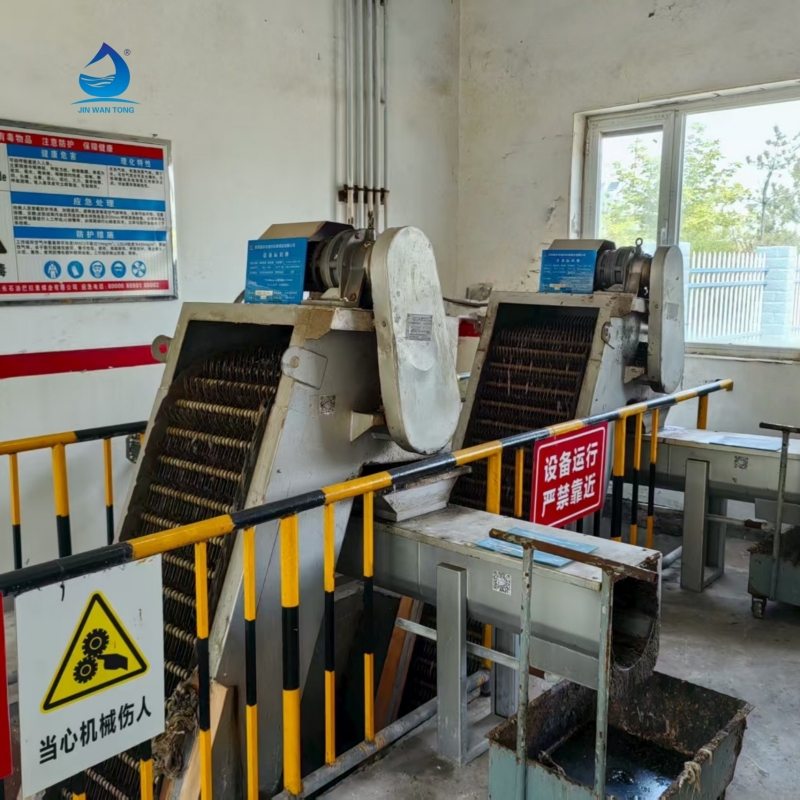
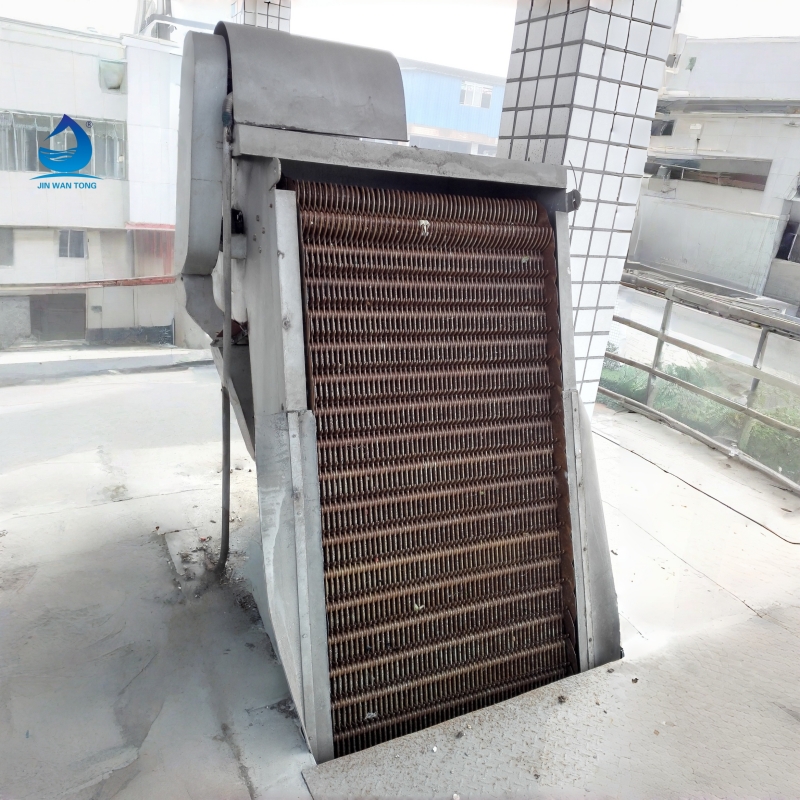
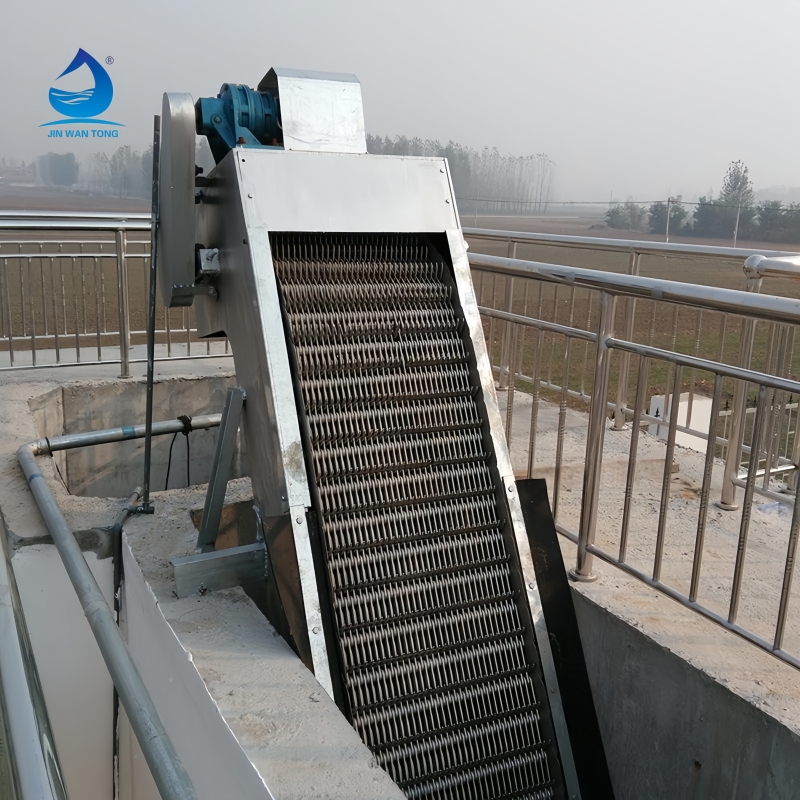
A sewage bar screen represents a critical component in wastewater treatment facilities, serving as the primary defense mechanism against large debris and solid materials entering treatment systems. This mechanical screening device consists of parallel bars or rods arranged vertically or at an inclined angle, creating gaps of predetermined sizes to capture unwanted materials while allowing liquid sewage to flow through freely. The sewage bar screen operates continuously in municipal treatment plants, industrial facilities, and pumping stations, protecting downstream equipment from damage caused by rags, plastics, wood pieces, and other coarse solids. Modern sewage bar screen designs incorporate automated cleaning mechanisms that remove accumulated debris without interrupting the treatment process. These systems feature rake assemblies that travel along the screen surface, scraping collected materials into disposal hoppers or conveyor systems. The technological framework of a sewage bar screen includes stainless steel construction for corrosion resistance, variable speed drives for operational flexibility, and integrated control systems for automated operation. Bar spacing typically ranges from 6mm to 50mm depending on application requirements and downstream process specifications. The screening efficiency directly impacts overall plant performance, making proper sewage bar screen selection crucial for treatment facility success. Installation configurations vary from manually cleaned units in smaller facilities to fully automated systems handling millions of gallons daily. The sewage bar screen technology has evolved significantly, incorporating advanced materials, improved hydraulics, and intelligent control systems that optimize performance while minimizing maintenance requirements. These devices operate in harsh environments, requiring robust construction and reliable components to ensure consistent performance over extended operational periods.

 EN
EN