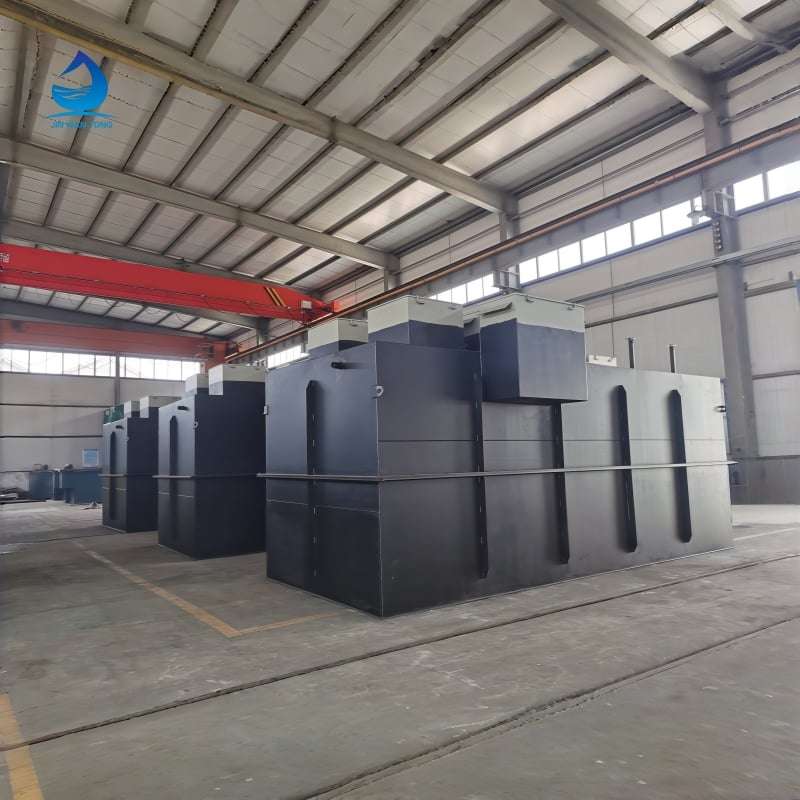
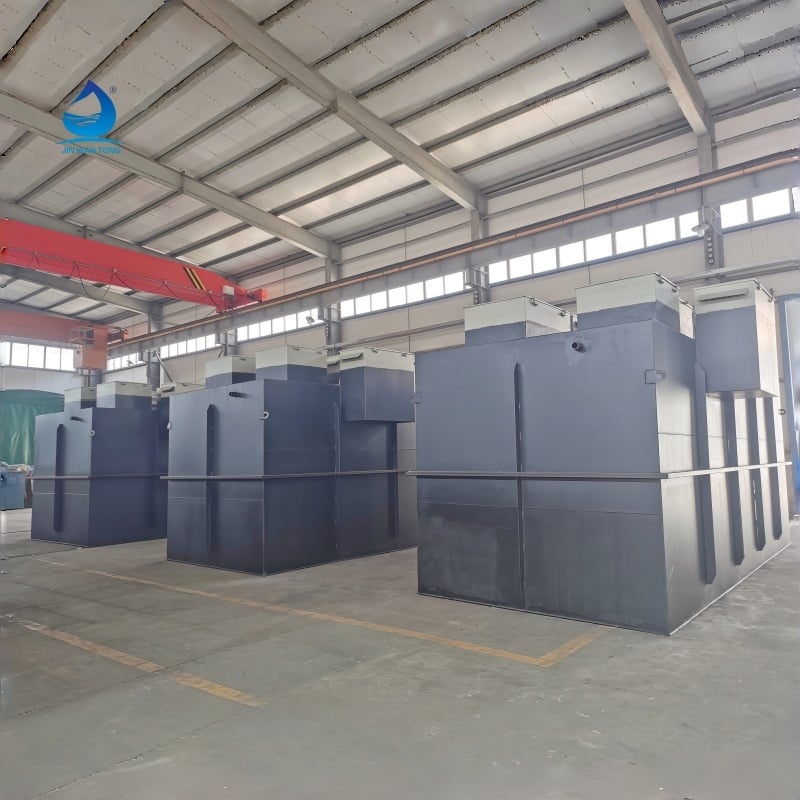
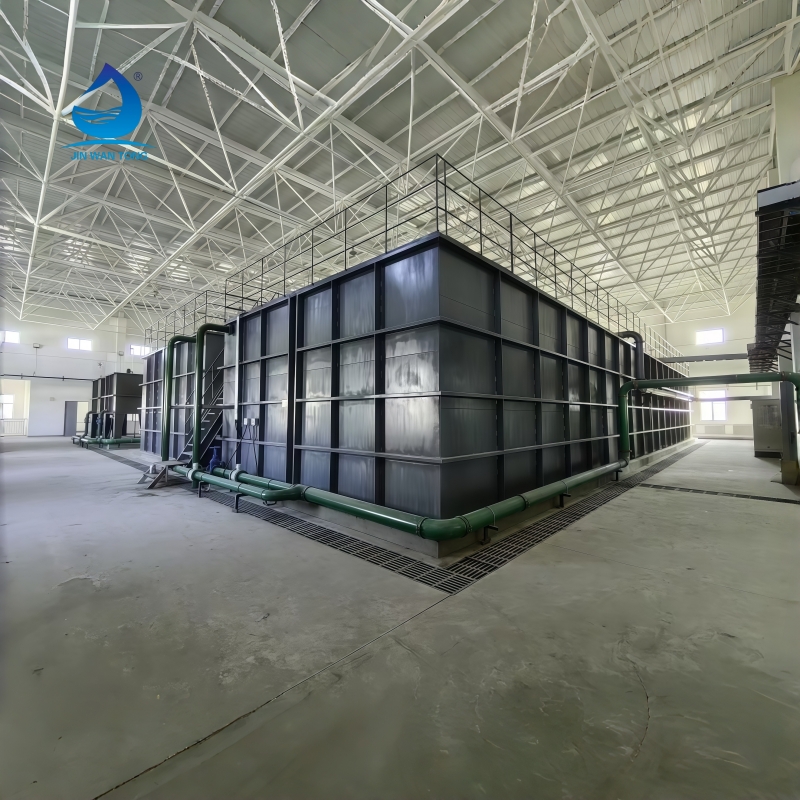
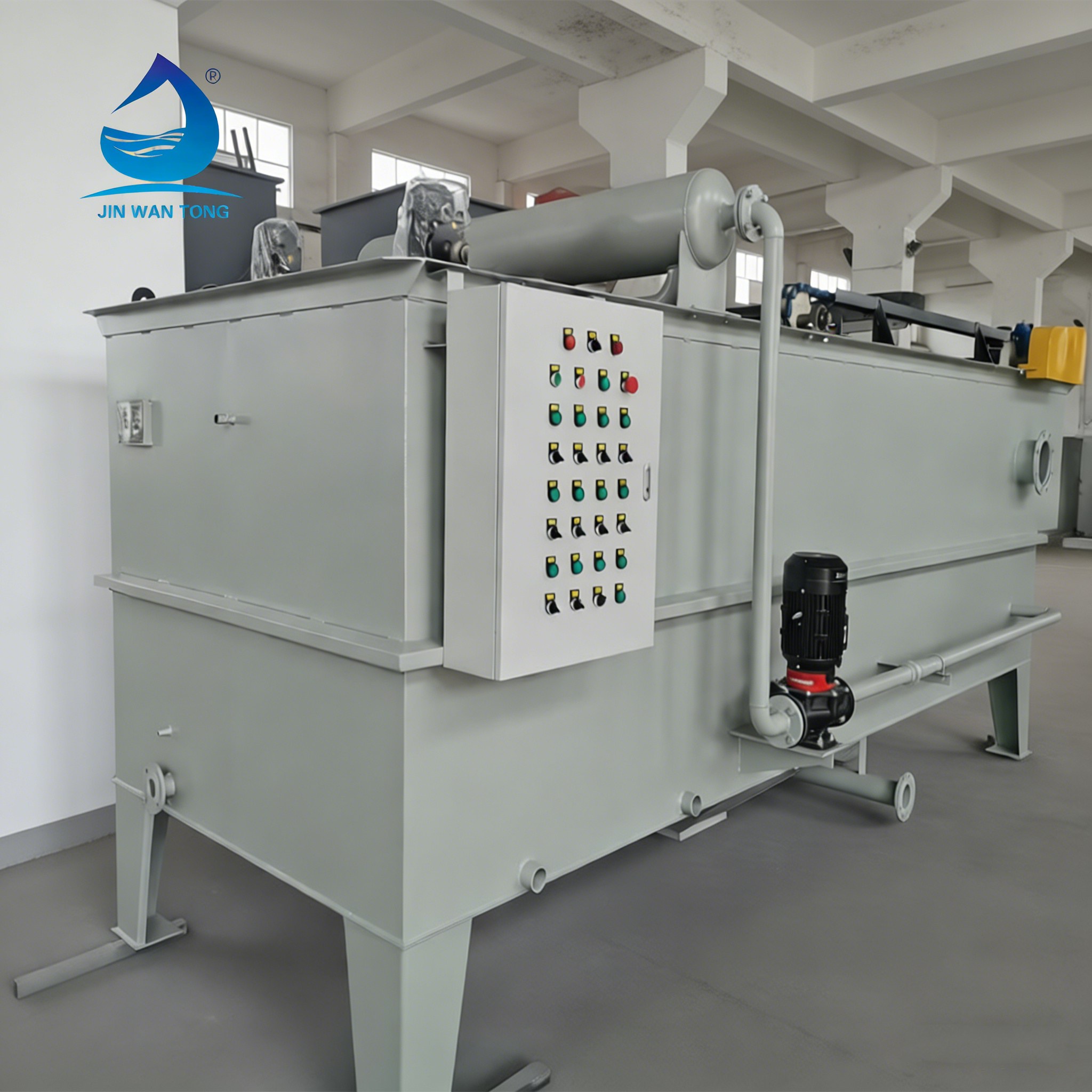
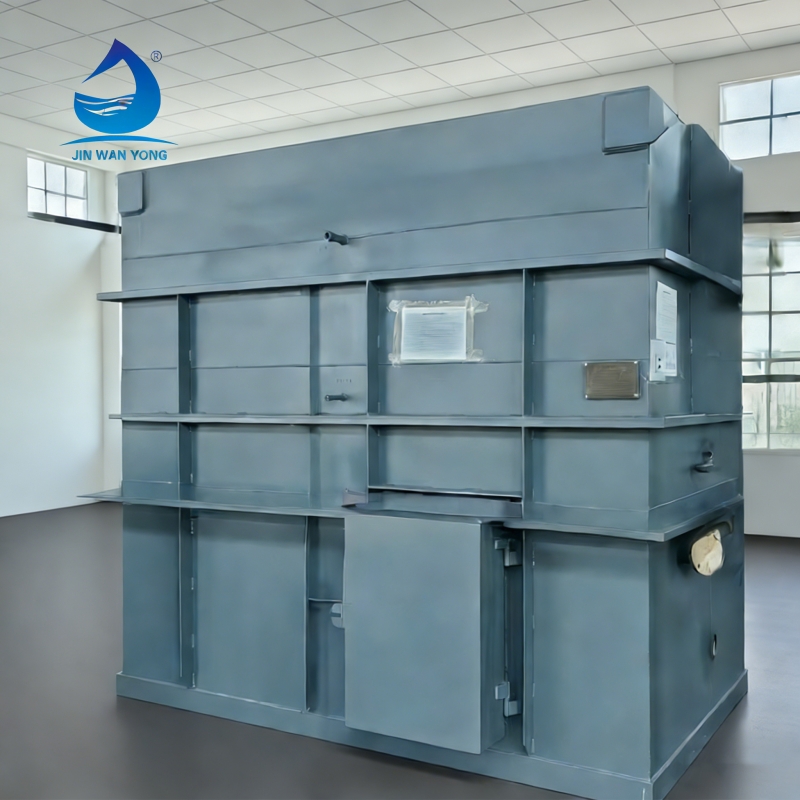
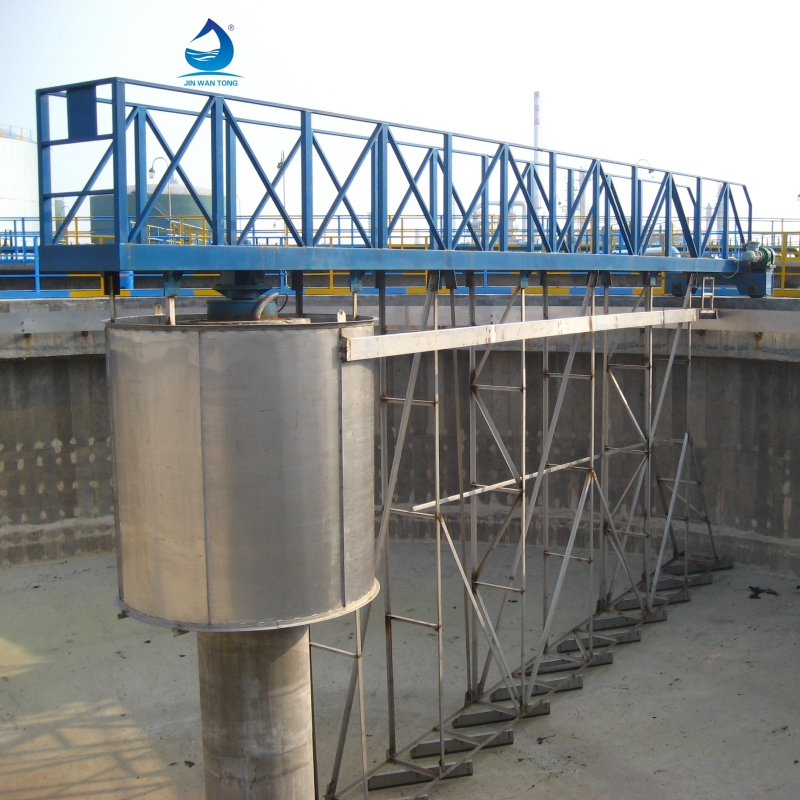
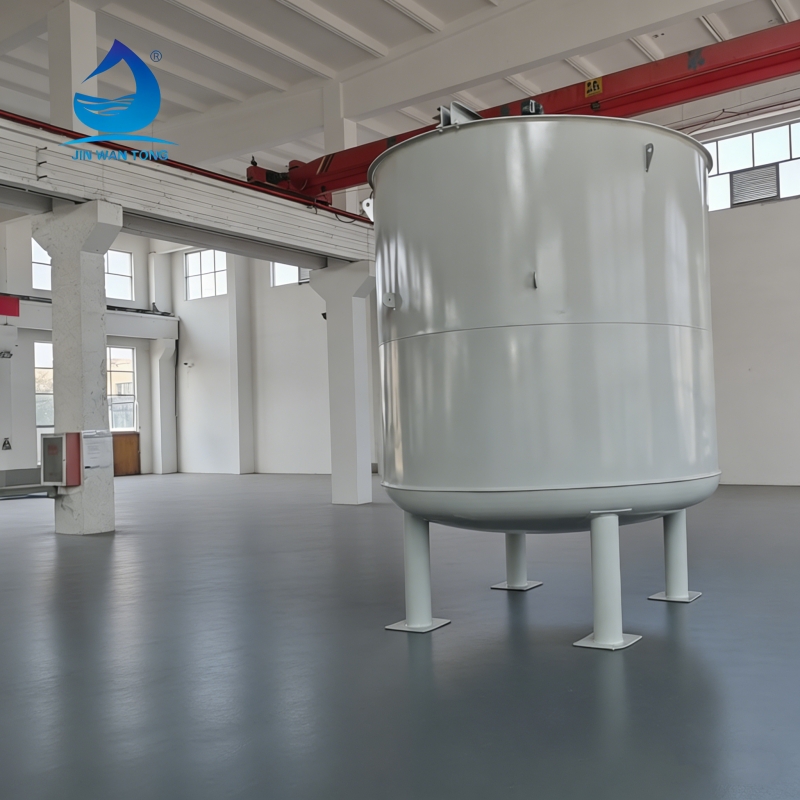
Advanced SBR Water Treatment Systems - Efficient Biological Wastewater Solutions

All Categories

Get a Free Quote

Our representative will contact you soon.
Email
Name
Company Name
Message
0/1000

sbr water treatment

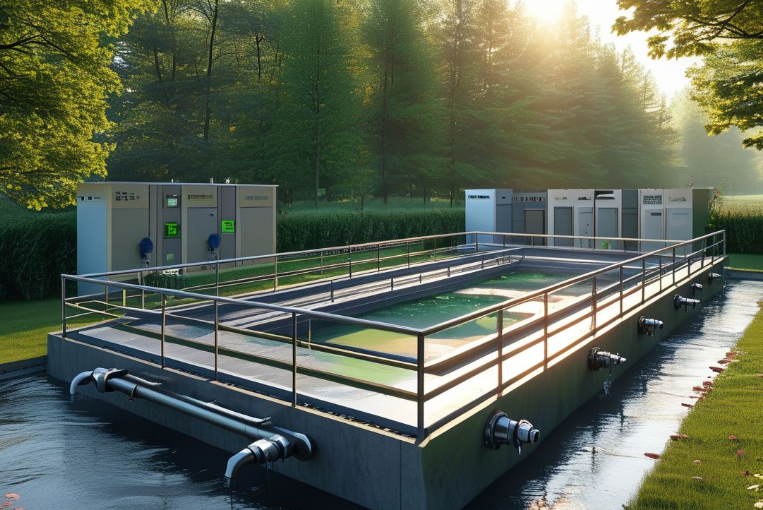
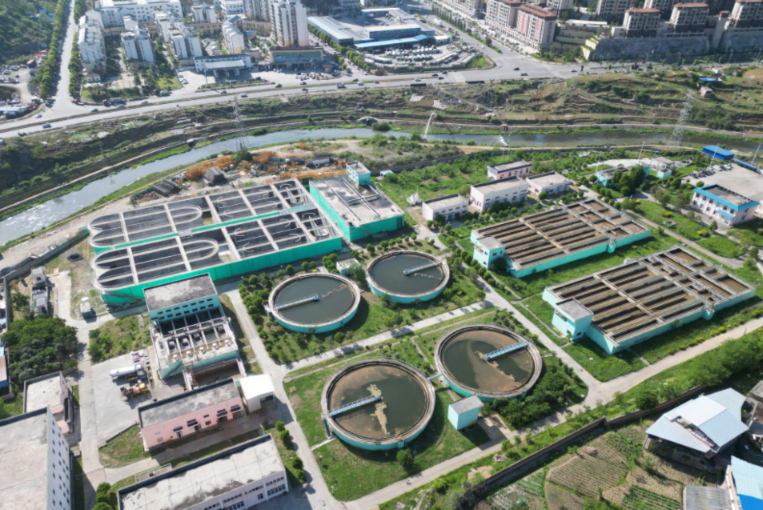
Sequencing Batch Reactor (SBR) water treatment represents a revolutionary approach to wastewater management that combines multiple treatment processes within a single reactor vessel. This innovative biological treatment system operates through carefully timed cycles that include filling, aerating, settling, and decanting phases, making it exceptionally versatile for various industrial and municipal applications. The SBR water treatment technology eliminates the need for separate clarifiers and return sludge systems, streamlining the entire treatment process while maintaining exceptional efficiency. The system's primary function centers on biological nutrient removal, particularly nitrogen and phosphorus elimination, through controlled aerobic and anaerobic conditions. During the filling phase, wastewater enters the reactor where microorganisms begin breaking down organic matter. The aeration phase introduces oxygen to support biological processes, while the settling phase allows solids to separate naturally. Finally, the decanting phase removes treated effluent, leaving biomass ready for the next cycle. This cyclical operation makes SBR water treatment particularly effective for handling variable flow rates and pollutant concentrations. The technology features advanced process control systems that automatically adjust cycle timing, aeration intensity, and chemical dosing based on real-time monitoring data. Key technological characteristics include flexible operation scheduling, excellent settling properties, and superior effluent quality consistency. Modern SBR water treatment systems incorporate sophisticated sensors for dissolved oxygen, pH, nutrient levels, and suspended solids monitoring. These systems find extensive applications in municipal wastewater treatment plants, industrial facilities, food processing operations, pharmaceutical manufacturing, and agricultural runoff management. The adaptability of SBR water treatment makes it suitable for both small-scale installations and large municipal operations, providing consistent performance across diverse operating conditions while meeting stringent environmental discharge standards.

New Product Releases

The primary advantage of SBR water treatment lies in its exceptional operational flexibility, allowing facility managers to adjust treatment parameters dynamically based on incoming wastewater characteristics and discharge requirements. This adaptability translates to significant cost savings through optimized chemical usage, reduced energy consumption, and minimized operational complexity. Unlike conventional activated sludge systems, SBR water treatment eliminates the need for separate settling tanks, return sludge pumps, and complex piping networks, substantially reducing initial capital investment and ongoing maintenance costs. The system achieves superior nutrient removal performance, consistently meeting or exceeding regulatory standards for nitrogen and phosphorus discharge limits without requiring additional tertiary treatment steps. Operators benefit from simplified process control through automated cycle management that reduces manual intervention requirements and minimizes the risk of operational errors. The compact footprint of SBR water treatment systems makes them ideal for space-constrained locations, requiring up to 30% less land area compared to conventional treatment methods. Energy efficiency represents another compelling advantage, as the system optimizes aeration timing and intensity based on actual oxygen demand rather than continuous operation. This intelligent approach reduces power consumption by 15-25% while maintaining optimal treatment performance. The technology demonstrates remarkable resilience to shock loads and flow variations, automatically adjusting cycle parameters to maintain consistent effluent quality during peak demand periods or unexpected discharge events. Maintenance requirements remain minimal due to fewer mechanical components and simplified system design, resulting in reduced downtime and lower lifecycle costs. The SBR water treatment system also provides excellent sludge characteristics with improved dewatering properties, reducing disposal volumes and associated costs. Environmental benefits include reduced chemical consumption, lower greenhouse gas emissions, and minimal noise generation, making these systems suitable for installation in sensitive areas near residential or commercial developments. The modular design allows for easy capacity expansion without disrupting existing operations, providing long-term scalability as treatment demands grow. Quality control advantages include consistent effluent characteristics regardless of influent variations, superior pathogen removal through extended aeration periods, and excellent color and odor reduction capabilities that enhance community acceptance and regulatory compliance.

Practical Tips

Overview of the Agricultural Wastewater Treatment Market

17

Dec

Overview of the Agricultural Wastewater Treatment Market

View More
Global Real-Time Wastewater Treatment Update

17

Dec

Global Real-Time Wastewater Treatment Update

View More
Navigating the Waters: The Role of an Industrial Wastewater Treatment Plant

17

Dec

Navigating the Waters: The Role of an Industrial Wastewater Treatment Plant

View More

Get a Free Quote

Our representative will contact you soon.
Email
Name
Company Name
Message
0/1000

sbr water treatment

Advanced Biological Nutrient Removal Technology

Advanced Biological Nutrient Removal Technology

The cornerstone feature of SBR water treatment systems lies in their sophisticated biological nutrient removal capabilities that surpass conventional treatment methods through precisely controlled environmental conditions. This technology creates optimal conditions for both nitrification and denitrification processes within the same reactor vessel, eliminating the need for separate treatment stages while achieving superior nitrogen removal efficiency. The system alternates between aerobic and anoxic phases during each treatment cycle, promoting the growth of specialized microorganisms that effectively consume nitrogen compounds and convert them to harmless nitrogen gas. Phosphorus removal occurs through enhanced biological phosphorus removal (EBPR) mechanisms, where phosphorus-accumulating organisms store and release phosphorus under carefully controlled feast-famine conditions. This biological approach eliminates the need for expensive chemical precipitation systems while achieving phosphorus removal rates exceeding 95%. The advanced process control system continuously monitors dissolved oxygen levels, pH, oxidation-reduction potential, and nutrient concentrations to optimize biological activity and maximize removal efficiency. Real-time data analysis allows the system to automatically adjust cycle timing, aeration intensity, and mixing patterns to maintain ideal conditions for different microbial populations. The technology incorporates sophisticated biomass management strategies that maintain optimal sludge age and mixed liquor suspended solids concentrations, ensuring consistent treatment performance across varying operating conditions. Temperature compensation algorithms adjust process parameters based on seasonal variations, maintaining high removal efficiency year-round. The system's ability to handle both carbon oxidation and nutrient removal in a single reactor significantly reduces treatment complexity while improving overall system reliability. Advanced monitoring capabilities include online analyzers for ammonia, nitrate, phosphate, and total suspended solids, providing operators with comprehensive process visibility and predictive maintenance capabilities. This integrated approach to biological nutrient removal makes SBR water treatment particularly valuable for facilities facing stringent discharge limits or those seeking to minimize their environmental footprint through sustainable treatment practices.
Intelligent Process Control and Automation

Intelligent Process Control and Automation

SBR water treatment systems feature cutting-edge intelligent process control technology that revolutionizes wastewater treatment through advanced automation, predictive analytics, and adaptive control algorithms. The sophisticated control system utilizes artificial intelligence and machine learning capabilities to optimize treatment cycles based on historical data patterns, real-time influent characteristics, and desired effluent quality targets. This intelligent automation continuously analyzes multiple process variables including flow rates, pollutant concentrations, temperature, pH, and dissolved oxygen levels to determine optimal cycle configurations for maximum treatment efficiency. The system employs predictive control algorithms that anticipate process changes and automatically adjust operational parameters before problems occur, preventing upset conditions and maintaining consistent effluent quality. Advanced sensor networks provide comprehensive real-time monitoring throughout the treatment process, including wireless sensor options that eliminate complex wiring requirements while providing reliable data transmission. The control system features intuitive human-machine interfaces that present complex process data in easily understood graphical formats, enabling operators to make informed decisions quickly and efficiently. Remote monitoring capabilities allow facility managers and technical support teams to access system performance data from anywhere, facilitating rapid response to operational issues and proactive maintenance scheduling. The automation technology includes adaptive learning features that improve system performance over time by analyzing operational data patterns and refining control strategies accordingly. Energy optimization algorithms continuously balance treatment requirements with power consumption, automatically reducing aeration intensity during low-load periods while maintaining adequate dissolved oxygen levels for biological processes. The system incorporates comprehensive alarm management with prioritized notifications, detailed diagnostic information, and automated response protocols that minimize the impact of operational disruptions. Integration capabilities allow seamless connection with existing plant control systems, SCADA networks, and enterprise resource planning software, providing comprehensive facility management capabilities. This intelligent process control technology significantly reduces operator skill requirements while improving treatment consistency, making SBR water treatment accessible to facilities with limited technical resources while maintaining professional-grade performance standards.
Modular Design and Scalability Solutions

Modular Design and Scalability Solutions

The innovative modular design philosophy of SBR water treatment systems provides unparalleled flexibility and scalability that adapts to changing treatment requirements while minimizing capital investment risks and operational disruptions. This modular approach allows facilities to implement treatment capacity in phases, starting with smaller units and expanding systematically as demand increases or regulatory requirements become more stringent. Each SBR module functions as an independent treatment unit while maintaining the ability to operate in parallel configurations for increased capacity or redundancy purposes. The standardized module design simplifies engineering, procurement, and construction processes, reducing project timelines and ensuring consistent performance across all treatment units. Manufacturing economies of scale achieved through modular standardization result in lower unit costs compared to custom-designed systems, making advanced treatment technology accessible to smaller communities and industrial facilities. The plug-and-play design philosophy enables rapid installation and commissioning, with pre-tested control systems and proven operational parameters that minimize startup complications and accelerate time-to-operation. Modular SBR water treatment systems accommodate site-specific constraints through flexible arrangement options that optimize available space while maintaining access for maintenance and operations. The design incorporates standardized connections for utilities, piping, and electrical systems, simplifying expansion projects and reducing installation costs for additional modules. Capacity planning becomes more precise with modular systems, as facilities can add treatment capacity in smaller increments that closely match actual demand growth rather than oversizing systems based on long-term projections. This approach minimizes stranded capital investment and improves project financial performance through better capacity utilization. The modular design also enhances system reliability through built-in redundancy, as individual modules can be taken offline for maintenance while others continue operating, ensuring continuous treatment capability. Standardized spare parts inventory across all modules reduces maintenance costs and simplifies procurement processes, while common training requirements for operators improve operational efficiency. The scalability extends beyond capacity increases to include technology upgrades, as individual modules can be enhanced with advanced sensors, control systems, or treatment enhancements without affecting the entire facility. This future-proofing capability protects long-term investment value while ensuring compliance with evolving regulatory standards and treatment objectives through systematic technology advancement rather than complete system replacement.
Advanced SBR Water Treatment Systems - Efficient Biological Wastewater Solutions

Get a Free Quote

Our representative will contact you soon.
Email
Name
Company Name
Message
0/1000