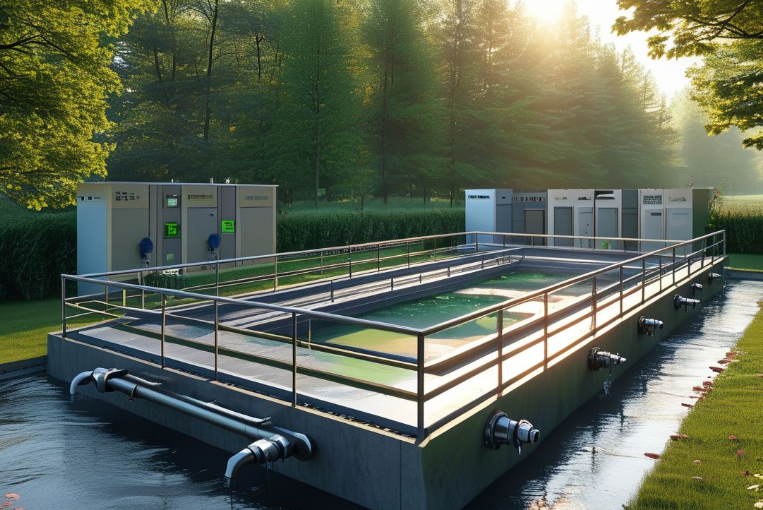
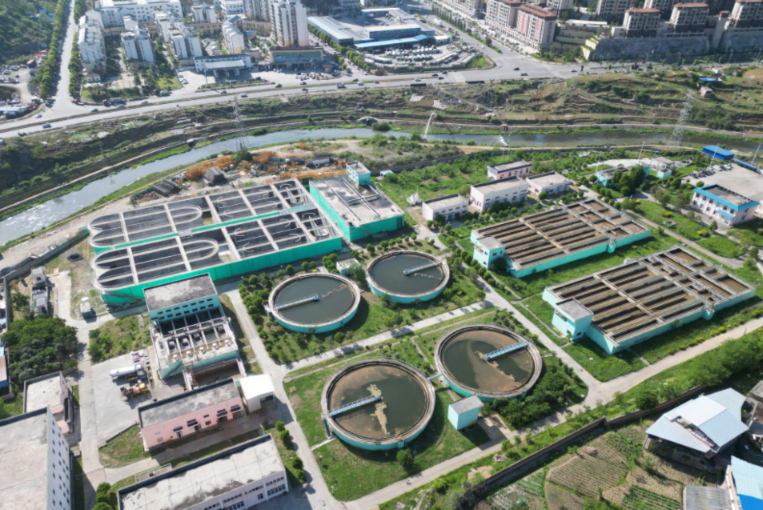
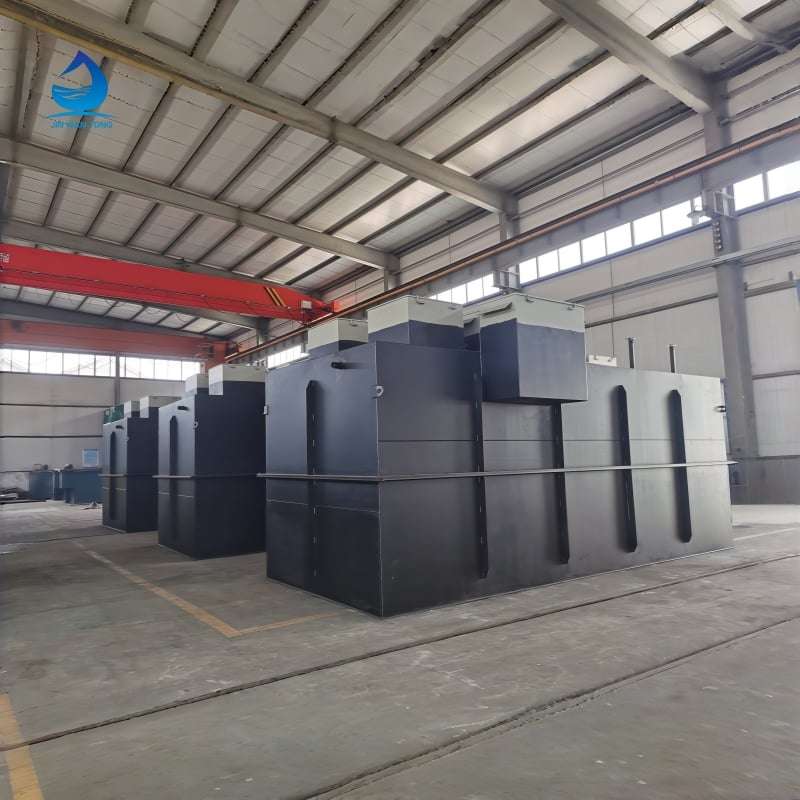
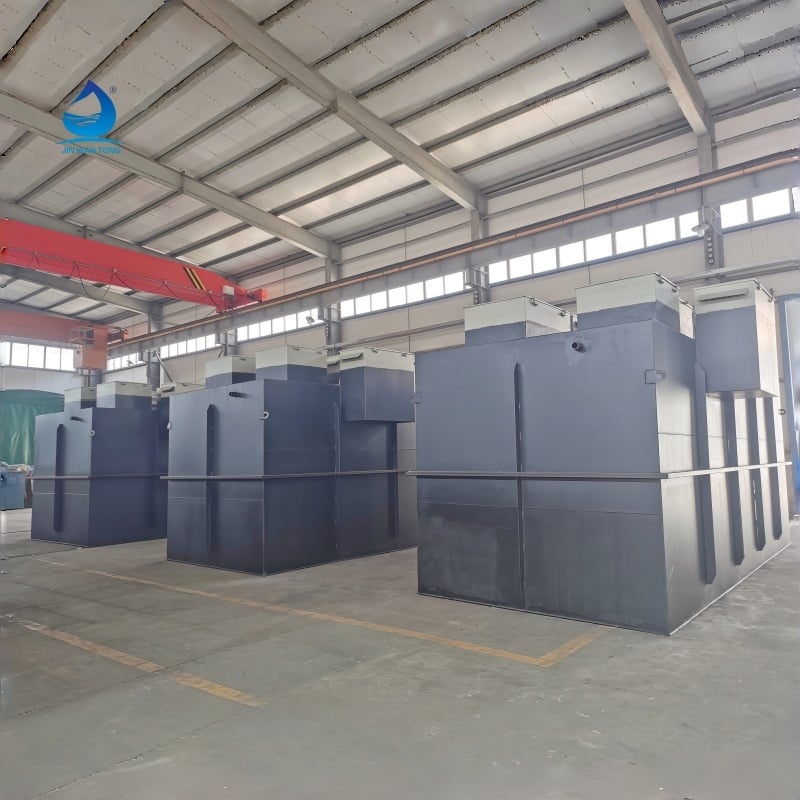
An SBR wastewater treatment plant is a biological wastewater treatment system based on Sequencing Batch Reactor technology. Unlike conventional continuous-flow activated sludge systems, SBR completes multiple treatment steps in one reactor by controlling operation time. These steps usually include filling, aeration/reaction, settling, decanting and idle or sludge discharge.
The basic process is:
Influent → Fill → Aeration/Reaction → Settling → Decanting → Sludge DischargeDuring the filling stage, wastewater enters the reactor. In the aeration and reaction stage, blowers supply oxygen and microorganisms degrade organic pollutants such as COD and BOD. Under suitable control conditions, SBR can also support nitrification and denitrification for ammonia nitrogen and total nitrogen reduction. During settling, aeration stops and activated sludge settles at the bottom. Clear supernatant is then discharged through a decanter. Excess sludge is removed periodically to maintain proper biomass concentration.
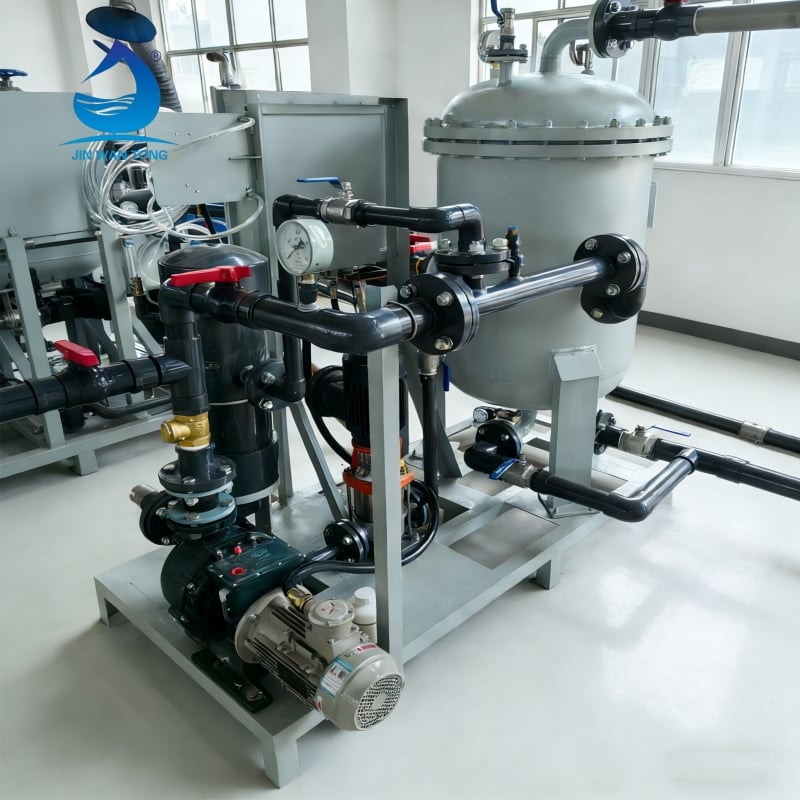
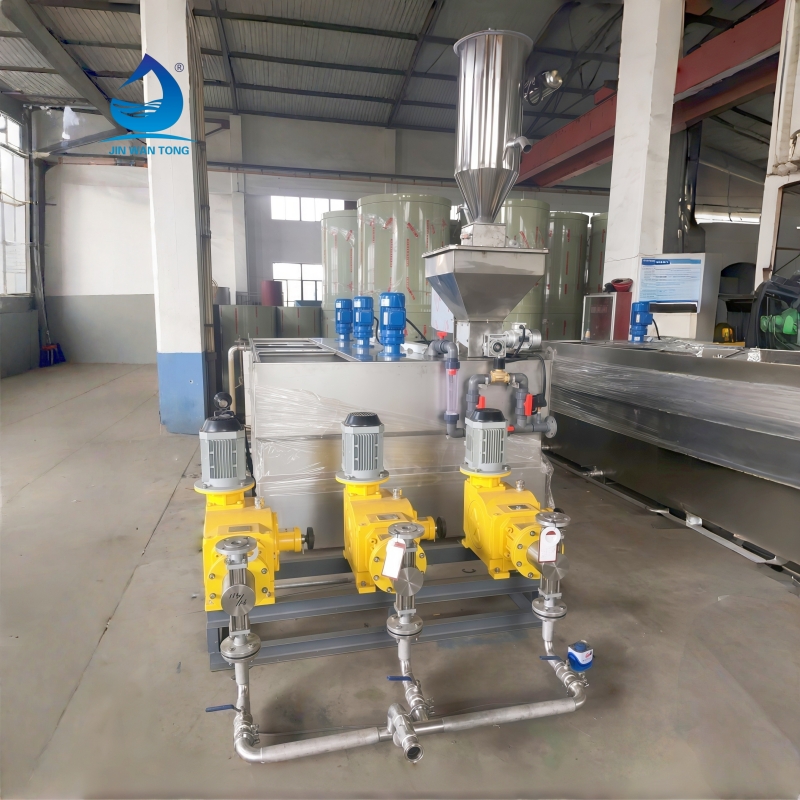
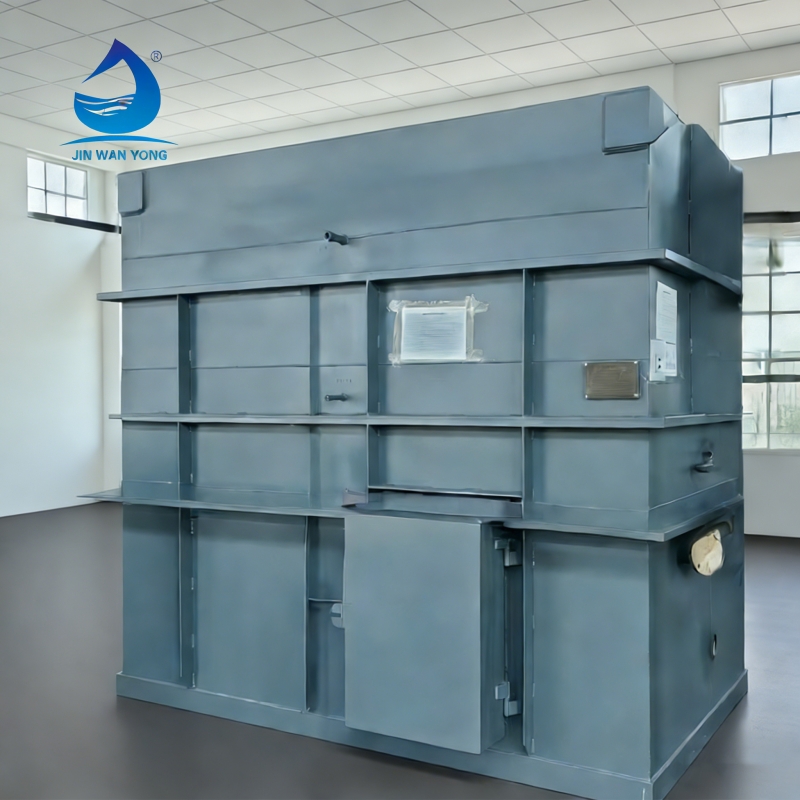
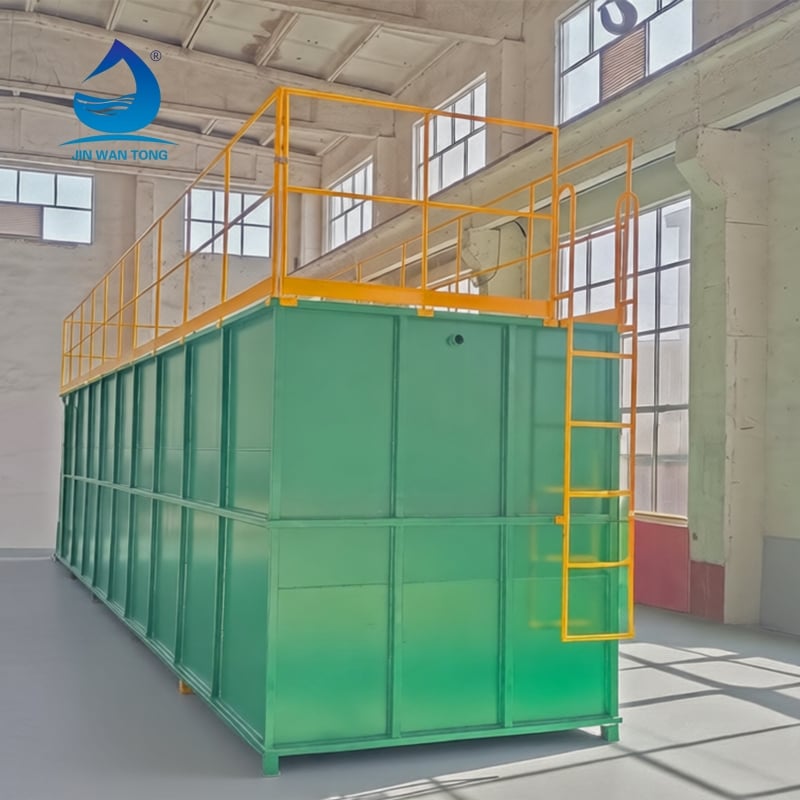
A typical SBR wastewater treatment plant may include a regulating tank, screen or grit removal unit, SBR reactor, aeration blower, diffuser system, decanter, sludge discharge pump, control cabinet, PLC control system, pipelines, valves and optional disinfection or filtration units. For projects with oily or high-solid wastewater, pretreatment such as grease traps, CPI oil-water separators, DAF dissolved air flotation or chemical dosing may be required before the biological stage.
SBR is suitable for projects where wastewater flow and pollutant load fluctuate. It is commonly used for domestic sewage treatment, residential communities, hotels, schools, factories, rural sewage projects, industrial parks and small-to-medium municipal wastewater treatment. Because several treatment steps occur in the same tank, the system can reduce the need for separate secondary clarifiers and simplify layout.
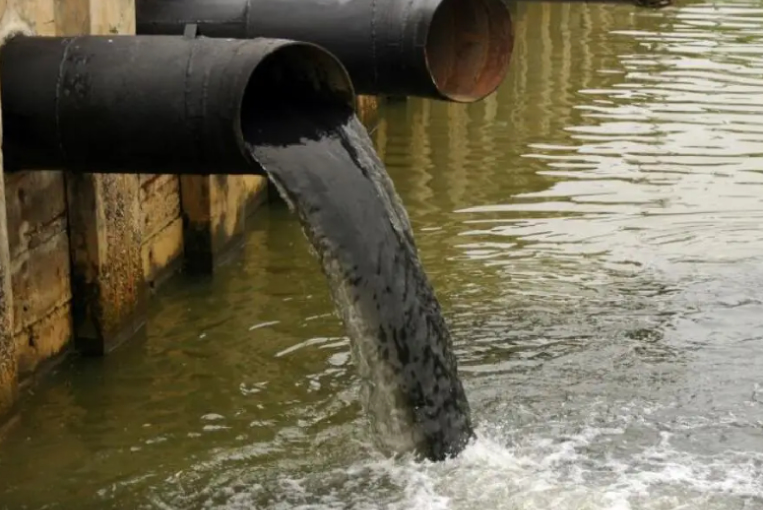
For correct selection, buyers should provide daily flow rate, hourly peak flow, influent COD, BOD, ammonia nitrogen, total nitrogen, phosphorus, TSS, pH, temperature, oil content if any, discharge standard, available land, power conditions and automation requirements. These parameters affect tank volume, cycle time, aeration capacity, sludge age, decanter design and control logic.
It is important to understand the application boundary. SBR is effective for biodegradable wastewater, but it is not a universal solution for all industrial effluents. Toxic substances, heavy metals, high salinity, strong acidity/alkalinity, high oil content or poor biodegradability may inhibit microorganisms. In such cases, physical-chemical pretreatment, dilution, neutralization or alternative processes may be necessary.
Qingdao Jinwantong provides customized wastewater treatment equipment and complete process support. Buyers can send water quality data, flow rate, discharge target and site layout to receive technical selection and quotation for an SBR-based wastewater treatment solution.
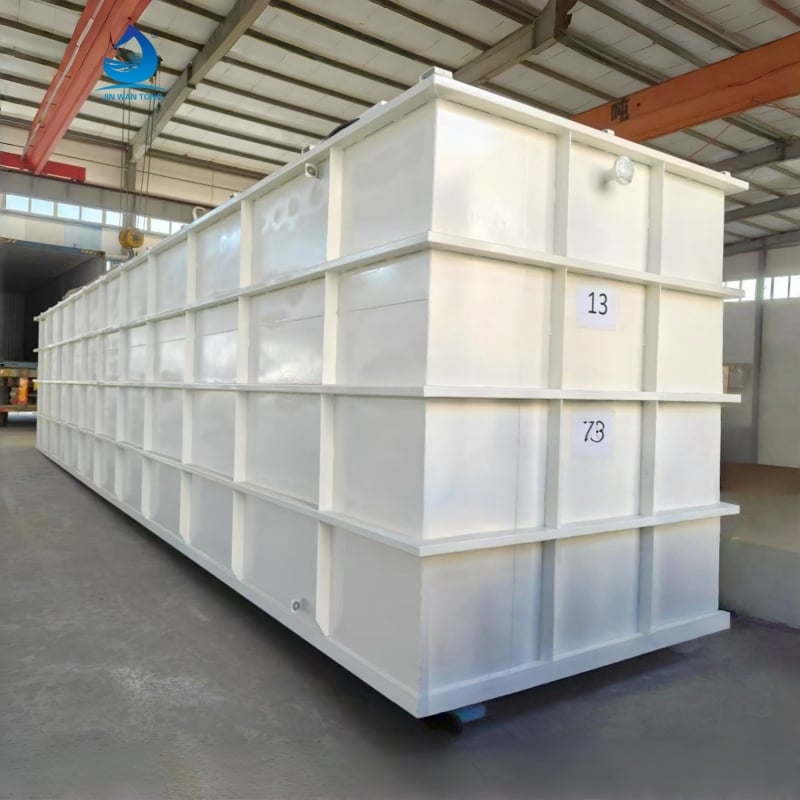
Qingdao Jinwantong provides industrial sewage treatment equipment for global clients. Our MBR, DAF, STP, and oil-water separation systems ensure compliance with national discharge standards. Trusted across 6 continents. Contact us today.
43,Cangnan Road, Cangma Town, Qingdao, Shandong, China
Copyright © 2026 Qingdao Jinwantong Environmental Science And Technology Co., Ltd. All rights reserved. Privacy Policy
 EN
EN