SBR Process Wastewater Treatment: Advanced Biological Treatment Solutions

All Categories

Get a Free Quote

Our representative will contact you soon.
Email
Name
Company Name
Message
0/1000

sbr process wastewater treatment

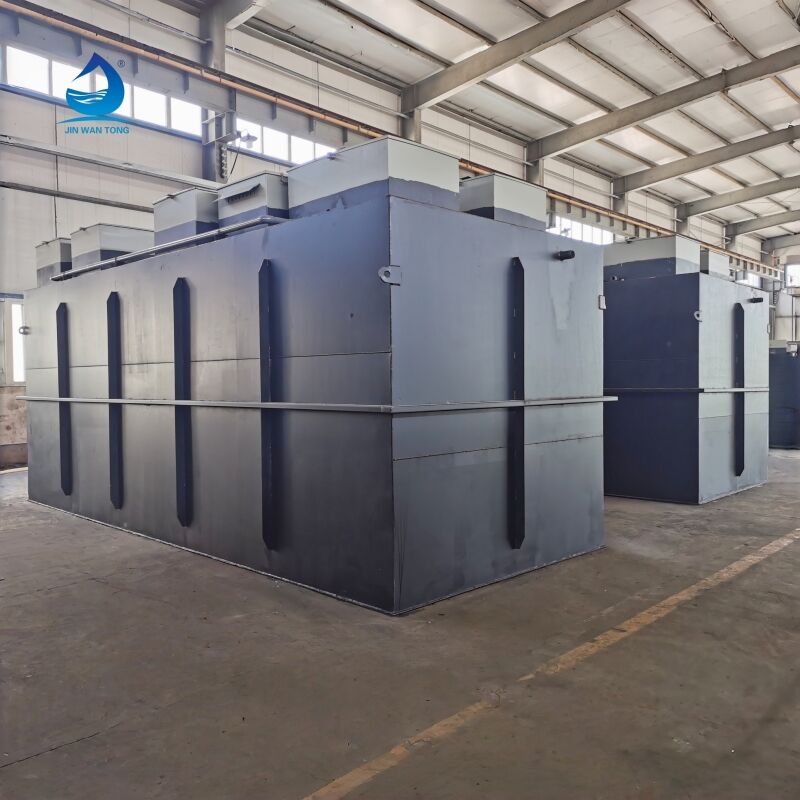
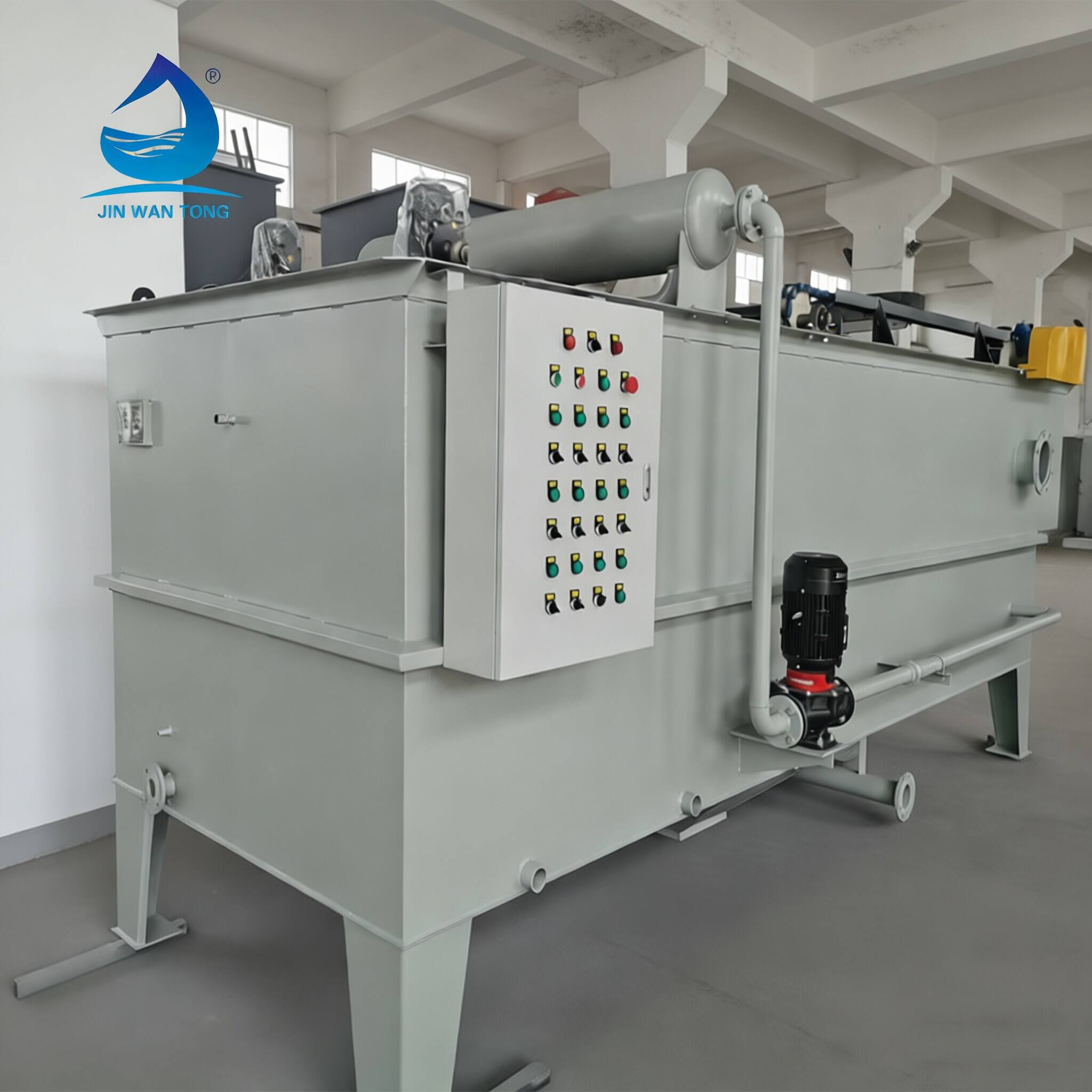
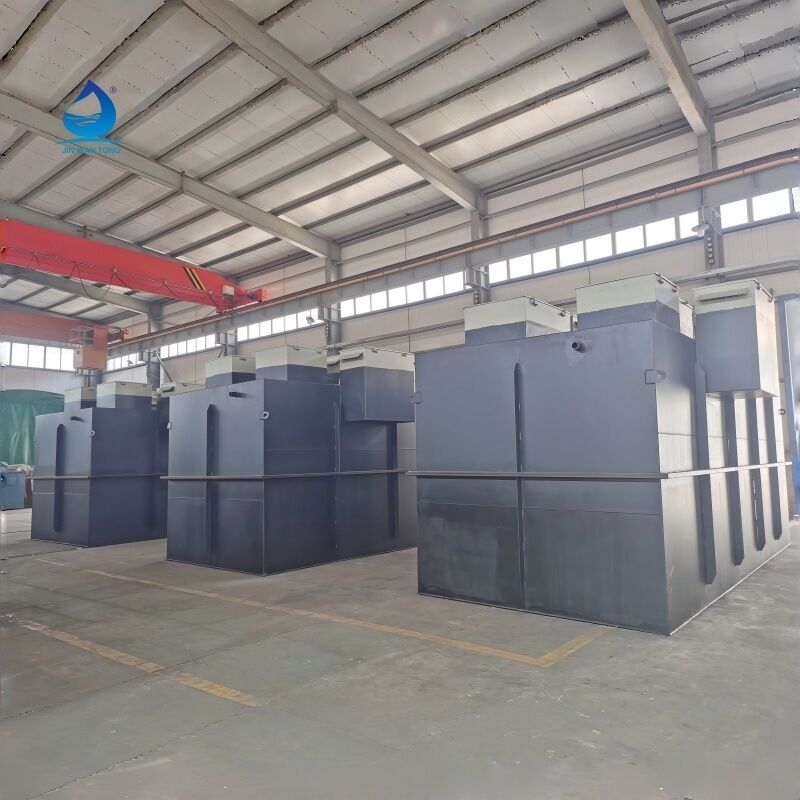
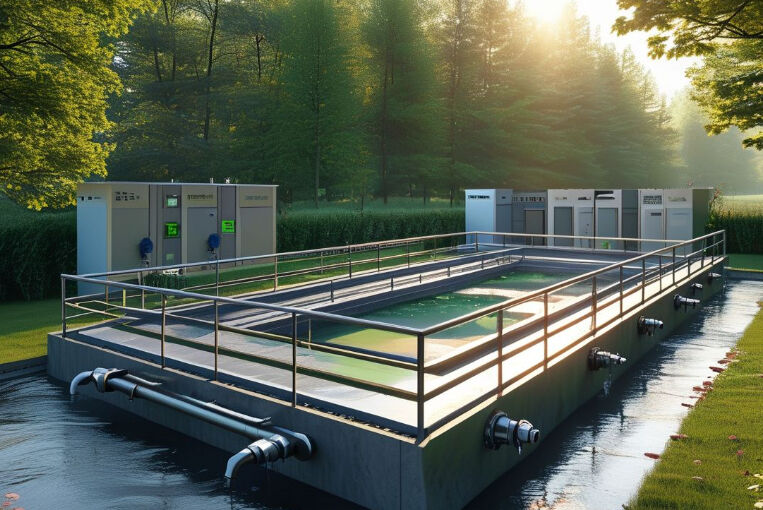
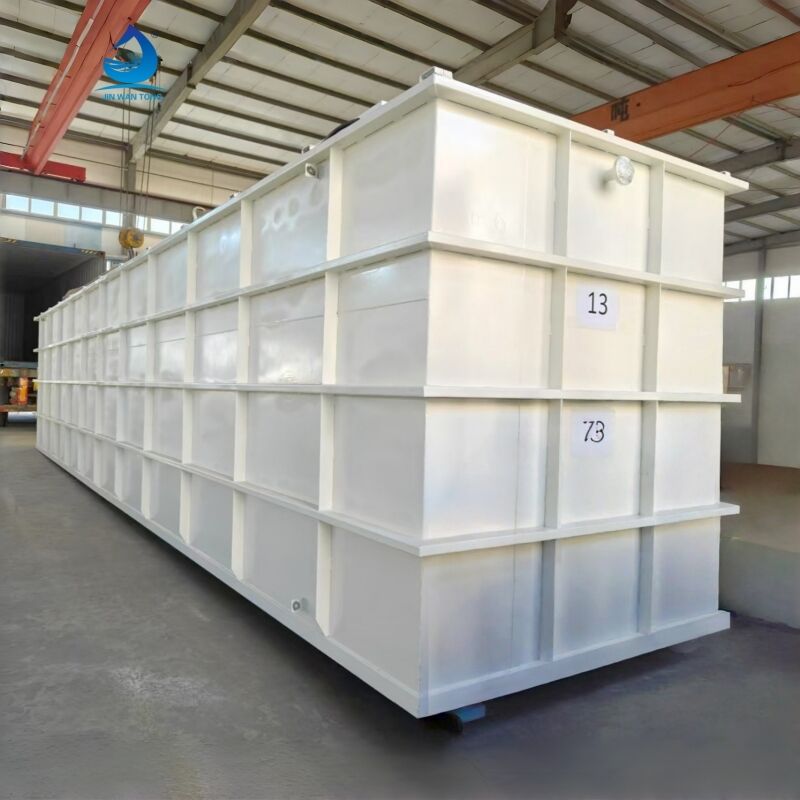
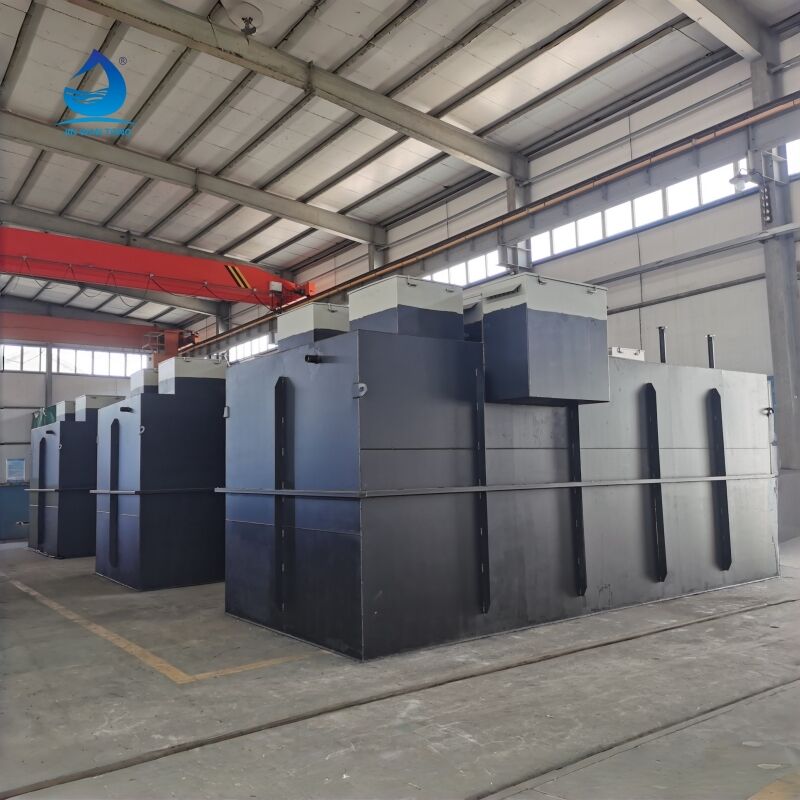
The SBR process wastewater treatment represents an innovative biological treatment technology that operates within a single reactor vessel, combining multiple treatment phases in a sequential batch approach. This advanced wastewater treatment methodology utilizes activated sludge principles to effectively remove organic pollutants, nutrients, and suspended solids from various wastewater streams. The SBR process wastewater treatment system functions through distinct operational phases including fill, react, settle, decant, and idle periods, each carefully controlled to optimize treatment performance. During the fill phase, untreated wastewater enters the reactor while biological processes begin immediately. The react phase involves intensive aeration and mixing to promote biological oxidation and nutrient removal. Subsequently, the settle phase allows solids separation through gravity settling, followed by the decant phase where treated effluent is withdrawn. The technological features of the SBR process wastewater treatment include programmable logic controllers for automated operation, sophisticated aeration systems, and flexible operating cycles that can be adjusted based on influent characteristics and treatment requirements. This technology demonstrates exceptional versatility in handling varying flow rates and pollutant concentrations, making it suitable for industrial facilities, municipal treatment plants, and specialized applications. The SBR process wastewater treatment applications span across pharmaceutical manufacturing, food processing, textile industries, petrochemical facilities, and residential developments. Its compact design eliminates the need for separate clarifiers and return sludge systems, reducing infrastructure requirements while maintaining superior treatment efficiency. The system excels in removing biochemical oxygen demand, chemical oxygen demand, total suspended solids, nitrogen, and phosphorus compounds from wastewater streams, ensuring compliance with stringent environmental discharge standards.
Popular Products

The SBR process wastewater treatment delivers numerous practical benefits that make it an attractive solution for organizations seeking efficient and cost-effective water treatment. First, this technology significantly reduces infrastructure costs by consolidating multiple treatment processes into a single reactor vessel, eliminating the need for separate primary clarifiers, secondary clarifiers, and return sludge pumping systems. Facilities implementing the SBR process wastewater treatment experience lower construction expenses and reduced land requirements compared to conventional treatment methods. The operational flexibility of this system allows operators to adjust treatment cycles based on changing influent conditions, ensuring consistent performance during peak flow periods or varying pollutant loads. Energy efficiency represents another major advantage of the SBR process wastewater treatment, as the system optimizes aeration timing and intensity based on actual treatment demands rather than continuous operation. This intelligent approach reduces electricity consumption by up to thirty percent compared to traditional activated sludge systems. The automated control systems minimize labor requirements while maintaining precise treatment performance, reducing operational costs and human error risks. Maintenance requirements remain minimal due to the simplified equipment configuration and reduced mechanical components in the SBR process wastewater treatment system. The technology produces high-quality effluent consistently, often exceeding regulatory requirements for discharge or reuse applications. Sludge production is typically lower than conventional systems, reducing disposal costs and environmental impact. The SBR process wastewater treatment adapts easily to facility expansions or treatment requirement changes through programming modifications rather than extensive physical alterations. Organizations benefit from faster project implementation timelines due to standardized system designs and proven performance records. The compact footprint makes this technology ideal for space-constrained locations while delivering treatment capacity equivalent to much larger conventional systems. Environmental benefits include reduced chemical consumption, lower greenhouse gas emissions, and improved resource recovery potential, supporting corporate sustainability goals and regulatory compliance objectives.

Practical Tips

Overview of the Agricultural Wastewater Treatment Market

17

Dec

Overview of the Agricultural Wastewater Treatment Market

View More
Global Real-Time Wastewater Treatment Update

17

Dec

Global Real-Time Wastewater Treatment Update

View More
Navigating the Waters: The Role of an Industrial Wastewater Treatment Plant

17

Dec

Navigating the Waters: The Role of an Industrial Wastewater Treatment Plant

View More

Get a Free Quote

Our representative will contact you soon.
Email
Name
Company Name
Message
0/1000

sbr process wastewater treatment

Advanced Biological Nutrient Removal Capabilities

Advanced Biological Nutrient Removal Capabilities

The SBR process wastewater treatment excels in advanced biological nutrient removal, particularly for nitrogen and phosphorus compounds that pose significant environmental challenges when discharged into water bodies. This sophisticated treatment capability stems from the unique operational sequence that creates alternating aerobic and anaerobic conditions within the same reactor vessel. During the aerobic phases, nitrifying bacteria convert ammonia nitrogen into nitrites and nitrates, while the anaerobic periods facilitate denitrification processes that transform nitrates into harmless nitrogen gas. The SBR process wastewater treatment achieves enhanced biological phosphorus removal through the feast-famine cycling that encourages phosphorus-accumulating organisms to uptake and store excess phosphorus during aerobic conditions. This biological approach eliminates the need for chemical precipitation systems and reduces chemical consumption significantly. The flexibility to adjust cycle timing allows operators to optimize nutrient removal based on specific influent characteristics and discharge requirements. Many facilities achieve total nitrogen removal efficiencies exceeding ninety percent and phosphorus removal rates above eighty-five percent using the SBR process wastewater treatment. The system maintains stable performance even during seasonal variations or industrial discharge fluctuations that commonly challenge conventional treatment systems. Advanced control algorithms monitor dissolved oxygen levels, pH, and nutrient concentrations in real-time, automatically adjusting operational parameters to maintain optimal biological conditions. This intelligent management ensures consistent nutrient removal performance while minimizing energy consumption and operational intervention. The biological nutrient removal capability of the SBR process wastewater treatment supports compliance with increasingly stringent environmental regulations while providing cost-effective treatment compared to chemical alternatives. Organizations benefit from reduced chemical storage requirements, lower sludge production, and improved treatment sustainability through this advanced biological approach.
Exceptional Operational Flexibility and Adaptability

Exceptional Operational Flexibility and Adaptability

The SBR process wastewater treatment demonstrates unparalleled operational flexibility that allows facilities to adapt treatment performance to varying conditions and requirements without major infrastructure modifications. This adaptability represents a crucial advantage for industries experiencing seasonal production changes, varying wastewater characteristics, or evolving environmental regulations. The programmable control systems enable operators to modify fill times, aeration periods, settling durations, and decant volumes based on real-time conditions or predetermined schedules. This flexibility ensures optimal treatment performance regardless of flow rate variations or pollutant concentration changes that commonly challenge conventional treatment systems. The SBR process wastewater treatment accommodates influent flow variations ranging from twenty-five percent to one hundred fifty percent of design capacity without compromising effluent quality. Multiple reactor configurations allow facilities to operate individual units independently, providing redundancy and enabling maintenance activities without interrupting treatment operations. The system responds rapidly to process upsets or emergency conditions through automatic adjustments to operational parameters, minimizing impact on treatment performance. Operators can implement specialized treatment protocols for different wastewater streams or seasonal requirements by modifying the control programming rather than installing additional equipment. The SBR process wastewater treatment supports future expansion needs through modular design approaches that allow capacity increases by adding additional reactor units rather than replacing entire systems. This scalability provides significant economic advantages for growing facilities or operations with uncertain future treatment demands. The technology adapts to changing discharge requirements or treatment standards through programming updates, avoiding costly infrastructure modifications. Seasonal optimization capabilities allow facilities to adjust treatment intensity based on receiving water conditions or regulatory requirements that vary throughout the year. The operational flexibility of the SBR process wastewater treatment extends to maintenance scheduling, allowing planned maintenance activities during low-flow periods while maintaining treatment capacity through parallel reactor operation.
Superior Space Efficiency and Compact Design

Superior Space Efficiency and Compact Design

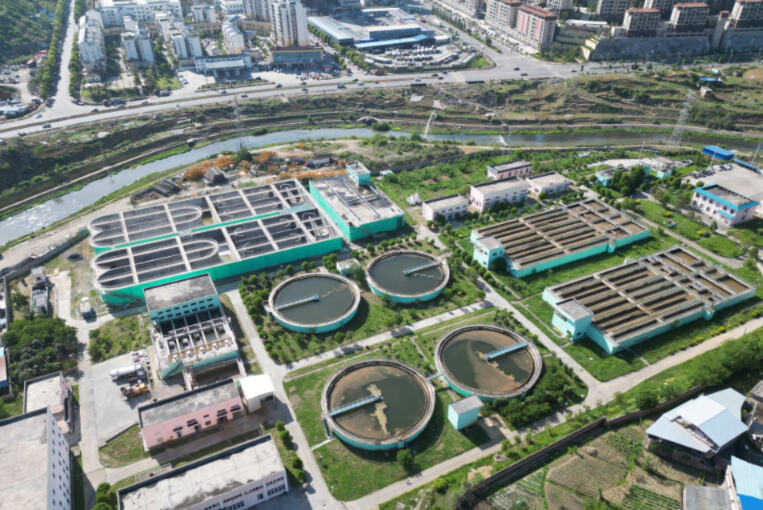
The SBR process wastewater treatment delivers exceptional space efficiency through its innovative design that consolidates multiple treatment functions into compact reactor units, making it ideal for facilities with limited available land or urban locations where space constraints significantly impact project feasibility. Traditional wastewater treatment systems require separate tanks for primary clarification, aeration, secondary clarification, and sludge handling, consuming substantial land areas and requiring extensive interconnecting piping systems. The SBR process wastewater treatment eliminates these space-intensive components by performing all treatment functions within sequencing batch reactors that cycle through different operational modes. This consolidation typically reduces the required treatment plant footprint by forty to sixty percent compared to conventional activated sludge systems of equivalent capacity. The compact design benefits extend beyond initial land requirements, as reduced piping networks and simplified layouts decrease construction costs and ongoing maintenance needs. Urban facilities particularly benefit from the space efficiency of the SBR process wastewater treatment, enabling treatment plant installation in densely developed areas where conventional systems would be impractical. The vertical reactor configuration maximizes treatment capacity within minimal horizontal space requirements, allowing facilities to achieve higher treatment volumes per square foot of occupied area. Retrofit applications gain significant advantages from the compact design, as existing buildings or confined spaces can accommodate SBR process wastewater treatment systems where conventional technologies would not fit. The simplified layout reduces civil engineering requirements and minimizes site preparation costs, accelerating project timelines and reducing overall capital investment. Industrial facilities benefit from integrating treatment systems closer to process discharge points, reducing conveyance costs and enabling better process control. The modular nature of the SBR process wastewater treatment supports phased construction approaches, allowing facilities to implement treatment capacity incrementally as needs develop or budgets permit. Maintenance access remains excellent despite the compact configuration, with equipment arranged for efficient servicing and component replacement without extensive system disruption.
SBR Process Wastewater Treatment: Advanced Biological Treatment Solutions

Get a Free Quote

Our representative will contact you soon.
Email
Name
Company Name
Message
0/1000