Advanced Sewage Treatment Plant Machinery - Complete Wastewater Solutions

All Categories

Get a Free Quote

Our representative will contact you soon.
Email
Name
Company Name
Message
0/1000

sewage treatment plant machinery

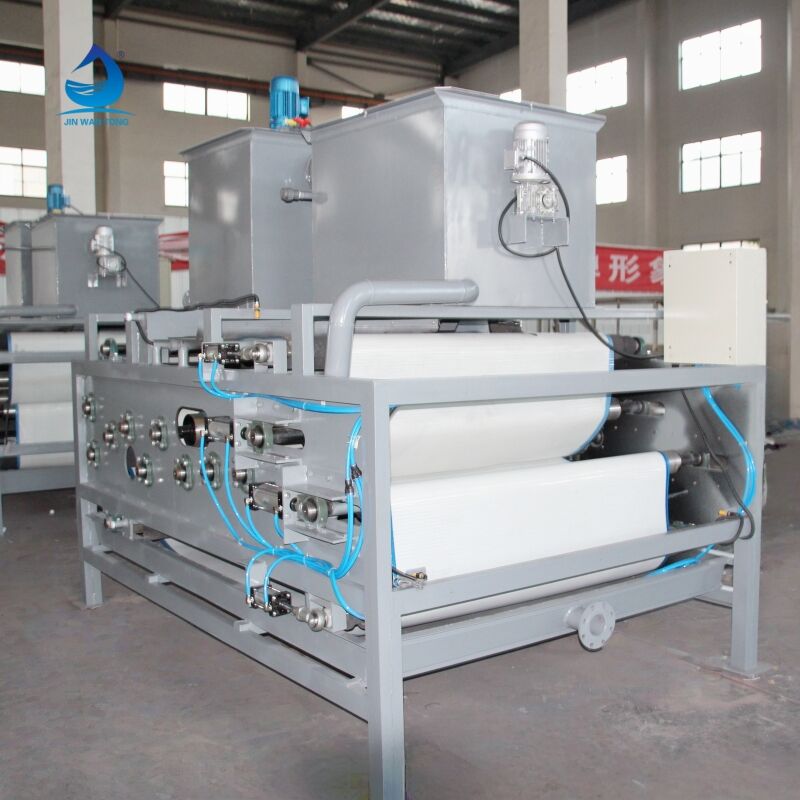
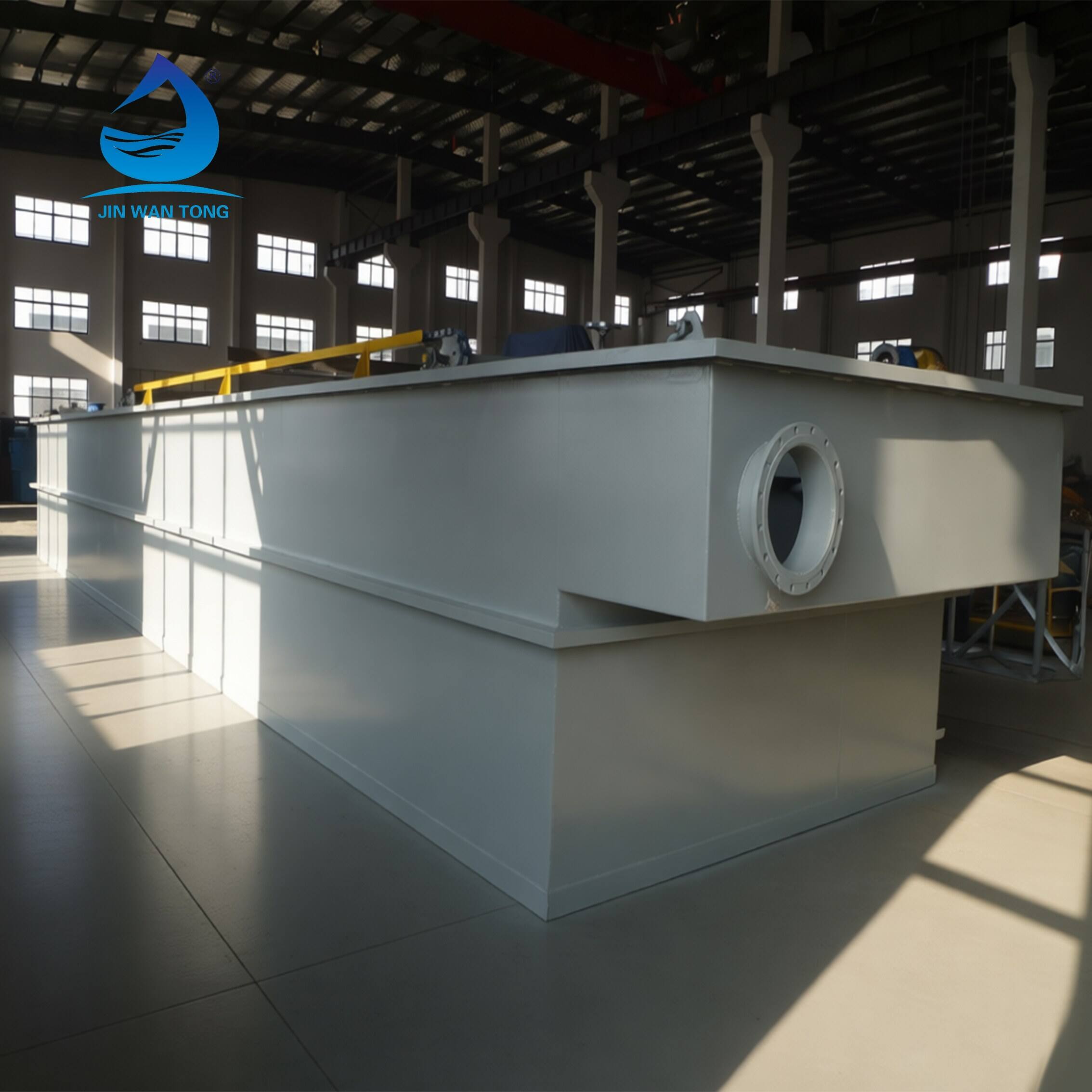
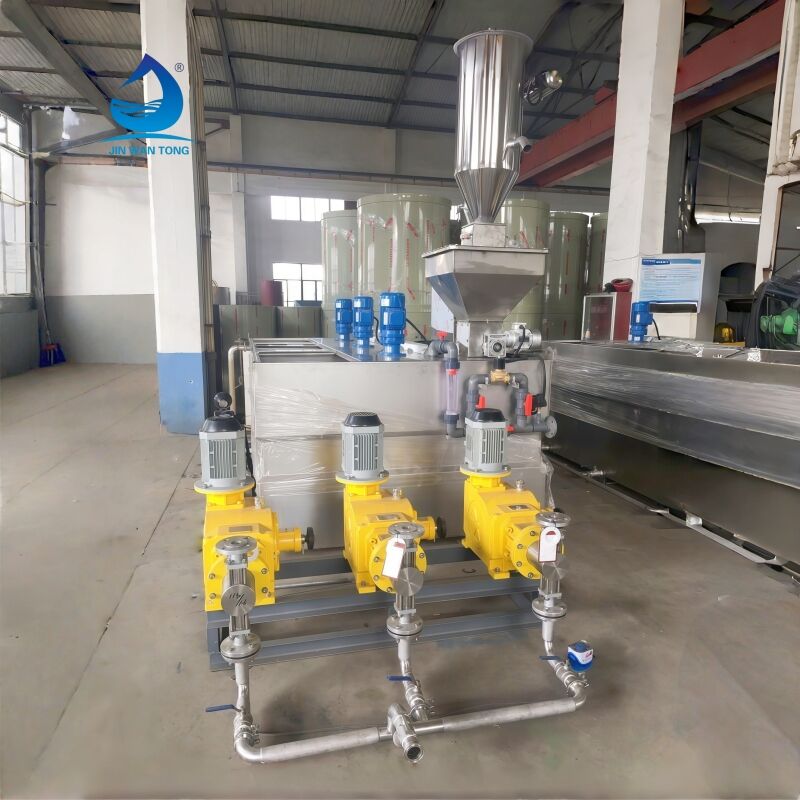
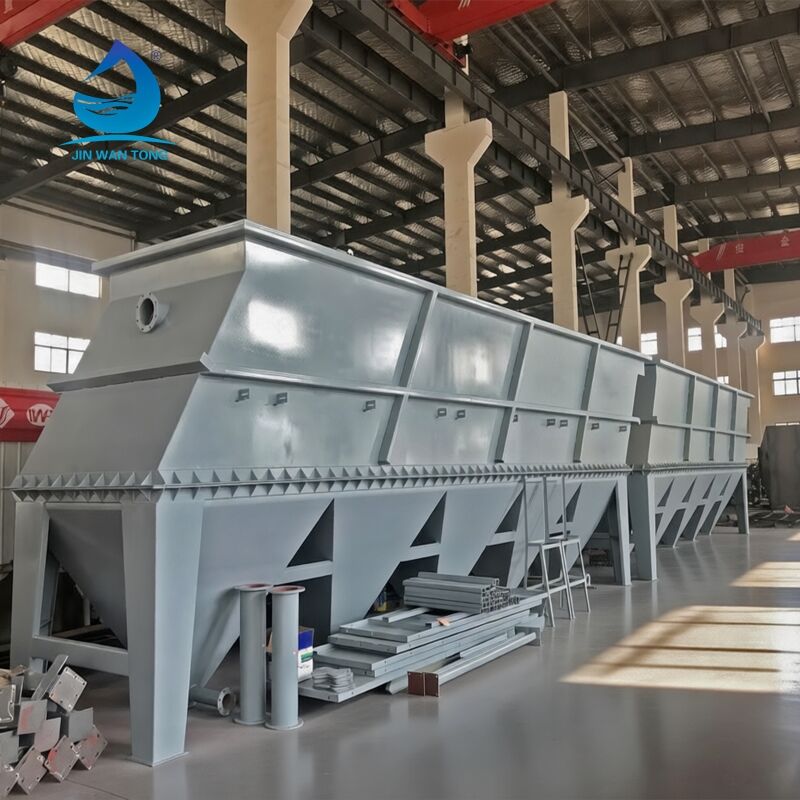
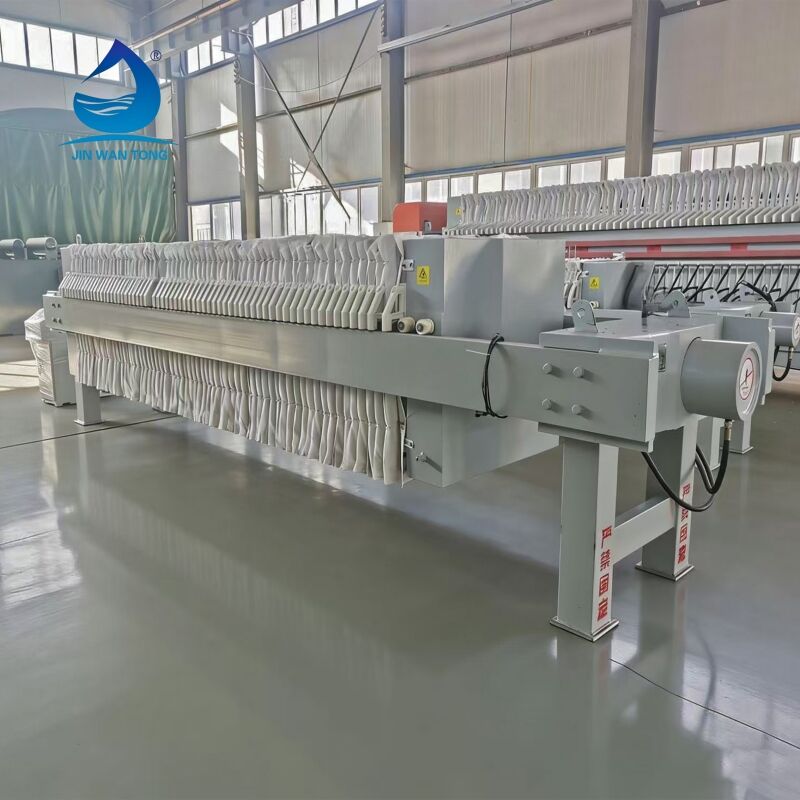
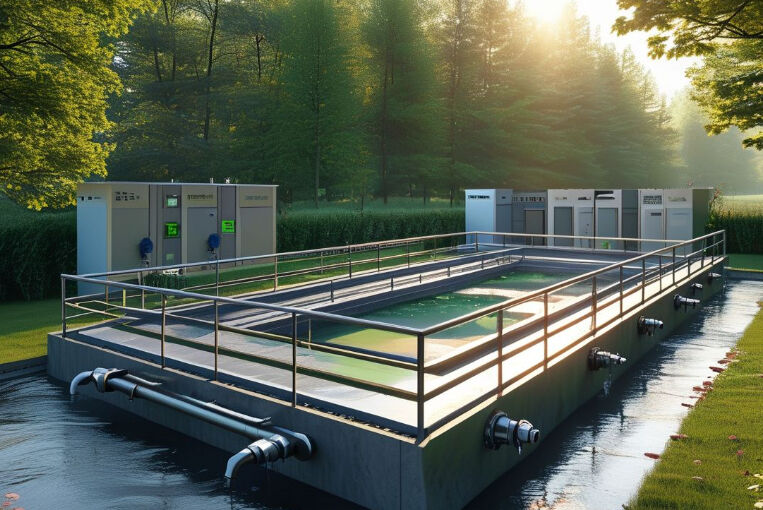
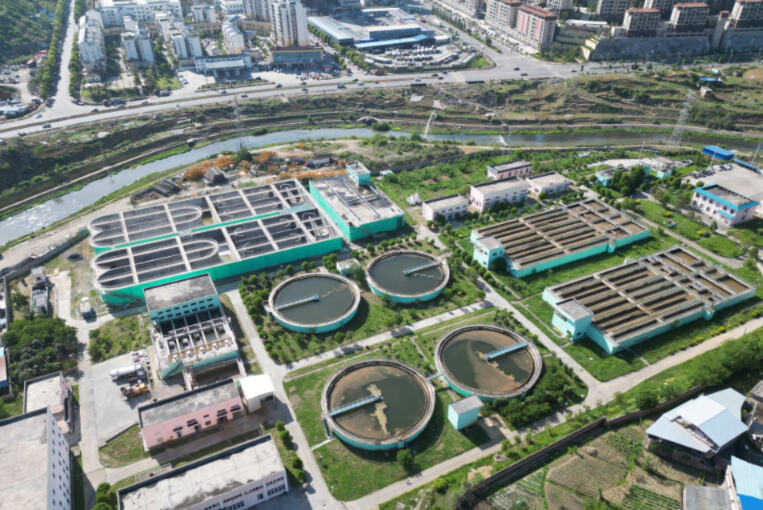
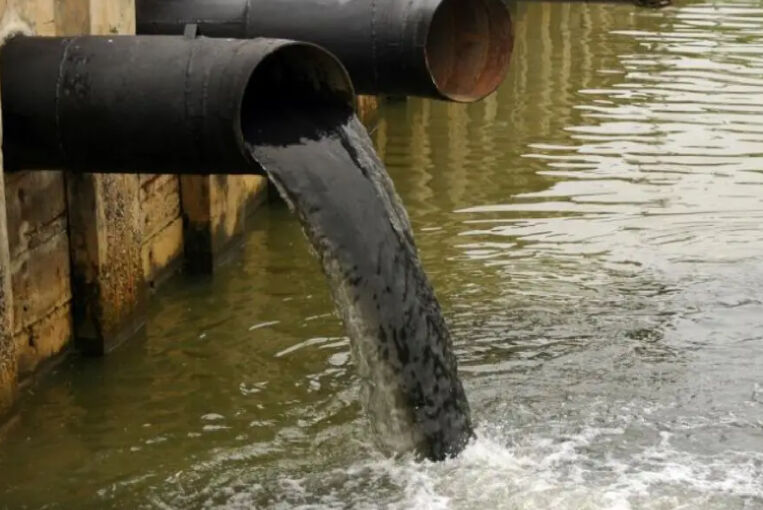
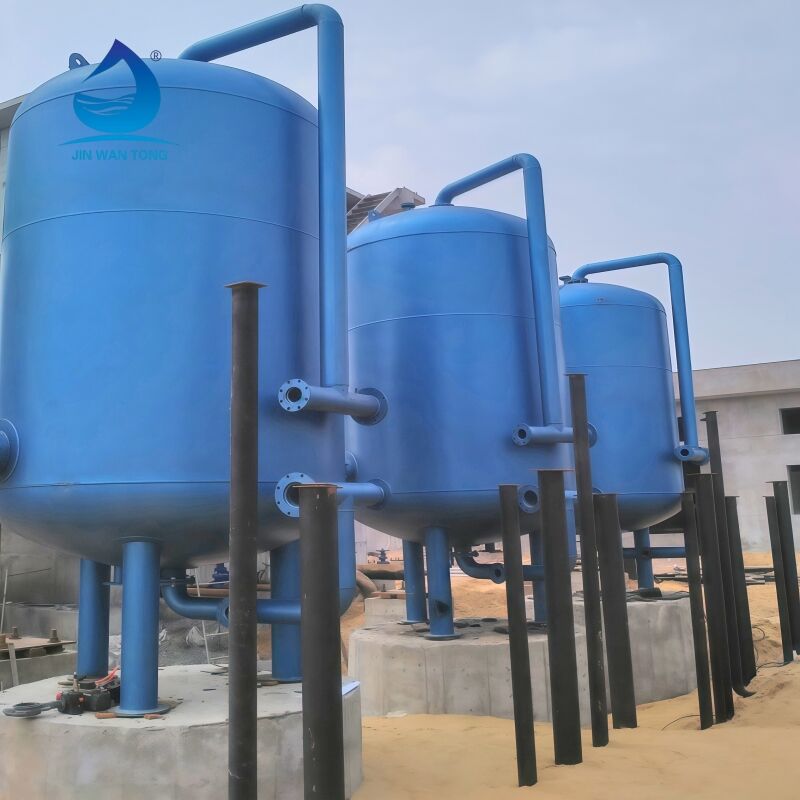
Sewage treatment plant machinery represents sophisticated engineering solutions designed to process and purify wastewater from residential, commercial, and industrial sources. These comprehensive systems integrate multiple technologies to remove contaminants, pathogens, and pollutants, transforming raw sewage into clean water suitable for discharge or reuse. Modern sewage treatment plant machinery operates through sequential processes including preliminary treatment, primary clarification, secondary biological treatment, and advanced tertiary filtration. The machinery encompasses diverse equipment such as screening devices, grit chambers, clarifiers, aeration systems, biological reactors, membrane bioreactors, and disinfection units. Each component serves specific functions in the treatment chain, working together to achieve optimal water quality standards. Primary screening equipment removes large debris and solids, while grit chambers eliminate sand and heavy particles that could damage downstream equipment. Clarifiers separate settleable solids through gravity, creating clear effluent for further processing. Biological treatment systems utilize beneficial microorganisms to break down organic matter, converting harmful substances into harmless byproducts. Advanced membrane technologies provide superior filtration capabilities, removing microscopic contaminants and ensuring exceptional water purity. Automation systems monitor and control operational parameters, optimizing performance while reducing manual intervention. Modern sewage treatment plant machinery incorporates energy-efficient designs, reducing operational costs and environmental impact. Smart sensors continuously monitor water quality, flow rates, and system performance, enabling real-time adjustments and predictive maintenance scheduling. These integrated solutions accommodate varying capacity requirements, from small community installations to large municipal facilities processing millions of gallons daily, ensuring reliable wastewater treatment across diverse applications.
New Product Releases

Sewage treatment plant machinery delivers exceptional environmental protection by preventing contaminated water from entering natural water bodies, protecting ecosystems and public health. These systems eliminate harmful bacteria, viruses, and pathogens that cause waterborne diseases, significantly reducing health risks for communities downstream. The machinery operates continuously, providing reliable treatment regardless of weather conditions or seasonal variations, ensuring consistent water quality protection year-round. Advanced biological processes naturally break down organic pollutants without harmful chemical additives, creating environmentally friendly treatment solutions that support sustainable development goals. Modern sewage treatment plant machinery reduces operational costs through energy-efficient designs and automated control systems that minimize labor requirements while maximizing treatment effectiveness. Intelligent monitoring capabilities detect potential issues before they become costly problems, enabling proactive maintenance that extends equipment lifespan and reduces downtime. The modular design of contemporary systems allows for easy expansion and upgrades, accommodating growing populations and changing treatment requirements without complete system replacement. These flexible solutions adapt to varying influent characteristics, maintaining optimal performance even when treating different types of wastewater. Treated water from sewage treatment plant machinery can be safely reused for irrigation, industrial processes, and groundwater recharge, creating valuable water resources in water-scarce regions. The machinery generates valuable byproducts including biogas for renewable energy production and biosolids for agricultural fertilizer, turning waste into resources. Compliance with stringent environmental regulations becomes achievable through advanced treatment technologies that consistently meet or exceed discharge standards. Remote monitoring capabilities allow operators to oversee multiple facilities from central locations, improving efficiency and reducing operational overhead. The robust construction of sewage treatment plant machinery ensures decades of reliable service, providing excellent return on investment through consistent performance and minimal replacement needs. These systems create local employment opportunities while supporting community health and environmental stewardship goals.

Tips And Tricks

Overview of the Agricultural Wastewater Treatment Market

17

Dec

Overview of the Agricultural Wastewater Treatment Market

View More
Global Real-Time Wastewater Treatment Update

17

Dec

Global Real-Time Wastewater Treatment Update

View More
Navigating the Waters: The Role of an Industrial Wastewater Treatment Plant

17

Dec

Navigating the Waters: The Role of an Industrial Wastewater Treatment Plant

View More

Get a Free Quote

Our representative will contact you soon.
Email
Name
Company Name
Message
0/1000

sewage treatment plant machinery

Advanced Biological Treatment Technology

Advanced Biological Treatment Technology

Sewage treatment plant machinery incorporates cutting-edge biological treatment technologies that harness natural microbial processes to achieve superior contaminant removal rates. These sophisticated biological reactors create optimal environments for beneficial bacteria and microorganisms to thrive, breaking down complex organic compounds into harmless substances. The activated sludge process, enhanced through precise aeration control and nutrient management, achieves removal efficiencies exceeding ninety-five percent for biochemical oxygen demand and suspended solids. Moving bed biofilm reactors provide high-density biomass cultivation in compact footprints, ideal for facilities with space constraints or capacity expansion requirements. Membrane bioreactor technology combines biological treatment with advanced membrane filtration, producing effluent quality suitable for direct reuse applications. These biological systems adapt to varying influent loads and characteristics, maintaining stable performance despite fluctuations in wastewater composition or flow rates. Sophisticated process controls monitor dissolved oxygen levels, pH, temperature, and nutrient ratios, automatically adjusting operational parameters to optimize biological activity. The robust microbial communities developed in these systems demonstrate remarkable resilience, recovering quickly from operational upsets or temporary shutdowns. Nitrification and denitrification processes integrated within the biological treatment remove nitrogen compounds that contribute to eutrophication in receiving waters. Phosphorus removal capabilities through enhanced biological phosphorus removal or chemical precipitation protect sensitive aquatic environments from nutrient pollution. The biological treatment processes operate at relatively low energy consumption compared to physical or chemical alternatives, reducing operational costs while maintaining exceptional treatment performance. Regular monitoring of mixed liquor suspended solids, sludge volume index, and microscopic examination ensures optimal biological health and treatment efficiency. These advanced biological technologies form the foundation of reliable, cost-effective sewage treatment plant machinery that consistently produces high-quality effluent meeting stringent regulatory requirements.
Smart Automation and Control Systems

Smart Automation and Control Systems

Modern sewage treatment plant machinery integrates intelligent automation and control systems that revolutionize operational efficiency and treatment reliability. These comprehensive automation platforms utilize advanced sensors, programmable logic controllers, and sophisticated software to monitor and control every aspect of the treatment process in real-time. Distributed control systems provide centralized oversight of multiple treatment units while enabling local control adjustments, ensuring optimal coordination between different process stages. Human-machine interfaces display critical operational data through intuitive graphical displays, allowing operators to quickly assess system status and performance trends. Automated valve control systems regulate flow distribution, chemical dosing, and backwash cycles with precision timing that surpasses manual operations. Variable frequency drives optimize pump and blower operations, adjusting speed based on actual demand rather than running at fixed speeds, resulting in substantial energy savings. Predictive analytics algorithms analyze historical data patterns to forecast equipment maintenance needs, preventing unexpected failures and extending component lifespan. Remote monitoring capabilities enable expert technicians to provide support and troubleshooting assistance from distant locations, reducing response times and operational disruptions. Alarm management systems prioritize critical alerts while filtering routine notifications, ensuring operators focus attention on issues requiring immediate intervention. Data logging and trending functions track performance metrics over time, identifying opportunities for process optimization and efficiency improvements. Integration with laboratory information management systems automates sampling schedules and incorporates analytical results into process control decisions. The automation systems adapt to changing conditions automatically, adjusting aeration rates, chemical feed rates, and hydraulic loading based on real-time measurements. Cybersecurity features protect critical infrastructure from unauthorized access while maintaining connectivity for legitimate remote operations. These smart automation technologies transform sewage treatment plant machinery into self-optimizing systems that deliver consistent performance with minimal human intervention while providing comprehensive operational visibility and control.
Modular and Scalable Design Architecture

Modular and Scalable Design Architecture

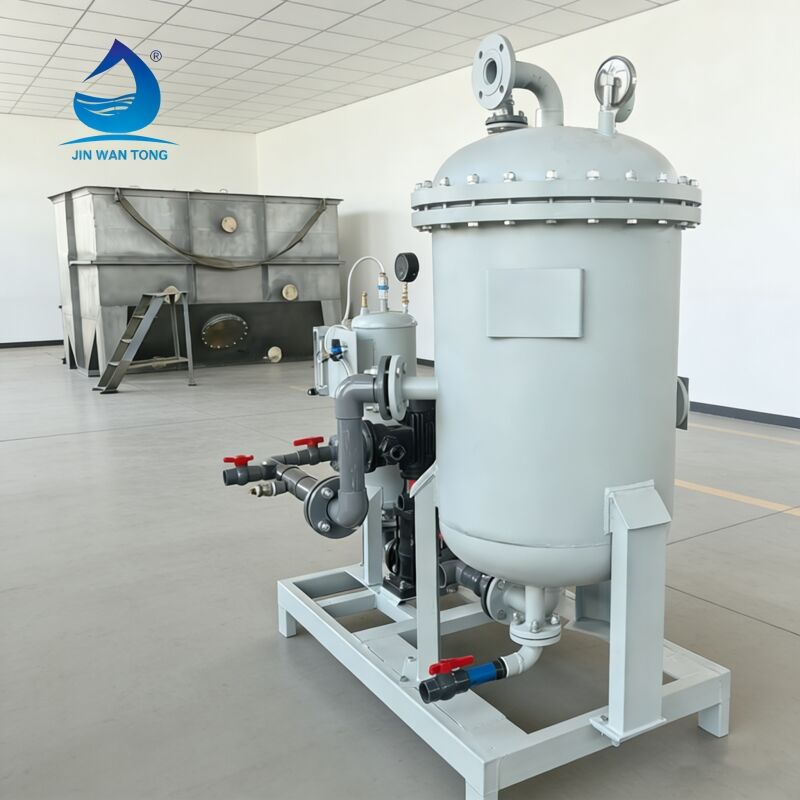
Sewage treatment plant machinery featuring modular and scalable design architecture provides unparalleled flexibility for communities and industries facing evolving wastewater treatment needs. This innovative approach utilizes standardized treatment modules that can be combined, expanded, or reconfigured to accommodate changing capacity requirements without disrupting ongoing operations. Modular construction enables rapid deployment compared to traditional concrete construction methods, reducing project timelines and minimizing community disruption during installation. Standardized components ensure consistent quality and performance across different installation sites while simplifying maintenance procedures and spare parts inventory management. The scalable design accommodates phased construction approaches, allowing municipalities to implement initial treatment capacity aligned with current needs while preserving space and infrastructure for future expansion phases. Pre-engineered modules arrive at installation sites with factory testing completed, reducing field commissioning time and ensuring reliable startup performance. Containerized treatment units provide maximum mobility and temporary treatment solutions during emergency situations or system upgrades. The modular approach facilitates technology upgrades by enabling selective replacement of specific treatment stages without complete system reconstruction. Standardized interfaces between modules ensure compatibility and seamless integration when adding new treatment capabilities or increasing capacity. Skid-mounted equipment assemblies simplify installation and maintenance access while providing protection from environmental conditions. The compact footprint of modular sewage treatment plant machinery maximizes treatment capacity within limited available space, particularly valuable in urban environments or industrial facilities with spatial constraints. Quality control benefits from factory assembly conditions that provide controlled environments and specialized tooling unavailable at construction sites. Transportation efficiencies result from standardized dimensions that optimize shipping methods and reduce logistics costs. This design philosophy supports sustainable development by enabling treatment capacity to grow incrementally with population or industrial expansion, avoiding oversized initial investments while ensuring adequate treatment capacity throughout the facility lifecycle. The proven reliability of modular sewage treatment plant machinery reduces project risks and provides predictable performance outcomes for stakeholders.
Advanced Sewage Treatment Plant Machinery - Complete Wastewater Solutions

Get a Free Quote

Our representative will contact you soon.
Email
Name
Company Name
Message
0/1000